





Antique Plate Carrier
These antique plate carrier pieces combine solid timbers and polished metals, serving dining rooms with practical elegance.
Antique Plate Carrier
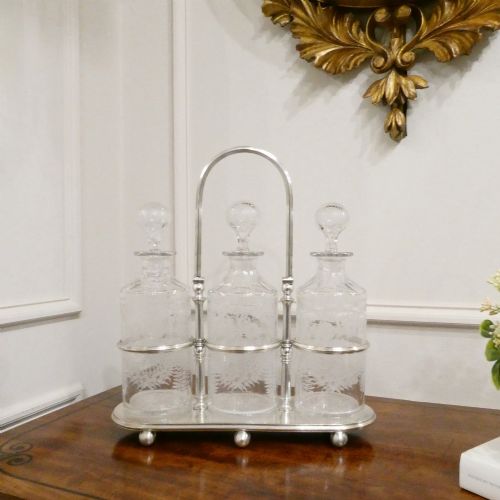
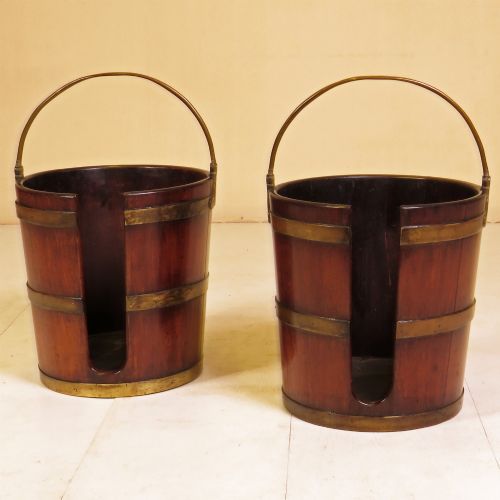
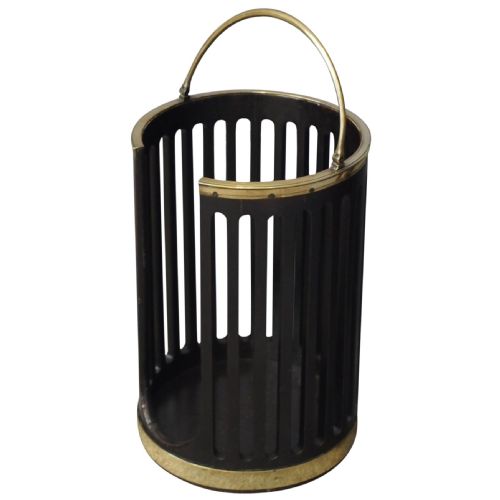
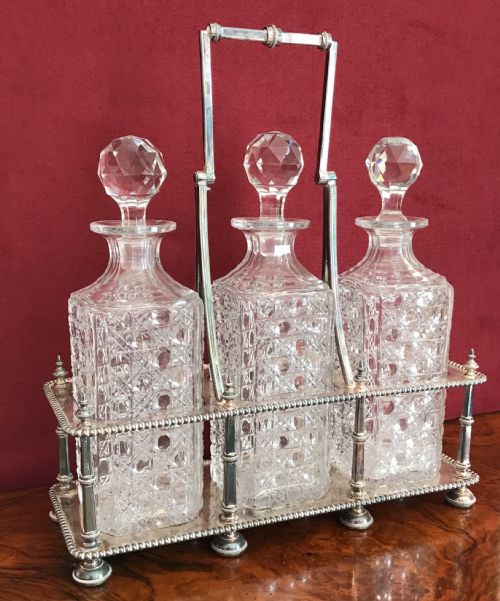
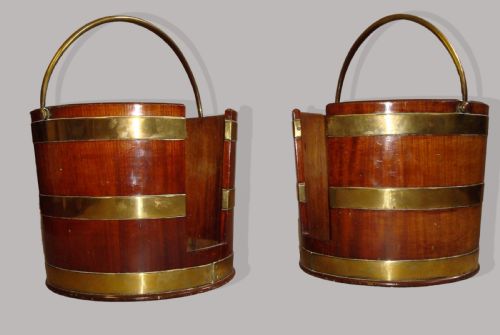
An antique plate carrier principally takes the form of mahogany plate buckets and associated wine holders from the eighteenth century onwards. These cylindrical vessels were designed to transport and store stacks of dining plates safely between the sideboard and the table. They frequently appear alongside silver plated decanter stands, tantalus frames, and cocktail sets from later Victorian and Edwardian periods.
The selection ranges from George III mahogany specimens with brass bindings to silver plated bottle frames and Art Deco cocktail shaker sets. Buyers encounter Georgian wooden buckets alongside later metal barware, reflecting how dining accessories evolved over two centuries. Each form addresses the practical demands of hospitality, whether carrying heavy ceramic plates or organising crystal decanters.
Originating in formal dining rooms, these pieces served affluent households where service required robust yet handsome equipment. The earliest examples rely on turned hardwoods and metal bands to withstand daily handling. Later Edwardian and 1930s incarnations shift towards plated metals and glass for drinks hospitality rather than heavy crockery.
How they were made
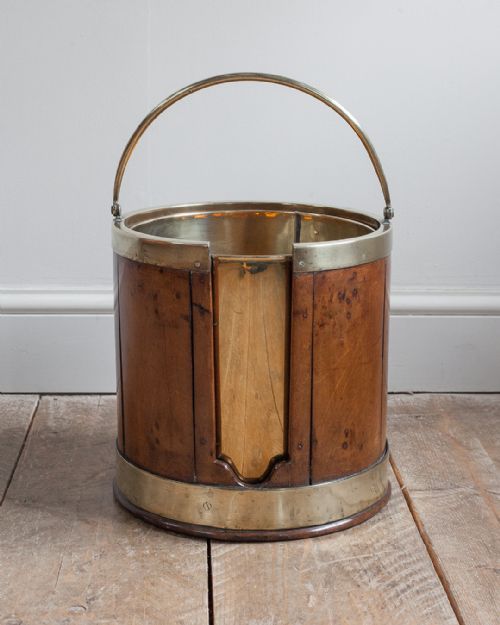
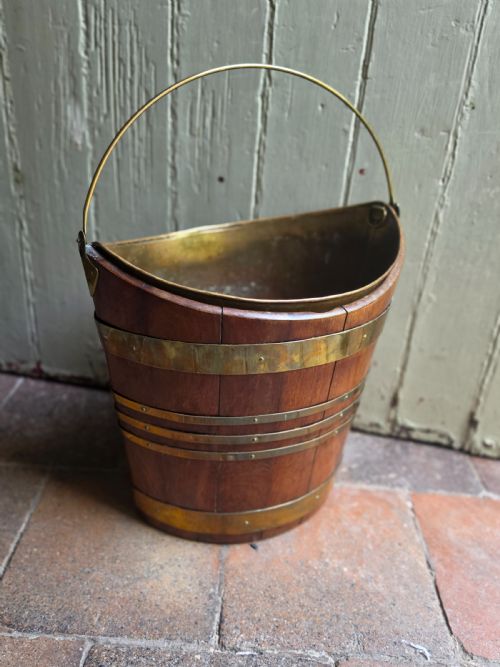
Cabinetmakers constructed wooden plate buckets using coopered mahogany staves, shaping individual pieces of timber to form a watertight or sturdy cylindrical body. These wooden structures were then reinforced with heavy brass bands and fitted with sturdy drop handles for lifting. The skill lay in joining the curved staves tightly so the vessel held its shape under load.
Metal items utilise silver plate over a base metal foundation, combined with cut glass and crystal for decanters and shakers. Silver plating techniques applied a thin layer of silver to create a lustrous surface suitable for formal display. Marquetry inlay occasionally decorates the exterior surfaces of related hardwood pieces, adding decorative contrast to the dark grain.
Surface finishing involved polishing the mahogany to a deep sheen that highlighted the natural grain of the wood. Brass mounts were secured with small pins or screws, ensuring the metal reinforcements remained flush against the timber. Glass components, such as cut crystal decanters, were mouth-blown and wheel-cut to catch the light.
Antique Plate Carrier Retail Price Guide 2026
Typical asking prices for plate carrier among the pieces listed under this phrase on Sellingantiques today, from the lower quarter to the upper quarter. They describe what is for sale here now, not the wider market.
Listings span the eighteenth century through the Art Deco era, featuring mahogany, brass, silver plate, and cut crystal.
What varies in quality
The integrity of the timber and the tightness of the coopered joints dictate the standard of wooden plate buckets. Superior examples retain their original brass bindings and matching carrying handles without replacement parts. The depth of colour in the mahogany and the crispness of any brass work separate workshop pieces from standard utility items.
In silver plated and glass items, the thickness of the silver coating and the clarity of the cut crystal establish the tier of craftsmanship. Better pieces show minimal wear to the plating and feature heavier, more precisely cut glass bottles that fit snugly within their frames. Maker attribution, such as French Art Deco silver plate, also influences the standing of individual pieces.
Maison Barra
The Antique Plate Carrier Glossary
- Plate Bucket
- A cylindrical wooden vessel fitted with a handle and metal bands, designed for carrying dinner plates. They were typically kept beside the dining table during formal meals.
- Tantalus
- A locking wooden or metal frame holding decanters to prevent servants or guests from accessing the spirits without a key. The bottles remain visible through the framework.
- Coopered
- Constructed from curved wooden staves joined edge-to-edge and bound with metal hoops, much like a barrel. This technique provided immense strength for holding heavy items.
- Silver Plate
- A thin layer of silver applied to a base metal such as copper or nickel brass. It offered the appearance of solid silver at a lower cost for domestic tableware.
- Marquetry Inlay
- Decorative patterns created by fitting contrasting veneers into prepared recesses on a wooden surface. It appears on select furniture and container pieces to enhance visual richness.
Antique Plate Carrier: Frequently Asked Questions
What was an antique plate carrier used for?
These vessels transported stacks of ceramic plates from the kitchen or pantry to the dining table in large households. Their robust construction allowed servants to carry heavy tableware securely without risk of dropping.
Over time, the terminology expanded to encompass various drinks carriers, including silver plated decanter frames and bottle holders. Each form fulfilled a specific logistical need in formal dining and entertaining.
How do I date a mahogany plate bucket?
Dating relies heavily on the style of the wood, the method of construction, and the type of metal bindings used. Eighteenth-century George III examples typically feature rich mahogany with heavy brass bands and distinct coopered staves.
Later nineteenth-century pieces often show different patination and handle attachments. Examining the interior wear and the fasteners provides further clues to the period of manufacture.
Are these pieces suitable for modern homes?
Wooden plate buckets make excellent umbrella stands, log holders, or decorative floor bins in contemporary living spaces. Their sturdy construction and rich timber tones suit both traditional and modern interiors.
Silver plated bottle frames and decanter sets function well on sideboards or bar carts for serving guests. They bring period character and practical organisation to modern dining arrangements.
How should I care for antique mahogany?
Keep wooden pieces away from direct heat sources and strong sunlight to prevent the timber from drying out or fading. Regular dusting with a soft, dry cloth maintains the finish without needing heavy polishes.
For brass bindings, gentle cleaning prevents tarnish while preserving the natural ageing that collectors value. Avoid excessive moisture on both the wood and any metal mounts.