


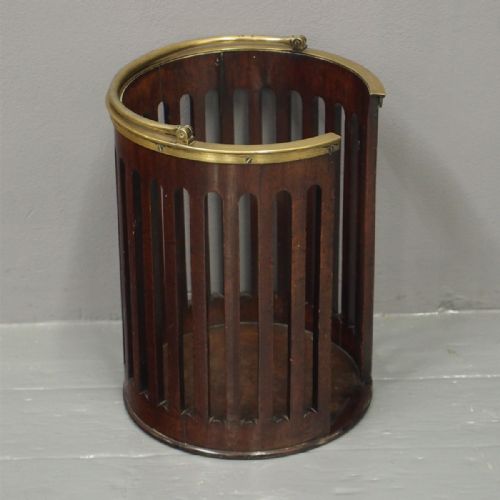


Georgian Plate Pail
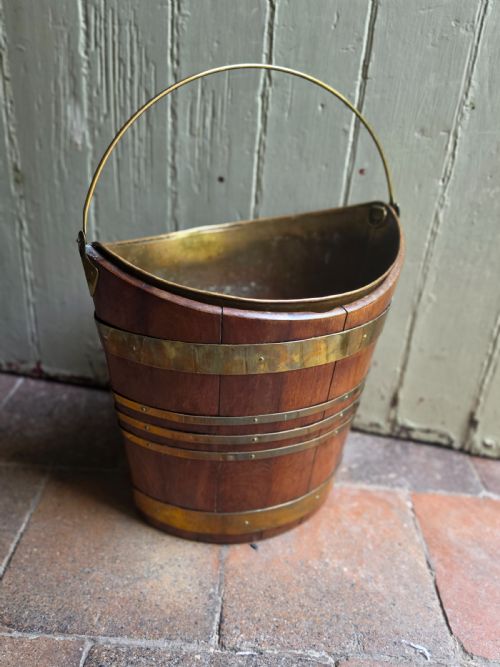
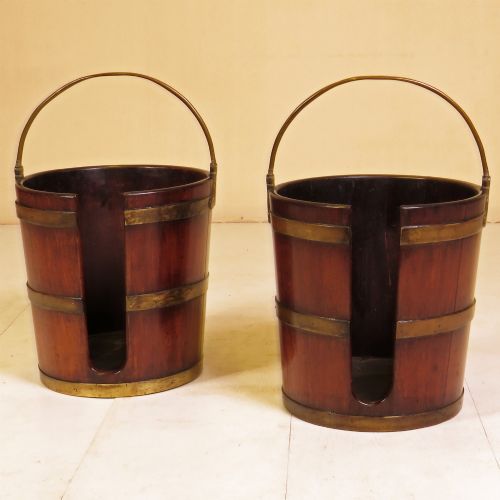
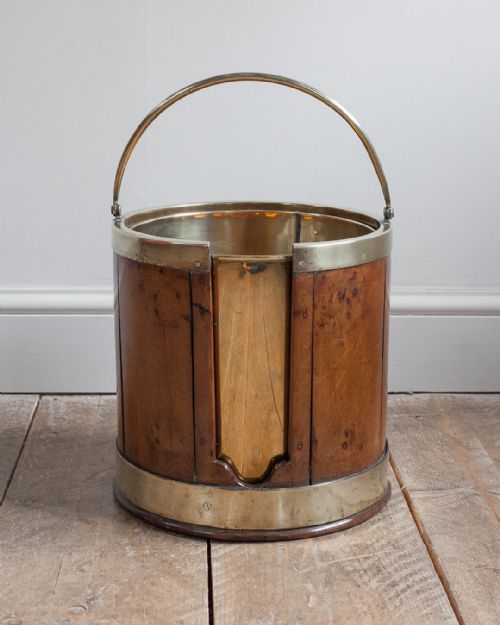
These Georgian plate pail examples are robust wooden containers built to hold heavy dining ceramics.
Georgian Plate Pail
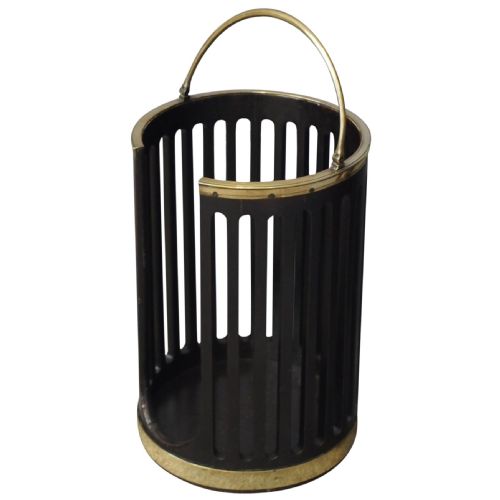
A georgian plate pail is a deep, staved wooden vessel designed to hold and carry heavy dining plates around the dining room. These sturdy containers typically take a cylindrical or slightly tapering bucket form with a stout carrying handle.
The versions most commonly met on this page date from the eighteenth century into the nineteenth century, spanning the Georgian and Regency periods. They appear most frequently in rich mahogany, often reinforced with metal bands, though related cooler forms in old Sheffield plate also surface.
How they were made
Coopers and cabinetmakers constructed these vessels using tightly fitted vertical wooden staves of mahogany, bound together with robust brass or copper bands. This traditional cooperage technique provided the immense structural strength needed to support heavy stacks of porcelain or earthenware plates without warping or splitting.
Metal components such as swing handles, escutcheons, and reinforcing hoops were shaped from brass or copper, then fastened securely to the timber body. Silver plating and old Sheffield plate techniques were also utilised for related metal wine coolers appearing alongside the wooden buckets.
Georgian Plate Pail Retail Price Guide 2026
Typical asking prices for georgian plate pail among the pieces listed under this phrase on Sellingantiques today, from the lower quarter to the upper quarter. They describe what is for sale here now, not the wider market.
Many of these sturdy containers outlived the dining sets they once served, quietly pivoting from plate carriers to luxury umbrella stands.
What varies in quality
The fineness of a georgian plate pail rests in the crispness of its timber grain, the precision of the stave joinery, and the integrity of its original metal mounts. Pieces displaying rich, deeply figured mahogany with tight, seamless joints sit firmly at the top of the range.
Subtleties in proportion and the quality of the brass hardware distinguish superior examples from utilitarian pieces. Original handles and well-fitted mounting hoops command closer attention from collectors than later replacements or heavily restored bindings.
Matthew Boulton Co
The Georgian Plate Pail Glossary
- Plate bucket
- A deep cylindrical wooden vessel used for transporting dinner plates. These pieces often feature brass binding and a sturdy overhead handle.
- Old Sheffield plate
- A composite metal made by fusing a thin sheet of silver to a thicker copper base. This technique produced durable luxury wares before modern electroplating.
- Staves
- The narrow vertical strips of wood fitted together to form the curved body of a bucket or pail. Cooperage skills determined how tightly these pieces locked in place.
- Regency
- A British design period spanning the early nineteenth century. Furniture from this era often incorporates classical revival motifs and refined metal accents.
Georgian Plate Pail: Frequently Asked Questions
What is a georgian plate pail used for?
These vessels were built specifically to transport stacks of heavy dining plates from the kitchens to the dining table. Servants used them to safely carry porcelain and earthenware without risking slips.
Today, they function primarily as decorative floor-standing containers or waste paper baskets in traditional interiors. Their deep proportions make them well-suited to holding rolled maps or dried florals.
How do you date a mahogany plate bucket?
Dating relies heavily on examining the timber grain, the construction methods of the staves, and the style of the brass hardware. Eighteenth-century examples often display denser, darker mahogany with hand-beaten metal fastenings.
Later nineteenth-century pieces tend to show cleaner machine milling and brighter brass work. Comparing the patination of the interior to the exterior also helps confirm age.
Are brass bands always original?
Brass hoops and swing handles were subjected to heavy strain during daily dining service and frequently required maintenance over the centuries. Many surviving pieces retain their original metalwork, secured with period fixings.
Replacement bands sometimes appear on otherwise old wooden bodies. Close inspection of the screw holes and timber shrinkage around the metal helps determine originality.
How do you care for antique mahogany?
Maintaining these wooden pieces involves keeping them away from direct heat sources and sudden temperature fluctuations. Excessive dryness causes the staves to shrink and loosen their grip on the metal bands.
Regular dusting with a dry, soft cloth preserves the natural wax finish. Occasional gentle feeding with appropriate furniture wax maintains the depth of the mahogany grain.