



Mahogany Fireside Bucket
A mahogany fireside bucket is a traditional hearthside container built to hold fuel, combining robust timber construction with decorative metalwork.
Mahogany Fireside Bucket
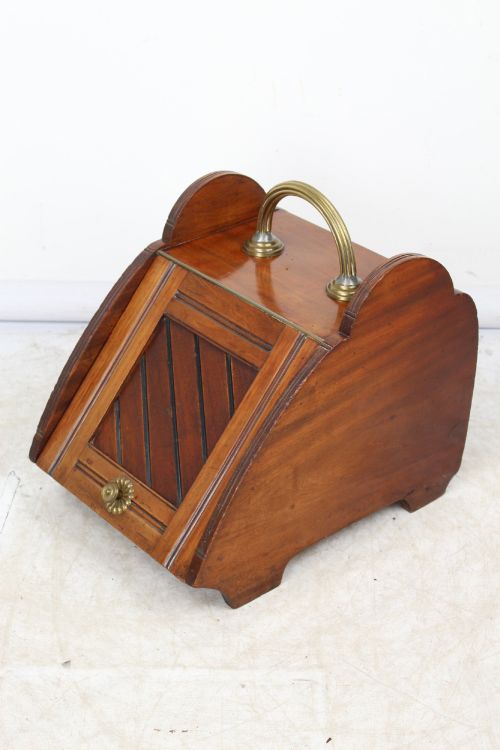
A mahogany fireside bucket serves as a practical hearthside vessel for storing fuel such as coal or peat, emerging from Georgian, Victorian, and Edwardian periods. These traditional accessories often appear alongside related forms like coal boxes, purdoniums, and plate buckets.
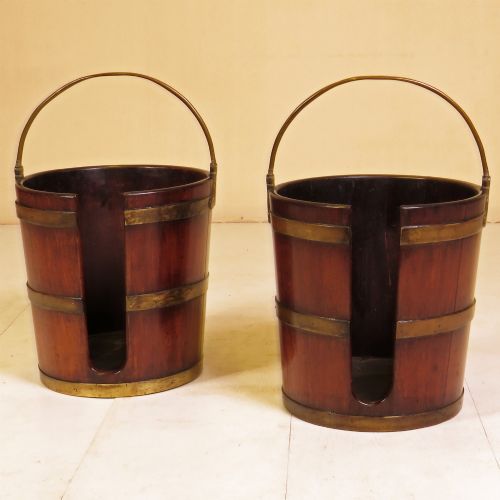
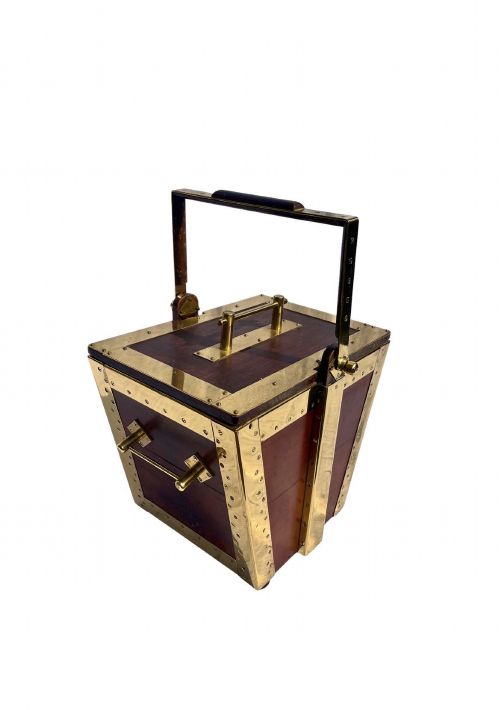
The pieces on this page span several eras, including George III examples from the eighteenth century, nineteenth-century Dutch styles, and later Victorian iterations. Forms range from ribbed peat buckets and coal scuttles to coopered vessels with brass bindings.
Buyers encounter variations in origin and design, such as Irish ribbed forms and Dutch teestoof buckets. Each object reflects the domestic heating needs of its respective period, utilising sturdy woods suited for daily fireside use.
Materials and construction
Woodworkers built these vessels primarily using solid mahogany, alongside occasional accents of oak, fruitwood, and marquetry inlay. Artisans shaped the bodies using traditional coopering techniques, assembling vertical staves bound tightly by metal hoops.
Metal components play a structural and decorative role, featuring brass bands, swing handles, and iron reinforcements. Many examples retain interior metal or tin liners designed to contain the dampness and dirt of coal or peat.
Mahogany Fireside Bucket Retail Price Guide 2026
Typical asking prices for mahogany fireside bucket among the pieces listed under this phrase on Sellingantiques today, from the lower quarter to the upper quarter. They describe what is for sale here now, not the wider market.
Current listings feature mahogany combined with brass, oak, iron, and fruitwood across Georgian and Victorian periods.
Judging quality and character
The distinction between standard and superior pieces lies in the choice of timber and the precision of the cooperage. Finer examples display well-figured mahogany grain and balanced proportions that elevate a utilitarian object into a refined piece of furniture.
Originality of components dictates the standing of a piece, particularly the retention of period brassware and fitted interiors. Untouched surfaces and patination accumulated through generations of use separate genuine antique examples from later reproductions.
The Mahogany Fireside Bucket Glossary
- Coopered
- Constructed from curved wooden staves joined together edge-to-edge, similar to barrel-making. This technique provides the cylindrical strength required for holding heavy loads of fuel.
- Purdonium
- A specific type of coal box featuring a sloping front and a hinged lid, often incorporating a shovel compartment. These domestic items became popular during the Victorian era for tidy hearth management.
- Teestoof
- A Dutch foot warmer or small heating vessel, sometimes taking the form of a lidded wooden bucket. They typically held hot embers to warm rooms or individuals.
- Peat bucket
- A deep cylindrical container designed specifically for holding dried peat turf for fuel. They frequently date to the eighteenth century and often feature sturdy brass swing handles for transport.
Mahogany Fireside Bucket: Frequently Asked Questions
What is a mahogany fireside bucket used for?
These vessels were designed to hold solid fuel such as coal or peat near the fireplace for convenient refueling. They kept hearth areas tidy while serving as decorative accessories in period reception rooms.
Over time, owners also repurposed them for various household tasks, including holding fireplace tools or serving as umbrella stands.
How do I tell a Georgian bucket from a Victorian one?
Georgian pieces, particularly those from the eighteenth century, often feature simpler, more robust lines with pegged staves and high-grade mahogany timbers. They frequently take the form of peat buckets with prominent brass swing handles.
Victorian examples often include more elaborate hardware, such as purdoniums with fitted shovels and drop fronts. They reflect the industrial production methods and decorative tastes of the later nineteenth century.
Did these buckets originally have liners?
Many period examples were manufactured with metal liners to protect the wood from moisture and debris associated with coal and peat. Surviving original liners add historical completeness to the piece.
Some surviving vessels retain iron or tin inserts, while others have lost them over centuries of domestic use.
How do I care for antique mahogany near a fireplace?
Keep the timber away from direct, intense heat sources to prevent the wood from drying out and cracking. Maintain consistent room humidity where possible.
Apply traditional wax sparingly to nourish the mahogany surface and preserve the historic patination accumulated over generations.