



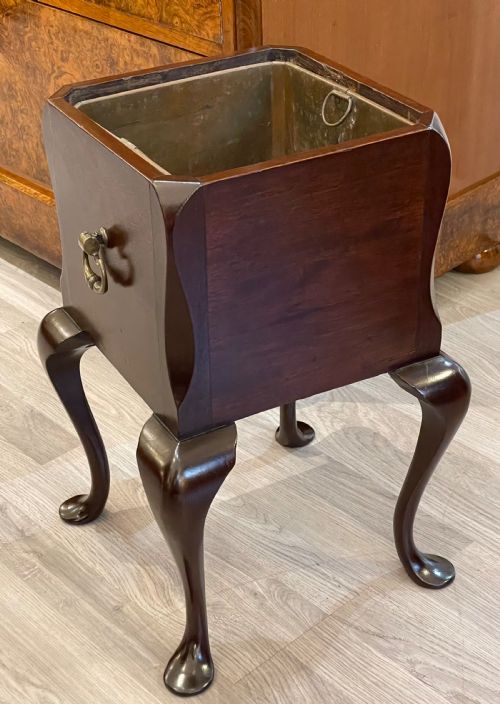
Brass Liner Wine Cooler
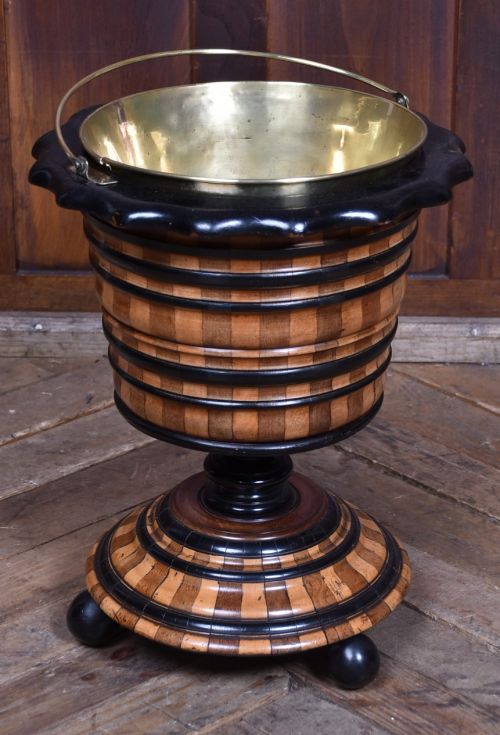
These brass liner wine cooler pieces are traditional vessels crafted from mixed hardwoods featuring metal inserts, built for service and display.
Brass Liner Wine Cooler
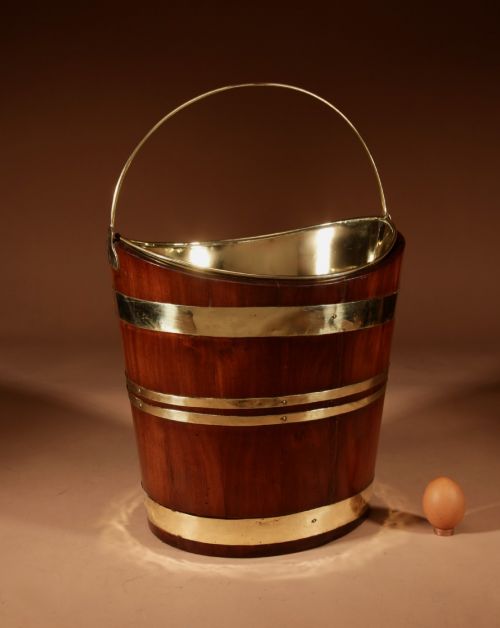
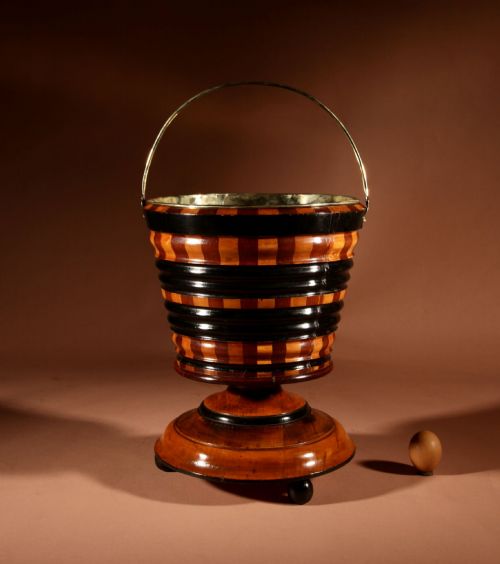
When you search for a brass liner wine cooler, you are looking at items spanning the 18th century, Georgian, Regency, Victorian, and Edwardian periods. The forms include boat-shaped peat buckets, tea stoves, planters, jardiniere stands, and open wine coolers.
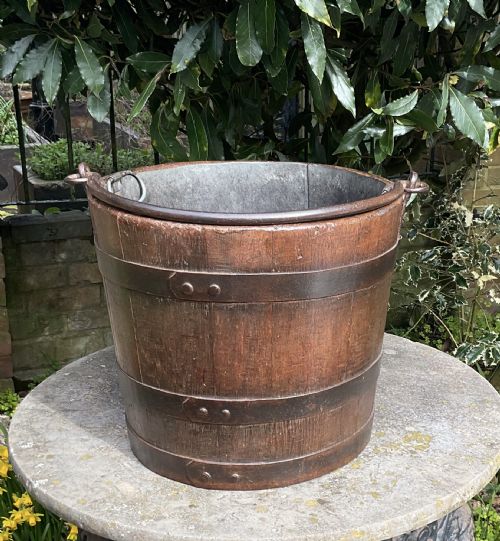
You are most likely to meet mahogany, oak, or walnut vessels featuring coopered wood construction with metal linings. These pieces often overlap in form with peat buckets and jardinières due to their shared wooden bucket body and metal insert design.
Materials and construction methods
These pieces rely heavily on coopered wood techniques, utilising stave construction in materials such as mahogany, oak, walnut, ebonised wood, and mixed hardwoods. Artisans bound these wooden bodies with brass bands to ensure structural integrity and decorative contrast.
Surfaces frequently incorporate decorative elements like satinwood and rosewood marquetry inlay, spindle galleries, or oyster cut veneers. Inside the wooden vessels sit fitted metal or brass liners designed to hold moisture or contents safely.
Brass Liner Wine Cooler Retail Price Guide 2026
Typical asking prices for brass liner wine cooler among the pieces listed under this phrase on Sellingantiques today, from the lower quarter to the upper quarter. They describe what is for sale here now, not the wider market.
Several items double gracefully as boat-shaped tea stoves, proving that your houseplants can live in a former Dutch peat warmer.
Judging the standard of execution
Quality rests in the precision of the cooperage and the richness of the timber selection, whether figured mahogany, walnut, or oak. Sharply defined brass work and crisp marquetry inlay distinguish the finer examples from simpler vernacular items.
The integration between the wooden staves and the fitted brass liner shows the maker's hand. Superior pieces maintain structural harmony across complex forms like boat shapes and tea stoves without relying on excessive restoration.
The Brass Liner Wine Cooler Glossary
- Coopered wood
- Construction method using curved wooden staves bound together by metal hoops, typical of buckets and casks.
- Teestoof
- A Dutch warming vessel or tea stove designed to hold embers, frequently repurposed or categorized alongside peat buckets.
- Schuitje
- A boat-shaped vessel form, often applied to specific Dutch peat buckets and jardinières.
- Jardiniere
- An ornamental stand or container designed to hold plants or flowers, sharing forms with wine coolers.
- Marquetry
- Decorative veneer work arranged in geometric or pictorial patterns across the wooden surface.
Brass Liner Wine Cooler: Frequently Asked Questions
What is a brass liner wine cooler used for?
These vessels were originally constructed to hold wine with ice, or to serve related domestic functions such as holding peat or tea equipment near a hearth.
Today, many buyers utilise them as planters, jardinières, or decorative storage pieces in reception rooms.
How do I tell a wine cooler from a peat bucket?
Many examples share identical coopered wooden bucket forms and brass liners, leading historical pieces to be described interchangeably as wine coolers, tea stoves, or peat buckets.
The distinction often depends on regional terminology, such as the Dutch teestoof, rather than a fundamental difference in construction.
How do I care for wood and brass?
Protect the timber from direct heat sources and sudden humidity changes to prevent movement in the coopered staves.
Clean the brass liner gently with appropriate metal polish while avoiding contact with the surrounding wood finish.
Are these pieces strictly Georgian?
The listings span multiple eras, including 18th-century George III pieces, Regency designs, Victorian walnut planters, and Edwardian examples in mahogany stands.
Dutch traditional and Neoclassical styles from the nineteenth century also appear frequently alongside British items.