



18th Century Bucket
An 18th century bucket spans utilitarian leather fire carriers and lavish mahogany wine coolers bound in gleaming brass.
18th Century Bucket
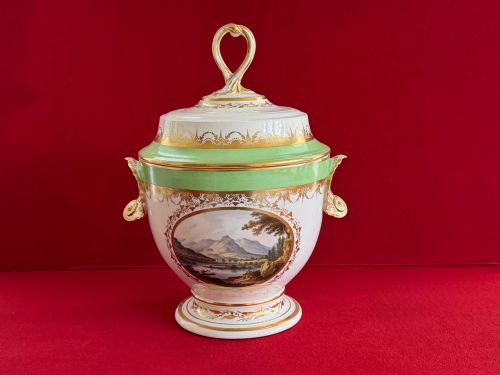
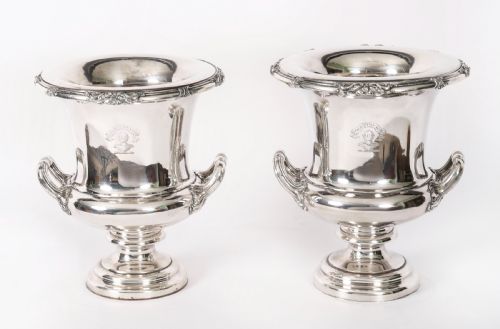
When a collector searches for an 18th century bucket, the results reveal a surprising range of domestic, social and safety equipment from the Georgian era. These objects served vastly different duties, from cooling wine at the dining table and storing dining plates to carrying water during fires or holding peat for the hearth.
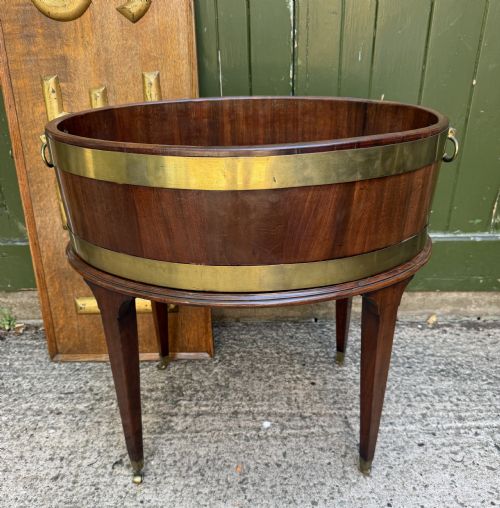
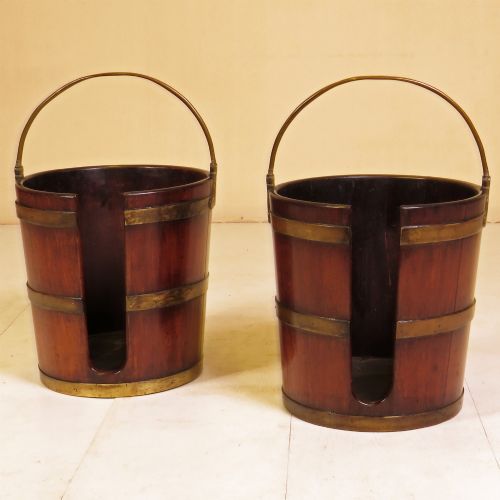
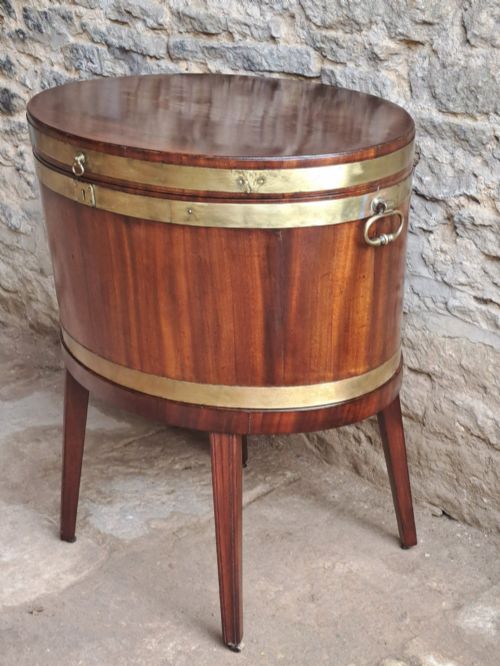
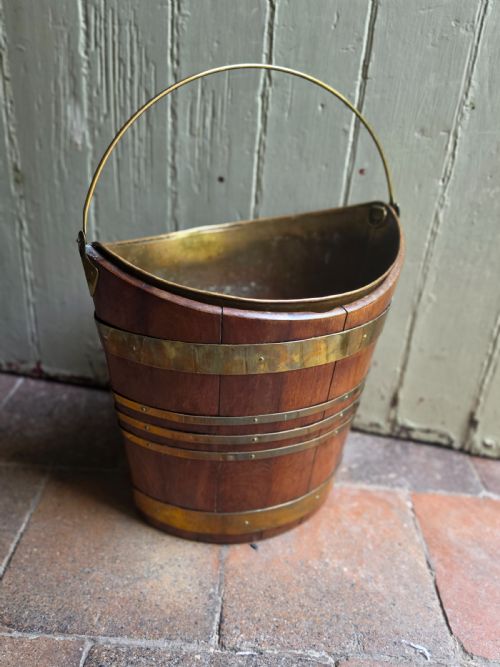
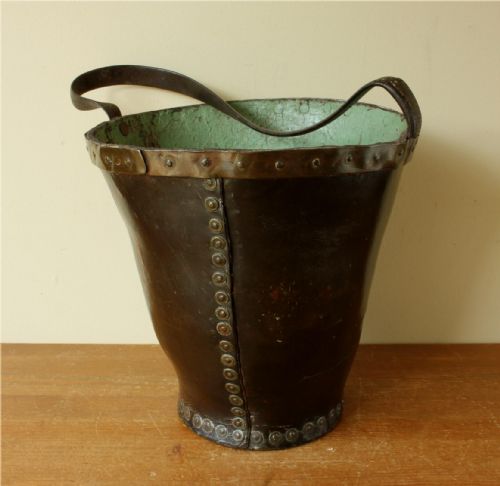
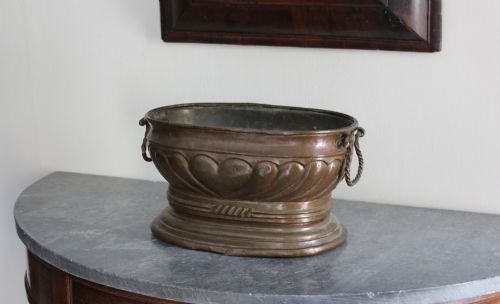
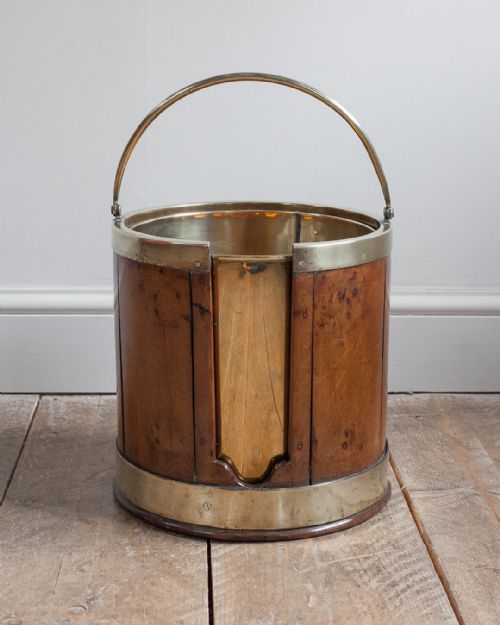
The version most commonly met on this page is the brass-bound mahogany wine cooler or cellarette, often oval in shape and sometimes resting on its original stand. Alongside these drinking accessories, buyers frequently encounter leather fire buckets bearing hand-painted coats of arms or initials, as well as slatted wooden plate buckets designed for carrying tableware safely.
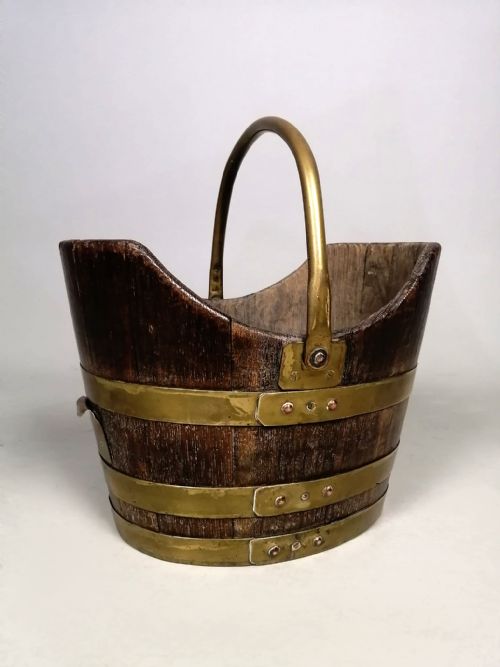
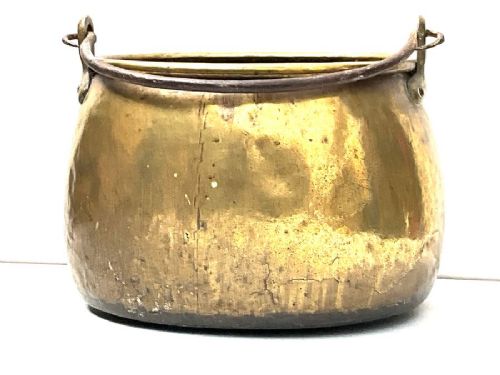
Origins stretch beyond English workshops into continental Europe and the wider world, encompassing French walnut vessels, Dutch oak bins and engraved bronze ritual vessels from Persia. The materials shift accordingly from rich timbers and supple leather to solid brass, copper and silver.
Materials and construction
Cabinetmakers constructed wooden wine coolers and plate buckets using tight stave-work or planking, selecting dense timbers like mahogany, walnut, oak and fruitwood. These bodies were then reinforced with structural metal bands in brass or copper, secured by studs or rivets that provided both strength and decorative contrast against the dark wood.
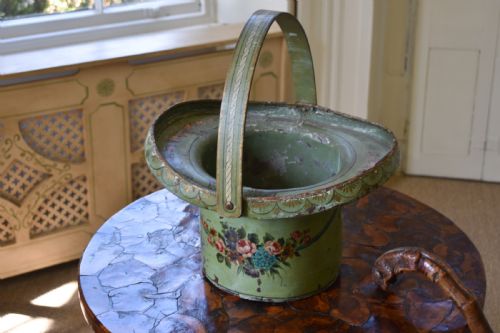
Leather fire buckets and hat boxes relied on heavy hides that were soaked, shaped over moulds, and stitched or riveted before receiving layers of protective paint and waterproofing pitch. Metal vessels such as copper cooking pots, brass pans and silver cream pails were beaten, raised from single sheets, or cast and soldered by skilled metalworkers.
Leather fire buckets often bear painted family crests, initials and acquisition dates, transforming municipal safety gear into personalised household heraldry.
Judging the standard
The distinction between a standard utility vessel and a top-tier piece rests in the crispness of the joinery, the thickness of the timber, and the quality of the metal mounts. Fine mahogany wine coolers display rich natural patination on the wood alongside heavy, well-cast brass hoops and original drop handles that demonstrate substantial weight.
For leather fire and peat buckets, quality is visible in the preservation of the hand-painted surfaces, the integrity of the original stitching, and the survival of contemporary iron or copper riveting. Pieces that retain their matching stands, original lead linings, or fully intact interior divisions command greater interest from discerning buyers.
George Robertson·Aldridge & Green·John Mackfarlan
The 18th Century Bucket Glossary
- Cellarette
- A lockable container used for storing wine bottles near the dining table, often heavily constructed from mahogany with brass banding.
- Plate bucket
- A cylindrical wooden container featuring a vertical handle and slatted or solid sides, designed for safely transporting dining plates between the kitchen and dining room.
- Monteith
- A type of scalloped metal cooling bowl used in the Georgian period to chill wine glasses by their stems over the notched rim.
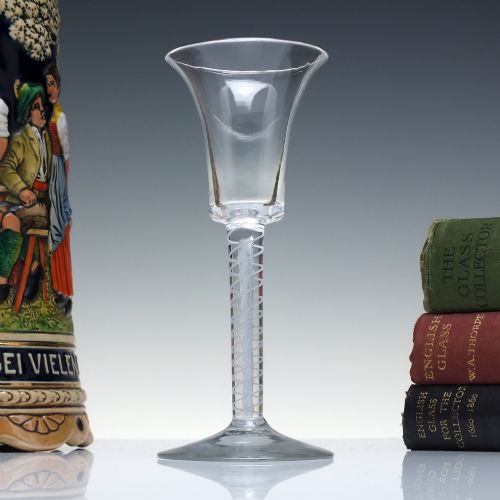
- Opaque twist
- A decorative glass stem formation created by drawing white or coloured enamel threads through the molten metal, frequently seen on drinking vessels featuring bucket-shaped bowls.
- Patina
- The deep, lustrous surface sheen developed on wood, leather and metal over centuries of handling, cleaning and exposure to the elements.
18th Century Bucket: Frequently Asked Questions
How were mahogany wine coolers used?
These vessels were placed beside the dining table during formal meals, lined with lead or zinc, and filled with ice or cold water to chill wine bottles.
Servants would draw bottles from the cooler as needed throughout the course of the evening, keeping the wine at the proper temperature without requiring trips back to the cellar.
Were leather buckets actually used for fires?
Yes, heavy leather buckets served as standard fire-fighting equipment in 18th century towns and country houses, kept filled or ready near domestic water sources.
Teams of people would form lines to pass these flexible containers swiftly toward flames, which explains why surviving examples often show robust stitching and protective painted exteriors.
What is the difference between a wine cooler and a plate bucket?
Wine coolers are heavy, watertight vessels built with thick staves and metal bands to hold melting ice and liquid around bottles.
Plate buckets are lighter open containers featuring high arched handles, designed specifically with slots or straight sides to carry fragile porcelain and ceramic plates.
How do you distinguish George III pieces?
George III items typically date from the latter half of the 18th century into the early 19th century, reflecting the prevailing neoclassical tastes of the period.
They display refined proportions, precise brass inlays or bindings, and select mahogany grains that contrast with the heavier, simpler styles of earlier decades.