





Continental Wood Carving Figure
A continental wood carving figure brings devotional presence, carved form and centuries of European craftsmanship directly into domestic spaces.
Continental Wood Carving Figure
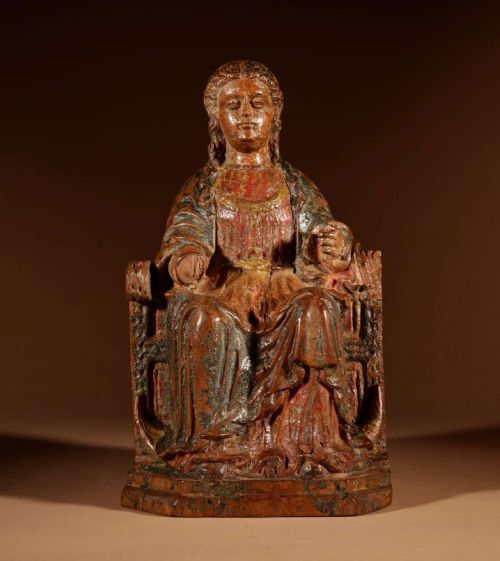
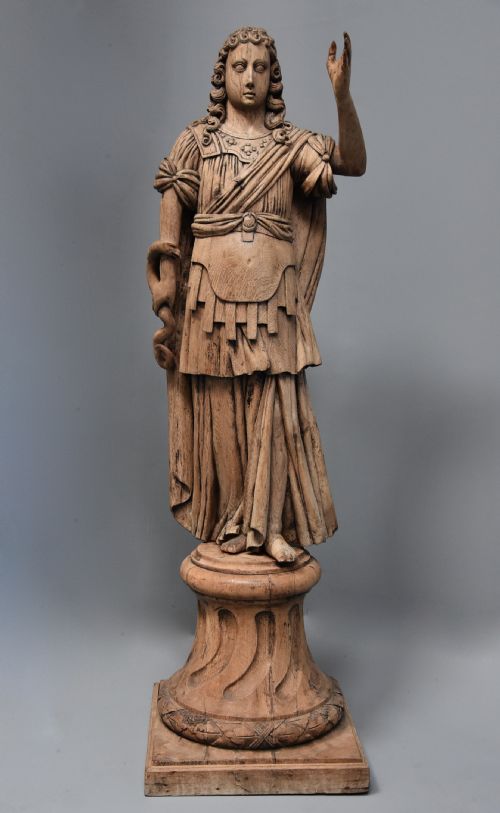
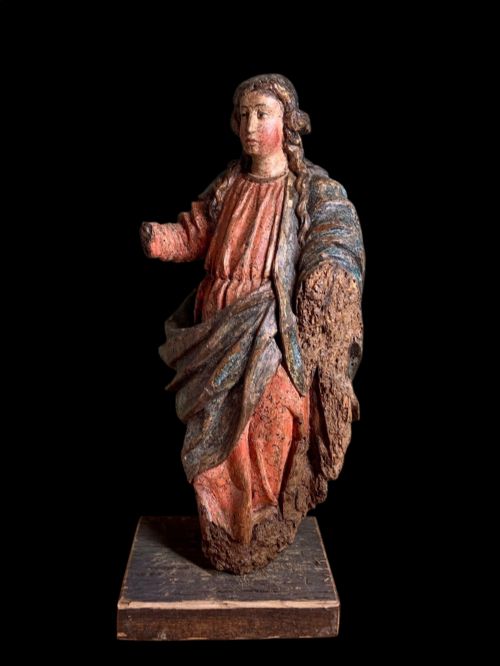
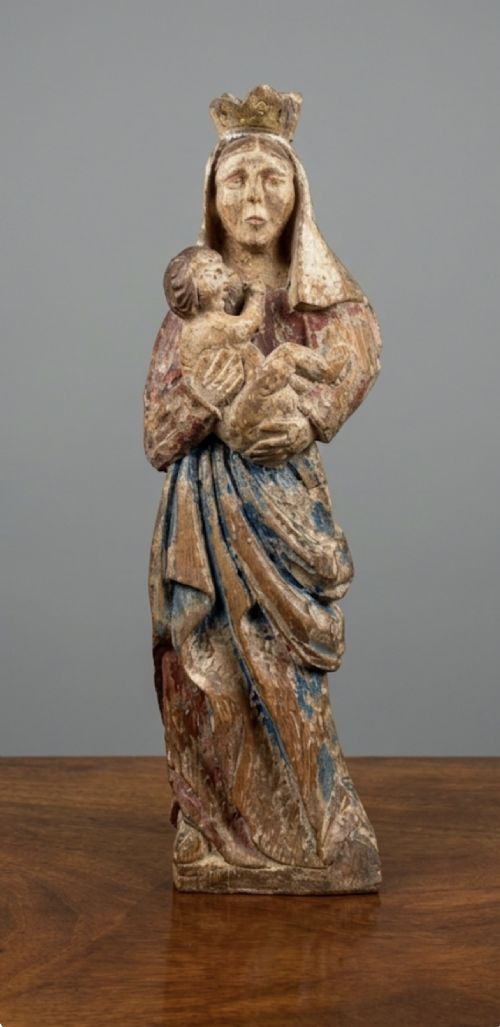
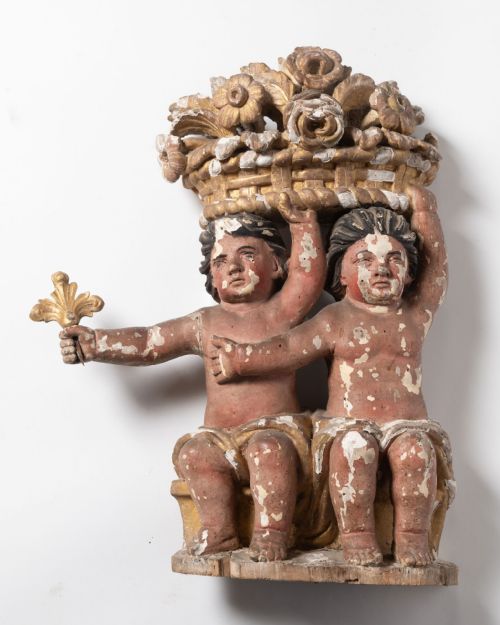
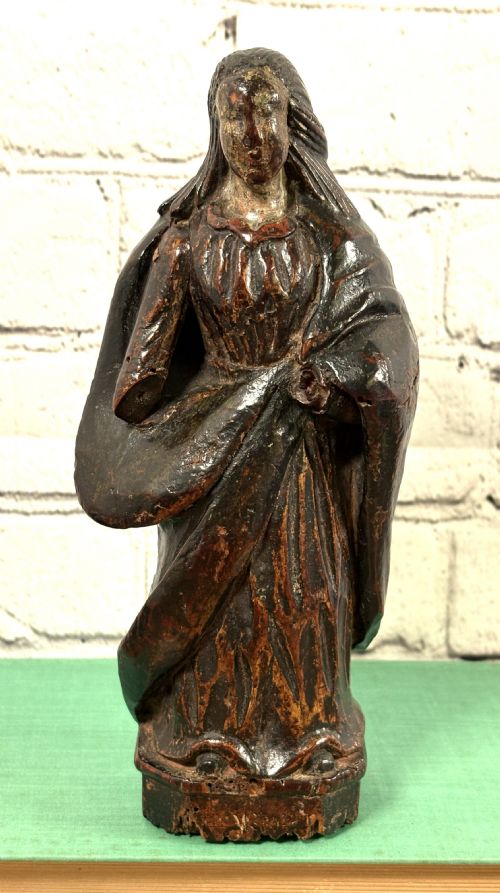
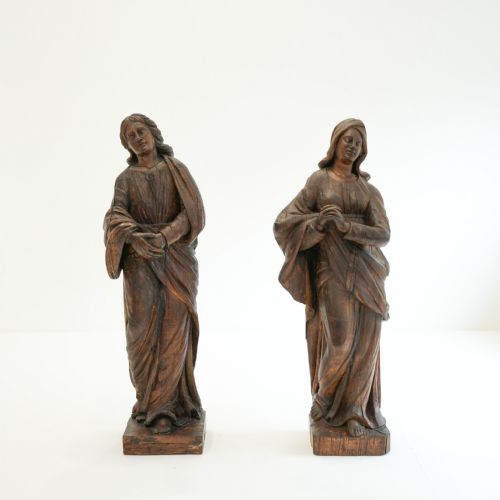
A continental wood carving figure represents religious devotion, secular character or decorative ornament originating from European workshops. Buyers seeking a continental wood carving figure typically encounter representations of saints, Madonnas, cherubs and historical figures shaped from solid timber.
The selection ranges from pre-sixteenth century medieval sculptures to nineteenth century interpretations. Oak, walnut, limewood and pine form the physical basis for these figures, which often retain traces of historic paint, gesso or gold leaf.
Religious sculptures dominate the earlier periods, depicting figures such as Saint Jerome, Saint Barbara and various representations of Christ and the Virgin Mary. Later examples extend into secular subjects, decorative animals and architectural lighting elements.
Materials and carving techniques
Many surfaces received a preparation layer of gesso before painters applied polychrome pigments, silver or gold leaf. This layered treatment protected the timber while adding rich colour and luminosity to ecclesiastical and domestic figures.
Several figures maintain a watchful gaze accompanied by diminutive cherubs perched directly at their feet.
Quality variations in historic carvings
The preservation of original surface treatments, such as early polychrome paint or gilding, alters the desirability of a piece. Intact historic finishes provide authentic visual context that later overpainting or stripping obscures.
The Continental Wood Carving Figure Glossary
- Polychrome
- Painted in several colours. This term describes historic wood figures decorated with pigmented layers over a gesso ground.
- Gesso
- A plaster mixture used as a base for painting or gilding on wood. Carvers applied this substance to smooth timber surfaces before adding colour or gold leaf.
- Socle
- A short plinth or pedestal supporting a statue or candlestick. Many standing figures and carved lamps mount directly onto these bases.
- Santos
- A carved figure of a saint. These devotional statues frequently originate from Italian or Spanish traditions and often display articulated limbs or specialised vestments.
- Limewood
- A fine-grained timber favoured by European carvers. The soft yet firm consistency of lime permits intricate undercut details without splitting.
Continental Wood Carving Figure: Frequently Asked Questions
How old are these wood carvings?
The pieces span from pre-sixteenth century medieval examples up to the twentieth century. Most items date from the sixteenth, seventeenth and eighteenth centuries.
Stylistic shifts in drapery, hair and facial carving help distinguish earlier gothic and renaissance pieces from later baroque and nineteenth century revivals.
What woods were used for continental figures?
Carvers selected regional hardwoods and softwoods depending on local availability and workshop traditions. Oak and walnut appear frequently in earlier pieces, whilst limewood and pine offered fine grain for intricate work.
Applewood and general hardwoods also support specific regional sculptural styles across Europe.
Did these figures have original paint?
Many ecclesiastical figures received gesso layers followed by polychrome pigments, silver or gold leaf. These finishes enhanced visibility in dim chapels and churches.
Surviving traces of early paint or gilding indicate how the pieces originally appeared before centuries of wear or subsequent cleaning altered the surfaces.
How were figures displayed originally?
Religious sculptures often stood on plinths, altars or brackets within churches, or formed part of larger architectural altarpieces. Some items served as candle-bearing figures or acolyte candlesticks.
Later domestic examples transitioned into tabletop lamps, decorative objects or standalone mantel sculptures.