


Continental Walnut Commode
A continental walnut commode brings substantial European elegance and rich timber tones into a room.
What They Are
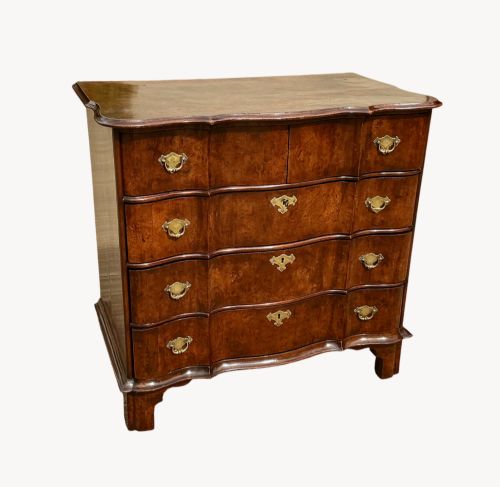
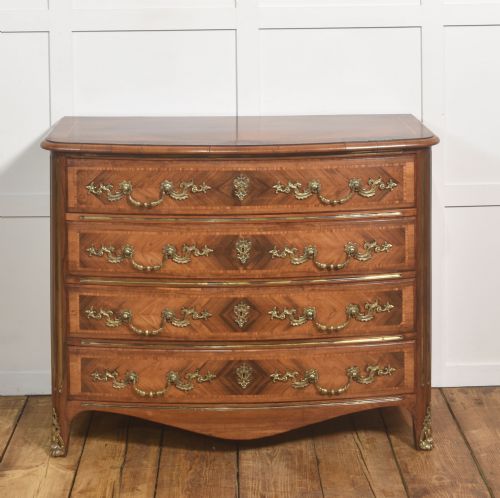
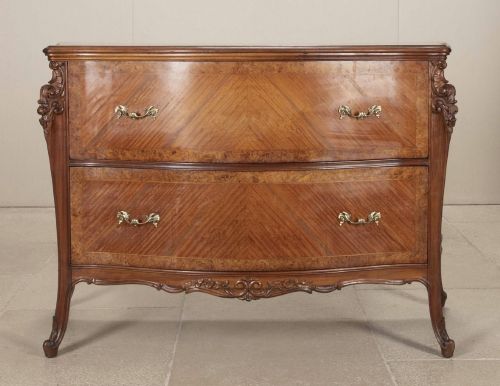
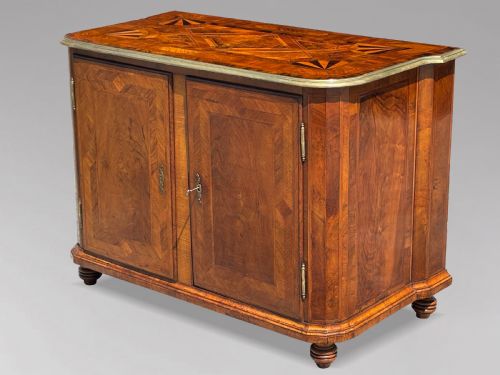
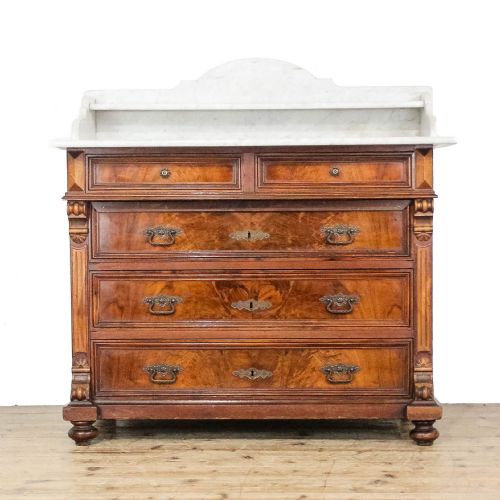
A continental walnut commode represents a grand tradition of European cabinet-making, offering generous drawer storage coupled with sculptural form. These pieces emerge from various regions including France, Italy, Austria, Sweden, and Germany, spanning the eighteenth and nineteenth centuries.
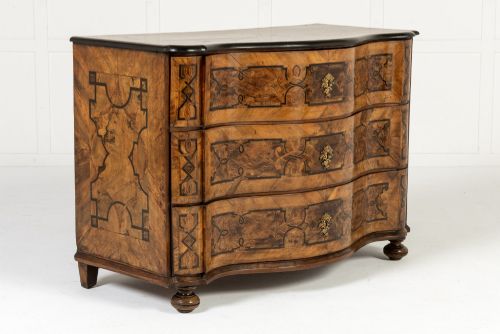
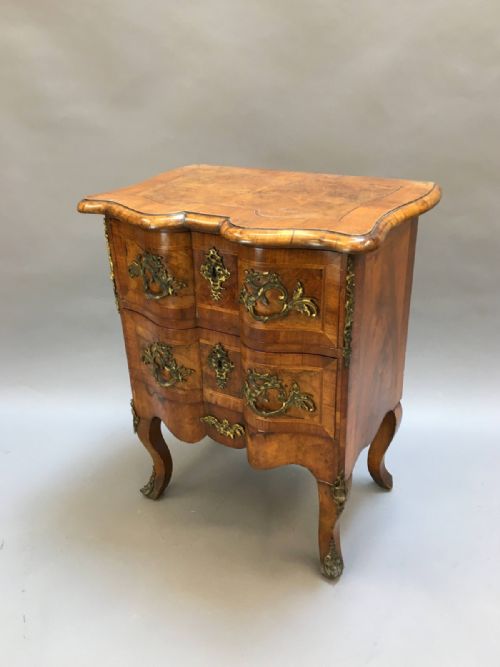
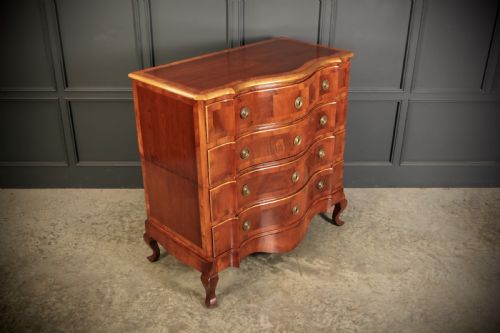
The silhouettes range from disciplined neoclassical lines to exuberant rococo and baroque curves, including bombГ© profiles and serpentine fronts. Most examples function primarily as practical chests of drawers while serving as focal points in reception rooms and bedrooms.
Buyers encounter forms that showcase figured veneers and crossbanding, reflecting the distinct aesthetic preferences of continental workshops. The surviving pieces demonstrate the enduring utility and decorative impact of these historic chests.

How They Were Made
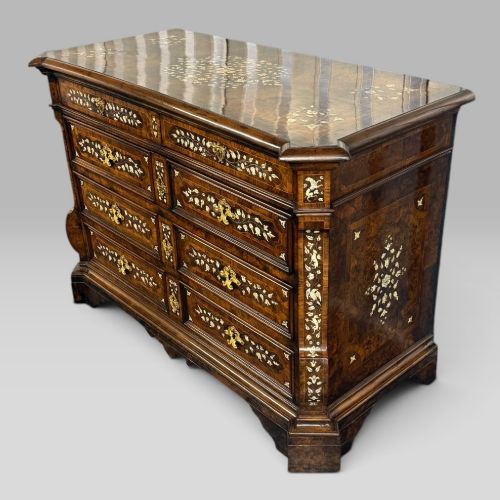
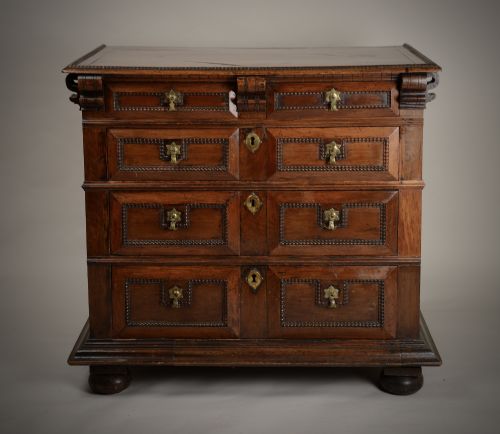
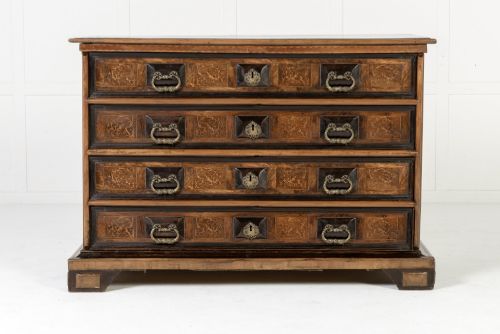
Cabinet-makers built these commodes using solid timbers like oak for structural carcasing, overlaid with choice veneers of plain and burr walnut, fruitwood, and birch. Craftsmen applied fruitwood inlay to create geometric or floral patterns across the drawer fronts and surfaces.
Brass handles, escutcheons, and mounts furnished the drawers and corners, providing functional hardware that complemented the warm brown hues of the walnut. The skilled manipulation of wood grain, particularly the use of directional crossbanding, created visual depth and contrast.
Retail Price Guide 2026
Typical UK retail prices for continental walnut commode, calculated from the Sellingantiques database of over a million retail prices indexed since 2003. This retail price guide relies exclusively on Sellingantiques data; no external sources or auction records are used, so the figures do not describe the wider market.
The listings span the eighteenth and nineteenth centuries, featuring walnut, burr walnut, fruitwood, oak, and brass across various regional styles.
What Varies in Quality
The distinction between ordinary and exceptional pieces lies in the ambition of the silhouette and the selection of the timber. Highly figured burr walnut and intricate fruitwood inlay elevate the visual presence of a commode.
Mastery of form determines the success of serpentine and bombГ© shapes, where fluid lines require advanced joinery and carving skills. The integration of original brass mounts and the preservation of surface patina complete the hierarchy of quality.

The Continental Walnut Commode Glossary
- Commode
- A low chest of drawers originating in France during the seventeenth century. The term applies broadly to decorative European chests designed for domestic storage.
- BombГ©
- A swelling, outward-curving furniture profile popular in continental baroque and rococo design. This undulating form requires specialised shaping of both wood and veneer.
- Burr Walnut
- Timber taken from the warted growths on walnut trees, yielding highly figured and swirling grain patterns. Cabinet-makers used these veneers on primary display surfaces.
- Crossbanding
- A decorative border technique where strips of veneer are laid perpendicular to the main grain. This frames the drawer fronts and top panels of better furniture.
- Serpentine
- A furniture front or edge shaped with a central convex curve flanked by two concave curves. The gentle S-curve adds movement and sophistication to case pieces.
Frequently Asked Questions
How do I style a commode at home?
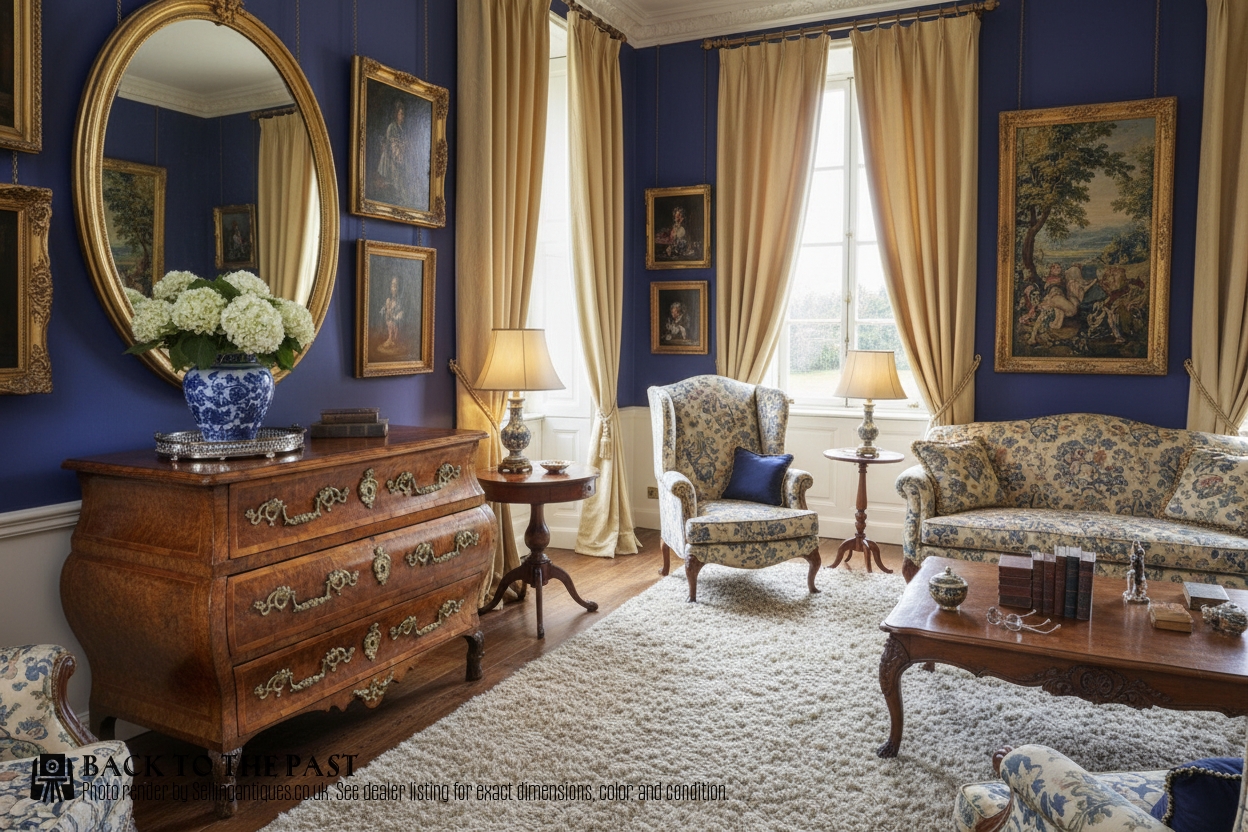
These chests work exceptionally well in living rooms, hallways, or bedrooms as statement storage pieces. Their rich timber tones pair comfortably with both traditional and contemporary interiors.
Placement against a plain wall allows the sculptural silhouette and figured grain to command attention without visual competition.
How do I tell regional styles apart?
Regional differences appear in the silhouette and decorative details of the woodwork. Swedish and Austrian pieces often display lighter birch elements or baroque proportions, while French and Italian examples lean toward fluid rococo curves.
Examining the secondary woods used inside the carcass also helps determine the likely country of origin.
What maintenance do these chests need?
Historic walnut furniture benefits from stable indoor humidity and protection from direct sunlight to preserve the wood and veneers. Occasional application of appropriate wax maintains the lustre of the finish.
Gentle dusting with a soft cloth prevents accumulation without disturbing the historic surface patina.