




Continental Porcelain Ornament
These continental porcelain ornaments bring character to a room, ranging from detailed figures to decorated vases crafted across European kilns.
Continental Porcelain Ornament
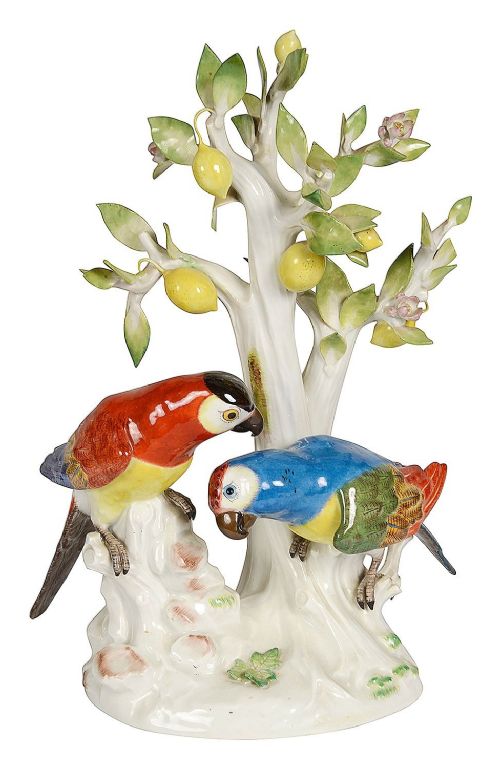
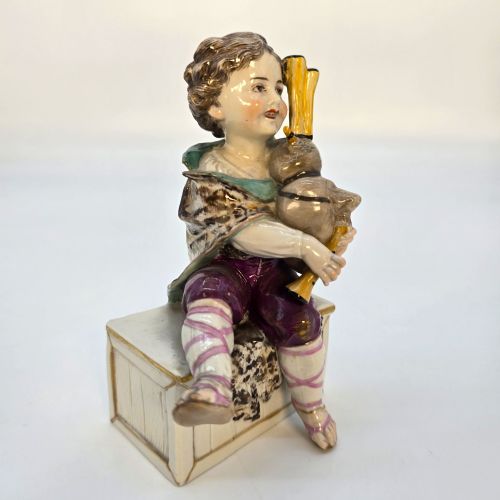
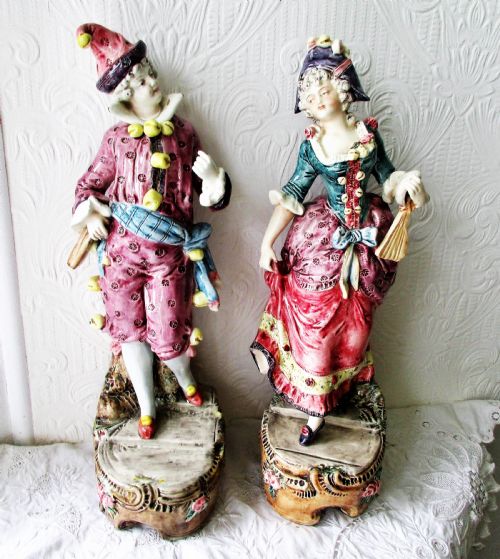
A continental porcelain ornament is a decorative piece shaped in European factories, most commonly taking the form of figures, pairs, or groups. When you examine these items, you meet various depictions ranging from allegorical subjects and pastoral scenes to individual animals and human characters.
The selections span distinct periods, drawing heavily from eighteenth-century models as well as nineteenth-century revivals. German and French factories dominate the origin points, producing works that vary from small cabinet figures to substantial pairs complete with original glass domes.
Materials and production methods
Hard-paste porcelain and bisque porcelain serve as the primary foundational materials for these ornaments, shaped either through manual modelling or press-moulding techniques. Bisque pieces remain unglazed to present a matte, marble-like surface, whereas glazed variants receive protective coatings before firing.
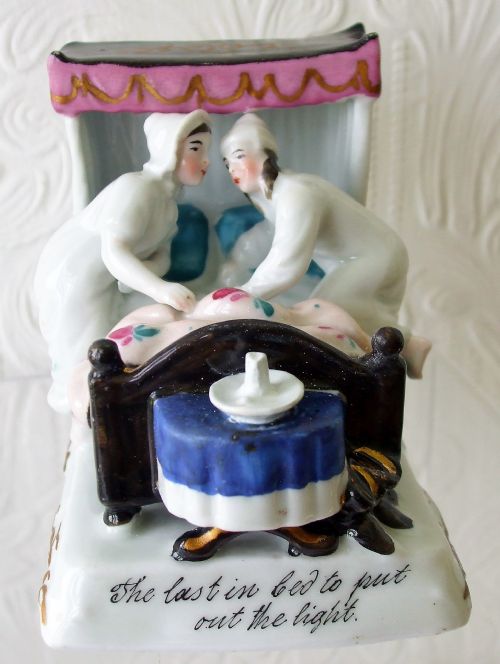
German fairings preserved domestic humour by capturing scenes like the last person in bed putting out the light.
Distinctions in quality
The complexity of the composition also separates standard items from finer works. Multi-figure groups with intricate undercuts and detailed bases require advanced kiln management and skilled hand assembly before firing.
Meissen·Volkstedt Rudolstadt Factory·Samson of Paris·Vion et Baury·Royal Dux
The Continental Porcelain Ornament Glossary
- Bisque porcelain
- Unglazed ceramic material fired to a hard, matte finish that resembles marble. This surface absorbs light differently than glazed porcelain, highlighting fine sculptural details.
- Hard-paste porcelain
- A durable ceramic compound made from kaolin and petuntse fired at high temperatures. It forms the robust body typical of traditional European figures.
- Gilt
- A thin layer of gold applied to the surface of the porcelain for decoration. It is often used to accent garments, bases, and decorative trim.
- Schneeballen
- A German decorative technique featuring dense clusters of small applied porcelain flowers. This method completely covers surfaces like vase bodies and lids.
- Fairing
- A small, humorous ceramic ornament popular during the Victorian era. These pieces often depict domestic scenes with droll captions along the base.
Continental Porcelain Ornament: Frequently Asked Questions
How do I display these ornaments safely?
Place figures on stable, level surfaces away from direct sunlight and heavy traffic areas. Selecting spots with consistent indoor temperatures helps protect older enamel and gilt decorations.
For delicate pieces with applied flowers or thin appendages, enclosed cabinets or glass domes offer physical protection from accidental bumps and dust accumulation.
What is the difference between bisque and glazed porcelain?
Bisque porcelain is fired without a glassy outer coating, leaving a porous, matte texture similar to carved marble. Glazed porcelain receives a liquid glass coating before its final firing, creating a shiny, waterproof finish.
Glazed surfaces make cleaning straightforward with a damp cloth, while unglazed bisque requires gentle dusting with a soft brush to prevent dirt embedding in the matte texture.
How do I clean antique porcelain ornaments?
Dust these decorative objects regularly using a dry, soft-bristled artist brush to clear away particles without applying pressure. Avoid using harsh chemical cleaners or submerging pieces with old gilt or enamel.
If washing is necessary for glazed items, use lukewarm water with mild soap, support the base with both hands, and dry immediately with a lint-free cloth.
Are these pieces hand painted?
Many European figures and vases feature hand-applied enamels and gold leaf executed by skilled decorators after the initial high-temperature firing. Artisans painted fine details such as eyes, clothing patterns, and floral arrangements individually.
Close inspection often reveals subtle brushstrokes and minor variations between identical model numbers, confirming the manual contribution to the finished decoration.