




Compact Wooden Writing Table
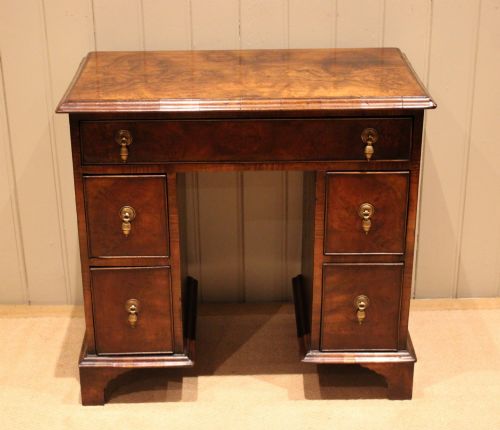
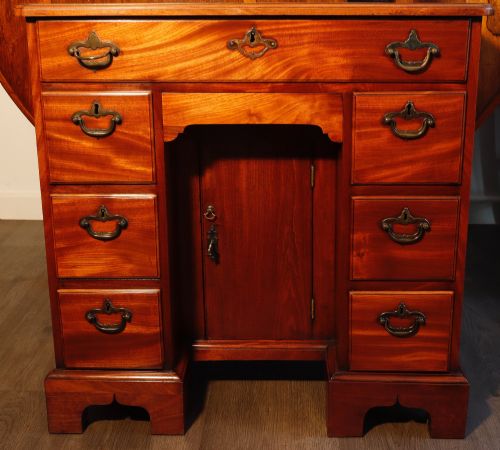
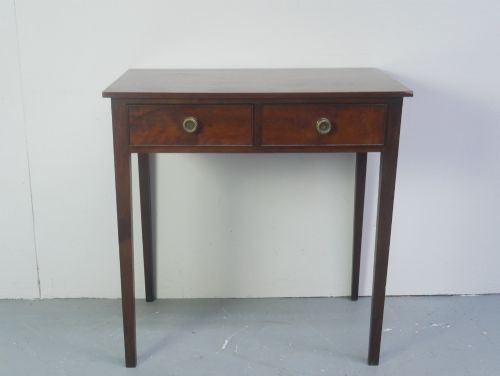
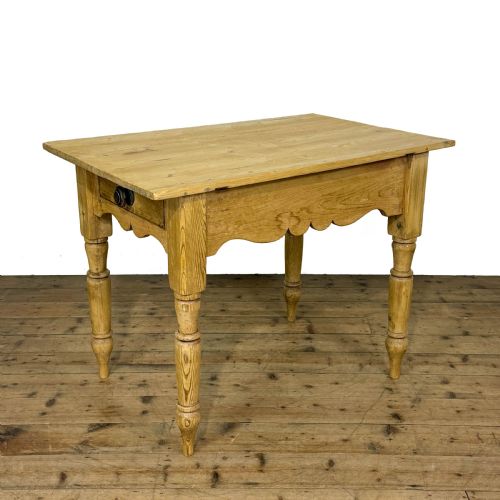
A compact wooden writing table is a smaller scale workspace built for modest rooms, offering a practical surface and drawers without dominating a floor.
Compact Wooden Writing Table
A compact wooden writing table provides a dedicated surface for correspondence and study while fitting easily into smaller domestic spaces. When you search for a compact wooden writing table, you encounter pieces designed for modest chambers rather than grand libraries.
The selections span multiple eras, including pieces from the Georgian and Victorian periods alongside later items from nineteen-ten and nineteen-twenty. Forms range from pedestal desks and library tables to bonheur du jour variants and work tables.
Mahogany and oak appear frequently among the materials, alongside burr walnut, pine, satinwood, and rosewood. These woods give each desk a distinct grain and weight suited to everyday utility.
How they were made
Cabinet makers constructed these tables primarily from solid timbers like mahogany, oak, and pine, often applying figured veneers such as burr walnut to the outer surfaces. Joinery techniques ensured sturdy frames capable of supporting writing surfaces and internal drawer compartments.
Secondary materials like brass hardware and leather inserts provided functional contrast and durability. Satinwood interiors frequently lined smaller compartments within davenports and bonheur du jour desks.
One listed piece is recorded specifically as a ship's purser's desk, built for tight marine quarters.
What varies in quality
The standard of timber selection and secondary woods defines the upper tier of these tables. Finely figured veneers and well-matched grain patterns separate ambitious cabinet work from simpler utilitarian pieces.
Internal organisation and secondary details, such as satinwood fitted interiors or specialised slide fronts, indicate the level of craftsmanship invested in the construction. Intricate hardware and precise joinery further distinguish finer examples.
Heals
The Compact Wooden Writing Table Glossary
- Bonheur du jour
- A light ladies writing desk featuring a small cabinet or set of drawers on the upper surface. This form became popular during the eighteenth and nineteenth centuries.
- Davenport desk
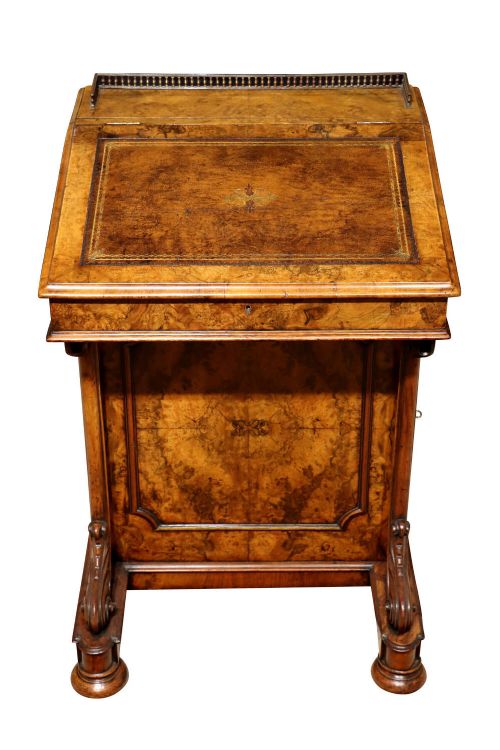
- A compact pedestal desk featuring a sloping top for writing and drawers opening to the side. The interior often contains small pigeonholes and satinwood fittings.
- Pembroke table
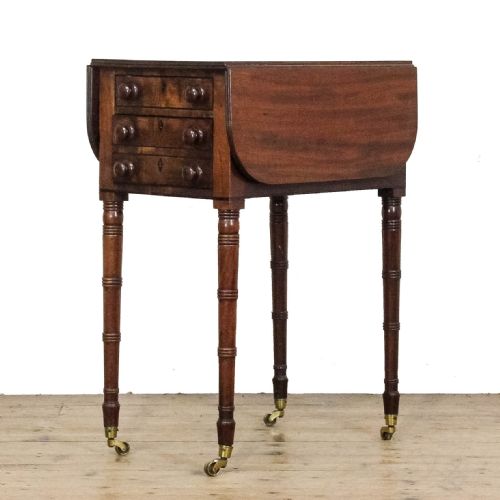
- A small table with hinged drop leaves on either side, often fitted with a single drawer. They served varied domestic functions including writing and needlework.
- Pedestal desk
- A heavy writing table supported by two structural columns of drawers. Smaller scaled versions appear within nineteenth-century manufacturing.
- Library table
- A freestanding table designed for the centre of a room, featuring kneehole space and drawers beneath the top. These pieces use timber finished on all sides.
Compact Wooden Writing Table: Frequently Asked Questions
Where should I place a compact wooden writing table?
These smaller desks fit easily into alcoves, bedrooms, or living rooms where a full-sized partner desk would overwhelm the floor plan. Their modest footprints allow them to function as secondary workspaces or display surfaces.
Position the table near a natural light source to make best use of the writing surface. Ensure clearance for chairs or stools so the piece remains comfortable for daily use.
How do I care for the leather writing surface?
Many antique desks feature inset leather panels that require gentle treatment to prevent drying and cracking. Dust the surface regularly with a dry cloth and avoid harsh chemical cleaners.
Feed the leather periodically with a suitable balm or wax recommended for antique hides. Keep liquids away from the edges where moisture might seep beneath the wood surround.
What is the difference between a davenport and a bonheur du jour?
A davenport is a compact pedestal desk featuring a sloping desktop that lifts to reveal storage, with drawers accessed from the side. They offer a heavy, self-contained writing station.
A bonheur du jour is a lighter table featuring a superstructure of small drawers and shelves above the main writing surface. These pieces emphasise decorative refinement and delicate proportions.
Can I use a antique writing table every day?
Most surviving tables were built for daily service using robust timbers like oak and mahogany. Standard use for modern writing or laptop placement aligns well with their original purpose.
Take care to use coasters for drinks and pads for writing to protect historic wooden surfaces from rings and scratches. Regular polishing helps maintain the protective finish against everyday wear.