


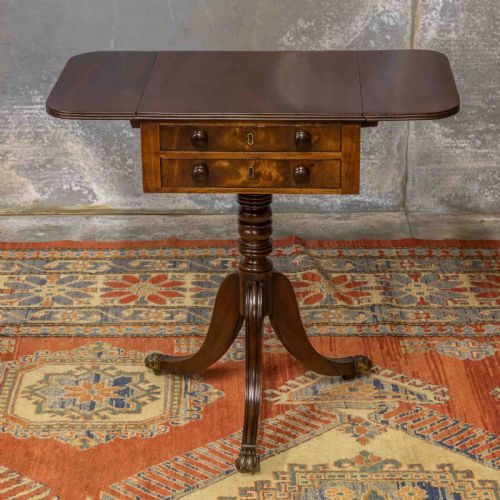


Nineteenth Century Worktable
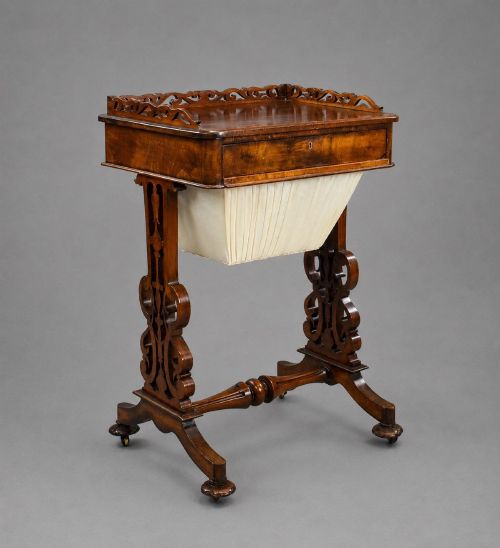
A nineteenth century worktable brings refined domestic utility into a modern room, offering compact storage alongside a distinctive period surface.
Nineteenth Century Worktable
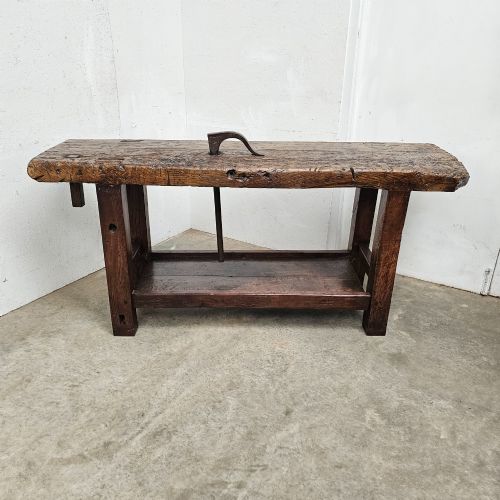
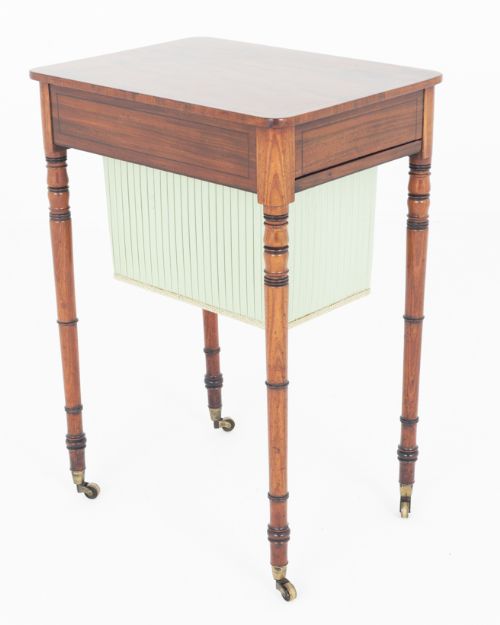
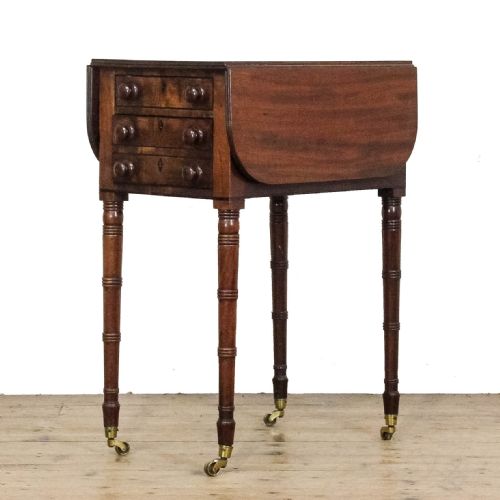
When you search for a nineteenth century worktable, you are looking at specialised occasional furniture designed for needlework, writing, and small domestic tasks. The pieces listed on this page encompass various forms such as sewing tables, workboxes, occasional tables, and side tables, alongside heavier craft variants like workbenches.
The versions you are most likely to meet span the Victorian and Regency periods, frequently executed in mahogany, walnut, burr walnut, and rosewood. These items often feature integrated storage compartments, drop leaves, or pedestal bases tailored for domestic interiors.
The selection also includes regional and rustic iterations, such as French oak craftsmen's workbenches and country pine and elm tables. This mix reflects both formal drawing room pieces and utilitarian workshop furniture from the same broader era.
How they were made
Cabinet makers utilised dense hardwoods like mahogany and walnut, frequently selecting burr walnut veneers to create decorative figured surfaces on tops and drawer fronts. Secondary timbers such as pine appeared in hidden structural locations.
Construction techniques incorporated pedestals, turned legs, and specialised joinery suited to housing internal storage compartments for sewing equipment and writing materials. Metal elements like brass hardware provided functional and decorative accents.
Rustic pieces relied on robust joinery using oak, elm, and forged iron to withstand heavy daily use in workshops and kitchens.
Some Victorian sewing tables include secretive little wells designed specifically for hiding unfinished darning from polite society.
What varies in quality
The selection of timber grain sets the visual standard, with highly figured burr walnut and carefully matched mahogany veneers marking out finer pieces. Lesser examples rely on plain stained timbers or simpler construction.
Complexity of internal fittings and the refinement of carving or inlay determine the standing of an individual piece. Worktables with elaborate fitted interiors and sophisticated pedestal bases represent the higher tier of production.
French workshops
The Nineteenth Century Worktable Glossary
- Worktable
- A small table equipped with drawers, bags, or compartments designed for holding sewing implements or writing materials. These pieces served domestic purposes in nineteenth century drawing rooms and boudoirs.
- Pembroke table
- A small table featuring two hinged drop leaves on opposing sides. It often includes one or more drawers and sits on four legs.
- Pedestal table
- A table supported by a central column rising from a footed base. This design is common in Regency and Victorian worktables.
- Burr walnut
- A prized timber veneer obtained from the Burl growths of walnut trees. It exhibits swirling, highly decorative grain patterns.
- Parquetry
- A geometric mosaic of wood pieces used for decorative surfaces on tabletops. It requires precise cutting and fitting of contrasting timbers.
Nineteenth Century Worktable: Frequently Asked Questions
What was a nineteenth century worktable used for?
These tables provided a dedicated surface and enclosed storage for needlework, embroidery, and correspondence in the home. Ladies utilised the internal compartments to keep yarns, threads, and tools organised.
Over time, many of these versatile pieces transitioned into general occasional tables or small side tables in modern living spaces.
How do I identify a Regency worktable?
Regency pieces often display classical architectural influences, featuring cleaner lines, rosewood or mahogany timbers, and sophisticated brass mounts. They typically date from the early part of the nineteenth century.
By contrast, later Victorian examples frequently showcase heavier proportions, burr walnut veneers, and more ornate turnings or trumpet-shaped bodies.
Can I use a worktable as a bedside table?
The compact dimensions and built-in drawers make these tables well-suited for use beside a bed. The enclosed storage keeps personal items neatly out of sight.
Checking the height of the specific table ensures it matches standard modern mattress levels for comfortable access.
What is a trumpet workbox?
A trumpet workbox is a Victorian form featuring an octagonal or flared body that widens toward the top, resembling a musical instrument. It usually stands on a carved tripod base and opens to reveal fitted compartments.
This specific silhouette became popular during the mid nineteenth century, particularly in burr walnut.