




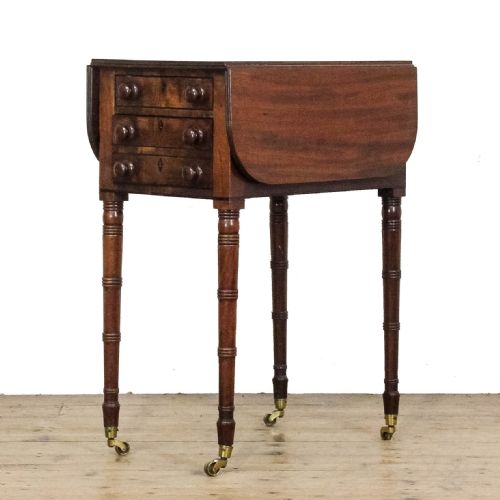


Compact Wooden Drop Table
A compact wooden drop table gives you a folding surface that tucks away easily when floor space is at a premium.
Compact Wooden Drop Table
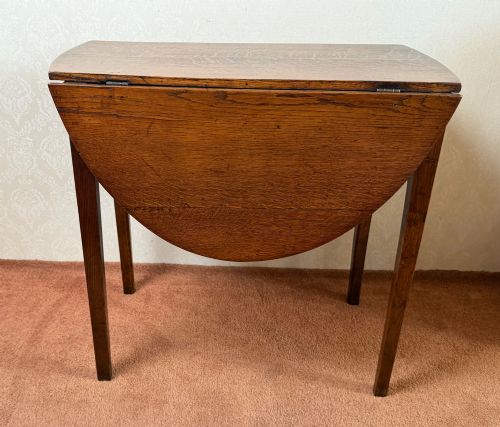
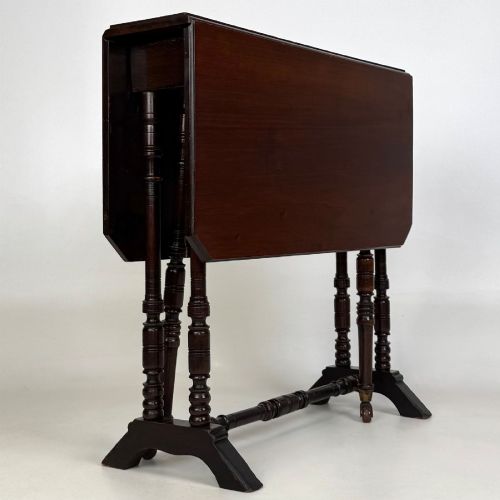
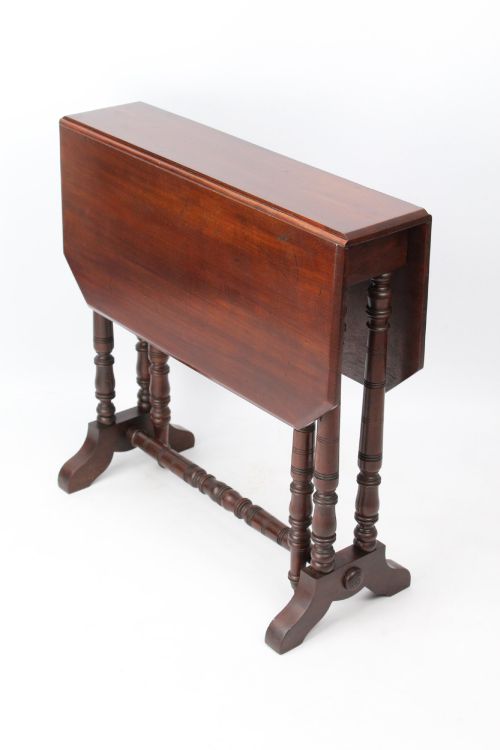
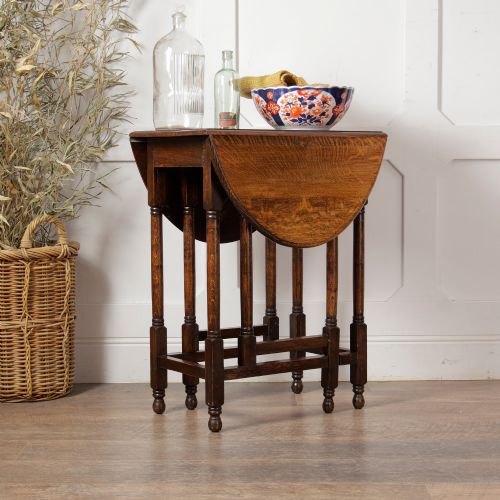
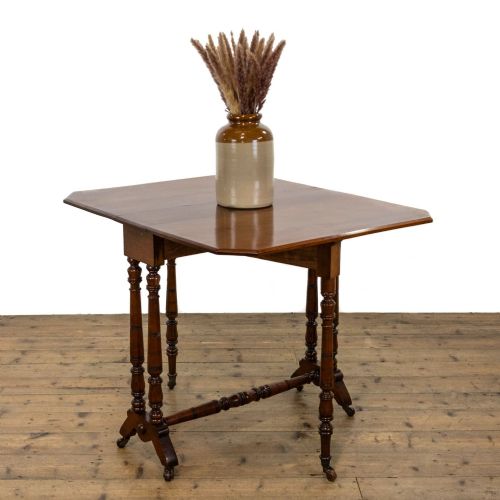
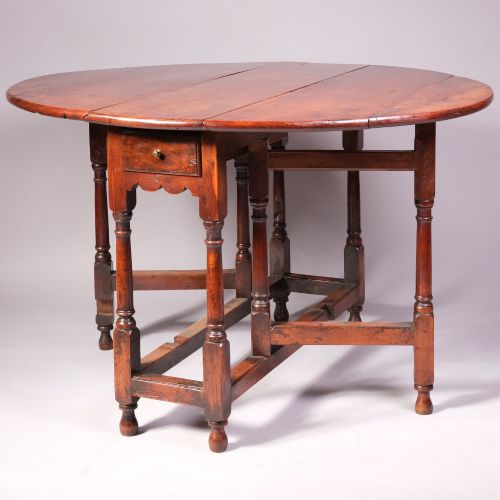
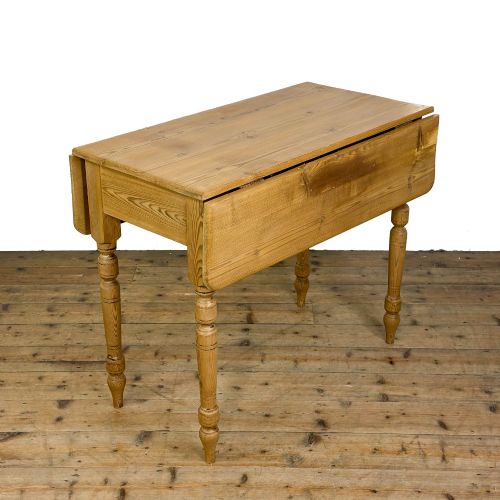
A compact wooden drop table is a versatile space-saving item designed to expand when needed and fold flat for storage. When you search for a compact wooden drop table, you will encounter various forms including Sutherland tables, gateleg designs, and Pembroke tables.
The pieces listed span multiple eras from the 18th century through the Victorian and Edwardian periods up to the 1920s and 1930s. Sutherland tables and gateleg tables dominate the selection, offering narrow profiles that open out into dining or occasional surfaces.
Woods such as mahogany, oak, walnut, and yew feature prominently alongside painted pine variants. These tables served domestic purposes in cottages, dining rooms, and parlours, adapting to rooms of limited proportions.
Materials and construction
Cabinet makers built these tables predominantly using solid hardwoods like mahogany, oak, and walnut, frequently incorporating brass hinges and castors. Satinwood banding and delicate inlay work appear on finer Edwardian examples to add decorative contrast.
Gateleg and spider leg mechanisms provide the structural support for the folding leaves, allowing the hinged legs to swing outward and bear weight. Joinery methods relied on traditional pegging and framing to ensure stability despite the moving parts.
Compact Wooden Drop Table Retail Price Guide 2026
Typical asking prices for compact wooden drop table among the pieces listed under this phrase on Sellingantiques today, from the lower quarter to the upper quarter. They describe what is for sale here now, not the wider market.
Listings feature woods including mahogany, oak, walnut, satinwood, and pine across Victorian, Edwardian, and 18th-century periods.
Assessing craftsmanship and finish
The refinement of the timber selection dictates the overall calibre, with finely grained mahogany or figured walnut standing apart from utilitarian pine. Superior examples feature crisp inlay, tight joints, and well-balanced folding leaves that align evenly when closed.
The integrity of the pivot points and leg hinges determines how smoothly the table operates over time. Tables retaining their original brass hardware and polished patination demonstrate careful stewardship and superior initial manufacture.
The Compact Wooden Drop Table Glossary
- Sutherland table
- A narrow style of drop-leaf table featuring exceptionally slender legs and leaves that drop almost vertically when folded. It was invented during the Victorian era to maximise floor space in smaller rooms.
- Gateleg table
- A table with hinged leaves supported by one or more legs that swing out like a gate. This construction provides robust support for the extended flaps.
- Pembroke table
- A rectangular occasional table with two hinged drop leaves on opposite sides. It often includes one or two small drawers and slender tapering legs.
- Spider leg
- A descriptor for tables fitted with exceptionally thin, turned wooden legs joined by low stretchers. This design creates a delicate appearance while supporting a folding top.
- Inlay
- A decorative technique where contrasting woods or materials are embedded into the primary surface of the furniture. Edwardian makers frequently utilised satinwood for this purpose.
Compact Wooden Drop Table: Frequently Asked Questions
What is a Sutherland table?
A Sutherland table is a narrow drop-leaf table designed to fold down into a very slim profile for easy storage against a wall.
Victorian and Edwardian makers produced them in large numbers as versatile occasional or tea tables that could quickly accommodate extra guests.
How do gateleg tables work?
Gateleg tables use hinged legs that swing outward from the central frame to support the drop leaves when the table is opened.
This mechanism distributes weight evenly across the structure, turning a compact console into a sturdy dining surface.
Where were these tables used?
These tables served primarily in domestic parlours, small dining rooms, and bedrooms where permanent large furniture would restrict movement.
Their folding design allowed households to adapt living areas throughout the day for dining, working, or entertaining.
How do I identify an Edwardian drop leaf table?
Edwardian examples often feature lighter timbers such as satinwood banding, fine mahogany veneers, and slender turned legs.
They reflect the lighter aesthetic preferences of the early 20th century compared to heavier Victorian counterparts.