
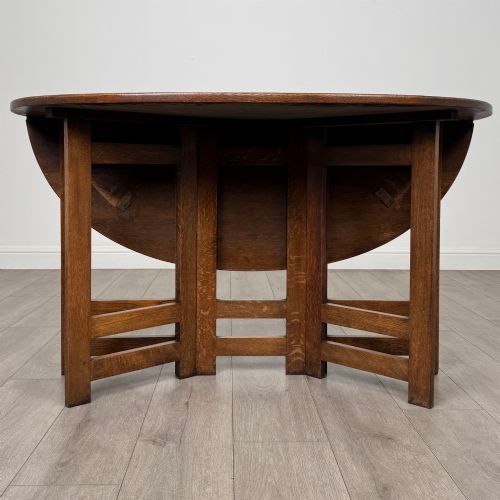

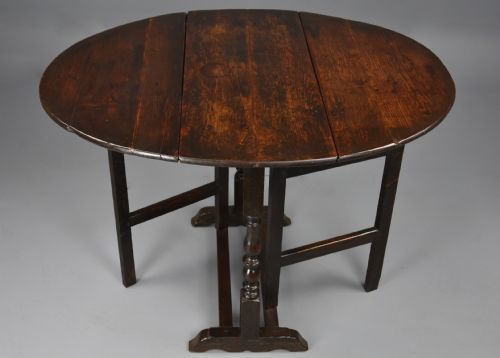
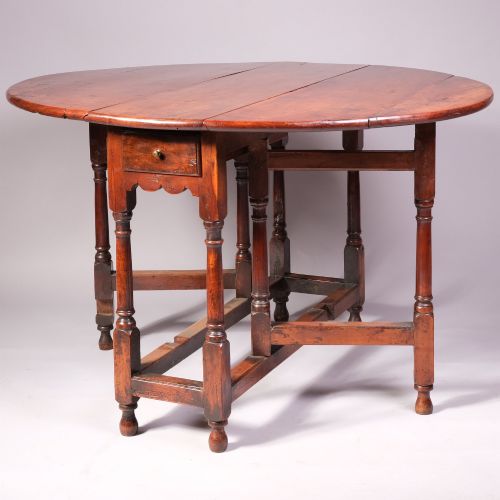
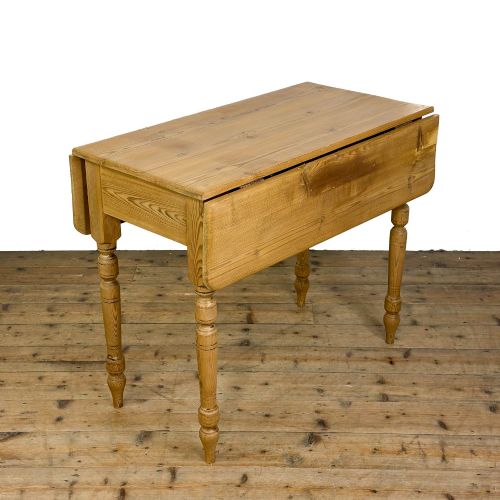
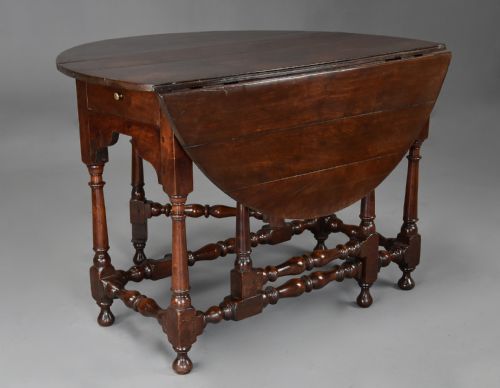
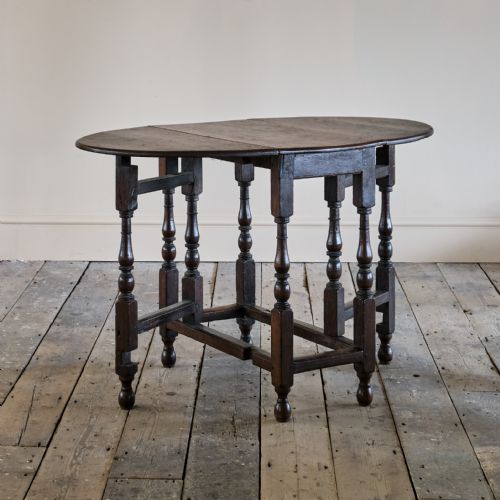
Compact Gateleg Table
A compact gateleg table folds its leaves down to save floor space, then swings its hinged legs out to support a full dining or tea surface.
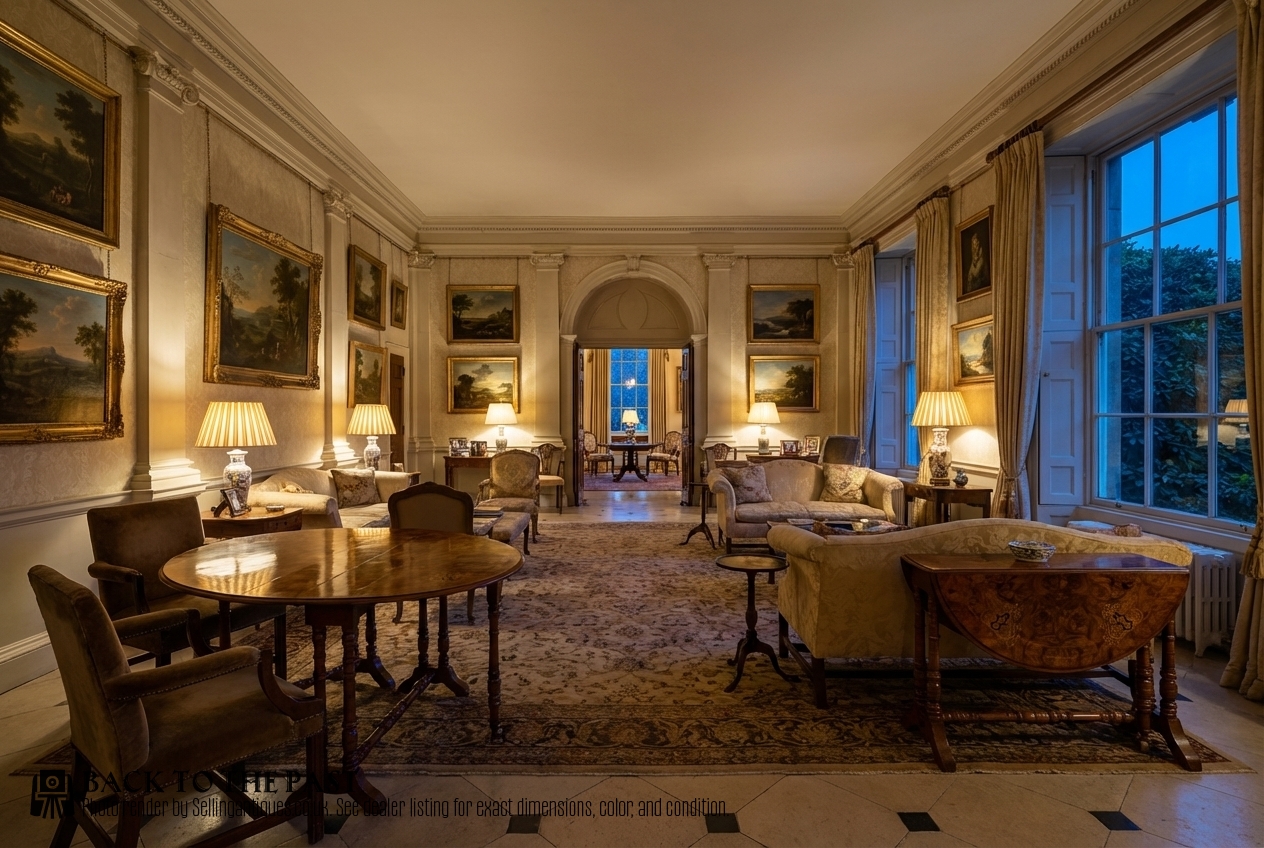
Compact Gateleg Table
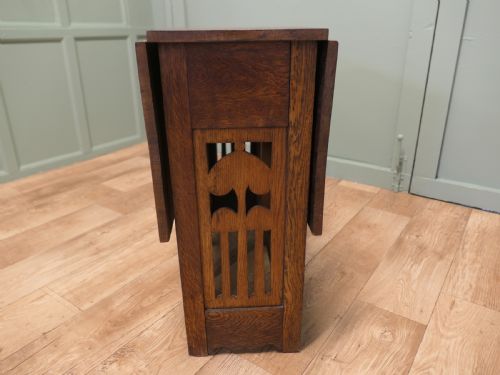
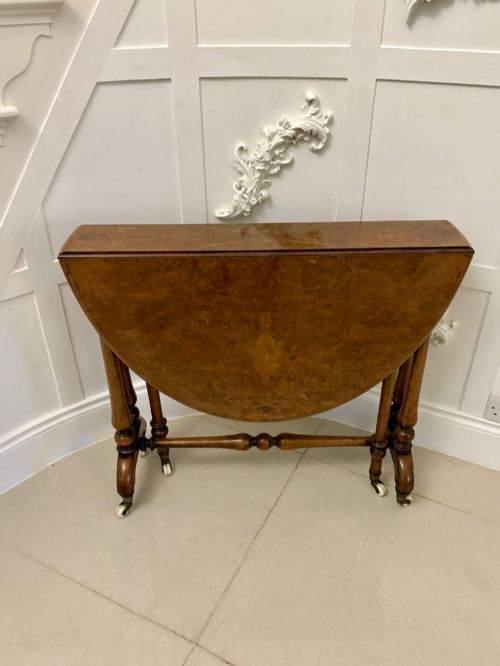
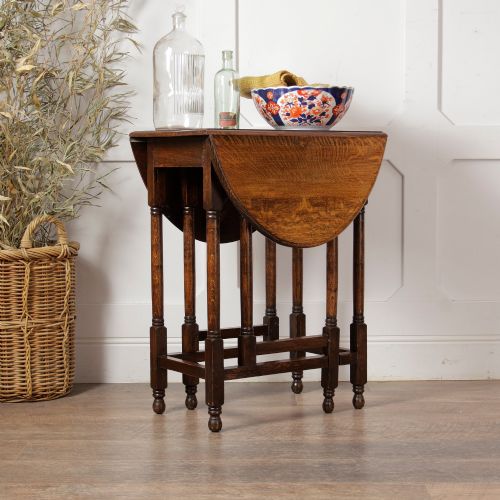
A compact gateleg table offers a clever folding design that shrinks down for tight corners and expands when guests arrive for supper. You will find examples spanning several centuries, ranging from sturdy seventeenth and eighteenth-century timber constructions to lighter Victorian and Edwardian iterations.
The selection on this page relies heavily on oak, mahogany, and walnut versions, often built as small occasional or dining pieces. Makers constructed these drop-leaf tables to maximise utility in smaller rooms without sacrificing a traditional aesthetic.
How they were made
Cabinet makers utilised dense hardwoods such as oak, mahogany, walnut, and yew to ensure the hinged gate legs could bear weight securely over repeated use. Brass hinges and fastenings often provide the structural pivot points for the drop leaves and swinging legs.
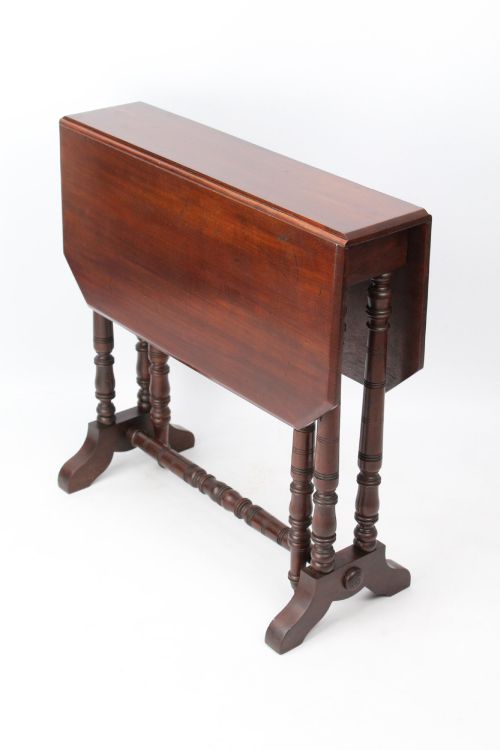
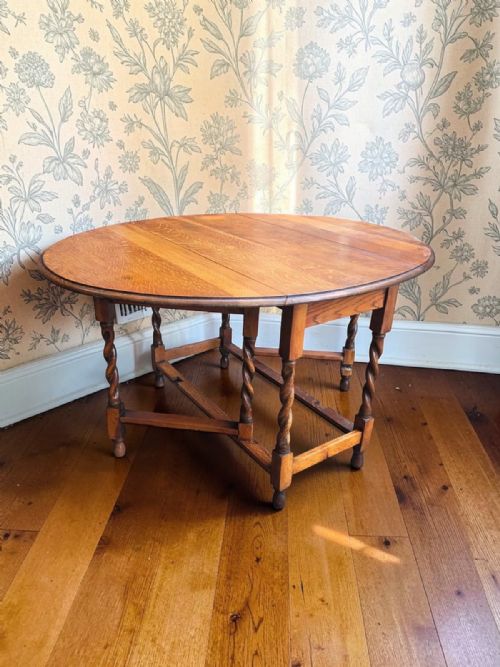
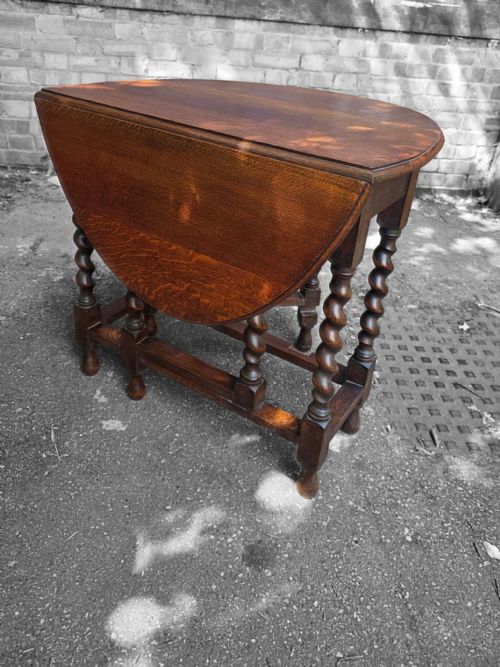
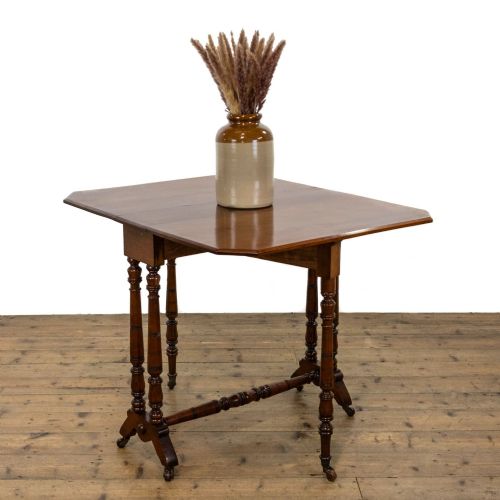
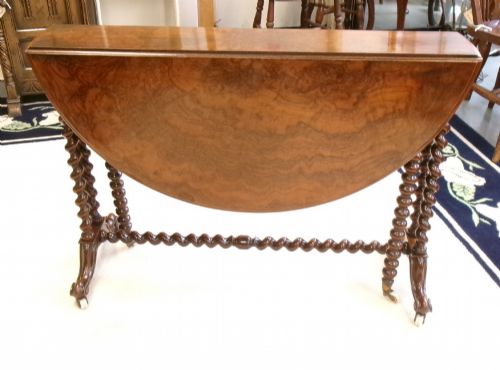
Surface decoration ranges from natural wood grain finishes to inlaid satinwood, marquetry, and rich patination achieved through decades of polishing. Turnery methods varied by era, producing everything from heavy seventeenth-century supports to slender barley twist or spider legs on later Edwardian designs.
Listings for a compact gateleg table span the seventeenth, eighteenth, nineteenth, and twentieth centuries, employing oak, mahogany, walnut, and brass.
What varies in quality
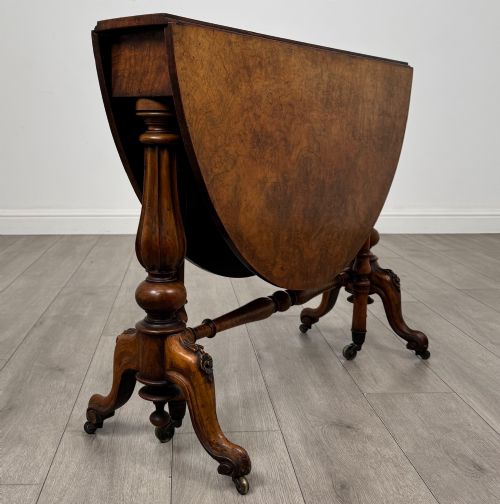
The distinction between ordinary and superior examples often lies in the choice of timber figure, such as highly decorative burr walnut or select mahogany veneers. Construction depth also matters, with finer pieces displaying careful joinery that keeps the drop leaves level when fully extended.
The integrity of the swinging gate mechanism separates well-preserved items from those with excessive wear at the pivot points. Original surface patination and restrained inlay work elevate certain specimens above standard utilitarian furniture.
Maple & Co
The Compact Gateleg Table Glossary
- Gateleg table
- A table with one or two hinged leaves supported by legs that swing out like a gate.
- Sutherland table
- A specific type of drop-leaf table featuring exceptionally narrow leaves and a very slender gate mechanism designed to fold almost entirely flat.
- Barley twist
- A type of wood turnery resembling a spiralling rope, frequently found on seventeenth-century and revival oak furniture.
- Spider leg
- A style of exceptionally thin, delicate table leg used primarily on lightweight occasional and tea tables.
- Patina
- The deep surface sheen and mellow colour acquired by aged wood through decades of handling, light, and waxing.
Compact Gateleg Table: Frequently Asked Questions
How much weight can the folding leaves hold?
The swinging gate legs distribute weight directly to the floor, allowing the leaves to support everyday dining items and tea services securely.
However, it remains wise to avoid leaning heavy body weight on the unsupported outer edges of older drop leaves.
Where should I place a compact gateleg table?
These tables fit easily into narrow hallways, compact kitchens, or against living room walls with both leaves dropped down.
When extra surface area is required, simply pull the table away from the wall and swing the gate legs out to receive guests.
How do I tell an 18th-century table from a later revival?
Early pieces often display hand- cut joinery, peg construction, and deep timber patination developed over centuries of use.
Revival pieces from the Edwardian period or the nineteen-twenties typically feature more uniform machine-sawn components and brighter factory finishes.