
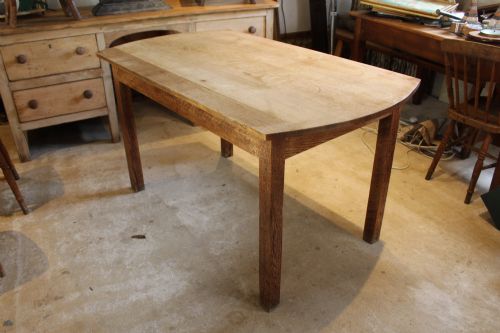
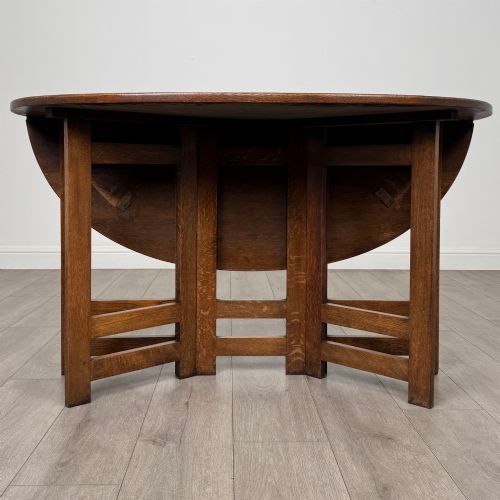
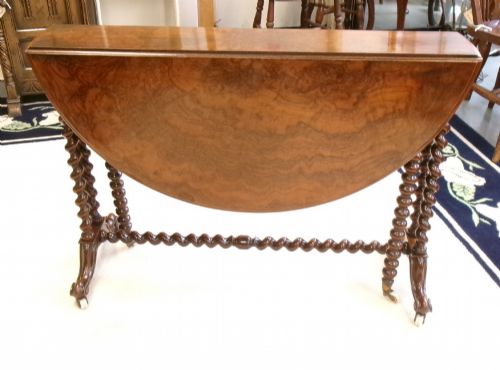


Compact Edwardian Dining Table
A compact Edwardian dining table brings practical dining space to smaller rooms through clever drop-leaf designs and folding gatelegs.
Compact Edwardian Dining Table
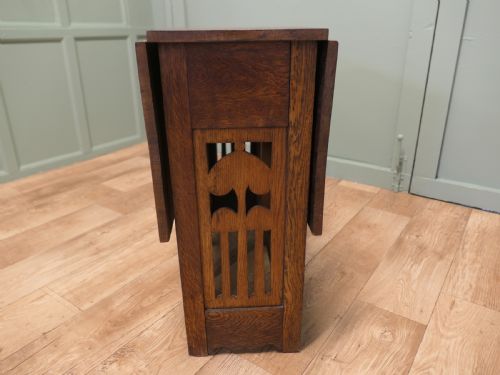
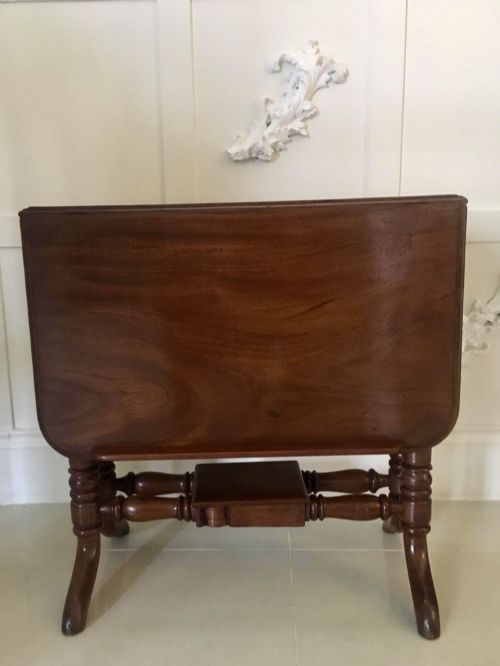
A compact Edwardian dining table is primarily found in forms such as gateleg tables, Sutherland tables, and drop-leaf tables designed to save space while offering functional surfaces. These pieces frequently date from the Edwardian era and surrounding periods, spanning the late nineteenth century through to the nineteen-twenties.
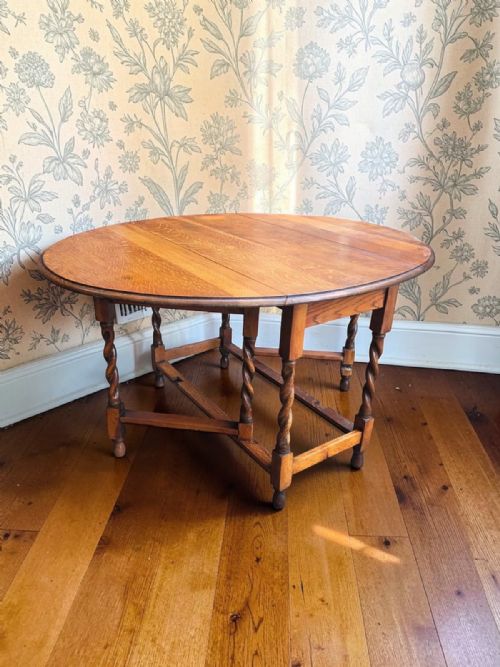
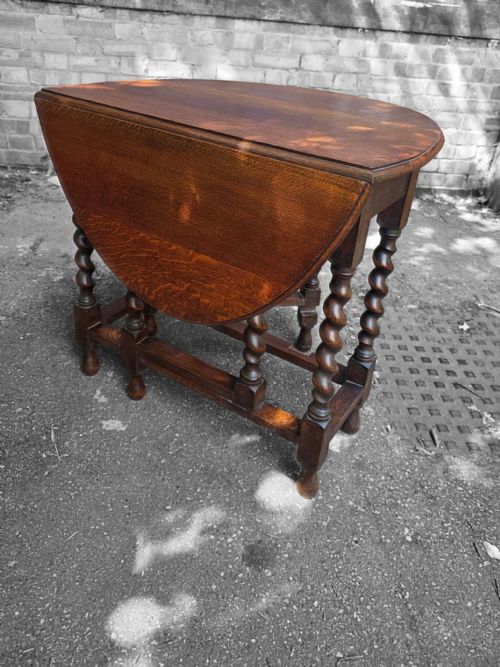
The materials utilised in these tables include oak, mahogany, walnut, burr walnut, and satinwood, often enhanced with banding or turning. Buyers frequently encounter oak gateleg tables with barley twist legs alongside mahogany Sutherland tables designed for flexible placement in domestic interiors.
Originating in periods that valued adaptable furniture, these tables bridge the gap between utilitarian spaces and formal dining. The surviving examples demonstrate how smaller households managed dining arrangements before the advent of modern modular furniture.
How they were made
Carpenters constructed these tables using solid hardwoods such as oak and mahogany, often combining them with turning techniques like barley twist legs and gateleg folding mechanisms. These structural choices allowed drop leaves to fold down neatly when not in use.
Surface decoration involved contrasting timbers such as satinwood banding set into mahogany, alongside natural grain figures highlighted in burr walnut. Brass fittings also appear on specific moving parts, providing durability for everyday domestic use.
Listings span the Victorian and Edwardian eras into the nineteen-twenties, showcasing oak, mahogany, walnut, and satinwood.
What varies in quality
The standard of timber selection largely dictates the quality of a table, with finely figured burr walnut and rich mahogany sitting above plain utility timbers. Grain matching across drop leaves and tabletops reveals the level of care taken by the original maker.
Construction details such as the stability of the gateleg action and the precision of the turning work separate standard production pieces from finer examples. Subtle decorative additions like satinwood banding further elevate the visual hierarchy within this group.
The Compact Edwardian Dining Table Glossary
- Gateleg table
- A table with hinged leaves supported by legs that swing outward like a gate. This mechanism provides sturdy support for drop leaves while allowing the table to fold flat.
- Sutherland table
- A narrow drop-leaf table featuring exceptionally slender legs and leaves that drop almost vertically. It was named after the Duchess of Sutherland in the Victorian era.
- Barley twist
- A type of turning resembling a spiralling rope carved into furniture legs. It became particularly popular during the seventeenth century and saw revivals in later periods.
- Drop-leaf table
- A table with a fixed centre section and hinged flaps that fold down at the sides. This design allows the footprint of the furniture to be reduced when space is limited.
- Satinwood
- A pale, durable timber with a natural sheen, frequently used for banding and inlay work on mahogany furniture. It provides strong visual contrast against darker woods.
Compact Edwardian Dining Table: Frequently Asked Questions
How do I use a compact dining table daily?
These tables function as everyday dining surfaces by keeping their drop leaves folded down against the wall until meal times require extra space.
Opening one or both leaves allows the table to accommodate multiple diners before returning to a slim profile once the meal concludes.
Are gateleg tables stable enough for dining?
The swinging gatelegs provide a solid wooden support directly beneath the outer edge of each drop leaf when fully extended.
Properly adjusted hinges and sturdy stretcher bases ensure the table remains level and secure during regular use.
What is the difference between an Edwardian and Victorian table?
Victorian tables often display heavier proportions and darker timbers, reflecting the interior tastes of the mid-nineteenth century.
Edwardian examples tend towards lighter frames, brighter mahogany finishes, and delicate inlay work suited to more airy rooms.
How do I fit a small table into a narrow room?
Drop-leaf and gateleg configurations allow the furniture to sit flush against a wall with both flaps lowered.
This minimises the floor space occupied while keeping a functional surface instantly accessible for writing or dining.