



Colonial Wooden Trunk
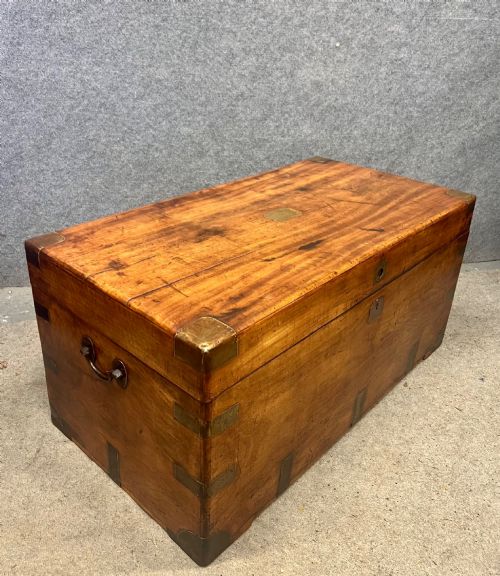
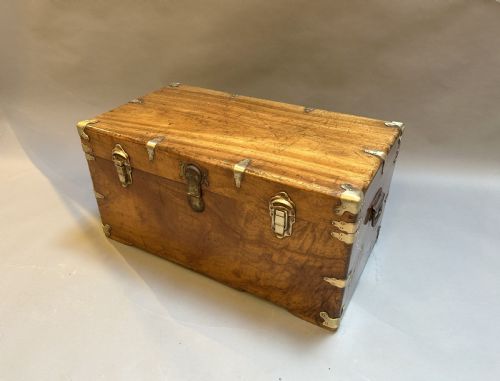
A colonial wooden trunk provides heavy storage built for travel across distant routes, combining practical protection with rich timbers.
Colonial Wooden Trunk
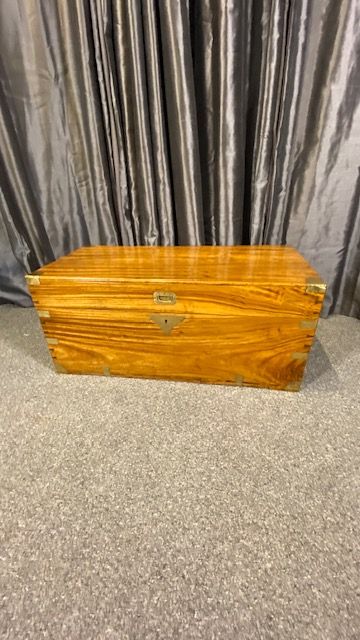
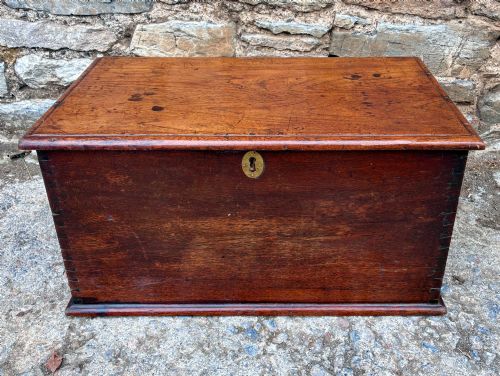
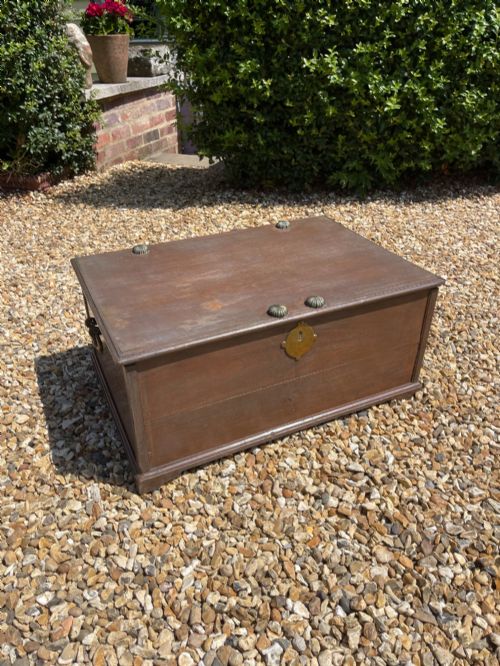
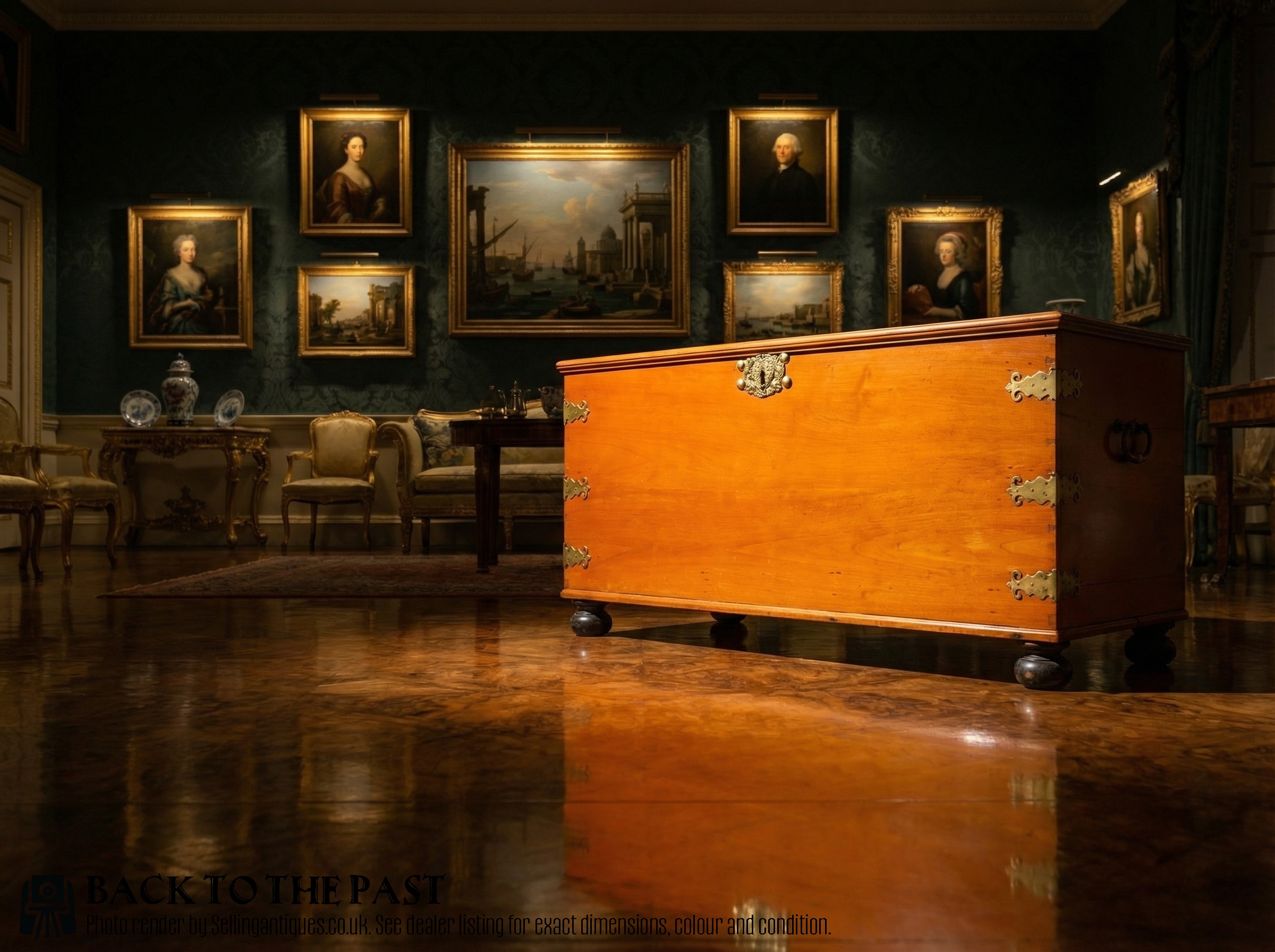
A colonial wooden trunk serves as a robust storage box, blanket chest, or travel container, often reinforced for long journeys. These pieces emerge from varied global influences, including Anglo-Indian, Dutch East Indies, and Spanish colonial workshops spanning multiple centuries.
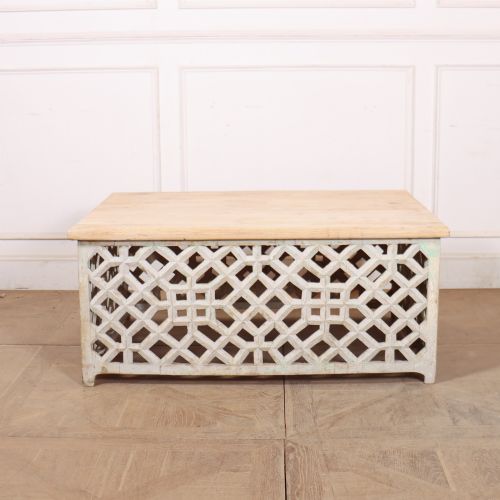
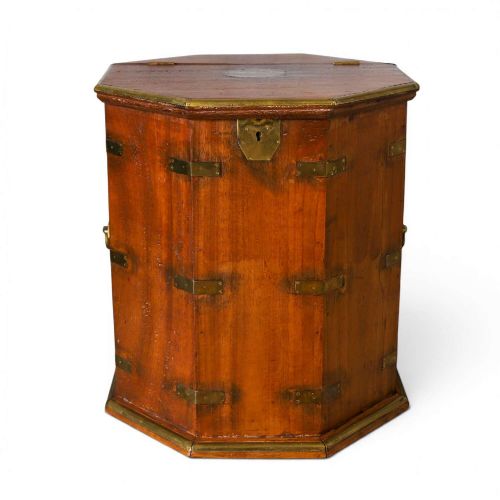
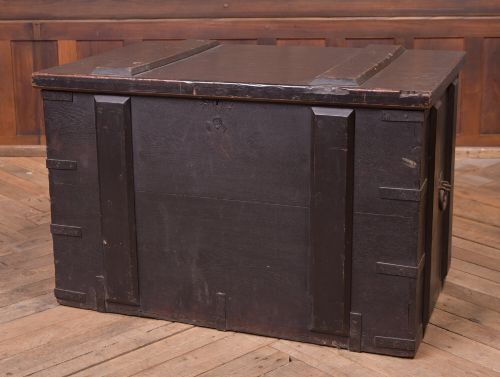
The versions most commonly met on this page date from the nineteenth century, built from dense tropical hardwoods and fitted with metal brackets. Alongside standard rectangular chests, the selection includes related forms such as deed boxes, strong boxes, and occasional tables.
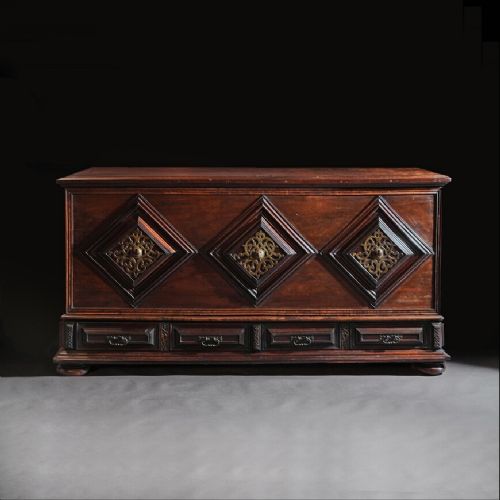
Origin points range widely across the evidence, touching upon Portuguese colonial production, the Bombay presidency, and Victorian campaign styles. Buyers encounter everything from plain storage receptacles to intricately carved blanket boxes intended for domestic utility.
Materials and Construction
Makers utilised durable tropical timbers such as teak, camphor wood, padouk, and mahogany, selecting them for strength and resistance to humidity. These heavy woods form the primary body of each chest, often combined with secondary elements of ebony or walnut.
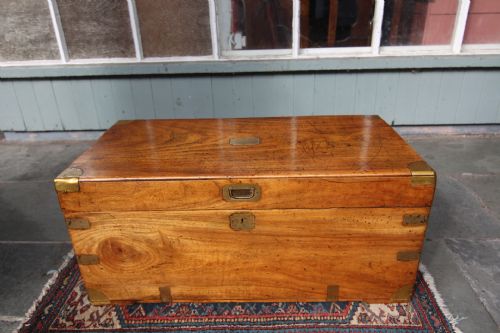
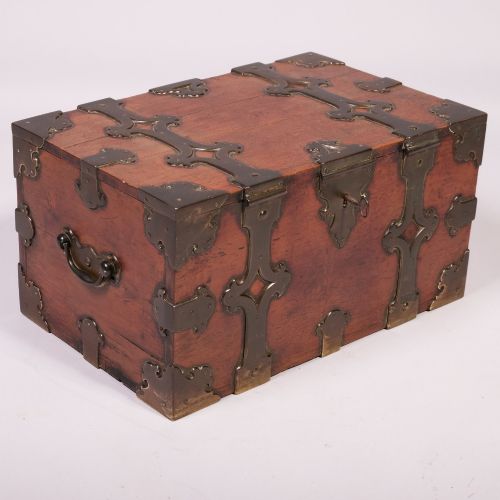
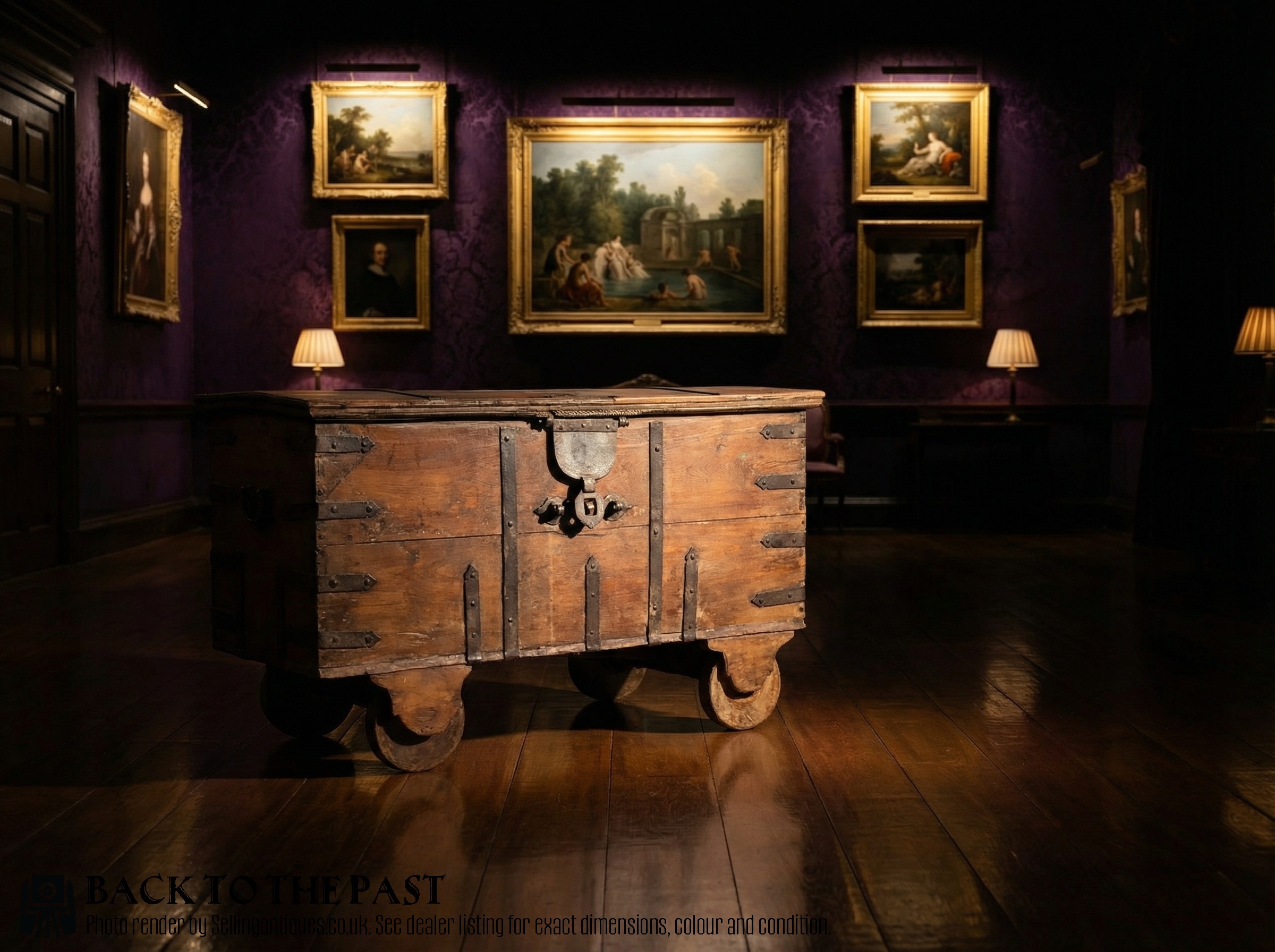
Brass mountings, corner straps, and binding reinforce the wooden joints, while iron hardware adds structural integrity for transit. Many pieces retain original metal fixtures, hinges, and lock plates secured with traditional fastenings.
Surface decoration ranges from smooth polished hardwood panels to carved detailing and painted Moorish style motifs. Certain examples incorporate bone inlay or contrasting ebony mouldings to define the edges and corners.
Colonial Wooden Trunk Retail Price Guide 2026
Typical asking prices for colonial wooden trunk among the pieces listed under this phrase on Sellingantiques today, from the lower quarter to the upper quarter. They describe what is for sale here now, not the wider market.
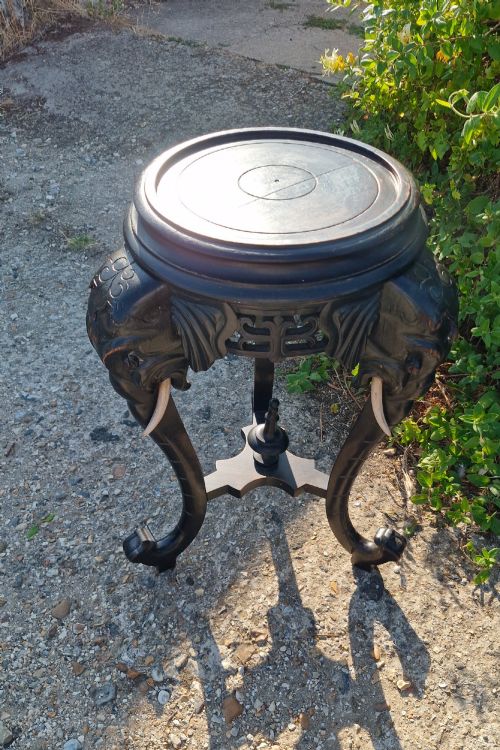
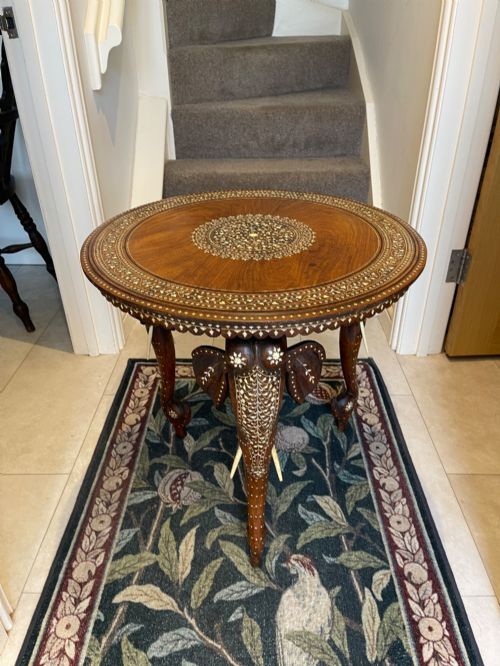
Several trunks arrive with painted wooden tusks attached, ensuring your storage solution comes equipped with built-in fauna.
Craftsmanship and Survival
The distinction between tiers rests upon the preservation of original hardware and the integrity of the timber joints. Pieces retaining their original brass mounts and working locks command greater attention from collectors than those with replaced elements.
Depth of carving and precision in the dovetail or box joints separate standard utility containers from finer commissioned work. The choice of dense timber, such as unblemished padouk or figured camphor wood, similarly elevates the standard of the piece.
The Colonial Wooden Trunk Glossary
- Camphor wood
- A fragrant tropical timber commonly used for blanket chests because its natural scent deters insects. It provides a pale, stable grain that takes a clean polish.
- Campaign trunk
- A portable chest built in sections with recessed handles and reinforced corners, designed for military officers on the move. These items dismantle or stack for transport.
- Padouk
- A heavy, reddish-brown tropical hardwood prized for durability and rich colour. It appears frequently in Anglo-Indian furniture.
- Zanzibar chest
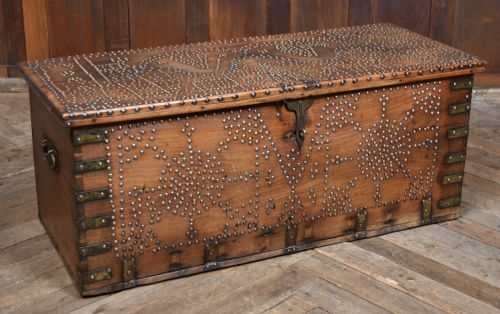
- A distinct form of heavy storage box featuring elaborate brass stud work, strapwork, and central lock plates. They reflect trade routes linking India, the Middle East, and East Africa.
- Coffer
- A large wooden box used for safekeeping valuables, distinguished from a standard trunk by heavier framing and sturdier lid construction.
Colonial Wooden Trunk: Frequently Asked Questions
What is a colonial wooden trunk?
A colonial wooden trunk is a sturdy storage container built during periods of global trade and exploration. These pieces utilised durable regional timbers to protect belongings on long sea voyages.
Craftsmen fitted them with metal braces and carrying handles to withstand rough handling. Today they serve as practical coffee tables or blanket boxes in domestic settings.
How do I care for camphor wood?
Camphor wood requires minimal maintenance due to its natural oils and distinct aroma. Keep the timber away from direct heat sources and sudden humidity changes to prevent splitting.
Clean the surface with a dry cloth and avoid harsh chemical polishes. Allow the wood to breathe so the natural scent remains intact.
Where were these trunks made?
Production occurred across various colonial territories, including the Indian subcontinent, Southeast Asia, and Spanish outposts. Local workshops adapted European forms using native timbers like teak and padouk.
Trade routes carried these containers back to Europe, resulting in distinct regional styles such as Anglo-Indian and Dutch East Indies work.
How do I date a campaign trunk?
Dating relies on examining the construction methods, metal hardware, and timber species. Nineteenth-century examples often feature brass binding and recessed brass carrying handles.
Earlier pieces from the seventeenth and eighteenth centuries display heavier iron mounts and simpler box construction without folding hardware.