


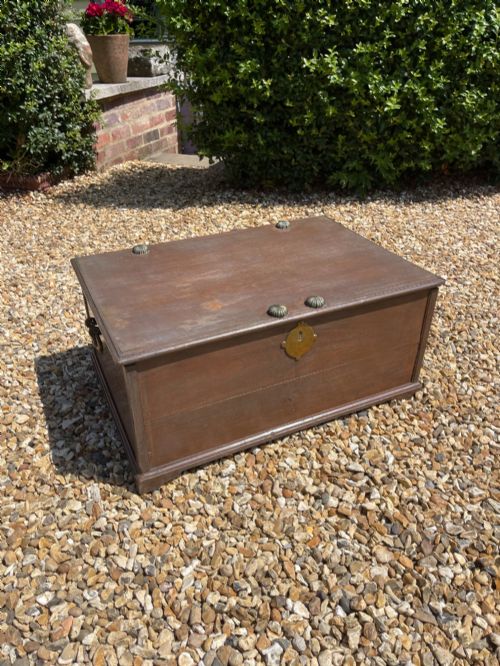
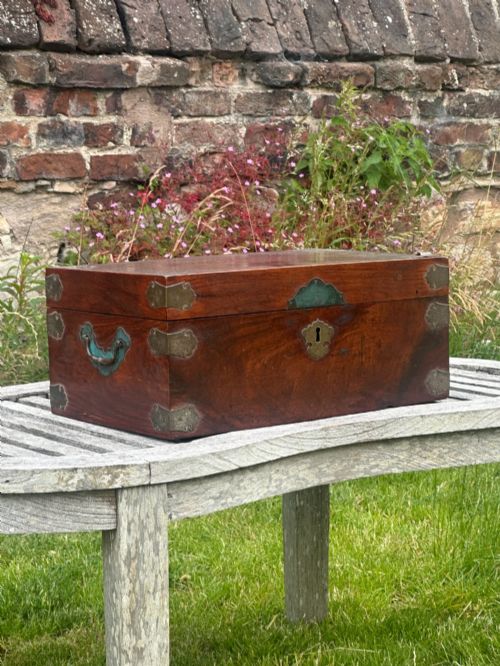
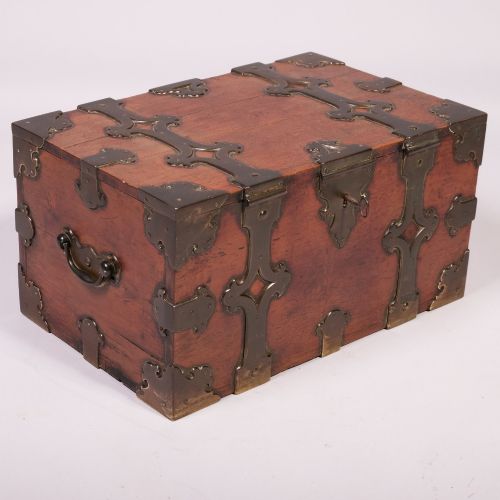
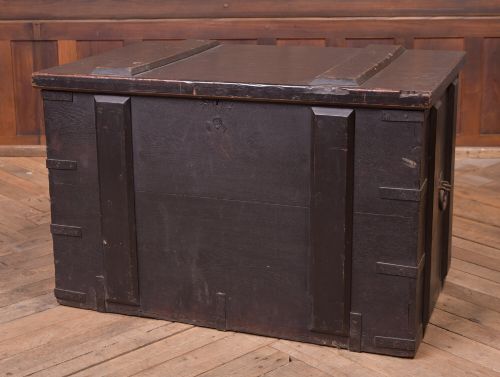
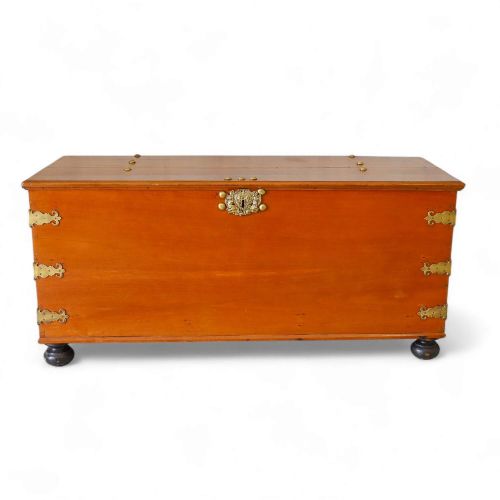
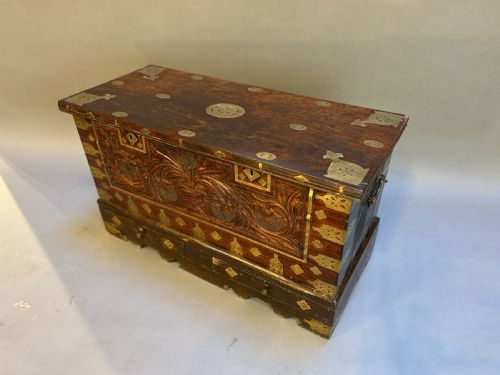
Colonial Wooden Coffer
These colonial wooden coffer pieces are robust storage boxes made for travel and tropical climates, and collectors prize them for their exotic timbers and stout metal mountings.
Colonial Wooden Coffer
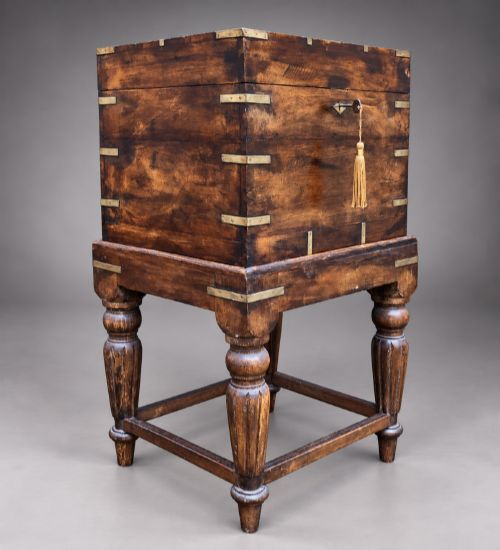
A colonial wooden coffer is a heavy storage chest built during the periods of European overseas trade and administration, spanning from the seventeenth century through the Victorian era. When searching this phrase, a buyer encounters forms such as blanket boxes, campaign trunks, wine chest cellarettes, and strong boxes originating from Anglo-Indian, Dutch Colonial, Portuguese Colonial, and Spanish workshops.
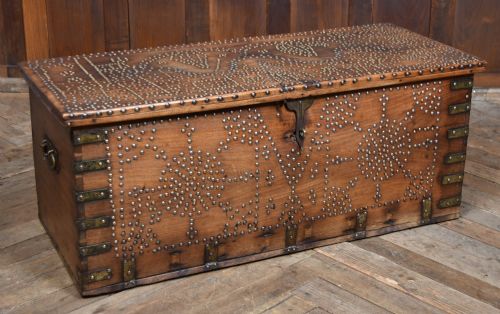
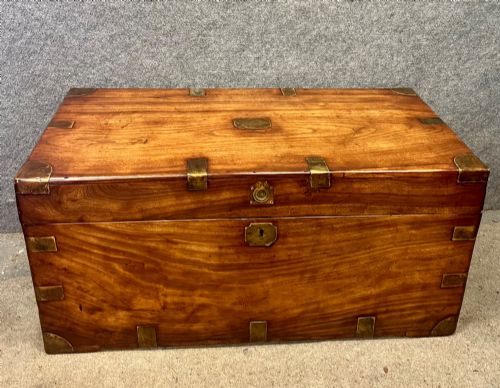
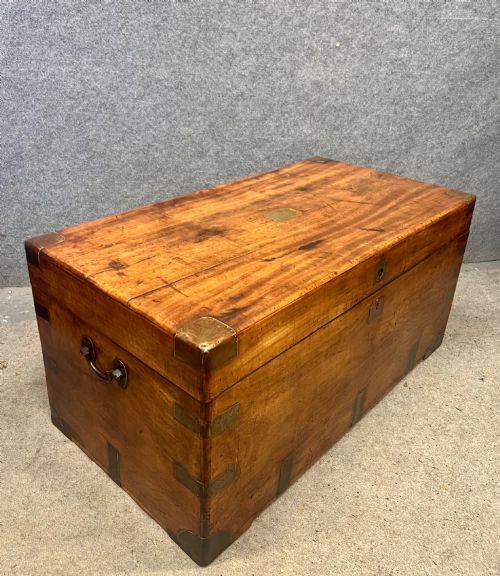
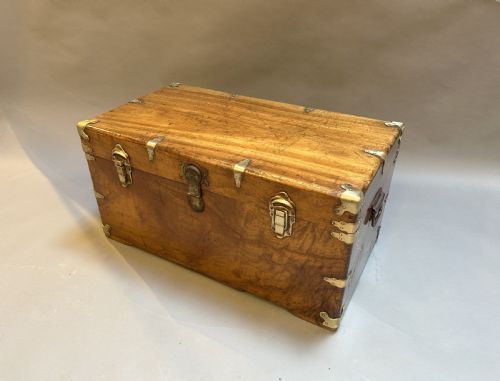
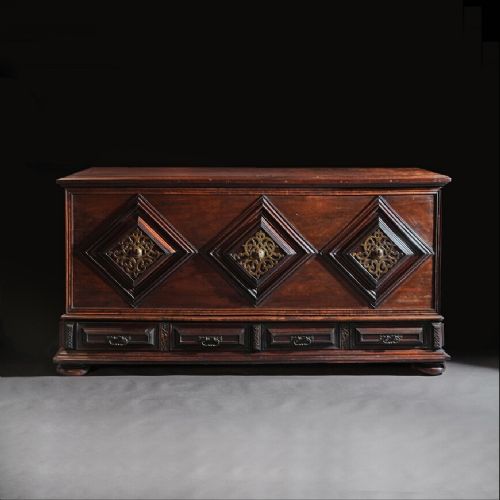
The pieces appearing on this page skew heavily towards nineteenth-century examples in camphor wood, teak, and padouk, often featuring recessed brass handles and strapwork for transport. Alongside these, earlier walnut and hardwood chests from the seventeenth and eighteenth centuries provide deeper historical weight and darker patination.
Forms vary from small deed boxes and miniature campaign trunks to large merchants trunks and Zanzibar blanket boxes. They served practical domestic and travel functions for officials and traders abroad before finding their way into modern interiors as coffee tables and statement storage furniture.
Materials and Construction Techniques
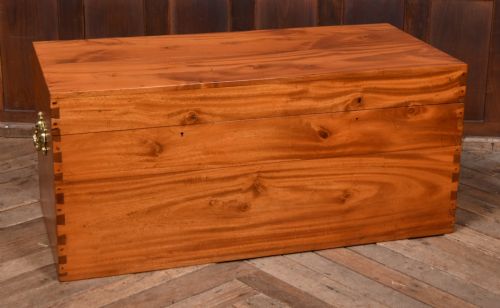
Cabinetmakers utilised dense, oil-rich tropical timbers such as camphor wood, teak, padouk, ebony, and mahogany to resist humidity and insect damage in colonial environments. Camphor wood was particularly favoured for blanket and storage chests because its natural aroma repelled moths.
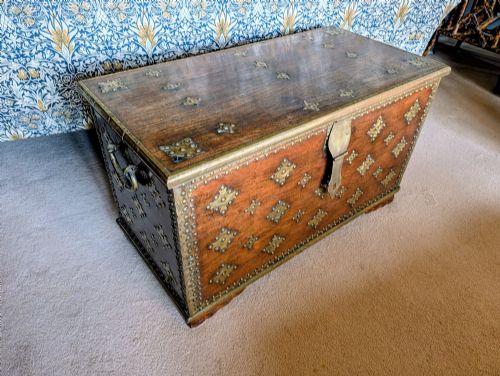
Construction relies heavily on robust joinery reinforced with brass banding, corner braces, strapwork, and studded iron or brass hardware. These metal mounts protected the edges during long voyages and secured the lids of merchants trunks and strong boxes.
Many examples incorporate fitted interiors with small compartments, secret drawers, or candle boxes, showing precise internal carpentry alongside rugged exterior housing designed for carriage and sea transit.
Forms include campaign trunks, blanket boxes, wine cellarettes, and strong boxes reflecting Anglo-Indian and Dutch Colonial origins.
Factors Defining Quality
The distinction between ordinary utility boxes and superior pieces rests on the choice of timber and the completeness of the original brass hardware. Dense padouk and figured walnut command attention over plain secondary woods, while intact decorative brass strapping elevates a piece significantly.
Refinement of the internal fittings also separates the tiers of quality. A chest with untouched, complex fitted compartments and functioning original locks demonstrates a higher grade of workshop production than a plain box stripped of its internal partitions.
The integrity of the construction and the depth of the timber's patina dictate the aesthetic standing of the piece. Crisp corner mounts and heavy, uncompromised side carrying handles indicate a serious piece made for active campaign or merchant use.
The Colonial Wooden Coffer Glossary
- Campaign trunk
- A chest built in sections or with recessed hardware specifically designed for military officers on the move. These pieces prioritise portability without sacrificing structural integrity.
- Camphor wood
- An aromatic timber native to Asia, prized for its pale grain and insect-repellent properties. It forms the core material of numerous nineteenth-century storage chests.
- Padouk
- A heavy, reddish-brown tropical hardwood durable enough for maritime transport and high-end colonial furniture. It darkens gracefully with age.
- Cellarette
- A lockable container used for storing wine bottles safely during transport or dining service. In colonial contexts, these often sat on dedicated stands.
- Strapwork
- Decorative or reinforcing bands of metal, usually brass or iron, fixed across the exterior of a chest. They provide structural strength and geometric visual contrast.
Colonial Wooden Coffer: Frequently Asked Questions
What are colonial wooden coffers?
These are heavy storage chests and trunks built in tropical regions by European and local craftsmen during the colonial eras. They served merchants and military officers for transporting belongings across oceans.
Today, buyers use them as durable coffee tables or statement storage pieces in domestic interiors.
How do I date a camphor wood chest?
Dating relies on examining the construction methods, the style of the brass hardware, and the timber selection. Nineteenth-century examples often feature machine-sawn elements and standardised campaign handles.
Earlier seventeenth and eighteenth-century pieces display heavier hand-cut dovetailing, different locking mechanisms, and darker walnut or mahogany timbers.
Were these chests used by the military?
Many of the trunks found here are explicitly campaign pieces made for British military officers on colonial service. They were designed to withstand rough handling during marches and sea voyages.
Their recessed handles and reinforced corners allowed them to be packed onto animals or wagons with ease.
How do I maintain camphor wood?
Camphor wood requires minimal upkeep due to its natural oils and resistance to humidity. Keeping it away from direct heat sources prevents the timber from splitting.
A light application of appropriate furniture wax preserves the exterior sheen without interfering with the wood.
What is a Zanzibar chest?
A Zanzibar chest is a specific style of heavy storage box bound in brass, often featuring ornate studwork and elaborate corner brackets. They reflect trade connections across the Indian Ocean.
These pieces typically utilise dense padouk or teak and served as prestige items for wealthy merchants.