

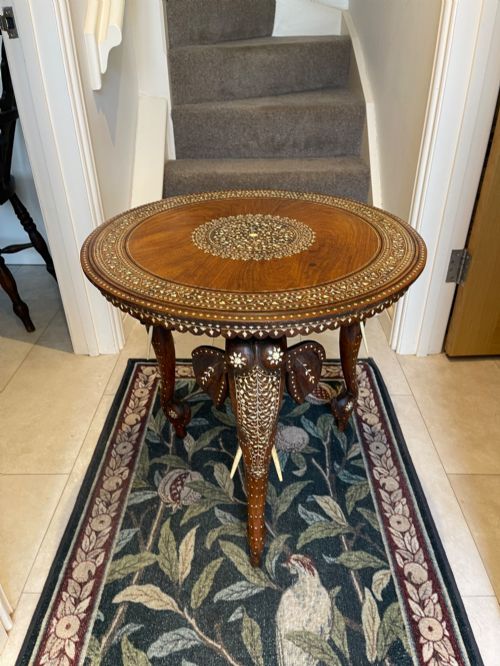


Antique Rosewood Trunk
An antique rosewood trunk is a dense, deeply grained repository of global trade, offering sturdy storage and rich Victorian craftsmanship.
Antique Rosewood Trunk
An antique rosewood trunk brings heavy timber and historic utility into a modern interior. These pieces serve as functional storage chests with distinct regional origins and decorative traits.
The buyer meets Victorian items alongside colonial pieces spanning the nineteenth century. Common variants include merchants trunks and travelling boxes fashioned from dense tropical hardwoods.
Makers shaped these trunks for transport and domestic holding alike. They represent an era of global exchange reflected in durable cabinetry and exotic materials.
How they were made
Craftsmen built these trunks primarily from rosewood, complemented by teak and hongmu wood. These dense timbers provided the structural integrity required for maritime and overland transit.
Workshops integrated brass mounts, bone details, and mother-of-pearl inlay to decorate the exterior surfaces. These contrasting materials were embedded carefully into the dark grain of the wood.
Joinery focused on robust corner bracing and secure lid construction to withstand heavy use. Metal hardware was fastened securely to reinforce the box framework.
Antique Rosewood Trunk Retail Price Guide 2026
Typical asking prices for rosewood trunk among the pieces listed under this phrase on Sellingantiques today, from the lower quarter to the upper quarter. They describe what is for sale here now, not the wider market.
Listings feature nineteenth-century items constructed from rosewood, teak, and hongmu wood, incorporating brass and mother-of-pearl.
What varies in quality
The refinement of the surface inlay and the selection of timber dictate the standing of a piece. Finer examples display precise mother-of-pearl or bone placement that enhances the dark rosewood grain.
Structural heft and the preservation of original brass fittings mark the distinction between standard boxes and superior trunks. The integrity of the internal compartments also separates utilitarian items from finer refined travel chests.
The Antique Rosewood Trunk Glossary
- Rosewood
- A dense, dark timber prized for its prominent grain and durability in fine furniture. It takes a high polish and forms the primary body of these trunks.
- Hongmu
- A category of hard, heavy woods used in traditional Chinese cabinet making. It provides a dense structure comparable to rosewood.
- Mother-of-Pearl
- The iridescent inner layer of mollusc shells used for decorative inlay. Craftsmen cut it into thin sections to create floral or geometric patterns on the wood surface.
- Victorian
- Pertaining to the reign of Queen Victoria, spanning the nineteenth century. This period saw varied revival styles and extensive use of imported hardwoods.
- Merchant trunk
- A sturdy chest utilised by traders for transporting goods and valuables. These boxes prioritize durable construction and reinforced corners.
Antique Rosewood Trunk: Frequently Asked Questions
What were rosewood trunks used for?
These trunks served as secure containers for personal valuables, documents, and trade goods during travel. Their robust construction protected contents from the rigours of maritime and overland journeys.
In domestic settings, families used them to store textiles, linens, and precious items. They combined practical storage with an impressive decorative presence in the home.
How do I care for a rosewood trunk?
Keep the timber away from direct heat sources and dramatic humidity shifts to prevent the wood from splitting. Dust the surface regularly with a soft, dry cloth to protect the finish.
Apply a suitable wax sparingly if the rosewood appears dry. Avoid harsh chemical cleaners that might damage the inlaid mother-of-pearl or brass elements.
How can I tell the period of a trunk?
Examine the construction methods, the type of hinges, and the style of any brass hardware. Nineteenth-century pieces often display hand-cut joinery and specific regional decorative motifs.
Compare the timber density and inlay patterns with documented examples from the Victorian era. Regional variations in colonial and Chinese workshops also help narrow down the date.
Are these trunks suitable for daily use?
Their sturdy timber frames and solid construction make them well-suited for everyday storage in a modern room. They function effectively as coffee tables at the foot of a bed or as blanket chests.
Ensure the hinges and lid supports remain stable if you open the trunk frequently. Treating the historic wood with care preserves the internal compartments and exterior inlay.