


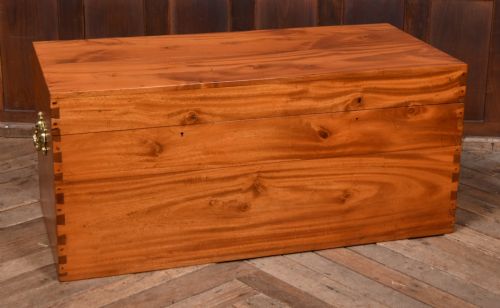
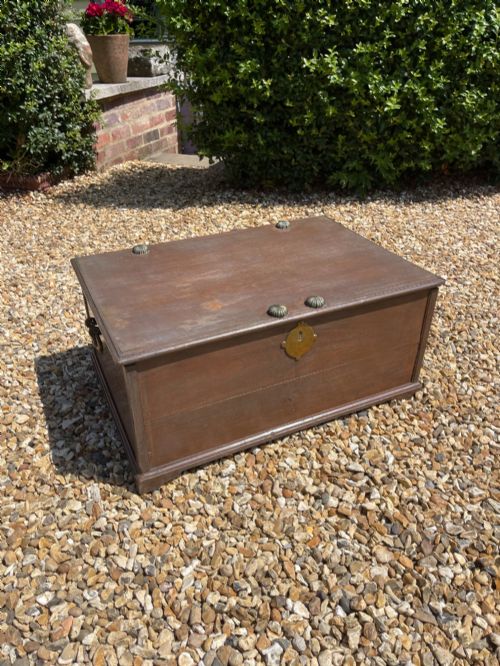
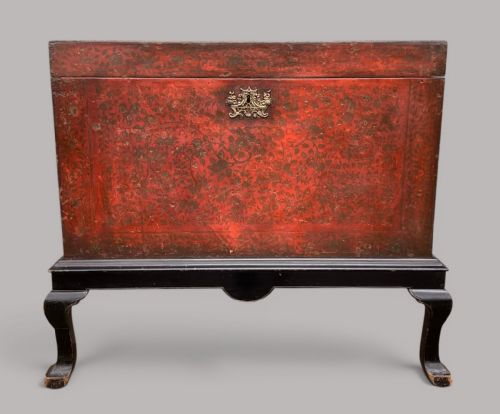
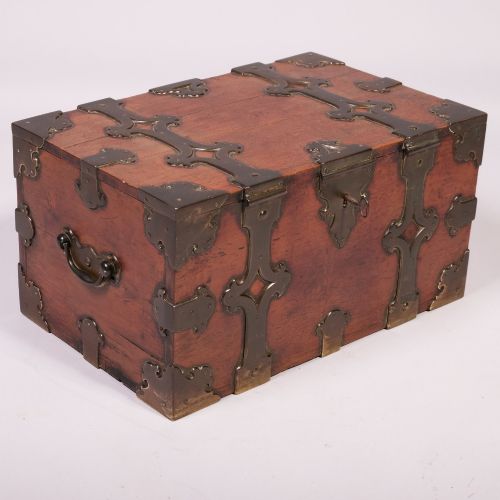
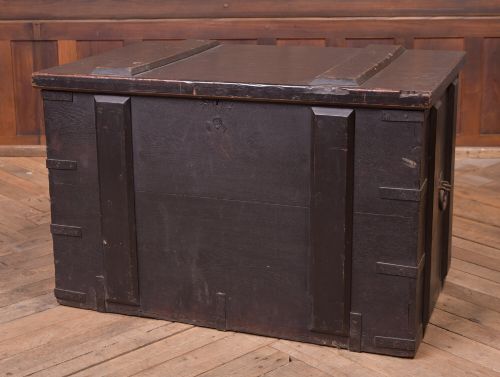
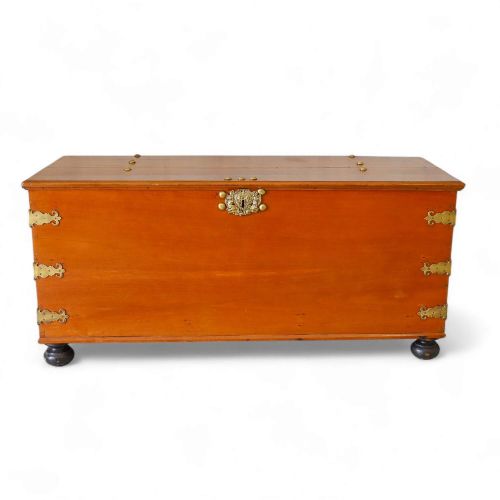
Colonial Storage Trunk
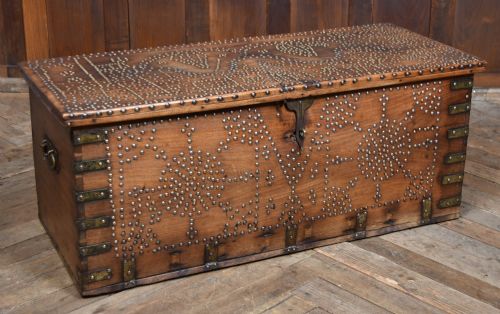
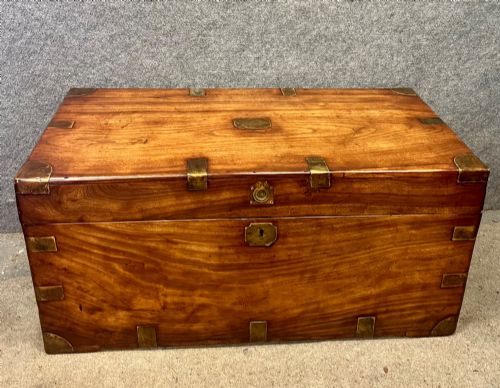
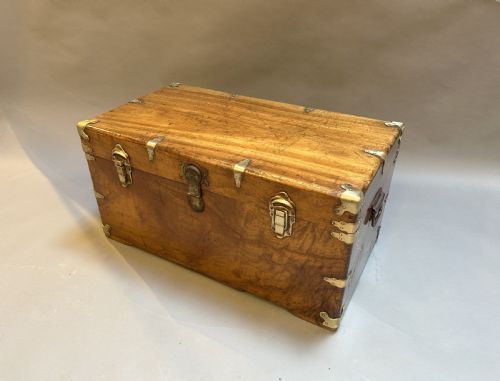
A colonial storage trunk brings travel-worn character and robust utility into a room, offering deep interior space wrapped in historic timber and metal.
Colonial Storage Trunk
A colonial storage trunk serves as a practical repository for blankets and belongings, emerging from 17th-century origins through the Victorian era. These pieces appear primarily as trunks, chests, and coffers associated with campaign use and trade routes.
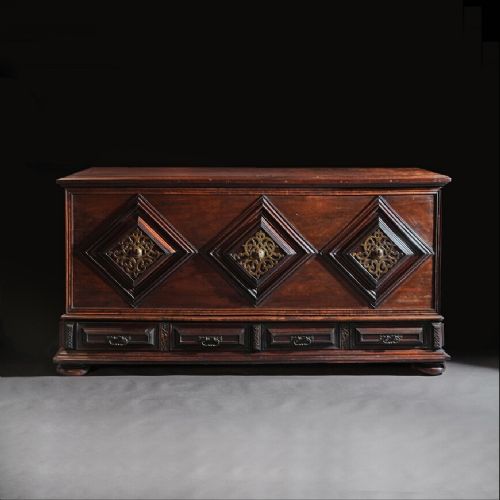
The selections span Anglo-Indian, Spanish Colonial, and Dutch East Indies traditions, featuring heavy wooden construction built for transport. Buyers most frequently encounter 19th-century camphor wood and teak examples fitted with metal mounts.
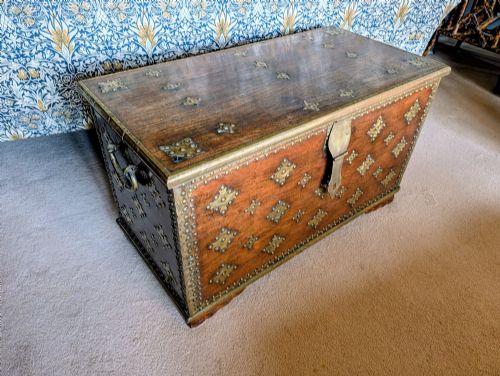
Forms range from large merchant trunks and Zanzibar blanket boxes to smaller caskets and chests on stands. Each variation reflects the utilitarian needs of travellers and merchants operating across distant territories.
Materials and construction
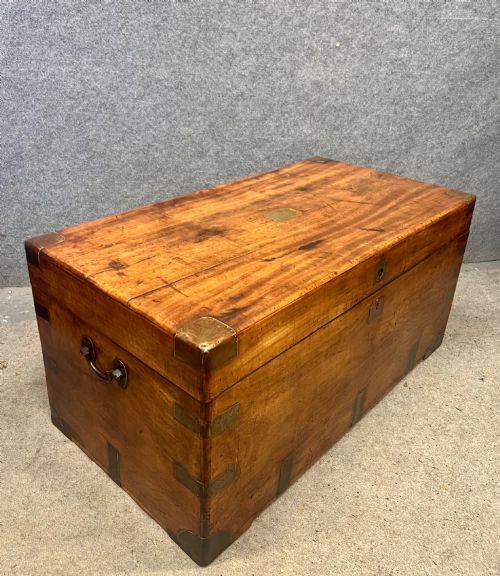
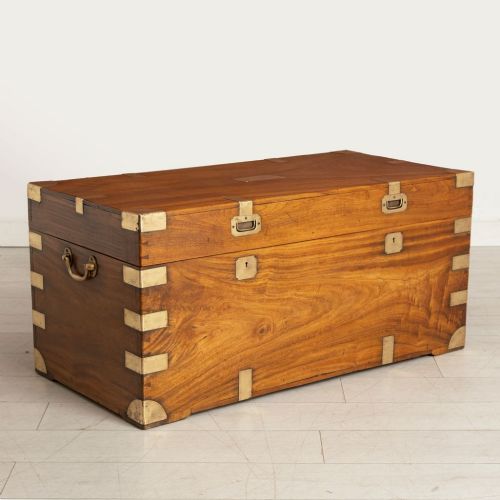
Carpenters utilised dense tropical hardwoods such as teak, camphor wood, padouk, and walnut to withstand punishing journeys and humid climates. Camphor wood served a dual purpose by providing a sturdy shell while repelling insects from stored textiles.
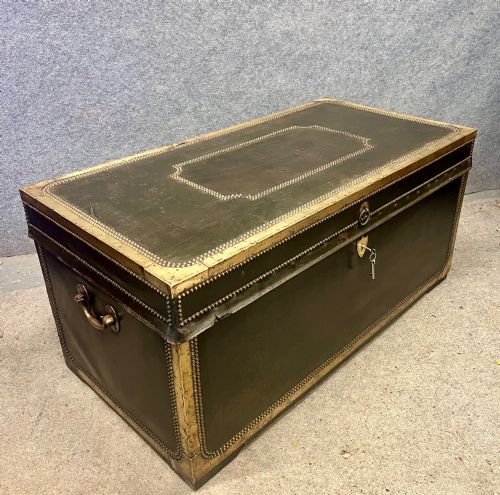
Reinforcement came from heavy brass straps, corner brackets, and iron studs fixed securely to the exterior to protect the timber edges during transit. Leather coverings and red lacquer also appear on specific regional examples to seal and decorate the surfaces.
Hinged lift-up tops and recessed carrying handles allowed military officers and merchants to load and secure their possessions efficiently. Joinery relied on solid boards fastened with durable metal hardware rather than delicate adhesives.
Colonial Storage Trunk Retail Price Guide 2026
Typical asking prices for colonial storage trunk among the pieces listed under this phrase on Sellingantiques today, from the lower quarter to the upper quarter. They describe what is for sale here now, not the wider market.
Listings feature 17th Century, 18th Century, and 19th Century pieces constructed from camphor wood, teak, padouk, walnut, and leather.
Evaluating the craftsmanship
Quality rests upon the integrity of the primary timber and the originality of the metal mounts. Thickly cast brass hardware that sits flush and retains its original fixings elevates an example above those with later replacements.
The precision of the dovetail joinery and the selection of figured grain across the panels distinguish standard utility pieces from finer commissions. Unaltered surfaces bearing honest patination from decades of handling outweigh heavily restored finishes.
The Colonial Storage Trunk Glossary
- Campaign trunk
- A portable chest constructed in sections or fitted with carrying handles for military officers on the move. These items utilised durable woods and protective brass corners.
- Camphor wood
- An aromatic timber frequently utilised for campaign chests due to its insect-repellent properties and stable grain. It forms the basis of many traditional storage boxes.
- Padouk
- A heavy, reddish-brown tropical hardwood employed in colonial furniture and trade chests for its exceptional durability. It takes a fine finish and resists decay.
- Coffer
- A large box or chest traditionally used for holding valuables, documents, or textiles. These heavy receptacles often featured secure locking mechanisms.
- Zanzibar chest
- A distinct form of storage box originating from East Africa and India, characterised by heavy brass studding and intricate strapwork. They were built to endure long sea voyages.
Colonial Storage Trunk: Frequently Asked Questions
What is a colonial storage trunk?
A colonial storage trunk is a heavy wooden box built during the 17th, 18th, or 19th centuries for travel and domestic storage. These pieces utilised durable timbers like teak and camphor wood to protect belongings during long maritime and overland journeys.
Trunks from these periods often featured reinforced metal corners and carrying handles to withstand rough handling. Today, they function as practical coffee tables or blanket boxes in domestic interiors.
How were these trunks used?
Military officers, diplomats, and merchants used these chests to transport uniforms, documents, and personal valuables across global trade routes. The interiors kept contents organised and shielded from moisture and insects.
Upon reaching a destination, the trunks doubled as furniture and secure storage within temporary quarters. Their sturdy construction ensured repeat utility across multiple voyages.
How do I clean camphor wood?
Camphor wood requires gentle maintenance using a soft, dry cloth to remove dust from the grain. Avoid harsh chemical cleaners or excess water, which can damage the historic timber surface.
Natural wax can be applied sparingly to nourish the wood if it appears dry. Preserving the natural aroma and dry-scraped patina is essential for maintaining the character of the piece.
Where should I place a trunk?
These trunks anchor a room effectively when positioned at the foot of a bed or utilised as a low central table in a living space. The flat top provides a useful surface while the interior conceals bulky linens or household items.
Keep the timber away from direct heat sources and strong sunlight to prevent the wood from splitting. Adequate clearance allows the brass mounts and handles to remain visible as decorative elements.