




Colonial Inlaid Side Table
A colonial inlaid side table brings intricate Hoshiarpur work and rich specimen woods into a room, offering both surface utility and dense ornamentation.
Colonial Inlaid Side Table
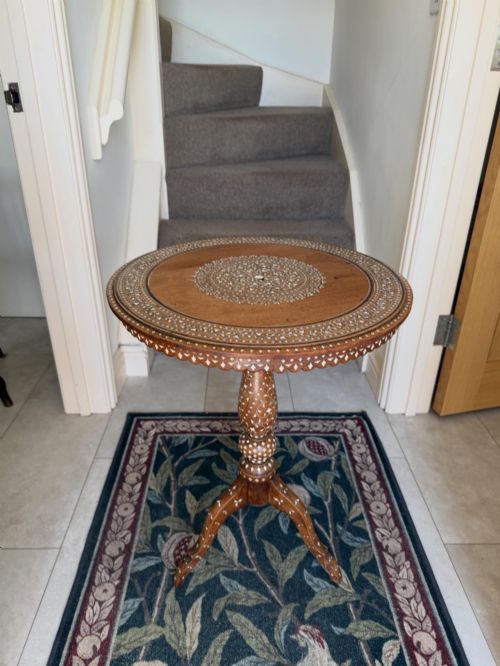
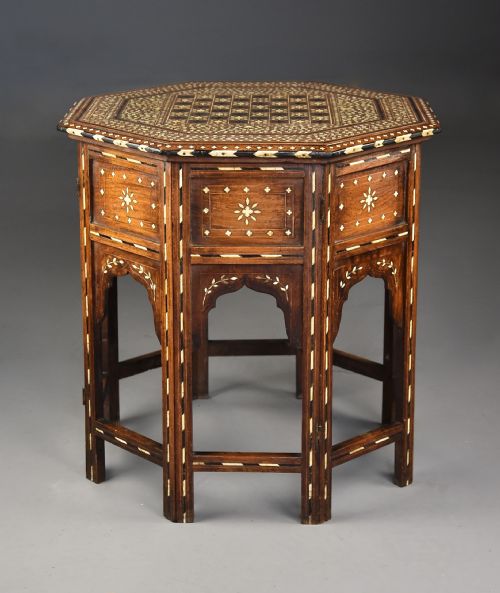
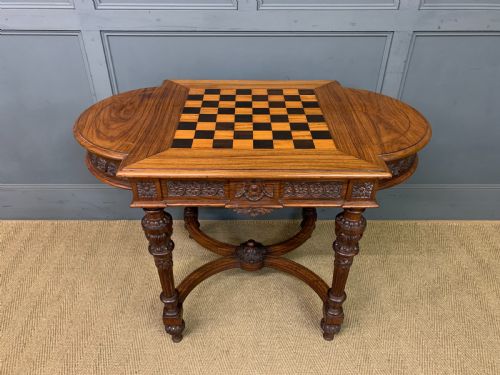
A colonial inlaid side table encompasses diverse forms such as octagonal occasional tables, chess top tables, and pedestal supports originating from Anglo-Indian, Victorian Colonial, and Ceylonese workshops. When searching for a colonial inlaid side table, buyers frequently encounter pieces dating from the nineteenth and early twentieth centuries.
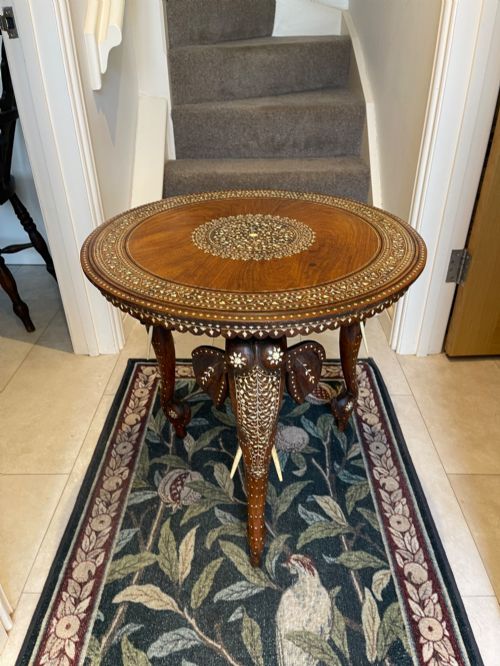
The selection ranges from small tripod tables featuring carved elephant motifs to larger centre tables and folding occasional pieces. These objects reflect the stylistic exchange of the colonial period, combining traditional regional carving with European furniture shapes.
Materials and construction
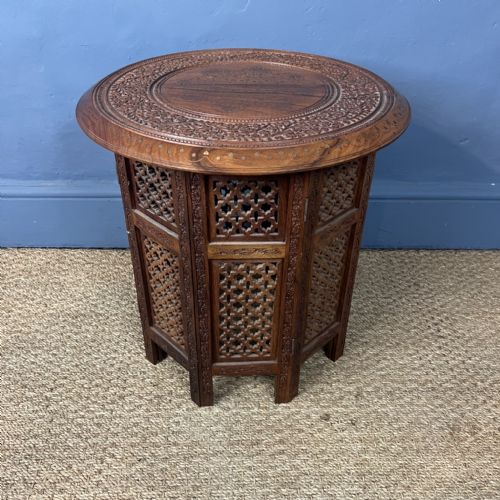
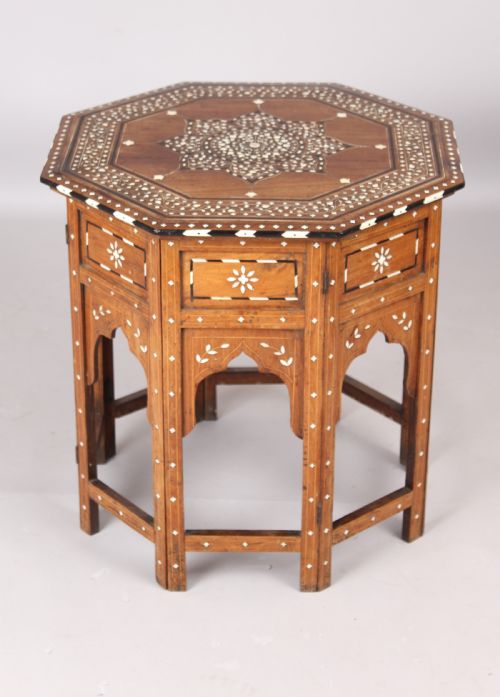
Construction relies on dense tropical hardwoods including rosewood, teak, ebony, padauk, and sandalwood as foundational structures. Artisans then applied detailed surface decoration utilising bone inlay, brass wire, mother of pearl, and multifaceted specimen wood marquetry.
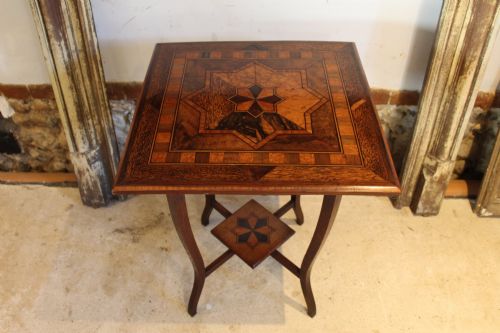
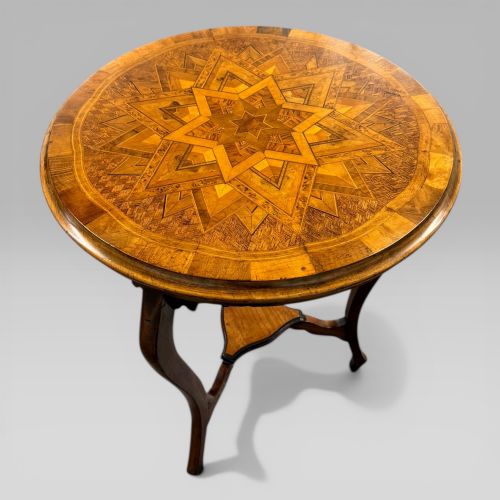
In workshops such as those in Hoshiarpur, craftsmen combined deep relief carving with geometric inlay patterns across octagonal and circular surfaces. Other pieces utilised specialised native timber marquetry, seen in New Zealand examples attributed to makers working in the manner of Anton Seuffert and William Norrie.
Several small tables feature carved wooden elephants acting as structural supports beneath inlaid tops.
Assessing quality and execution
Quality rests upon the precision of the inlay work and the depth of the carved relief on the hardwood body. Superior examples maintain intact bone, brass, or mother of pearl elements without shrinkage cracks in the surrounding timber.
The complexity of the geometric patterns and the variety of specimen woods integrated into the marquetry distinguish finer production from simpler regional pieces. Structural integrity in folding mechanisms and pedestal bases also determines the standard of preservation.
Anton Seuffert·William Norrie
The Colonial Inlaid Side Table Glossary
- Hoshiarpur
- A region in Punjab known for intricate wood carving and dense geometric inlay using bone and brass. Pieces from this centre often feature octagonal or tripod forms.
- Specimen wood
- Furniture constructed from a multitude of different native or exotic timbers arranged in decorative patterns. This technique highlights natural colour variations.
- Marquetry
- The art of applying small pieces of veneer to a structure to form decorative designs and pictorial patterns. It appears frequently on nineteenth-century tables.
- Occasional table
- A small, versatile piece designed for specific, intermittent use rather than central dining. These take circular, oval, shield, or octagonal shapes.
Colonial Inlaid Side Table: Frequently Asked Questions
What is an Anglo-Indian table?
An Anglo-Indian table is a piece of furniture made in India during the colonial period, combining local craftsmanship and materials with European forms.
These tables frequently incorporate dense carving and intricate inlay work designed to appeal to British residents and export markets.
How do I identify Hoshiarpur work?
Hoshiarpur work is identifiable by its dense surface ornamentation, featuring geometric patterns formed from bone or brass inlay set into a hardwood ground.
Many of these pieces utilise octagonal or tripod structures alongside carved animal motifs.
What woods are used in these tables?
These tables utilise dense tropical timbers including rosewood, teak, ebony, padauk, and sandalwood.
Some examples also incorporate numerous distinct native timbers arranged in geometric marquetry panels.
Are these tables sturdy?
Construction relies on heavy hardwoods, providing substantial weight and stability for daily use as occasional or side surfaces.
Certain formats, such as folding tables, require careful handling of their hinges and collapsible elements.