




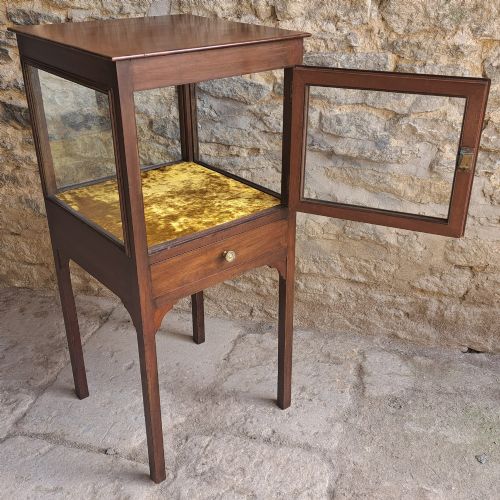
Collectors Display Cabinet
A collectors display cabinet turns small treasures into a proper room feature, protecting fragile finds behind clean glass.
Collectors Display Cabinet
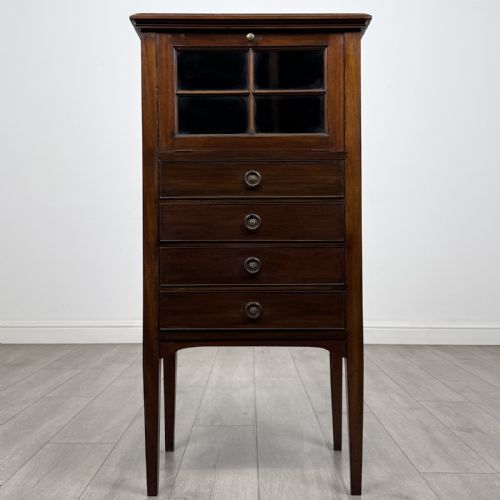
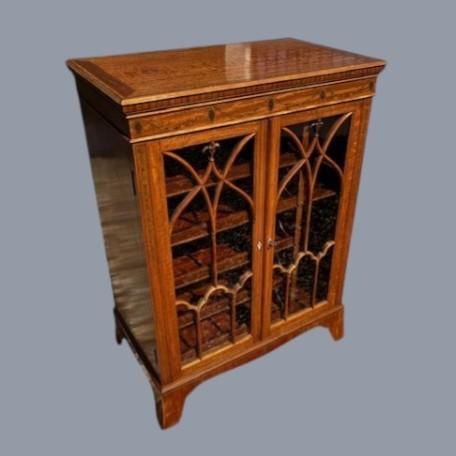
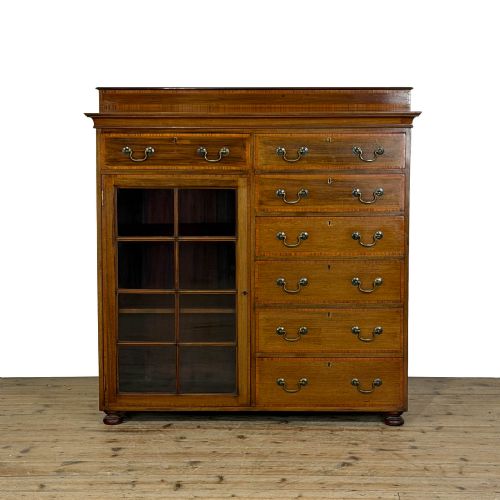
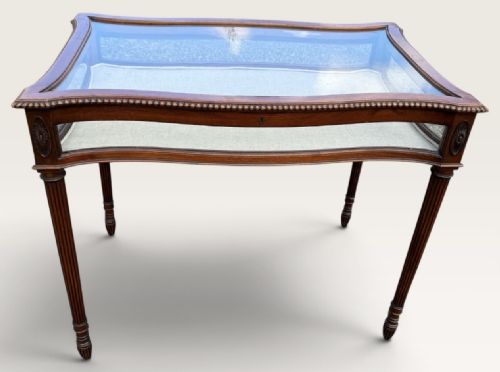
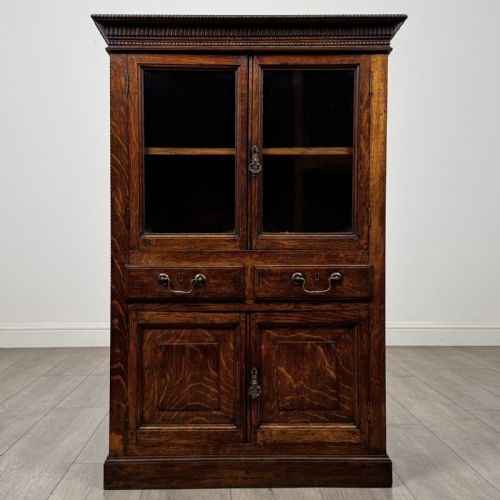
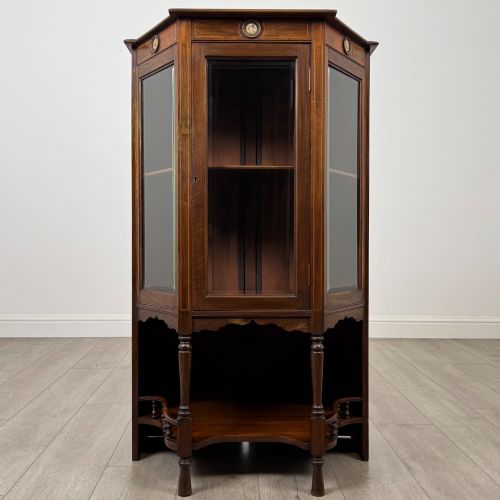
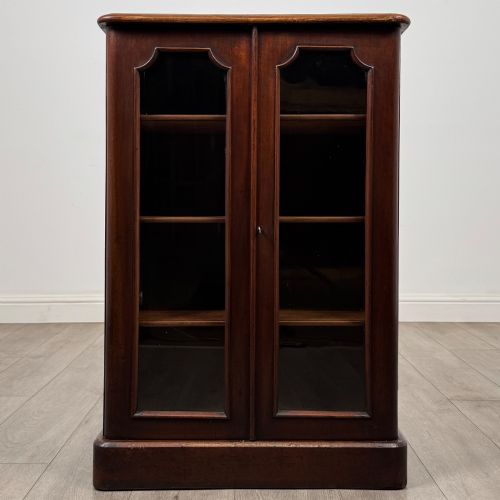
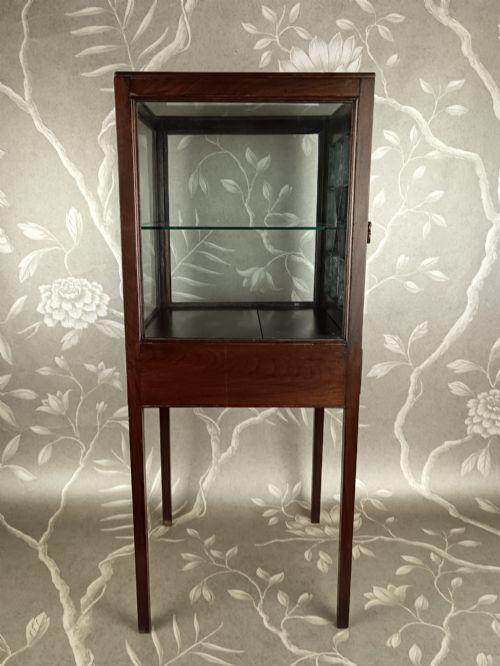
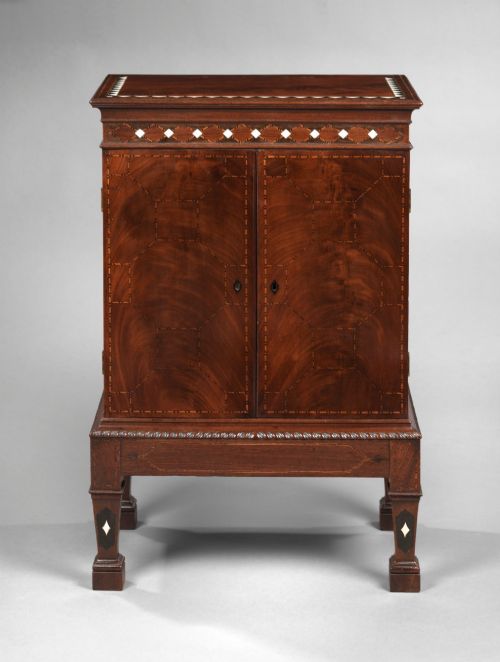
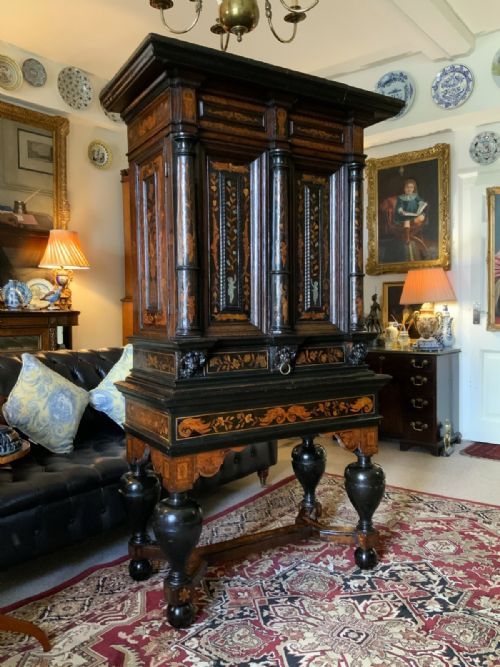
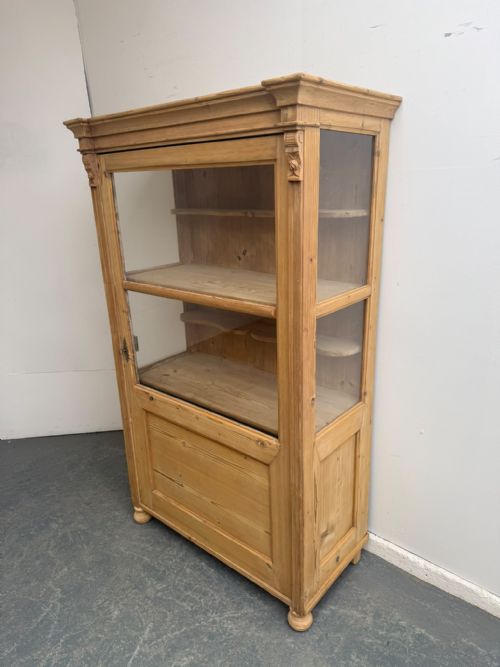
A collectors display cabinet takes several distinct forms across the Victorian, Edwardian, and nineteen-hundred periods, ranging from counter-top shop cases to standing vitrines and small table-height bijouterie pieces. Buyers searching for a collectors display cabinet usually find mahogany or oak structures, often shaped with glass tops or glazed doors to show off specimens and curiosities.
The archive records specialised formats such as graduated drawer cabinets, wall-mounted display units, and narrow pier cabinets outfitted with shelves or glazed compartments. Many of these items originate from domestic drawing rooms or former retail shops, reflecting how Victorians and Edwardians organised their cherished objects for close inspection.
Materials and Construction
Cabinet makers relied primarily on mahogany and oak, frequently embellished with satinwood inlay, marquetry, and rich burr veneers to frame the viewing area. Brass hardware, gilt bronze mounts, and ebonised wood details appear alongside velvet linings and fabric inserts designed to cushion delicate specimens and jewellery.
Glazing techniques include curved glass tops, bevelled glass panes, and tight glass doors that seal dust out while maintaining maximum visibility. Structural elements range from sturdy floor stands and pedestal bases down to compact counter-top frames built for retail or home study use.
Collectors Display Cabinet Retail Price Guide 2026
Typical asking prices for collectors display cabinet among the pieces listed under this phrase on Sellingantiques today, from the lower quarter to the upper quarter. They describe what is for sale here now, not the wider market.
Listings feature oak, mahogany, and walnut woods paired with glass, brass, velvet, and satinwood inlay across the Victorian and Edwardian periods.
Craftsmanship and Proportion
Quality rests in the precision of the timber joinery, the crispness of the marquetry and satinwood inlay, and the integration of specialised glass components like curved or bevelled tops. Superior pieces feature harmonious proportions, refined bronze or brass trimmings, and well-fitted drawers that slide smoothly within their housing.
The distinction between standard utility shop cases and high-end parlour vitrines lies in the selection of cabinet woods and decorative flourishes. Finer examples show thoughtful detailing around glazed doors and internal shelving, maintaining structural integrity without heavy or clumsy framing.
Edwards and Roberts·Gillows·Edmonds
The Collectors Display Cabinet Glossary
- Vitrine
- A glass-fronted cabinet or display case designed specifically for showing porcelain, curiosities, or small objects. These pieces rely heavily on glazed panels to let light reach the items inside.
- Bijouterie
- A low display table or cabinet featuring a glass top, originally intended for small pieces of jewellery and precious trinkets. They often lift open on hinges or feature sliding trays.
- Marquetry
- Decorative veneer work formed by fitting together small pieces of wood, shell, or ivory into pictorial or geometric patterns. It appears frequently on Edwardian and Victorian cabinet surfaces.
- Pier cabinet
- A narrow standing cabinet built to fit against the wall space between windows. These are often paired with glass doors and velvet-lined interiors for display.
- Curio
- An oddity or small decorative object of art. Cabinets built for these items prioritize visibility and secure enclosure.
Collectors Display Cabinet: Frequently Asked Questions
What did people keep in a collectors display cabinet?
These cabinets housed varied personal possessions, from natural history specimens and fossils to small geological samples and fine jewellery.
Owners also utilised them for delicate porcelain, coins, and curios gathered during travels, keeping fragile items organised and dust-free.
How do I tell an Edwardian cabinet from a Victorian one?
Victorian examples tend to use heavier timbers like solid oak or dark walnut, often featuring robust carving and brass trim.
Edwardian pieces generally lean towards lighter mahogany frames with delicate satinwood inlay, marquetry, and airier glass proportions.
Can I use a shop counter cabinet at home?
Counter-top and haberdashery shop cabinets adapt easily to domestic interiors for organising modern collections.
Their shallow depths and clear glass tops make them suitable for tabletops, sideboards, or narrow hallway surfaces.
How do I care for the fabric lining inside?
Original velvet and fabric linings require gentle vacuuming with a soft brush attachment to lift dust without pulling the fibres.
Avoid harsh cleaning sprays near the old textiles and exposed timber to preserve the internal materials.