




Collectable Wooden Treen
These small, functional everyday objects made of turned and carved timber are collectable wooden treen, prized for their tactile domestic history.
Collectable Wooden Treen
Collectable wooden treen encompasses small domestic implements, kitchenware and personal accessories created from timber for everyday use over past centuries. Buyers frequently encounter nineteenth-century examples, alongside pieces dating back to the seventeenth and eighteenth centuries.
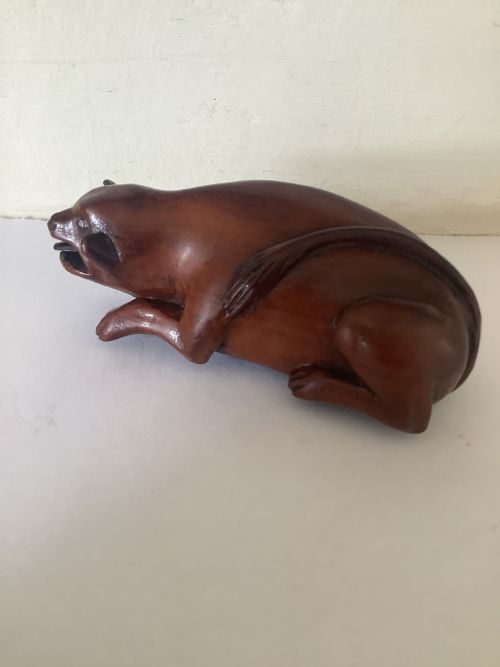
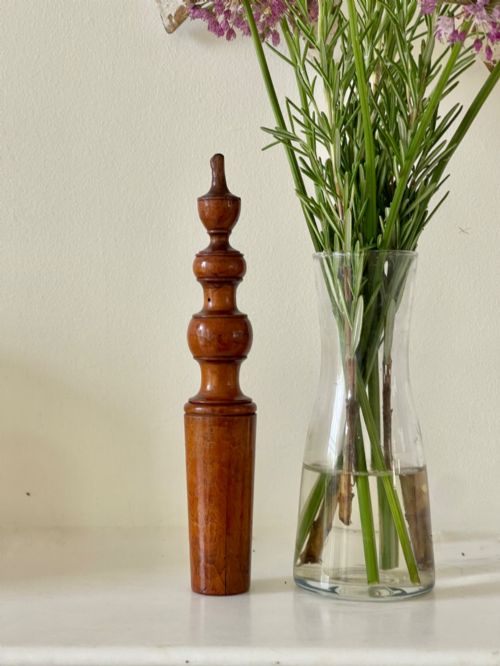
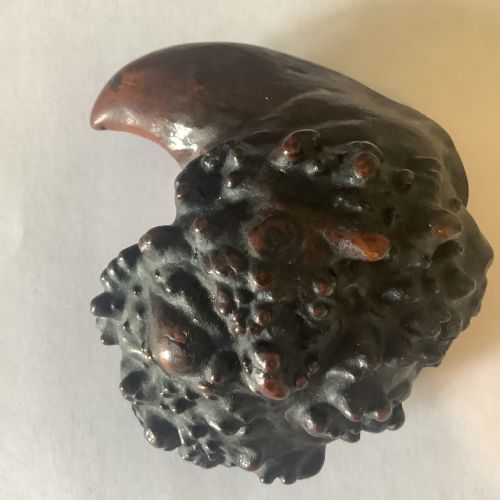
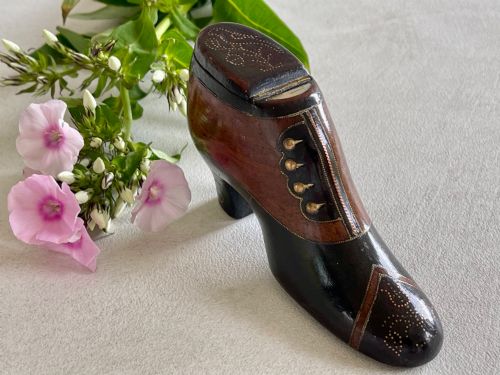
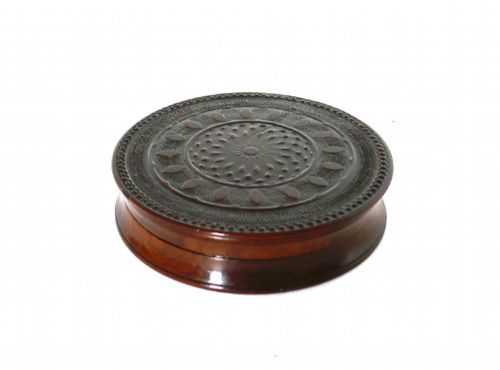
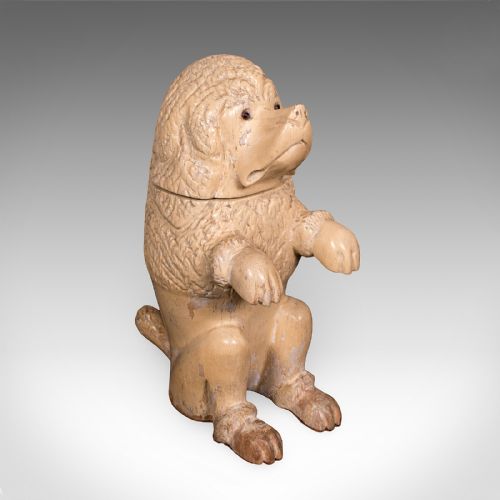
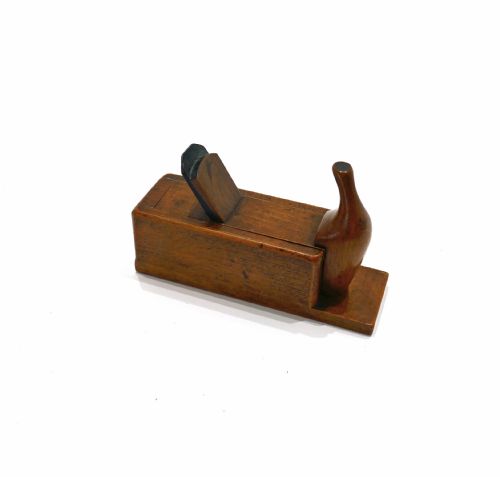
The selection ranges from utilitarian kitchen items such as mortars, pestles, butter prints and lemon squeezers to personal items including snuff boxes, nutmeg graters, tobacco jars and knitting sheaths. Many items take whimsical or figural forms, such as shoes, animals and birds, reflecting the vernacular humour of their makers.
Dating primarily from the Georgian, Victorian and Edwardian eras, these artefacts originate from domestic workshops and local turneries across Britain and continental Europe. Their survival relies on the durability of dense hardwoods and the care taken by successive generations.
Materials and construction
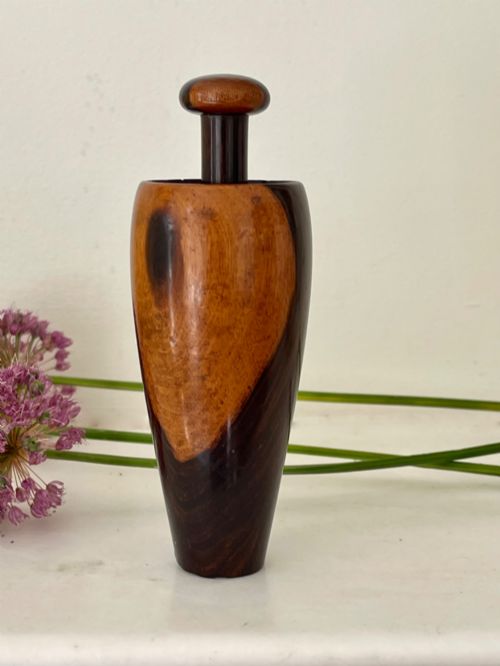
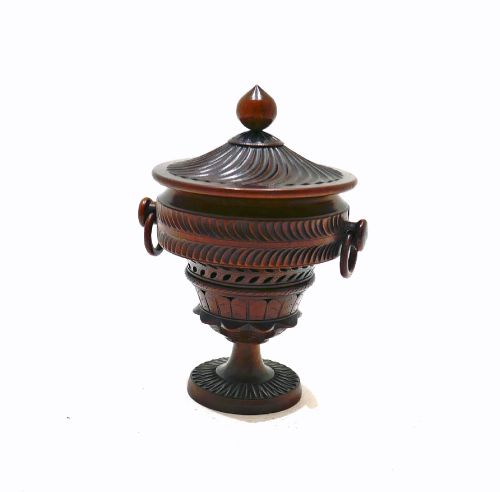
Craftsmen utilised dense hardwoods, predominantly fruitwood, boxwood, walnut, laburnum and lignum vitae, chosen for their ability to hold fine detail without splintering. Turned components were shaped on a lathe, while figural elements and whimsical shapes required careful hand carving and gouging.
Surface decoration frequently relied on the natural grain and colour of the timber, sometimes enhanced with engine turning, bone inlay, or simple paint finishes. Construction methods involved traditional joinery, coopered staves for vessels, and precise thread-cutting for small boxes and graters.
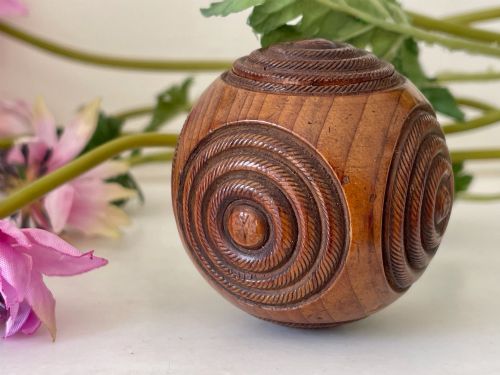
Domestic forms include nutmeg graters, puzzle balls, knitting sheaths, lemon squeezers and butter prints alongside various utilitarian boxes.
Assessing quality and character
Quality rests upon the crispness of the carving, the suitability of the timber selected for the specific form, and the patination developed through centuries of handling. Superior examples display fluent lathe work or expressive hand shaping without obscuring the natural grain of the wood.
The desirability of a piece often hinges on its ingenuity or humour, particularly in figural snuff boxes and puzzle objects where mechanical cleverness matches technical skill. Wear that softens sharp edges while retaining structural integrity enhances the visual appeal of these domestic survivors.
The Collectable Wooden Treen Glossary
- Treen
- Small handmade wooden domestic objects. The word derives from an old term meaning made of tree.
- Lignum vitae
- A dense, heavy tropical hardwood traditionally used for mortars, mallets and bowls. It sinks in water and contains natural oils that give it a dark, self-lubricating finish.
- Snuff box
- A small lidded container designed to hold powdered tobacco. These appear frequently in varied figural shapes including shoes, animals and carved fruit.
- Butter print
- A carved wooden stamp used to impress patterns onto pats of butter. Common motifs include acorns, wheat and floral designs.
- Mortar and pestle
- A heavy bowl and club-shaped tool used for grinding spices or medicinal ingredients. Early examples are typically turned from solid fruitwood or lignum vitae.
Collectable Wooden Treen: Frequently Asked Questions
What is treen?
Treen refers to small, functional wooden objects made for domestic use rather than as furniture. The category covers items from kitchenware and tableware to personal accessories and games.
Most pieces date from the seventeenth century through to the Edwardian period. They were produced primarily by turners and local craftsmen using traditional hand and lathe methods.
How were snuff boxes used?
Snuff boxes held dry tobacco powder that was inhaled through the nose, a popular social habit during the Georgian and Victorian eras. These containers needed tight-fitting lids to keep the contents dry and aromatic.
Carvers shaped them into elaborate figural forms, such as shoes, books and animals, turning a simple pocket accessory into a conversation piece.
How do I care for wooden treen?
Keep wooden items away from direct heat sources and dramatic humidity changes to prevent the timber from splitting or warping. Natural oils in the wood require little intervention beyond gentle cleaning.
Avoid soaking pieces in water or using harsh modern cleaning products. Occasional application of a suitable wax polish helps maintain the surface finish.
How can I tell the age of a treen piece?
Dating relies on examining tool marks, timber choice, wear patterns and the evolution of everyday designs. Eighteenth-century and earlier pieces often display distinct lathe centres and hand-forged elements.
Comparing construction techniques with dated examples helps establish a chronological window. Patination from centuries of human hands also provides a reliable indicator of age.