

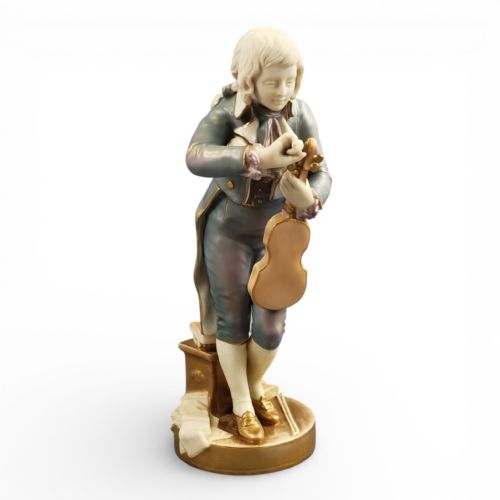


Collectable Royal Worcester Porcelain
Collectable royal worcester porcelain brings together finely painted fruit, delicate figurines and ivory wares that defined British ceramic artistry across generations.
Collectable Royal Worcester Porcelain
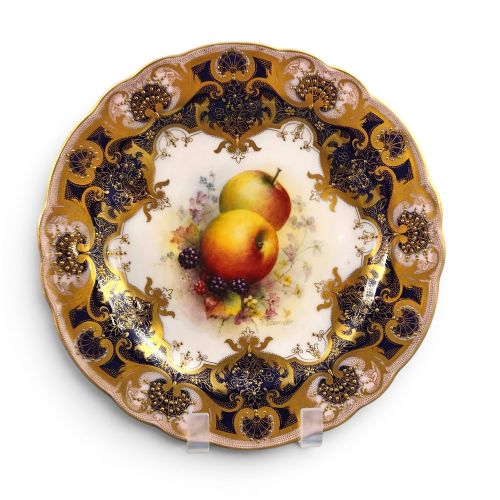
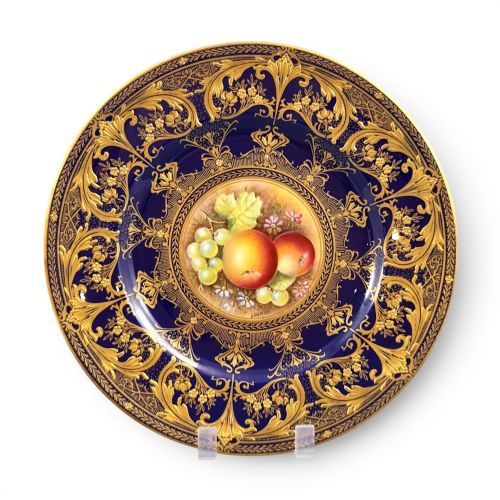
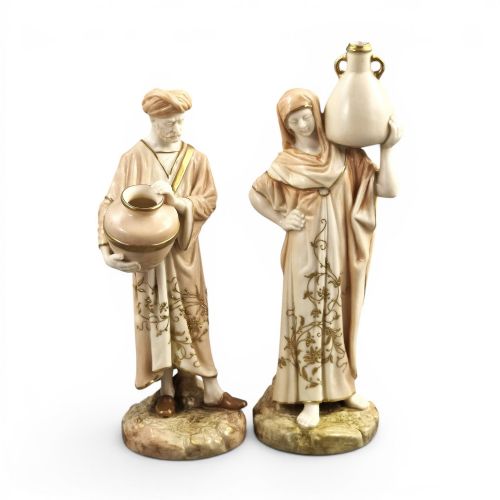
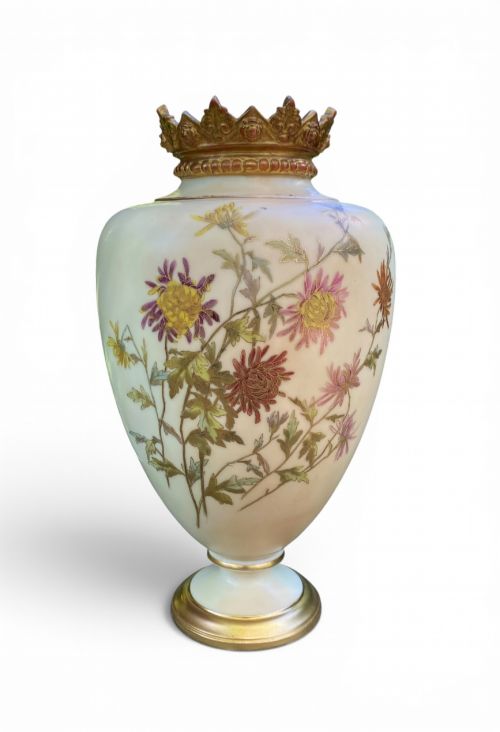
Collectable royal worcester porcelain encompasses a diverse array of utilitarian and decorative objects spanning the nineteenth century through the mid twentieth century. Buyers encounter cabinet plates, vases, jugs, candle snuffers and figurines produced during periods including the Victorian era, Edwardian years and the nineteen thirties and fifties.
Standards of craftsmanship
Quality rests primarily on the skill and renown of the artist responsible for the hand painted decoration, with signed works by established painters commanding particular attention. The intricacy of the modelling, especially in figurines and candle snuffers, also separates standard production from exceptional studio output.
The application and preservation of the gold leaf, enamel and gilding dictate the overall visual impact of each piece. Superior examples maintain crisp detail in the porcelain body and vibrant, intact pigments across both floral plates and landscape vases.
Tiny ceramic candle snuffers depict grumpy Victorian husbands and watchful foxes, ready to put out the household flames.
James Hadley·Richard Sebright·Harry Stinton·Brian Leaman·Freda Doughty
The Collectable Royal Worcester Porcelain Glossary
- Cabinet plate
- A decorative ceramic plate intended for display in a cabinet rather than for table service. These frequently showcase elaborate hand painted fruit or floral scenes.
- Candle snuffer
- A small ceramic figure featuring a hollow cone underneath, designed to extinguish candle flames safely. Royal Worcester produced numerous character examples.
- Tyg
- A traditional multi handled drinking vessel dating back centuries, reinterpreted in miniature ceramic forms during the twentieth century.
Collectable Royal Worcester Porcelain: Frequently Asked Questions
What is collectable royal worcester porcelain?
Collectable royal worcester porcelain comprises decorative ceramics produced by the historic English factory, including hand painted fruit plates, sculpted figurines and vases.
These pieces reflect shifts in British design from the nineteenth century through the mid twentieth century, encompassing Victorian, Edwardian and art deco styles.
How do I identify painted fruit pieces?
Painted fruit pieces typically feature detailed studies of apples, grapes and berries against a mossy background, finished with extensive gold gilding. Look for artist signatures such as Harry Stinton or Richard Sebright near the edge of the plate or body of the vase.
These compositions represent some of the most celebrated work produced by the factory's premier artists during the twentieth century.
How should I display cabinet plates?
Cabinet plates require secure wall mounts or dedicated display stands that support the rim without causing friction or obscuring the painted surface. Keep them away from direct sunlight to preserve the vibrancy of the enamel colours and gold leaf.
Grouping plates by period or artist creates a striking visual arrangement in a traditional cabinet or on a dedicated wall.
How are different production periods told apart?
Production periods are identified through factory date codes stamped on the underside, alongside changes in body composition, style and signature marks. Victorian and Edwardian pieces often utilise blush ivory finishes and naturalistic motifs, while later twentieth century items lean towards bold painted fruit and simplified forms.
Comparing the style of the decoration with known artist active dates helps narrow down the decade of creation.