


Cold Painted Animal Figures
Cold painted animal figures bring personality and colour to a room through small metal and terracotta sculptures.
Cold Painted Animal Figures
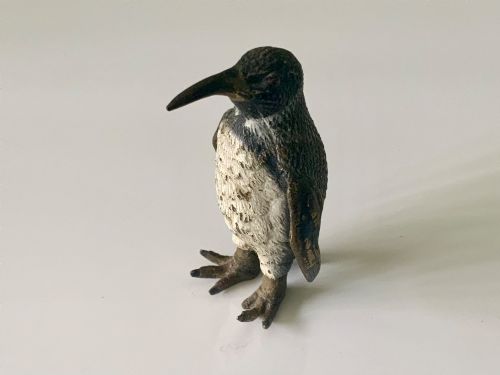
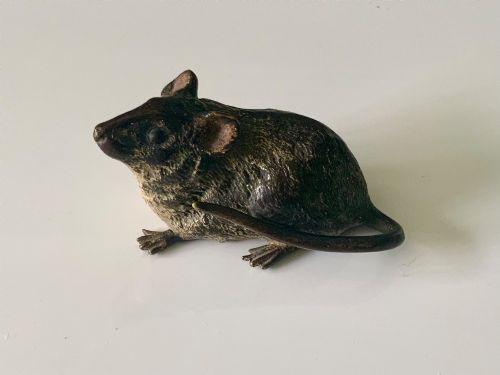
Cold painted animal figures encompass small sculptures and figurines cast in bronze, spelter, or terracotta, finished with hand-applied paint that is not fired in a kiln. You will frequently meet Vienna bronze and Austrian bronze pieces produced around the turn of the twentieth century. These domestic and wild animals range from miniature studies to functional inkwells and pin cushions.
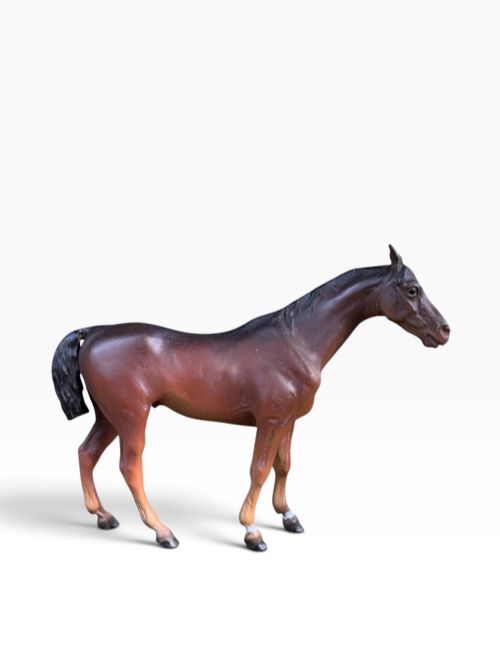
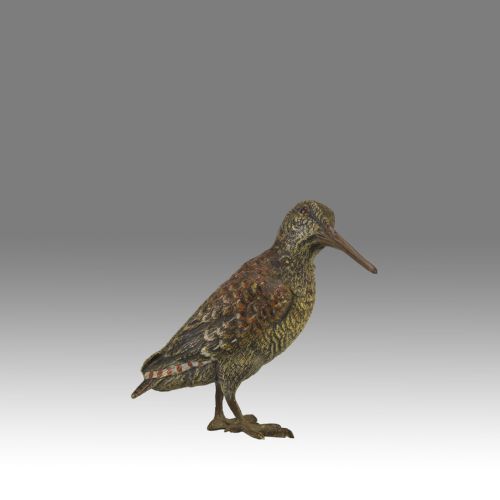
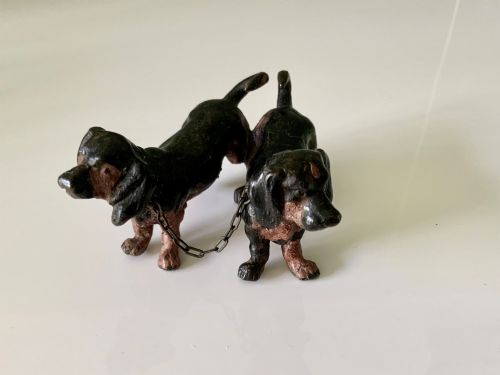
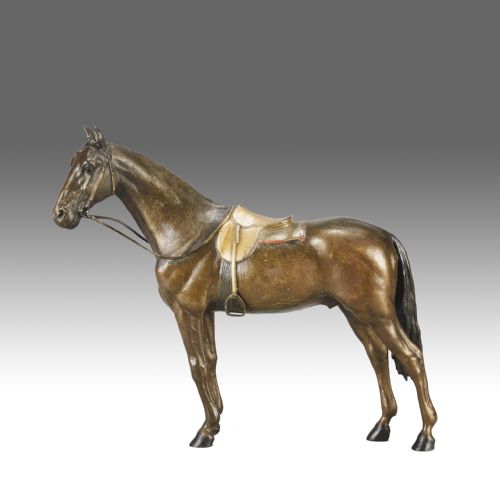
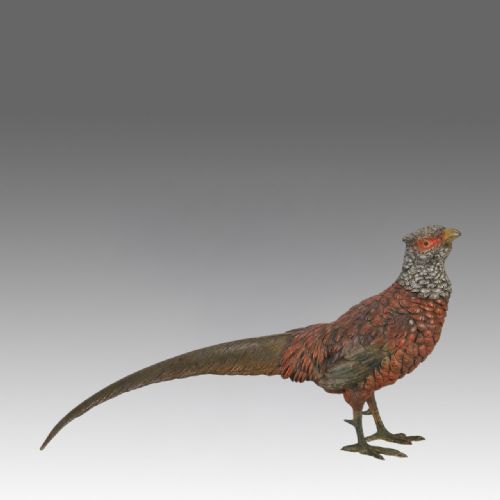
The subjects span household pets like pugs, dachshunds, and bulldogs alongside birds such as kingfishers, pheasants, and parrots. Larger examples include horses, lions, and rhinos, sometimes mounted on bases of green onyx. Many bear the marks of notable Austrian foundries and workshops from the Victorian, Art Nouveau, and Art Deco eras.
Materials and methods
Foundries cast molten bronze or spelter into intricate moulds, while some workshops utilised terracotta for larger animal models. These metal and clay bodies formed the solid foundation for the decoration that followed.
Artisans applied polychrome paint by hand directly onto the cold metal without high-temperature firing, a technique that defines the category. This surface pigment requires careful preservation to maintain the realistic or decorative tones of feathers, fur, and hides.
The selection includes functional objects such as inkwells and pin cushions alongside pure animal sculptures.
Standards of craftsmanship
The refinement of the casting dictates the naturalism of the animal's musculature and posture, distinguishing finely detailed sculptures from simpler forms. Crisp rendering of feathers, fur, and facial expressions shows the sculptor's original skill.
The preservation of the original hand-applied paint surface holds significant weight, as untouched polychrome finishes command greater respect than later touch-ups. Signed foundry marks and the inclusion of natural bases like green onyx further elevate specific pieces.
Franz Bergman·Bernard Bloch·Jules Moigniez
The Cold Painted Animal Figures Glossary
- Vienna Bronze
- A term for small bronze sculptures produced in Austrian foundries, famed for naturalistic animal subjects. These pieces gained international renown during the late nineteenth and early twentieth centuries.
- Cold-Painted
- A method of decorating metal sculptures with oil or enamel paint without kiln-firing. This technique creates vibrant polychrome finishes on bronze and spelter objects.
- Animalier
- A nineteenth-century artistic movement dedicated to the realistic portrayal of animals. Sculptors in this tradition focused on capturing the anatomy and movement of wildlife and domestic beasts.
- Spelter
- An alloy of zinc and other metals used as a less expensive alternative to bronze. It frequently serves as the base metal for figurative sculptures from the early twentieth century.
- Terracotta
- Fired clay used for sculptural models and figures. Austrian workshops employed this porous material for substantial domestic animal models.
Cold Painted Animal Figures: Frequently Asked Questions
What periods do these sculptures come from?
The majority of these pieces date from the late nineteenth century and the early decades of the twentieth century. You will encounter styles spanning Victorian realism, Art Nouveau, and Art Deco.
Production flourished around nineteen hundred, particularly within Austrian foundries specialising in Vienna bronze. Dates generally cluster between the late eighteen hundreds and nineteen twenty.
Are all these figures made of bronze?
While bronze is the predominant metal, sculptors also utilised spelter as an alternative alloy for certain figures. Additionally, some larger dog models were formed from terracotta.
Foundries often combined metals with other natural materials, mounting bronze animal studies onto bases made of green onyx.
How were these figures used originally?
Many existed purely as decorative figurines and miniature sculptures displayed on desks, shelves, and cabinets. Others served practical functions, incorporating inkwells for writing desks or pin cushions for sewing tables.
Artists designed them to bring miniature representations of exotic wildlife and familiar pets into domestic interior spaces.