


Cobalt Porcelain Jug
A cobalt porcelain jug brings a rich indigo glaze to the table, offering a striking display piece or a functional pourer for daily use.
Cobalt Porcelain Jug
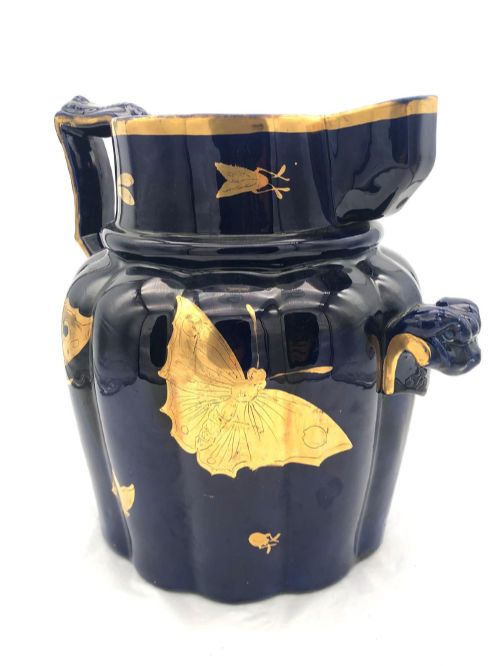
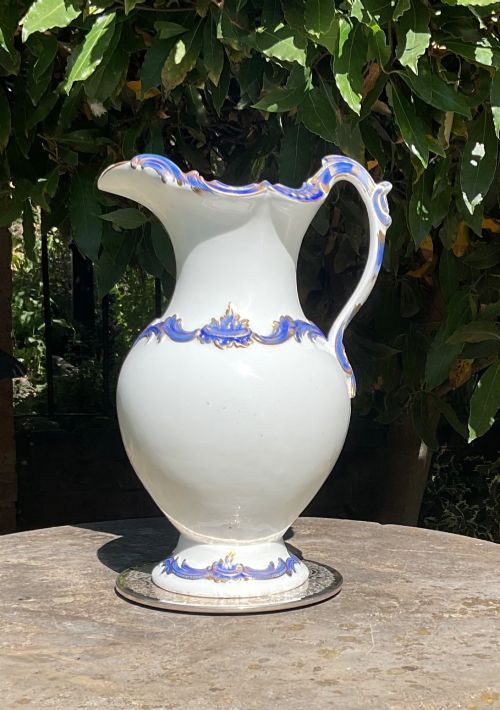
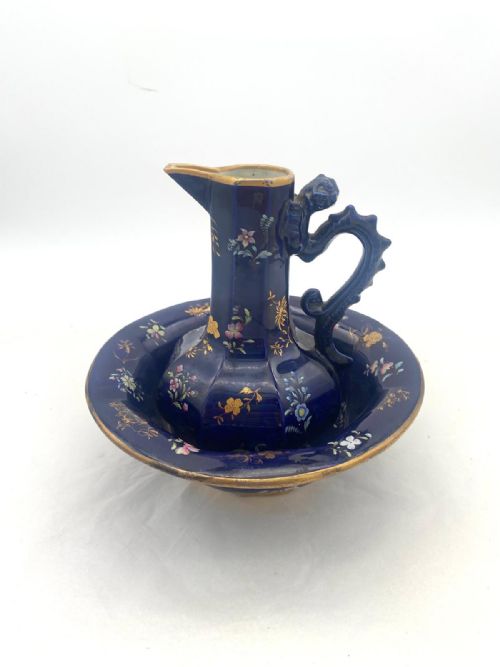
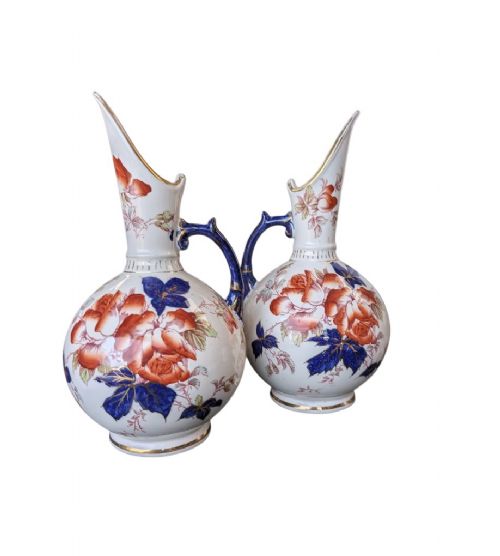
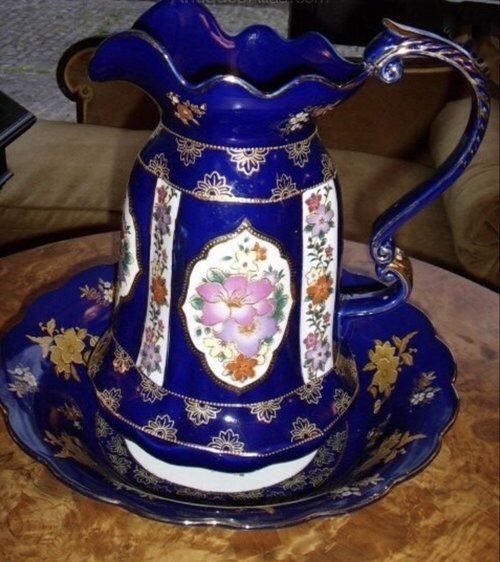
A cobalt porcelain jug encompasses vessels designed for pouring, including water jugs, pitchers, and ewers finished in deep blue glaze. These pieces range from substantial washstand sets to decorative table items.
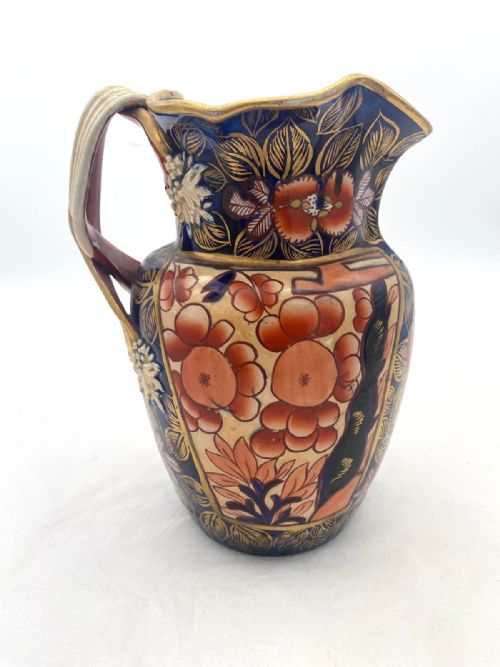
The selection includes English ironstone and porcelain examples alongside Japanese imports. Buyers frequently encounter nineteenth-century productions featuring traditional floral patterns and orientalist motifs.
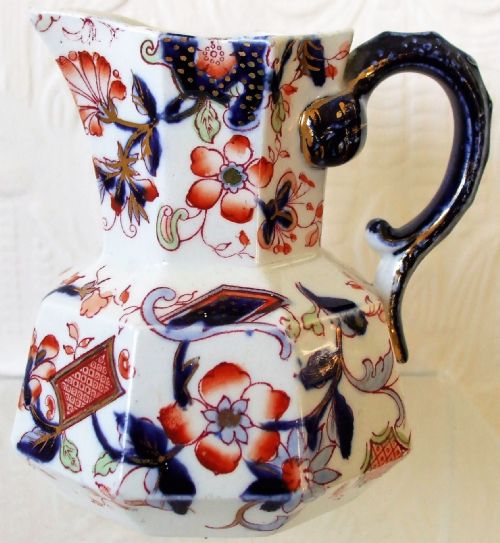
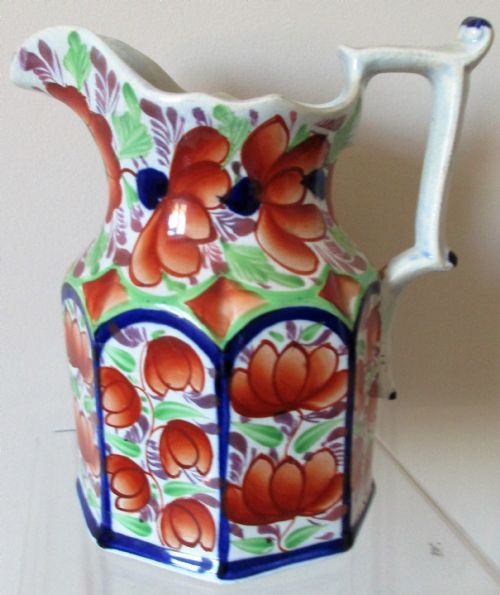
Forms vary from octagonal shapes and mask head designs to classic hydra silhouettes. Many items originate from the Victorian era and earlier nineteenth-century periods.
Quality differences
The depth and consistency of the cobalt blue glaze dictate visual impact, separating flat washes from rich, layered tones. Crispness in moulded details, such as mask heads or serpent handles, reveals the precision of the original ceramic mould.
Hand-painted enrichment, including gold leaf and enamel work, shows varying degrees of artistic control. Early ironstone bodies demonstrate greater weight and durability compared to finer, translucent porcelain alternatives.
Listings feature items from the Georgian and Victorian periods alongside Japanese Imari and Arita pieces.
Keeling and Co·Royal Davenport·Doulton Burslem
The Cobalt Porcelain Jug Glossary
- Cobalt glaze
- A metallic oxide pigment applied under or over the glaze to produce an intense blue colour during firing. This technique remains stable at high temperatures.
- Ironstone
- A heavy earthenware ceramic patented for its durability and resistance to chipping. It bridges the gap between stoneware and fine porcelain.
- Hydra jug
- A ceramic pitcher featuring a distinctive serpent-like handle and flared rim. The shape echoes classical antique forms.
- Parian ware
- A type of biscuity unglazed porcelain developed to imitate carved marble. It produces smooth, matte white decorative items.
Cobalt Porcelain Jug: Frequently Asked Questions
How do I clean a vintage jug?
Wash the ceramic gently by hand using warm water and mild soap. Avoid harsh scrubbers that might damage surface gilding.
Dry thoroughly with a soft cloth to protect any enamel or gold leaf decoration from unnecessary wear.
Can I use these pitchers for serving drinks?
Many examples function well for serving water or wine at the table. Check the interior and glaze for any structural cracks before liquid use.
Ironstone and glazed porcelain generally hold liquids safely, though delicate antique pieces suit display better.
What is ironstone pottery?
Ironstone is a dense, durable ceramic developed in the nineteenth century to withstand daily household demands. It offers strength superior to standard earthenware.
Pieces made from this material feel heavier and resist chipping more effectively than fine porcelain.
How do I date a blue and white jug?
Examine the base for maker marks, registration diamonds, or pattern names. Stylistic clues like Victorian revival shapes also help narrow the timeframe.
Material composition, such as early ironstone versus later earthenware, provides further chronological context.