



Cobalt Porcelain Centrepiece
These cobalt porcelain centrepiece items are striking table displays and bowls, bringing rich blue ceramic tones and historic styles to a room.
Cobalt Porcelain Centrepiece
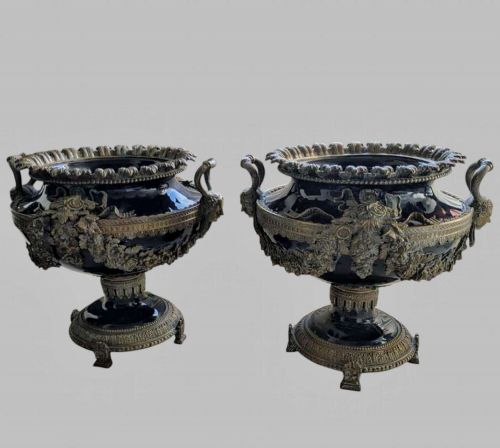
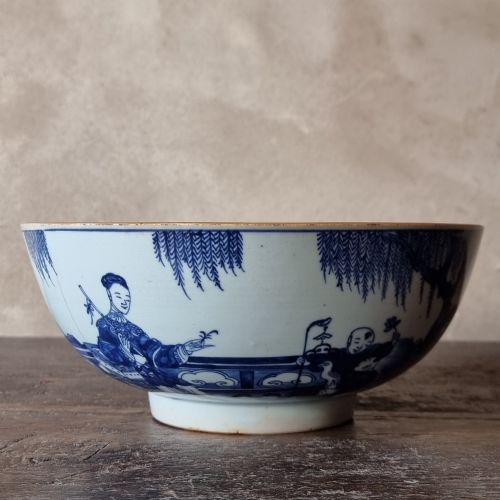
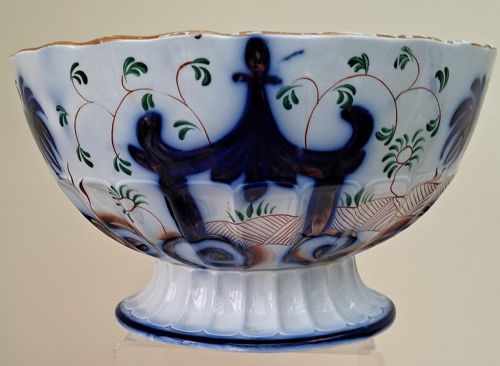
A cobalt porcelain centrepiece brings together large decorative bowls, jardinieres, and comports designed to anchor a table or surface.
The selections span 18th century pieces, Georgian and Victorian items, through to 1900 and Edwardian examples.
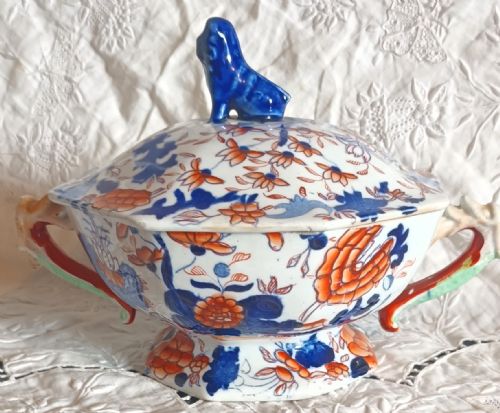
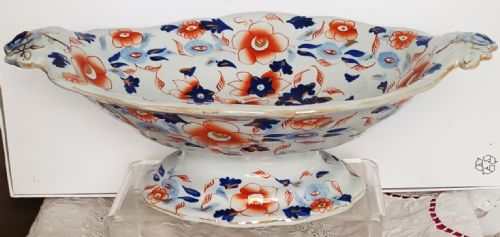
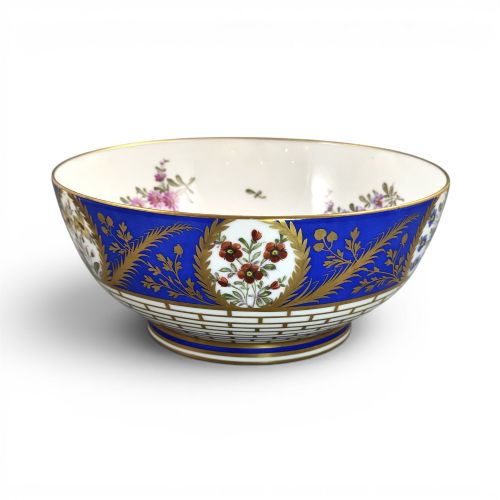
Japanese Imari and Chinese punch bowls appear alongside French Sevres style porcelain and English ironstone items.
Materials and construction
Potters shaped porcelain, ceramic, ironstone, and earthenware bodies before applying deep cobalt blue motifs and enamel decoration.
Many items incorporate gilt bronze, ormolu mounts, and gold leaf highlights to frame the ceramic vessels.
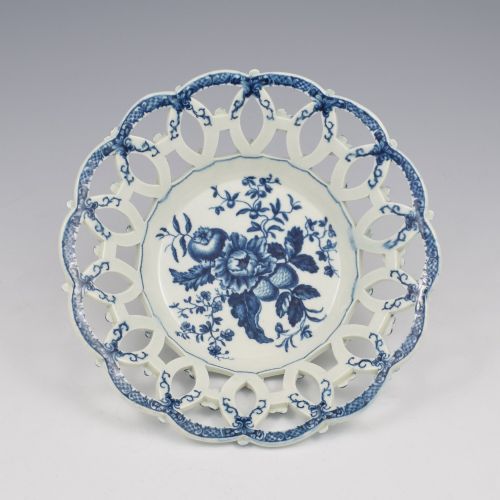
Hand painting and transfer printing techniques define the surface patterns across the English, French, and Asian pieces.
Listings feature items from the 18th century, Georgian period, 19th century, and 1900.
Judging quality
The refinement of the hand painted cobalt motifs and the crispness of the porcelain body set the standard for better examples.
Ormolu mounts and gilt bronze additions display varying levels of chasing and weight that distinguish standard production from finer output.
Doulton Burslem·Kinkozan Kyoto·Royal Crown Derby
The Cobalt Porcelain Centrepiece Glossary
- Comport
- A raised dish or bowl used for serving fruit or displaying items on a table. These often feature footed bases.
- Jardiniere
- An ornamental pot or stand designed to hold large plants or floral arrangements. They appear in ceramic and porcelain materials.
- Imari
- A style of Japanese porcelain featuring cobalt blue and iron red decoration, often enriched with gold. These pieces date across the 19th century and later.
- Ormolu
- Gilded bronze used for mounts and decorative trims on porcelain vessels. It adds weight and structural framing to the ceramic body.
Cobalt Porcelain Centrepiece: Frequently Asked Questions
What is a cobalt porcelain centrepiece used for?
These large bowls and comports serve as focal points on dining tables, sideboards, or pedestals. Historically they held fruit, punch, or floral displays.
Today they function primarily as decorative statements that showcase rich blue ceramic pigments and historic craftsmanship within an interior.
How do I identify Japanese Imari pieces?
Japanese Imari items feature distinctive cobalt blue underglaze painting combined with iron red enamel and gold highlights. The patterns often incorporate traditional floral and panel motifs.
These pieces span the 19th century and the Meiji period, showing dense ornamentation and robust porcelain bodies.
What is the difference between ironstone and porcelain?
Ironstone is a dense, heavy ceramic developed in England as a durable alternative to porcelain. It offers strength while accepting colourful glazes and transfer prints.
Porcelain possesses a finer, translucent body fired at higher temperatures, often associated with cabinet pieces and refined dining wares.
How do I care for antique ceramic centrepieces?
Dust these decorative vessels gently with a dry, soft cloth to protect surface enamel and gilt bronze mounts. Avoid using harsh chemical cleaners or submerging mounted pieces in water.
Place them on stable surfaces away from direct sunlight and heavy foot traffic vibrations to preserve the ceramic and ormolu.