



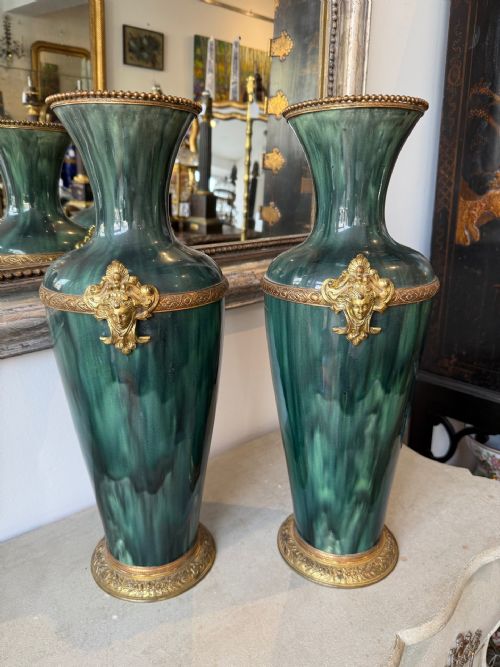


Mounted Ceramic Vase
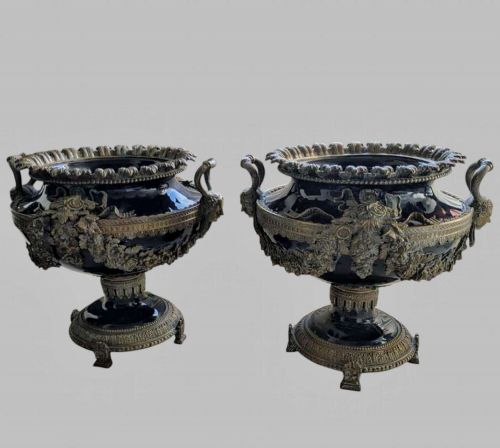
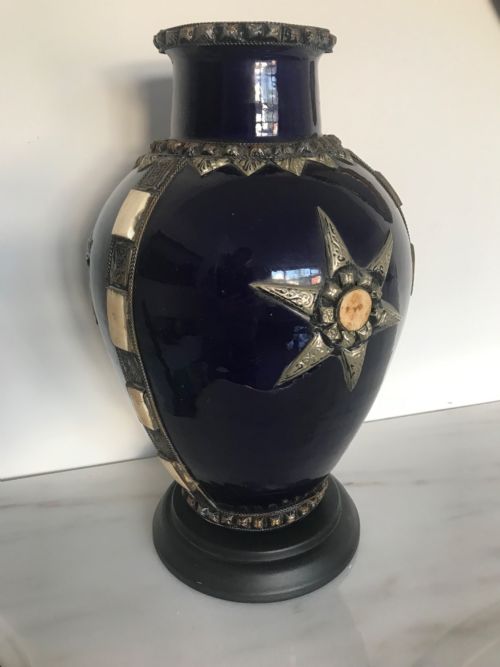
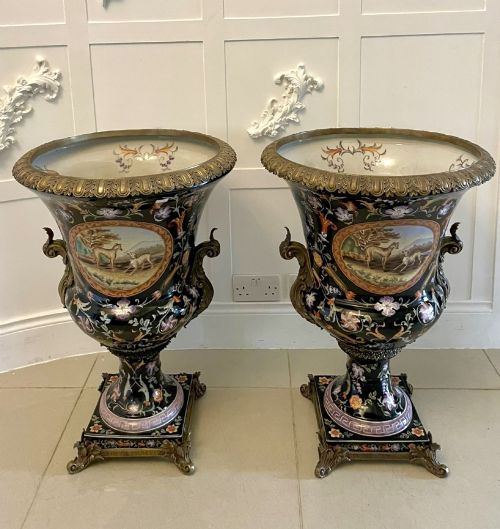
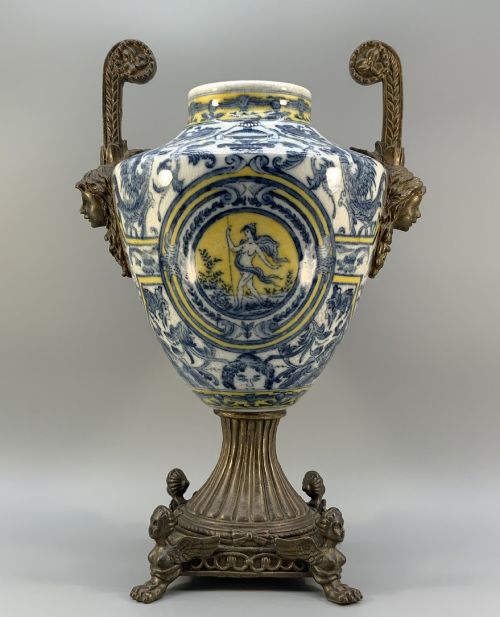
A mounted ceramic vase brings together a fired earthenware or porcelain body and cast metal mounts, turning a vessel into a centrepiece.
Mounted Ceramic Vase
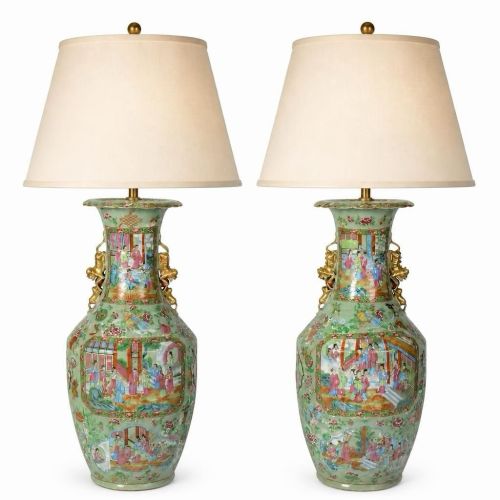
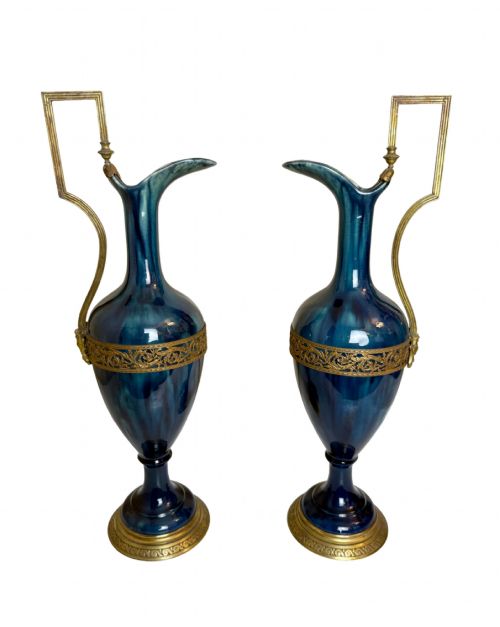
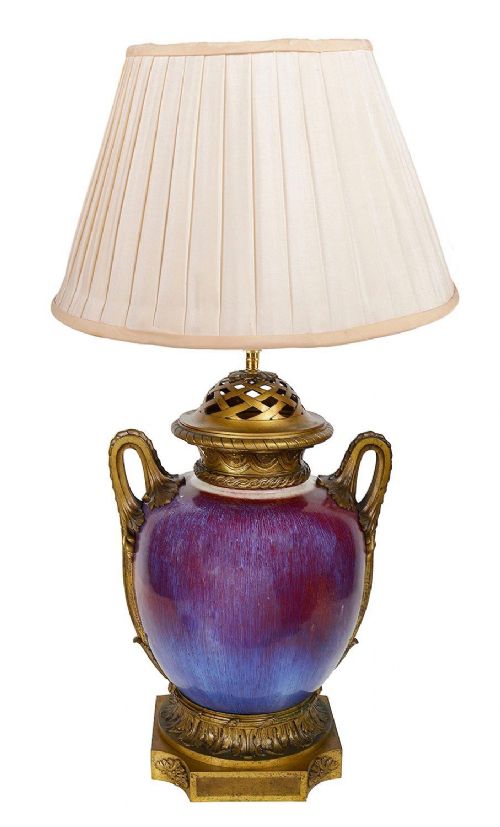
When you search for a mounted ceramic vase, you find vessels where European metalwork frames Asian or European ceramics. The pieces range from large lidded jars and jardinieres to table lamps adapted from earlier vessels.
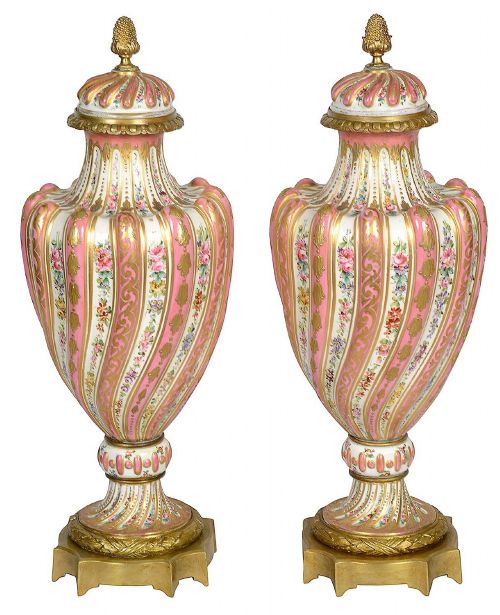
Nineteenth-century French and Chinese items dominate the selection, often combining blue and white, celadon, or famille rose porcelain with gilt bronze and ormolu. Many items started as ornamental jars or garniture sets before receiving metal mounts or electrical fittings.
Makers across France, England, and Japan produced these works, drawing on styles from the Renaissance Revival to French Rococo and Chinese export traditions. The vessel and the mount operate as a single decorative unit rather than separate elements.
How they were made
The ceramic bodies rely on traditional throwing or moulding techniques in porcelain, earthenware, and faience, followed by hand-painting and high-temperature glazing. Artisans applied cobalt, enamels, and monochrome glazes before the final kiln firing.
Metal mounts utilise brass, gilt bronze, and ormolu, shaped through lost-wax casting and hand-chiselling to fit the contours of the ceramic. The mounts often secure the rim, base, and handles, reinforcing structural weaknesses while adding ornamental detail.
Napoleon Bonaparte inspired grand commemorative vases, ensuring that even a quiet parlour could harbour an emperor's oversized porcelain ego.
What varies in quality
The precision of the metal casting and the crispness of the hand-chased detail separate fine mounts from basic commercial work. Superior ormolu shows sharp undercuts and deep fire-gilding, whereas lesser pieces display softer lines and flat patination.
The quality of the ceramic painting and the harmony between the vessel and its mount dictate the standing of the piece. A balanced composition integrates the brass or bronze hardware naturally with the painted motifs on the porcelain body.
Hayakawa·Minton·Samson·Sevres
The Mounted Ceramic Vase Glossary
- Ormolu
- Finely ground high-carat gold applied to a bronze base through a mercury amalgamation process. This technique creates a durable, warm metallic lustre common on nineteenth-century French mounts.
- Famille Rose
- A palette of opaque pink and rose enamel colours introduced to Chinese ceramics in the eighteenth century. Artisans used these tones to render floral and figural scenes.
- Jardiniere
- A large ornamental pot or vessel designed to hold plants or floral arrangements. They frequently feature ceramic bodies with matching stands or metal bases.
- Garniture
- A set of three or more matching vases or urns designed to sit symmetrically on a mantelpiece. These sets often share identical glaze colours and decorative motifs.
- Celadon
- A pale green jade-like glaze fired over a stoneware or porcelain body. The colour results from small amounts of iron oxide interacting in a reducing kiln atmosphere.
Mounted Ceramic Vase: Frequently Asked Questions
How do I clean a mounted ceramic vase?
Dust the ceramic body gently with a dry, soft cloth to prevent the accumulation of dirt in painted crevices. Avoid commercial liquid cleaners on painted porcelain surfaces.
Polish the brass or ormolu mounts using a dry microfibre cloth without harsh chemical brass cleaners. Keep moisture away from any wired electrical components if the vessel has been converted into a lamp.
Were these pieces originally made as lamps?
Most nineteenth-century mounted ceramic vases began life as decorative urns, lidded jars, or garniture pieces. Makers often added electrical wiring during later decades to update the vessels for domestic lighting.
Original ceramic potting and hand-painting usually predate the metal mounting and electrical hardware by many years. The conversion process occasionally involved drilling through the base of the porcelain.
How do I date a mounted vase?
Examine the style of the metal mounts, as cast brass and ormolu reflect the prevailing taste of their fabrication period. Renaissance Revival and Rococo Revival hardware point towards the nineteenth century.
Look at the ceramic glaze and base markings for clues to the origin of the body. Chinese export wares and European reproductions often carry specific stylistic markers linked to particular dynasties or factories.
Can the metal mounts be removed safely?
The metal mounts are typically secured with pins, screws, or adhesive compounds designed to fit the ceramic contours. Removing them risks damaging the glaze and the structural integrity of the vessel.
Leave the hardware attached, as the mounts form an integral part of the piece's historical design and decorative identity.