

Cobalt Porcelain Bowl
A cobalt porcelain bowl brings deep blue richness to a table, uniting centuries of Chinese, Japanese, and European ceramic craft.
Cobalt Porcelain Bowl
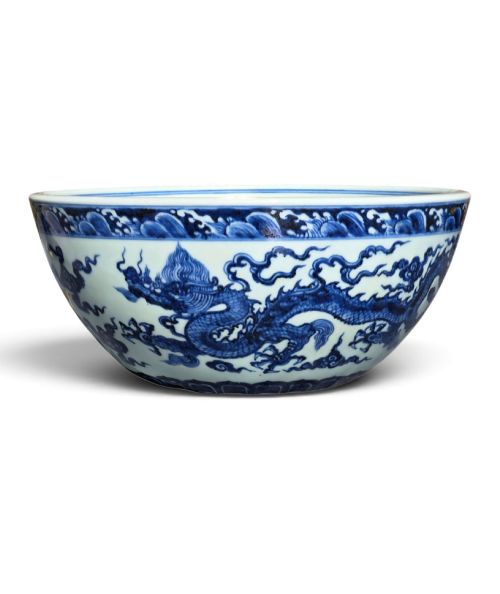
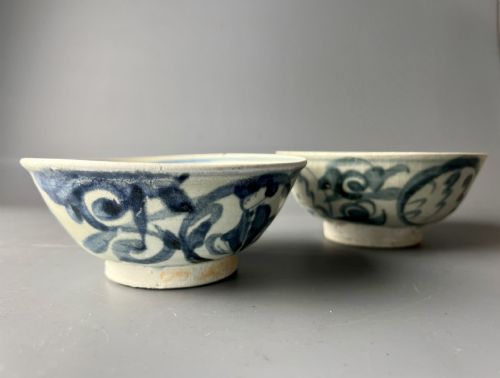
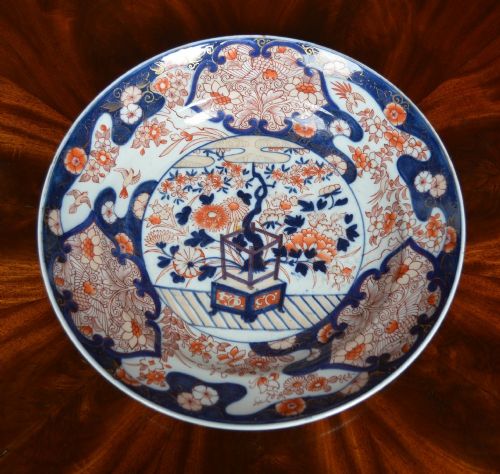
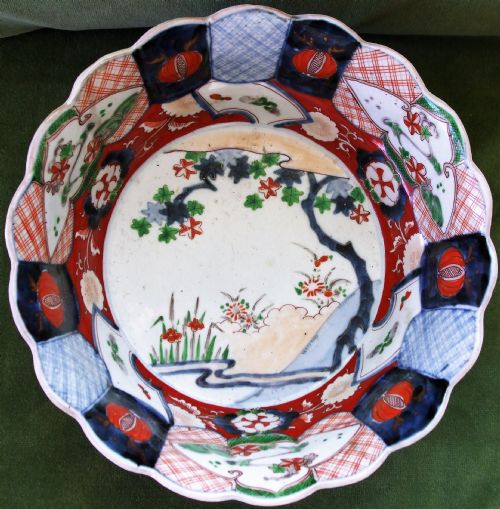
A cobalt porcelain bowl draws the eye with intense blue pigment fired beneath or upon a white ceramic ground. When searching for a cobalt porcelain bowl, collectors encounter diverse forms ranging from large Japanese Imari display pieces to delicate Chinese underglaze blue vessels.
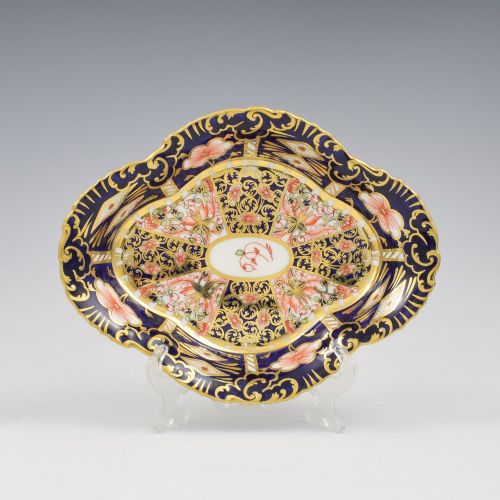
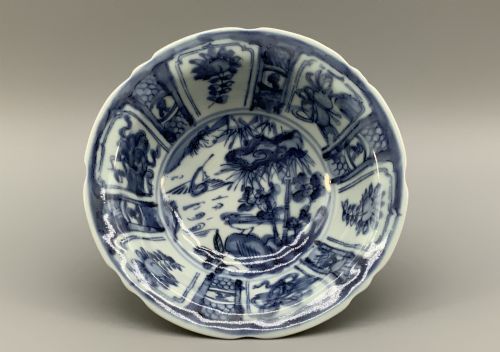
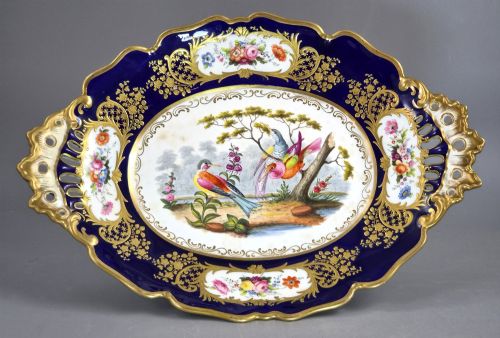
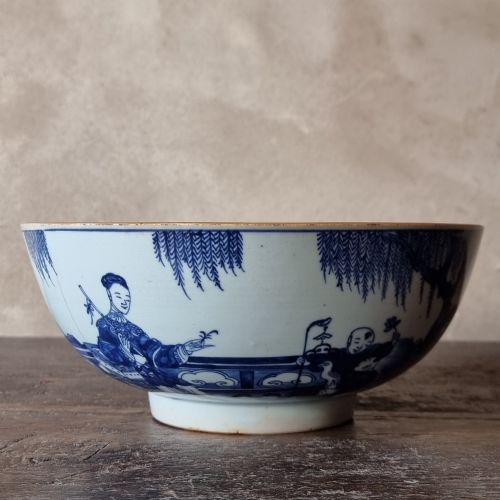
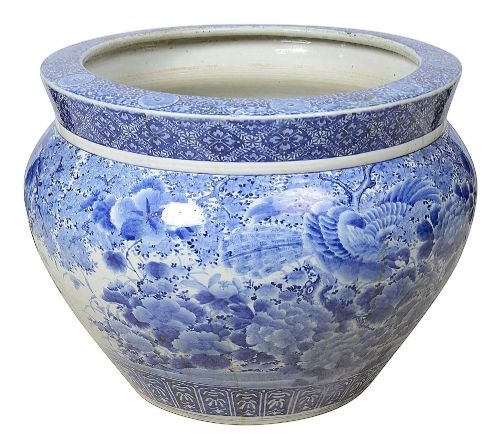
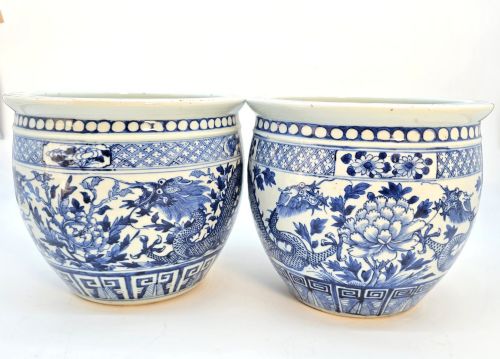
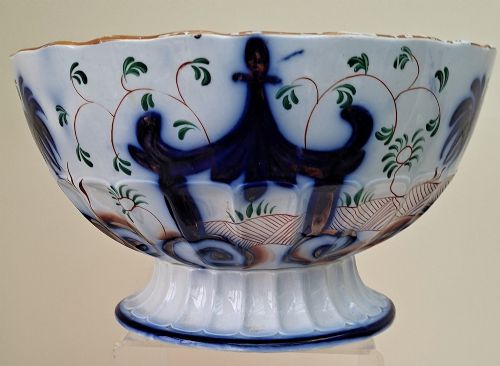
The selection on this page spans several centuries, touching periods from the seventeenth century through the Victorian era and the Meiji period. Forms include deep scalloped centrepieces, punch bowls, and heavy jardinières alongside domestic sugar boxes.
Origin plays a defining role in these objects, separating Asian export wares from English and French factory productions. Each region adapted the iconic blue and white palette to its own domestic or decorative uses.
Materials and manufacture
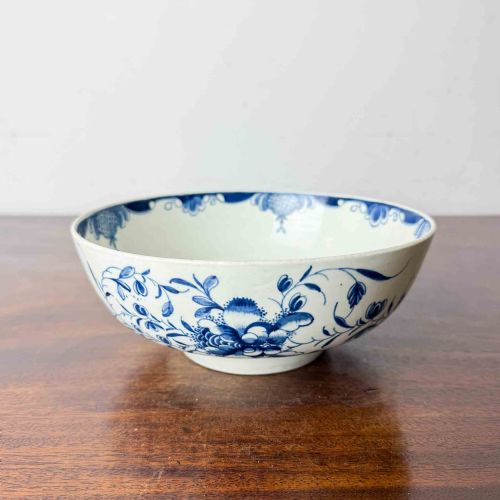
Makers utilised fine ceramic bodies, predominantly porcelain and ironstone, shaped into circular, lobed, or scalloped vessels. Cobalt glaze or pigment provided the enduring blue decoration, frequently applied by hand before glazing and firing at high temperatures.
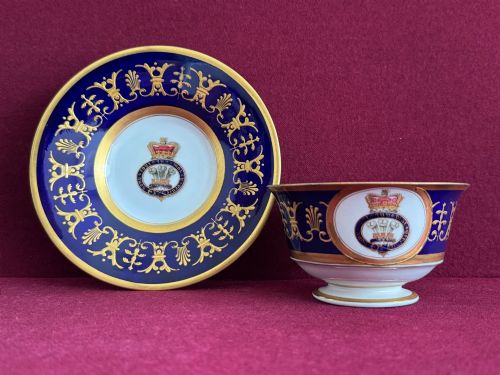
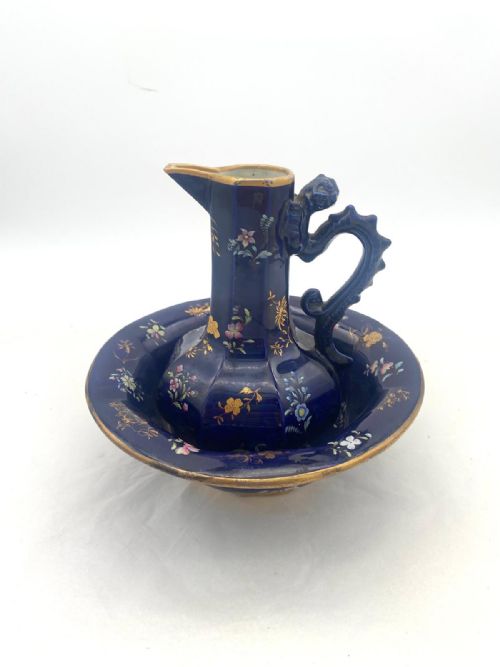
Decoration was often heightened with gold leaf, enamel, or gilt detailing over the glaze, adding metallic lustre to the deep blue motifs. European factories such as Worcester, Mintons, and Coalport combined these traditional Asian-inspired palettes with domestic moulding techniques.
Several bowls feature scalloped edges designed specifically to mimic unfolding flower petals.
Assessing quality and execution
Quality rests upon the crispness of the cobalt painting and the purity of the white porcelain ground. Superior examples display precise brushwork and balanced compositions, whereas simpler wares show more repetitive or hurried application.
The integration of supplementary materials, such as clean gilding and evenly applied enamel, distinguishes finer pieces. Potteries with established reputations, like those associated with early Worcester or Doulton Burslem, maintained stricter standards in their kiln work and moulding.
Coalport·Masons Ironstone·Samson Paris·Mintons·Royal Crown Derby·Doulton Burslem
The Cobalt Porcelain Bowl Glossary
- Cobalt glaze
- A deep blue mineral preparation applied to ceramics before or after initial firing. It remains stable at high temperatures, producing the characteristic rich blue colour seen in traditional wares.
- Imari
- A style of Japanese export porcelain originating in the Edo period, typically featuring a palette of cobalt blue and iron red, often enriched with gold. Pieces frequently display intricate floral and panel designs.
- Underglaze blue
- A decorative technique where cobalt pigment is applied directly to the unfired ceramic body before a transparent glaze is added. This protects the blue pigment beneath a glassy surface for lasting durability.
- Ironstone
- A heavy, durable type of ceramic developed in nineteenth-century England as a robust alternative to porcelain. It readily absorbed rich glazes and supported complex moulded shapes.
- Scallop edge
- A decorative rim shaped into a series of symmetrical curves resembling a scallop shell. This treatment is common on display bowls and decorative dishes from the nineteenth century.
Cobalt Porcelain Bowl: Frequently Asked Questions
What is a cobalt porcelain bowl used for?
These vessels historically served both functional dining purposes, such as punch service or soup presentation, and purely decorative display roles. Large examples functioned as centrepieces or jardinières for plants.
Today, collectors primarily display them on tables, cabinets, or walls to showcase the striking contrast of blue and white glaze.
How do I date an antique cobalt porcelain bowl?
Dating relies on examining the ceramic body, glaze characteristics, and any factory marks or potting styles present on the base. Chinese pieces often reference imperial periods like the Kangxi reign, while English and European wares reflect Regency or Victorian manufacturing standards.
Comparing potting weight, foot rim finish, and pigment tone against known factory output helps narrow the production era.
How should I care for an antique bowl?
Antique ceramics require gentle handling, avoiding sudden temperature changes and harsh cleaning agents that can damage delicate enamel or gilt overglaze decorations. Hand washing in lukewarm water with mild soap is generally preferred when cleaning is necessary.
Displaying them away from direct sunlight protects the pigments from fading over extended periods.