
19th Century Centerpiece
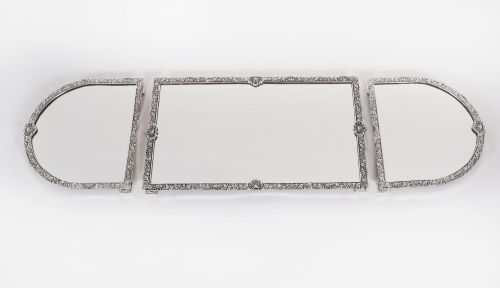
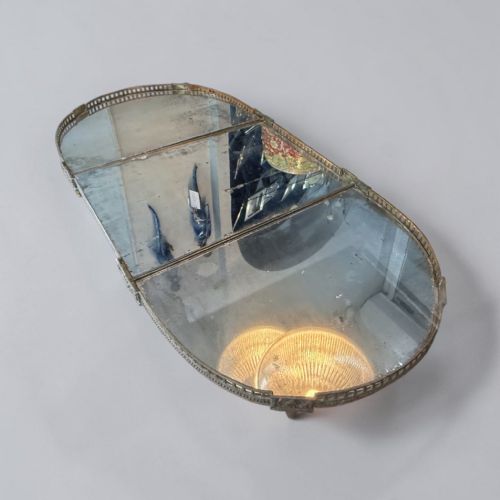
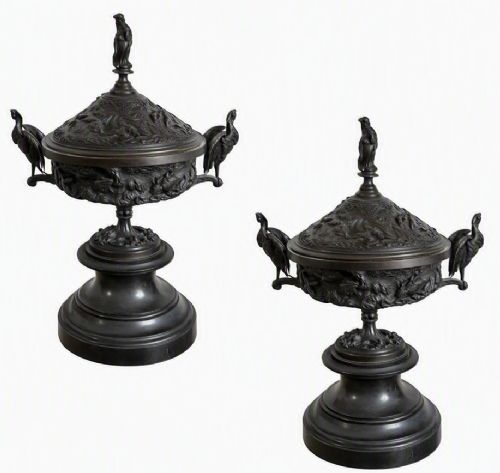
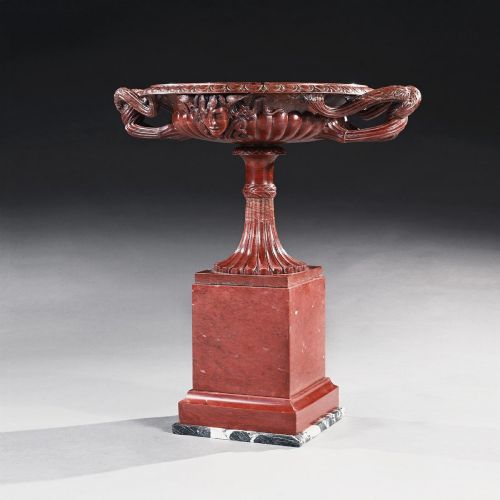
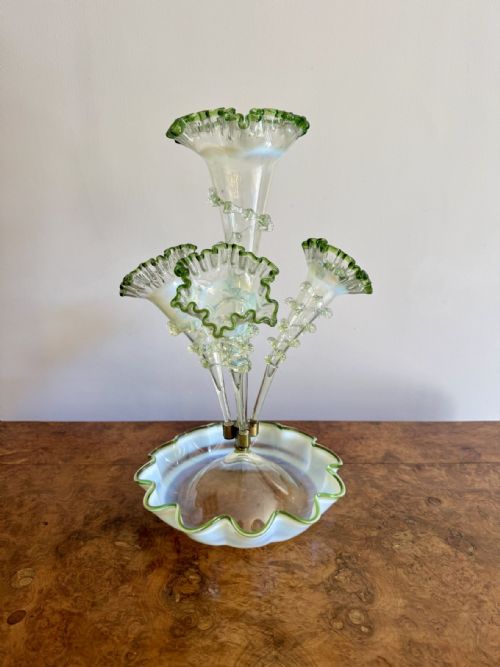
A 19th century centerpiece commands attention on a dining table or sideboard with elaborate metalwork and polished glass.
19th Century Centerpiece
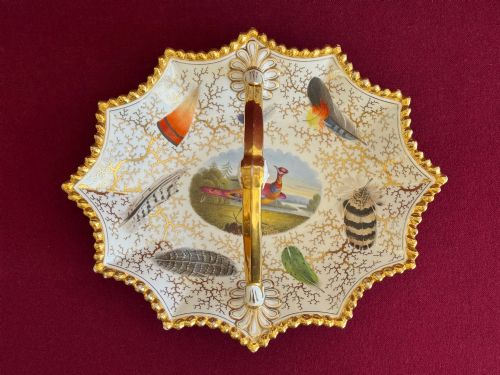
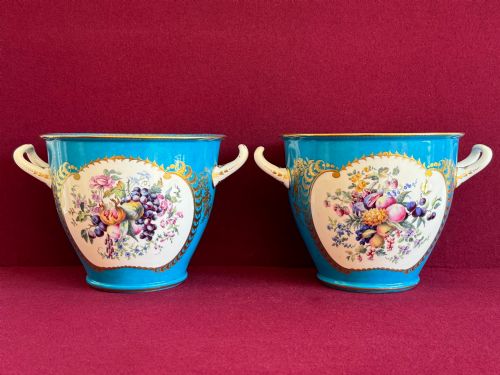
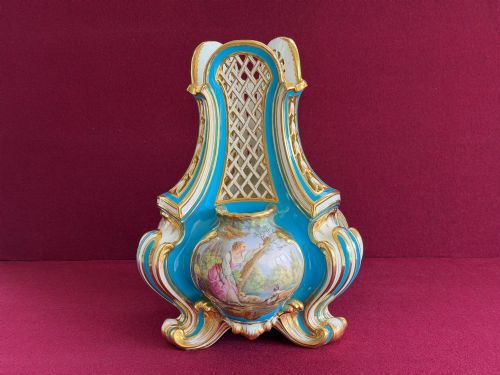
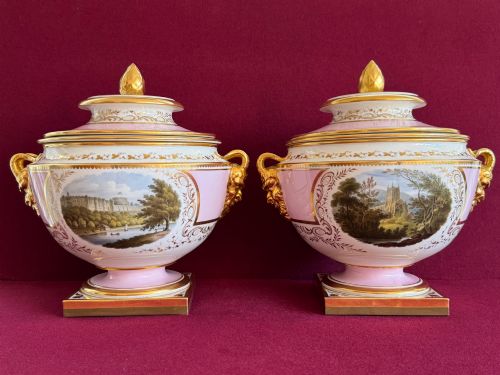
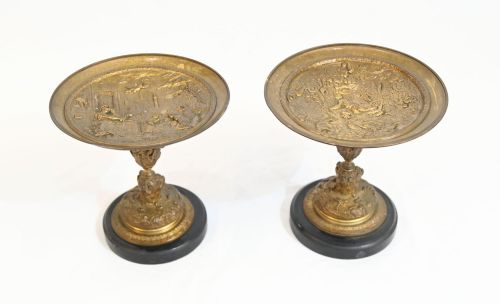
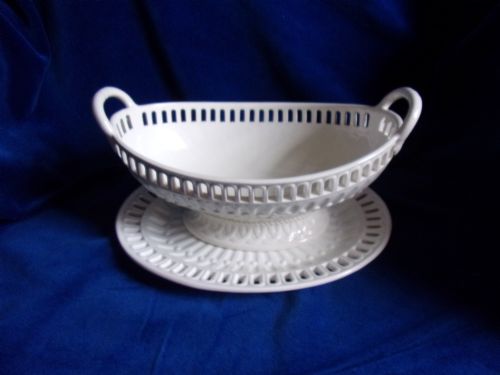
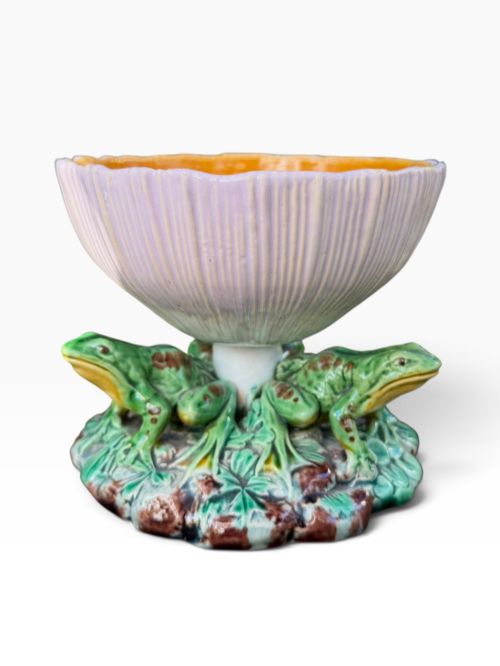
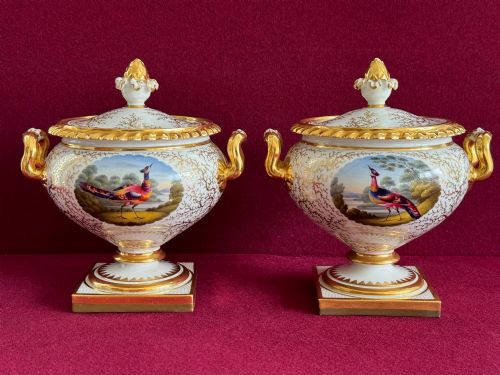
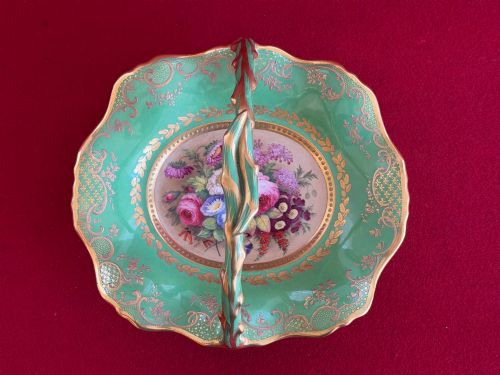
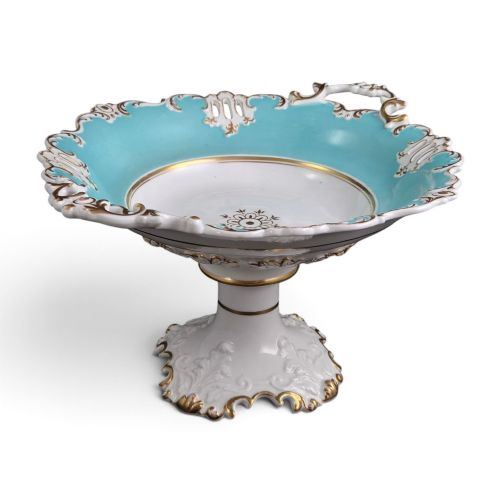
When you search for a 19th century centerpiece, you encounter ornate decorative vessels, tazzas, and large candelabra designed to anchor a formal table setting. The most frequent examples on this page combine gilded mounts with crystal bowls, porcelain dishes, or cut glass inserts originating from English, French, and continental workshops.
These items span periods from the Regency era through the Victorian decades and into the late nineteenth century, reflecting shifting tastes from classical restraint to exuberant revival styles. Forms range from low fruit dishes and pedestal bowls to towering multi-branch candelabra and figural jardinieres.
Makers across Europe produced these works in porcelain, silver plate, and bronze to satisfy elite dining customs that demanded impressive table decorations. Surviving pieces often retain their original liners, stands, or matched pairs, though many have lost minor detachable elements over generations of use.
Materials and Construction
Foundational elements typically rely on cast gilt bronze, ormolu, or silver plate formed into architectural bases, scrolling feet, and figural supports. Artisans employed lost-wax casting for metal mounts, finishing the surfaces with fire gilding or chasing to achieve sharp botanical and mythological details.
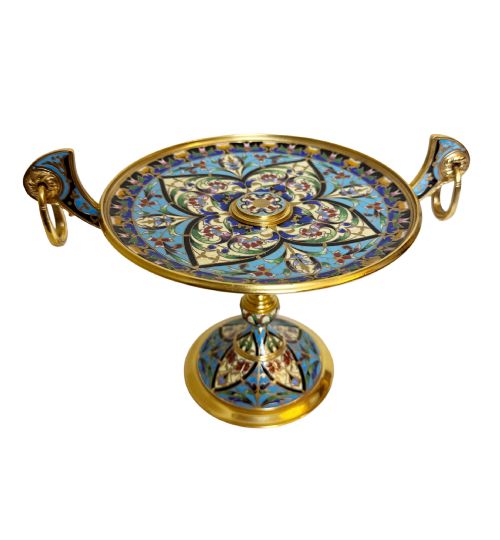
Glass components feature heavy lead crystal, cut glass, or pressed uranium glass shaped into bowls and comports, while ceramic versions utilise bone china, majolica, or biscuit porcelain decorated with hand-painted enamels and gilt accents. Champlevé enamel work and inlaid marble frequently add colour and weight to the structural frames.
Listings feature nineteen-century periods ranging from the Regency era through Victorian decades to late century French manufacture.
Evaluating the Craftsmanship
The standard of a piece rests heavily on the crispness of the metal chasing and the depth of the gilding applied to the bronze or ormolu mounts. Finer examples display meticulously hand-chiselled details on figures, foliage, and scrollwork rather than the softer edges typical of mass-produced castings.
Material quality also dictates value, seen in heavy lead crystal with deep wheel-cut facets, unblemished porcelain bodies, and substantial silver plating over solid base metals. Attributions to known houses or documented designers elevate the standing of an object, as do balanced proportions and complete, undamaged glass liners.
Pierre Philippe Thomire·Garrard and Co·Thomas Bradbury·George W Scott and Sons·Benedetto Boschetti
The 19th Century Centerpiece Glossary
- Tazza
- A shallow bowl or dish mounted on a stemmed foot, frequently used for serving fruit or sweets on formal tables.
- Ormolu
- Finely chopped and mercuric-gilt bronze used extensively for decorative mounts on nineteenth-century furnishings and vessels.
- Comport
- A pedestal dish or stand elevated above the table surface to hold fruit, flowers, or confectionery.
- Champlevé
- An enamelling technique where troughs are dug into a metal surface and filled with coloured glass paste before firing.
- Jardiere
- A large ornamental pot or stand designed specifically for holding growing plants or floral arrangements.
19th Century Centerpiece: Frequently Asked Questions
What was a 19th century centerpiece used for?
These large vessels sat at the middle of formal dining tables to hold fruit, sweetmeats, or elaborate floral arrangements during multi-course meals.
They served primarily as visual spectacles that demonstrated the host's wealth and refined taste to assembled guests.
How do I clean an antique centerpiece?
Dust metal mounts gently with a soft dry brush and avoid harsh chemical dips that strip away original gilding or silver plating.
Wash glass and porcelain components separately using lukewarm water and mild soap, ensuring every part dries completely before reassembly.
Are glass liners usually original?
Finding a piece with its matching original glass bowl or liner is a significant bonus, as many inserts broke or were replaced over decades of household use.
Replacements often differ slightly in tint, weight, or fit when inspected closely against the surrounding metal frame.
How do I distinguish French and English pieces?
French examples often lean toward sculptural gilt bronze, champlevé enamel, and ornate revival styles influenced by Parisian taste and Grand Tour motifs.
English equivalents frequently favour silver plating, cut crystal, and restrained ceramic bodies aligned with Victorian dining room aesthetics.