


French Porcelain Centerpiece
A french porcelain centerpiece brings weight and ornamentation to a table, combining ceramic vessels with cast metal mounts.
French Porcelain Centerpiece
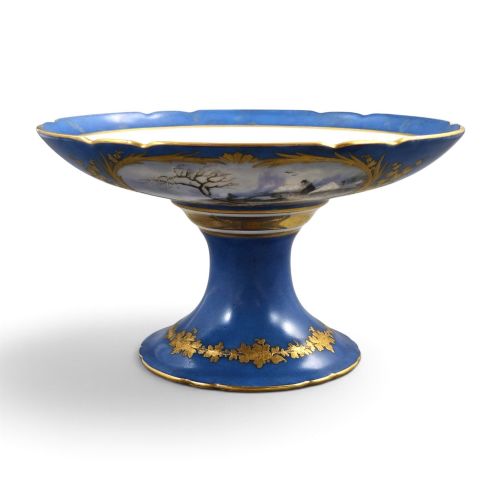
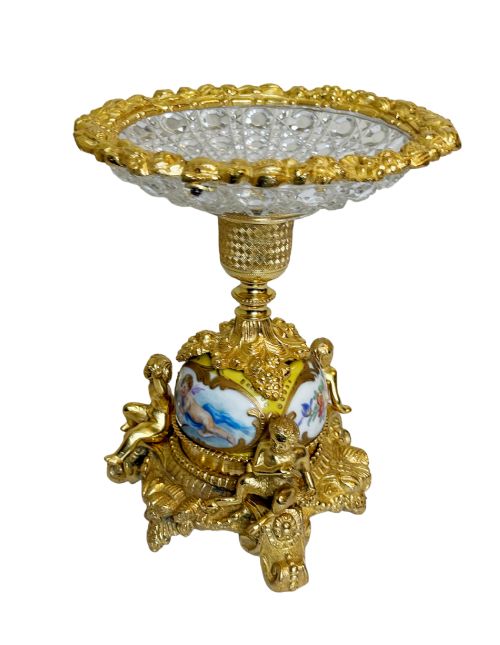
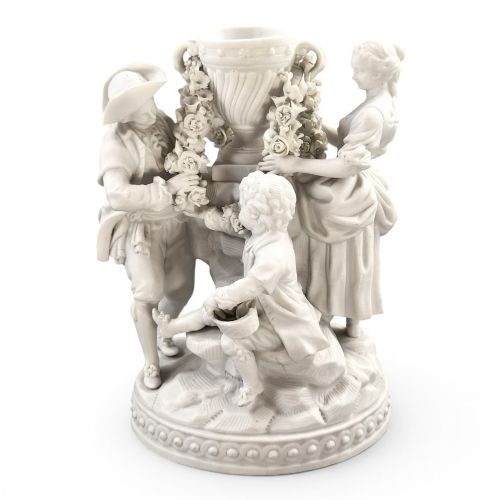
A french porcelain centerpiece sits on a table or sideboard as a formal display piece, taking the form of open bowls, comports, tazzas, and sculptural groups. These items function primarily to decorate a room rather than to serve food directly, often incorporating high-sided bowls or shallow dishes meant for visual impact.
The objects span multiple periods, from eighteenth-century soft-paste items and nineteenth-century productions to twentieth-century revival styles. Victorian examples and pieces bearing nineteenth-century dates appear frequently, showing the enduring popularity of ornate tabletop displays.
Makers and workshops range from documented urban studios to anonymous regional kilns, with Paris porcelain and Sevres-style wares dominating the available forms. Buyers encounter everything from armorial bowls to elaborate garnitures framed in gilt bronze.
Materials and construction
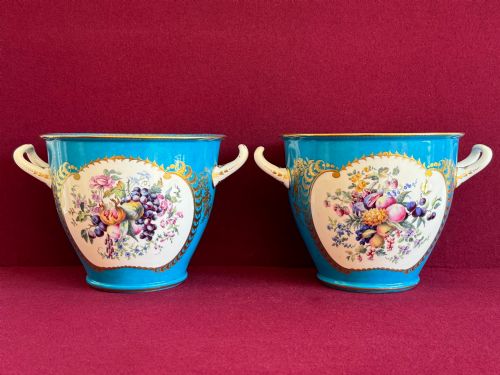
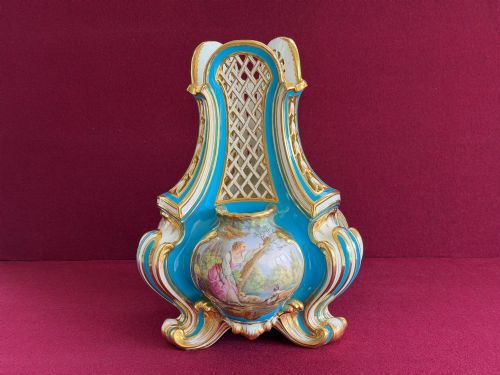
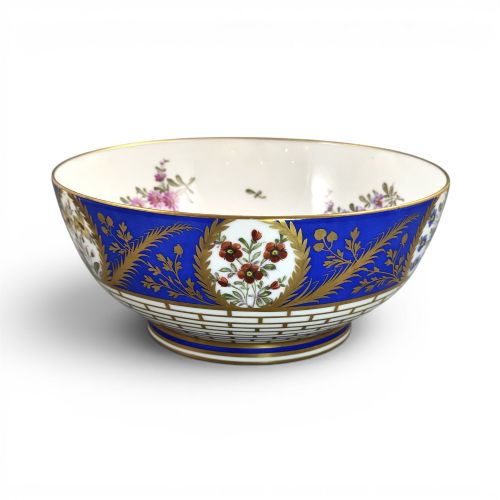
Makers formed the bodies using ceramic paste, glaze, and biscuit porcelain, occasionally employing soft-paste formulas for eighteenth-century objects. Artisans painted these surfaces by hand, incorporating enamel colours and gold leaf to highlight floral garlands, figural scenes, and heraldic motifs.
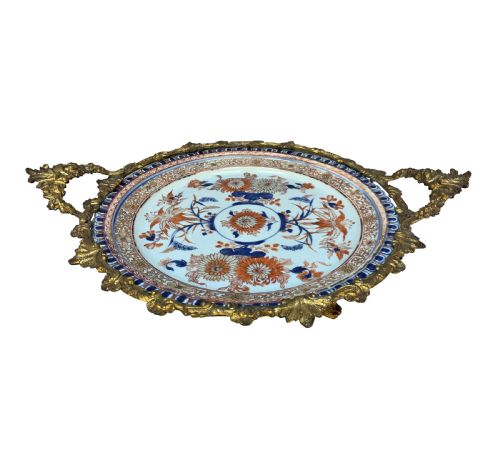
Metalworkers combined ormolu, gilt bronze, and cut crystal with the ceramics, casting mounts that secured the rims, handles, and bases of the vessels. Champleve enamel work and cast cherubs or birds appear on the metal components, anchoring the porcelain securely within a decorative metallic frame.
The listings show nineteenth-century pieces dominate the selection, frequently pairing porcelain bowls with gilt bronze ormolu mounts.
Assessing quality and execution
The refinement of the painted decoration and the crispness of the bronze casting separate standard decorative items from superior examples. Hand-penciled gilding and delicately rendered enamels indicate higher workshop standards than transfer-printed or hastily brushed surfaces.
The integration between the ceramic body and the metal mount reveals the maker's skill, where well-fitted ormolu frames follow the exact contours of the porcelain without obscuring the glaze.
Le Manceau
The French Porcelain Centerpiece Glossary
- Ormolu
- Gilded bronze used for mounts and decorative accents. This technique involves applying a gold amalgam to a bronze base.
- Comport
- A large elevated bowl or dish used on a formal table. These pieces stand on a central foot or pedestal.
- Biscuit
- Unglazed porcelain with a matte, marble-like finish. Makers use this ceramic state for sculptural figures.
- Tazza
- A shallow bowl or cup mounted on a stem and foot. The form derives from classical vessels.
- Champleve
- An enamelling technique where troughs are dug into metal and filled with coloured glass paste before firing. This adds rich colour to metal mounts.
- Garniture
- A set of matching decorative vessels designed to be displayed together on a mantelpiece or sideboard.
French Porcelain Centerpiece: Frequently Asked Questions
What is a french porcelain centerpiece used for?
These pieces served as ornamental table decorations during formal meals, occupying the centre of the dining arrangement to display fruit, flowers, or simply their own decorative merits. In domestic settings, owners placed them on large tables or sideboards where their painted glazes and metal mounts caught the light.
Over time, their role shifted from dining accessories to purely decorative objects displayed in cabinets or on console tables. Their substantial size and ornate design made them focal points in nineteenth-century drawing rooms.
How do I identify a nineteenth-century piece?
Nineteenth-century examples often combine porcelain bowls with heavy ormolu mounts, reflecting the period's taste for revival styles like Rococo and Empire. Examination of the glaze, gilding wear, and the construction of the bronze mounts helps distinguish these nineteenth-century interpretations from earlier eighteenth-century originals.
Makers working in the nineteenth century frequently drew inspiration from earlier Sevres or Chinese export designs. Documentation on the base or the specific style of the bronze casting can further clarify the date of manufacture.
How should I clean a piece with gilt bronze mounts?
Cleaning requires a soft, dry cloth to remove dust from both the porcelain surface and the metal mounts. Avoid liquid cleaners and harsh polishes, which can strip the gold leaf from the bronze or damage the enamel decoration on the ceramic.
If the piece requires deeper conservation, professional intervention prevents accidental wear to the fragile gilt surfaces. Keeping the object away from direct sunlight and moisture preserves the integrity of the glaze and the metal.
What does Sevres style mean?
The term denotes pieces made in imitation of the famous French royal porcelain factory, utilising similar blue grounds, hand-painted floral panels, and rich gilding. These items were produced by various European workshops and independent Parisian decorators during the nineteenth century to satisfy demand for courtly aesthetics.
While lacking the royal provenance of actual factory pieces, these items often display exceptional craftsmanship in their porcelain bodies and ormolu mounts. They represent a distinct nineteenth-century tradition of high-end decorative manufacturing.