


Cobalt Glazed Ceramic Pot
These cobalt glazed ceramic pot examples span centuries of earthenware and stoneware, offering distinct blue and white decoration for your interior space.
Cobalt Glazed Ceramic Pot
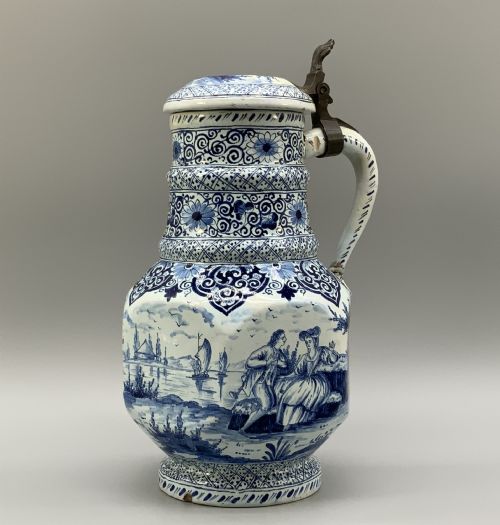
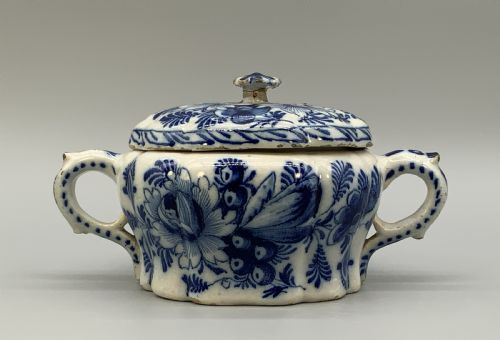
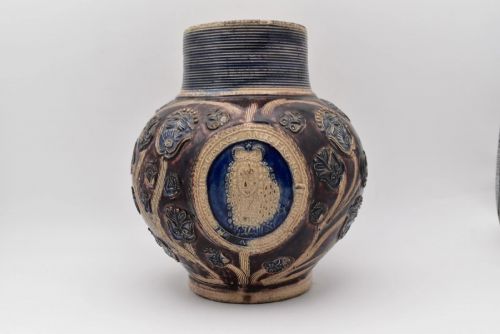
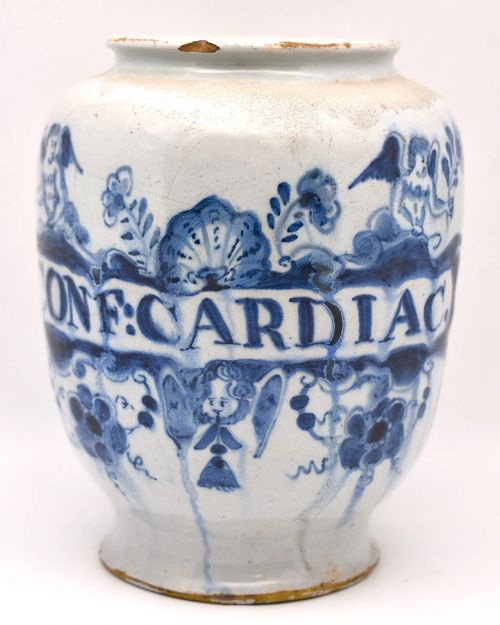
A cobalt glazed ceramic pot brings together centuries of blue and white traditions, ranging from early English Delftware and Dutch pieces to later Victorian salt-glazed vessels. You encounter forms such as apothecary drug jars, posset pots with lids, and large jardinieres designed for plants.
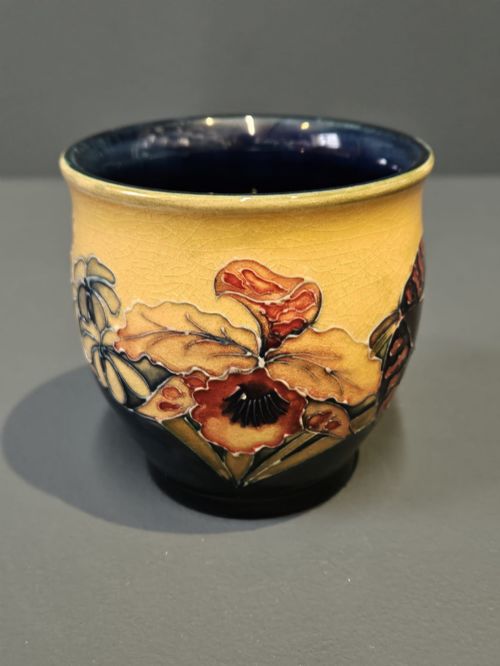
The assortment includes domestic vessels and decorative ceramics spanning the seventeenth century through the Victorian era and into Art Deco designs. These pieces showcase various shades of blue pigment applied to earthenware, stoneware, and porcelain surfaces.
Makers and potteries from England, continental Europe, and China contributed to this category, creating items intended for both utilitarian storage and display. Collectors select these items for their historic blue decoration and traditional potting methods.
Materials and construction
Potters shaped bodies from earthenware, stoneware, or porcelain, utilising local clays and refined pastes depending on the origin and period. Stoneware items received salt glazing during high-temperature firing, while earthenware vessels often took an opaque tin glaze.
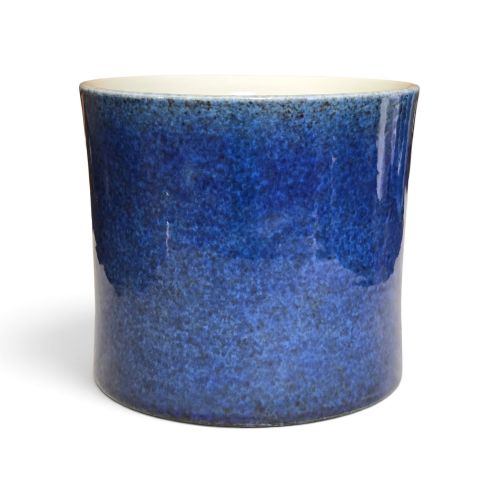
Cobalt oxide provided the characteristic blue pigment, applied directly to the unglazed clay or over a white tin glaze before a final protective firing. Artisans painted floral motifs, portraits, and abstract patterns by hand directly onto the surface.
Seventeenth-century posset pots survived centuries of family gatherings, ready to serve curdled milk once more.
Assessing the pieces
Quality depends upon the clarity of the cobalt pigment and the precision of the hand-painted decoration across the vessel surface. Well-executed forms display balanced proportions and crisp details in the blue motifs without blurring.
The condition of the glaze and the integrity of the ceramic body separate standard examples from finer specimens. Surviving covers on posset pots or drug jars add significantly to the integrity of the piece.
Royal Doulton·Doulton Lambeth·Minton·George Jones
The Cobalt Glazed Ceramic Pot Glossary
- Cobalt
- A metallic oxide used to produce a permanent blue colour on ceramics under high firing temperatures. It remains stable in intense heat, yielding deep blue tones.
- Delftware
- Tin-glazed earthenware produced in England and the Netherlands, typically featuring blue painting on an opaque white background. This technique mimics imported Chinese porcelain.
- Jardiniere
- A large ornamental pot or container designed to hold a plant or floral arrangement. These vessels often sit on floors or tables in Victorian interiors.
- Posset pot
- A spouted vessel with handles used for serving a traditional hot drink made of curdled milk and wine. They frequently include lids and date to the seventeenth and eighteenth centuries.
- Stoneware
- A hard, impermeable pottery fired at high temperatures until the clay vitrified. It resists liquids without requiring a porous glaze.
Cobalt Glazed Ceramic Pot: Frequently Asked Questions
What is a posset pot?
A posset pot is a historic lidded vessel featuring handles and a spout, used originally for serving a warm spiced drink. These pieces date back to the seventeenth and eighteenth centuries.
Collectors prize them for their domestic history and survival with matching lids, which remain uncommon after centuries of use.
How do I care for antique earthenware?
Antique earthenware requires gentle cleaning with a dry cloth or a slightly damp sponge without harsh detergents. Avoid soaking porous ceramic bodies in water.
Display these vessels away from direct sunlight and extreme temperature shifts to protect the historic glaze and cobalt decoration from damage.
What is Victorian majolica?
Victorian majolica is a colourful lead-glazed earthenware introduced during the nineteenth century, known for vibrant moulded plant and animal forms. Potteries utilised opaque coloured glazes over earthenware bodies.
These pieces brought bright ornamentation to nineteenth-century interiors, functioning as jardinieres and large planters.
How is stoneware different from earthenware?
Stoneware is fired at higher temperatures until the ceramic body vitrifies and becomes impermeable to liquids. Earthenware remains more porous unless coated with a complete glaze.
Stoneware pots often feature salt glazes resulting from salt thrown into the kiln during firing, creating a textured surface.