




Studio Pottery Vessel
These pieces of studio pottery vessel design range from early Japanese Satsuma wares to British Arts and Crafts and French Art Deco forms.
Studio Pottery Vessel
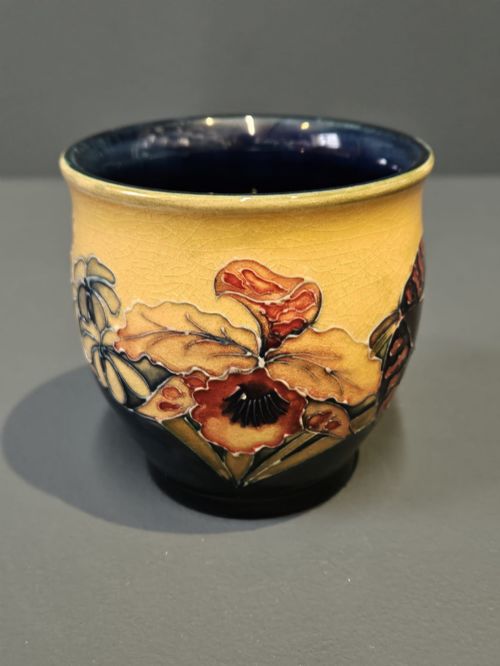
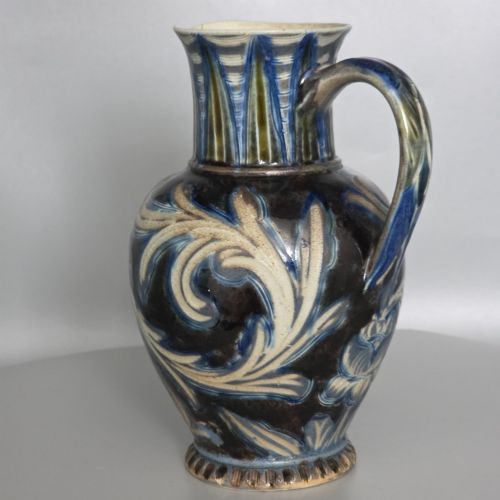
A studio pottery vessel represents the individual expression of a potter or a specific workshop, moving away from mass-produced factory output. When searching for a studio pottery vessel, collectors encounter forms ranging from Japanese Meiji period earthenware and Sumida Gawa vases to British Arts and Crafts beakers and French Art Deco ceramics.
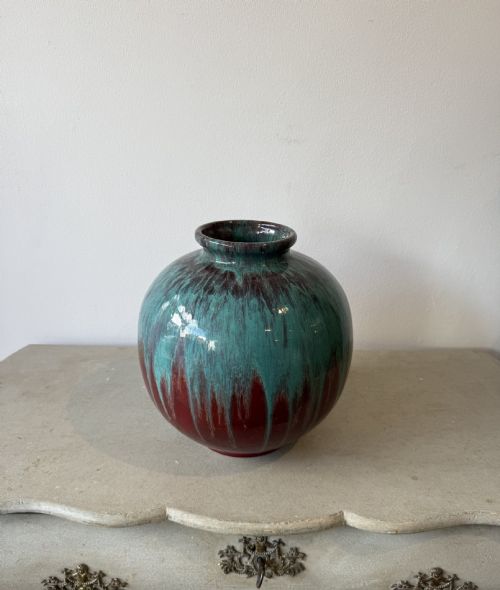
The selection here encompasses functional and decorative pieces such as jugs, pitchers, bowls, mugs, and globular vases. Dating primarily from the late nineteenth century through to the mid-twentieth century, these items reflect diverse regional aesthetics including Victorian art pottery, Meiji period Japanese design, and European modernist movements.
Materials and construction
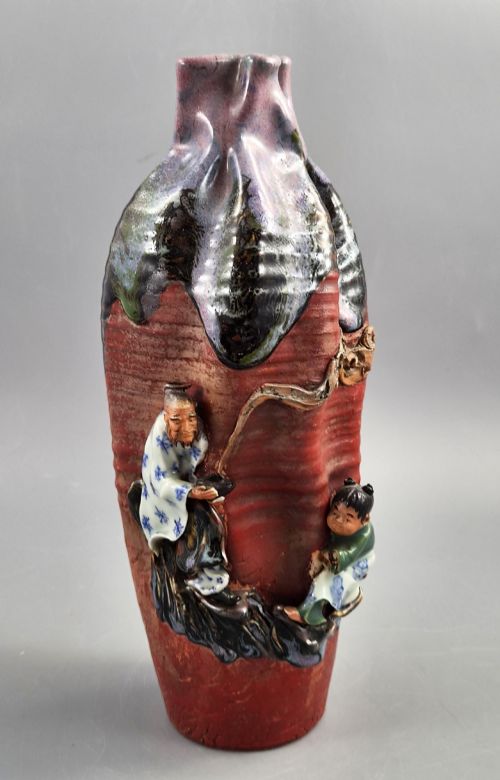
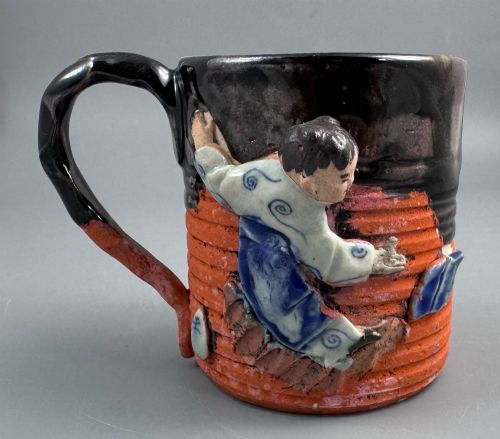
Potters constructed these pieces using earthenware, stoneware, and glazed ceramic bodies, often shaped by hand or thrown on a wheel. Makers applied various decorative techniques, including hand painting, incising, and applying sculptural figures directly to the surface of the clay.
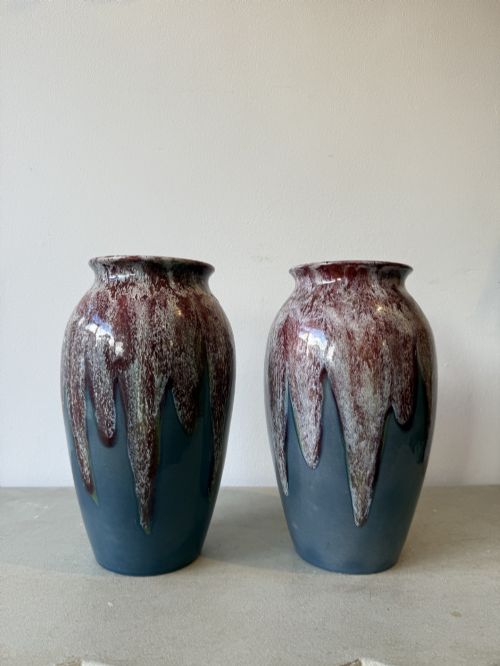
Glazes define the visual character of many items in this category, with examples featuring salt glaze, drip glaze, crystalline finishes, and lavender flambé. Specialised surface treatments such as enamel and gold leaf appear on specific Japanese Satsuma works to enhance intricate floral and figural designs.
Listings span the nineteenth and twentieth centuries, uniting Japanese Meiji works with British Arts and Crafts and French Art Deco pieces.
Assessing quality
Quality in a studio pottery vessel rests upon the deliberate harmony between the clay form and its surface glaze. Superior examples demonstrate a confident control over high-firing techniques or complex crystalline and flambé glaze reactions, whereas lesser pieces display muddy colour transitions or clumsy proportions.
The clarity of signatures, stamps, and maker marks indicates the standing of the workshop or individual artist. Pieces carrying well-documented signatures from established Japanese Kyoto studios or notable European ceramicists exhibit superior execution in carved detail and hand-painted precision.
Doulton Lambeth·Makuzu Kozan·Kinkozan·Sir Edmund Elton·Pilkingtons Royal Lancastrian·Ruskin Pottery·Roger Guerin
The Studio Pottery Vessel Glossary
- Stoneware
- A robust ceramic fired at high temperatures until vitrified and non-porous. It provides a durable body suitable for rich salt glazes and heavy utilitarian or decorative forms.
- Earthenware
- A porous pottery body fired at lower temperatures, commonly found in traditional Japanese Satsuma and European art pottery. It requires an impermeable glaze to hold liquids effectively.
- Crystalline glaze
- A specialised chemical finish that encourages the growth of visible crystals during the cooling stage of the kiln firing. This unpredictable technique produces unique star-like patterns across the surface of the vessel.
- Sumida Gawa
- A distinct type of Japanese pottery originating from the banks of the Sumida River, characterised by heavy drip glazes and modelled figures climbing the exterior walls.
- Flambé glaze
- A complex ceramic finish achieved through reduction firing that causes copper and other metallic oxides to streak and mottle in unpredictable red, purple, and blue hues.
- Suiban
- A shallow Japanese ceramic basin traditionally used for arranging cut flowers or displaying miniature landscapes in water.
Studio Pottery Vessel: Frequently Asked Questions
How do I identify a Japanese Meiji period vase?
Look for distinct stylistic indicators such as intricate hand-painted Satsuma enamel work, signature cartouches on the base, or sculptural Sumida Gawa figures. These pieces reflect the artistic output of Japanese kilns operating during the late nineteenth and early twentieth centuries.
Compare the weight of the ceramic body and the precision of the painted details against documented examples from known Kyoto workshops and makers like Kinkozan or Makuzu Kozan.
How should I clean my antique ceramic vessel?
Dust the surface gently with a soft, dry microfibre cloth to remove accumulated particles without risking the aged glaze or delicate applied figures. Avoid using chemical cleaners, abrasive sponges, or immersion in water, particularly for porous earthenware or pieces with gold leaf.
If the interior requires cleaning due to historic use, use a damp cotton swab with plain water on the unglazed areas only, ensuring the ceramic dries completely afterwards.
Where were Arts and Crafts pottery vessels made?
Arts and Crafts pottery vessels were produced primarily in British workshops and potteries during the late nineteenth and early twentieth centuries. Prominent centres of production included London and regional potteries that valued hand craftsmanship over industrial manufacture.
These pieces often feature incised natural motifs, such as sunflowers or organic foliage, reflecting the movement's core philosophy of honest materials and skilled artisan labour.