
Cobalt Blue Vessel
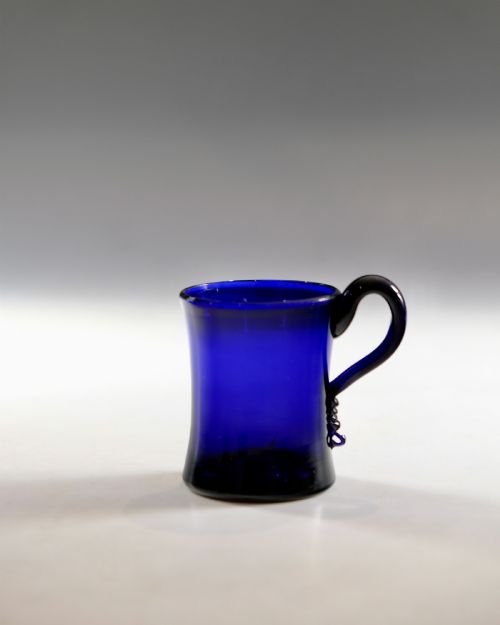
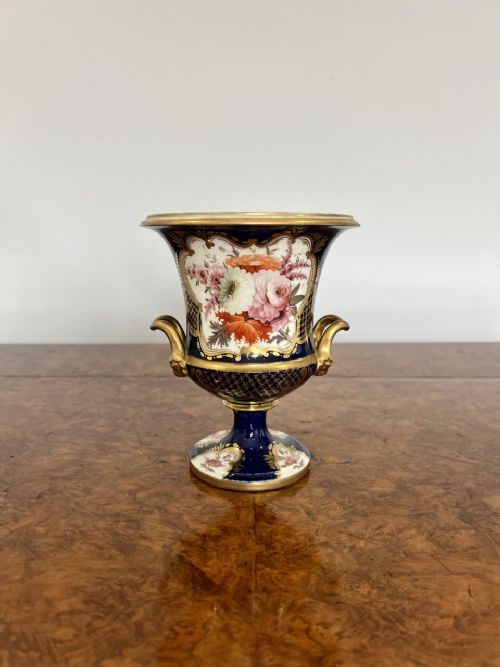
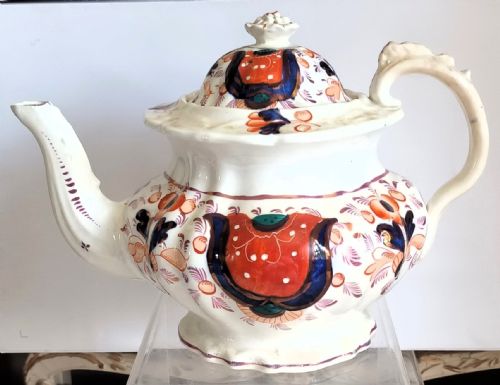
Every cobalt blue vessel carries deep cobalt tones that hold the eye, whether formed in porcelain, stoneware, glass or earthenware across centuries of global craft.
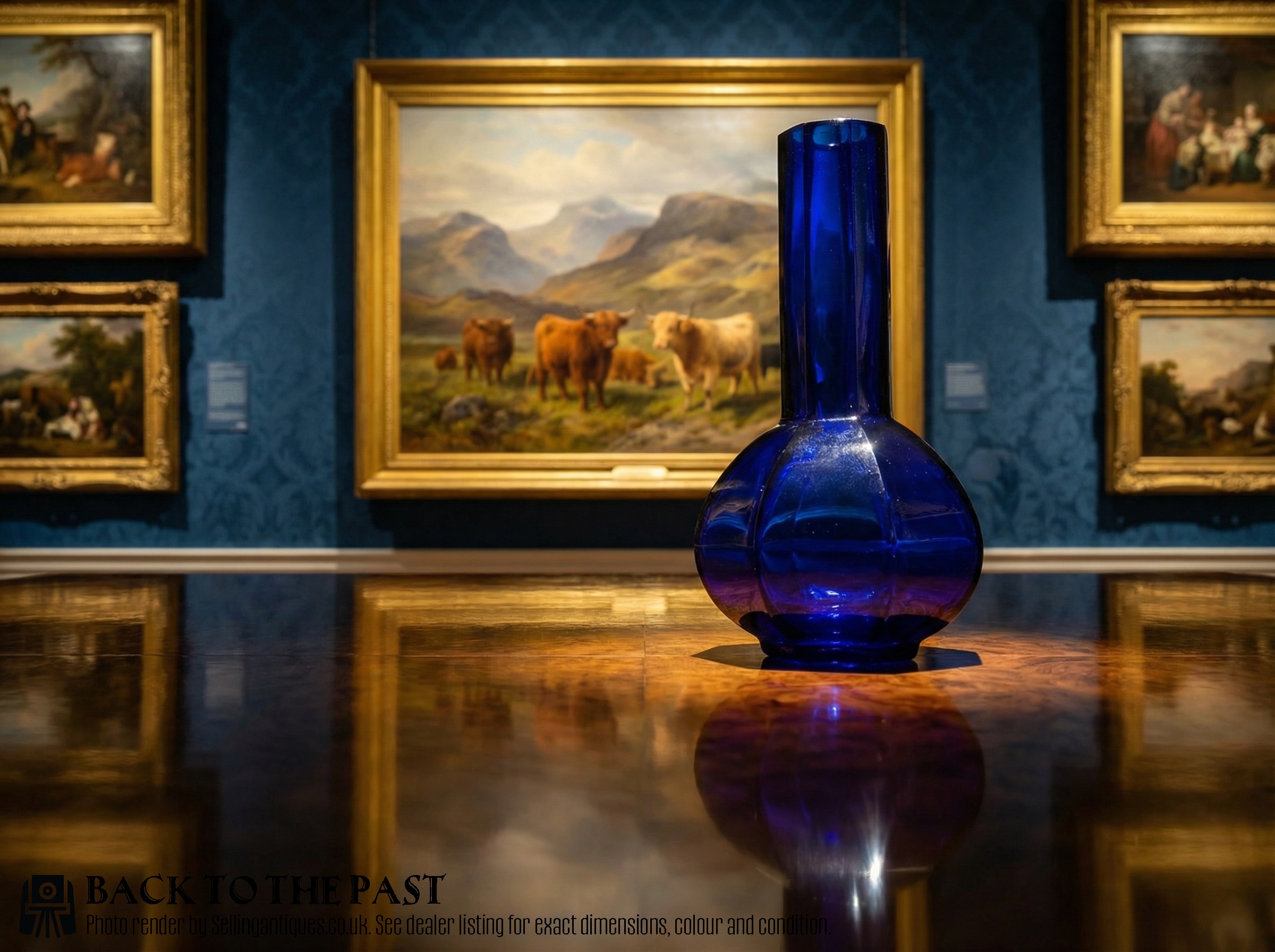
Cobalt Blue Vessel
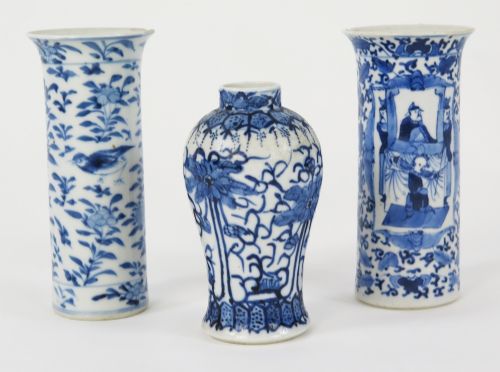
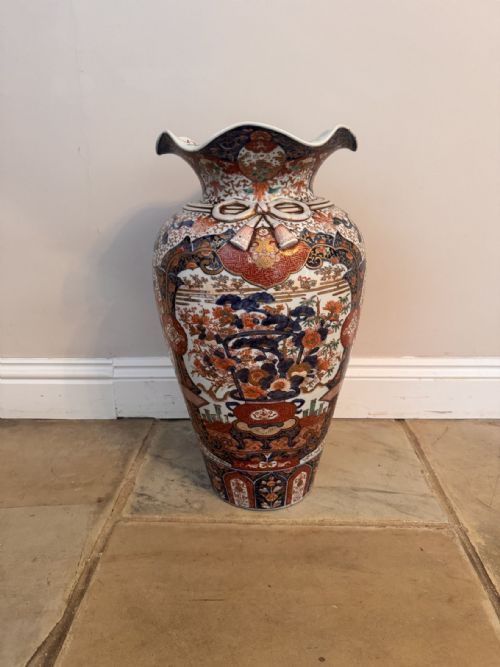
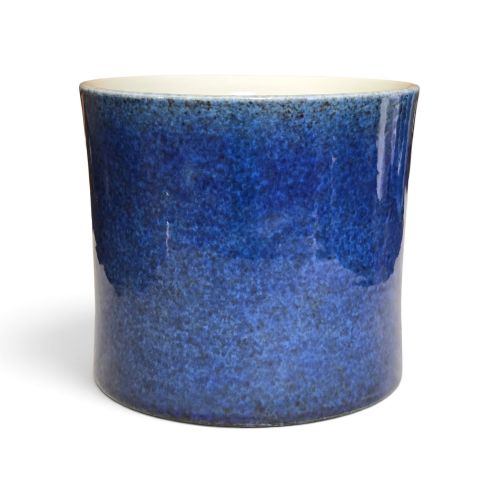
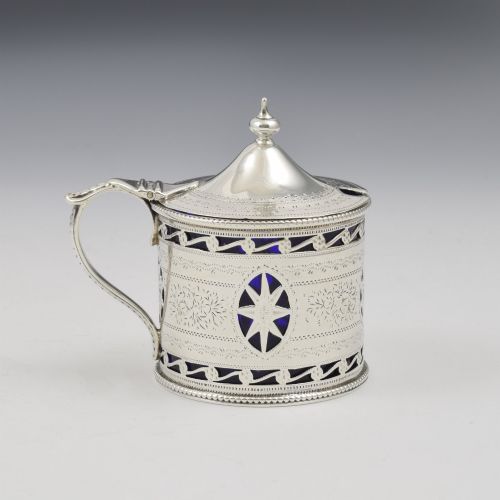
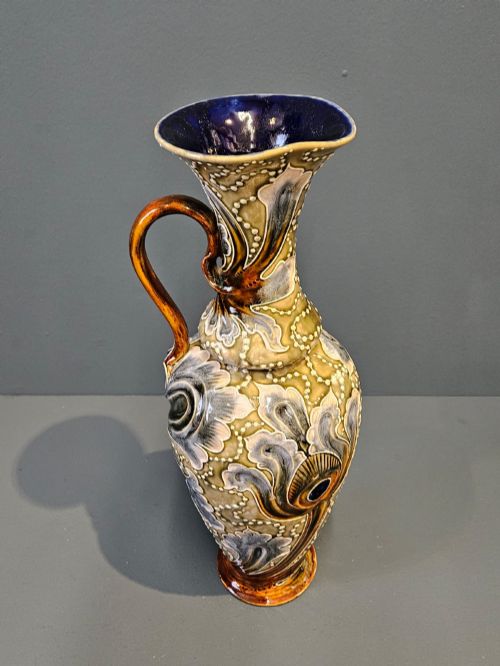
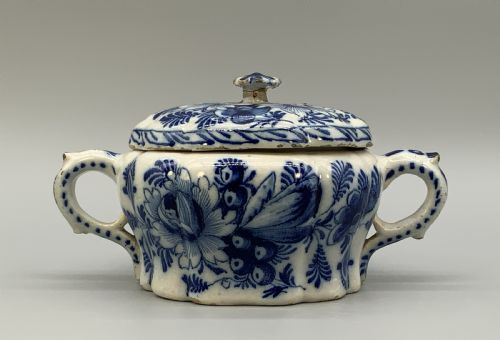
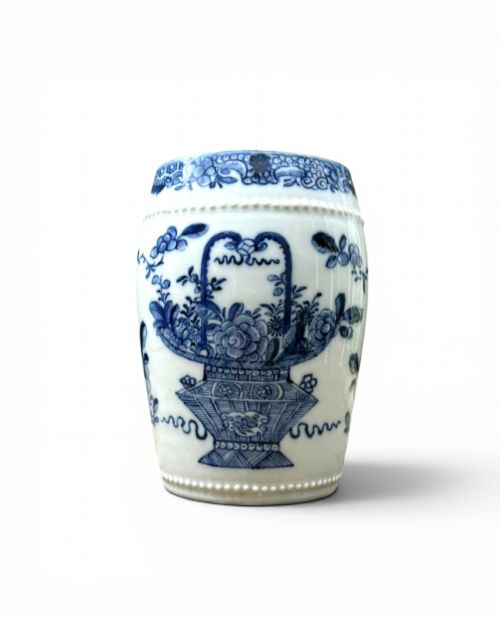
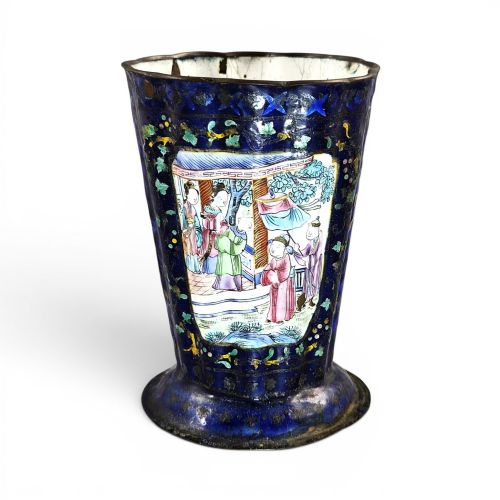
A cobalt blue vessel encompasses a diverse range of historic containers, from Chinese porcelain brush holders and Japanese Imari vases to English Delft posset pots and Victorian silver-mounted mustard jars. These objects served varied domestic and decorative functions, functioning as tableware, apothecary jars, display urns and drinking vessels.
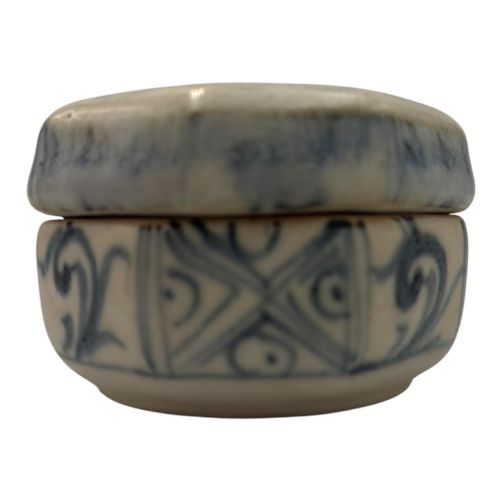
The selection on this page draws from multiple centuries and origins, spanning seventeenth-century European salt-glazed stoneware, eighteenth-century Chinese export porcelain and nineteenth-century Japanese ceramics. Buyers will regularly encounter forms shaped by distinct regional traditions, each utilising deep blue oxides to ornament the surface.
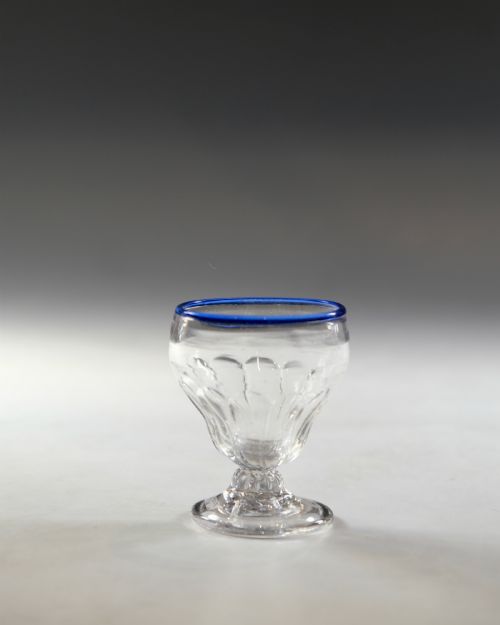
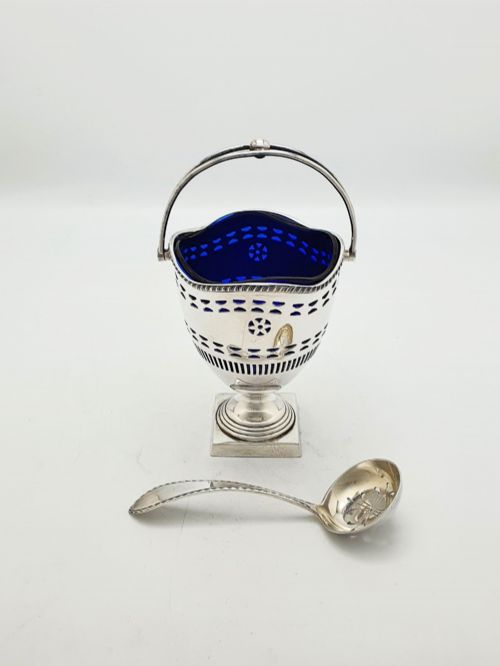
Vessels range from large floor-standing Imari pieces and double-gourd vases down to small bonnet glasses, sugar bowls with cobalt glass liners, and domestic tankards. This mix reflects how extensively potteries and glasshouses relied on cobalt decoration to achieve rich blue pigments.
How they were made
Makers achieved the distinctive rich blue colouration by applying cobalt oxide directly onto ceramic bodies before glazing and high-temperature firing, or by fusing cobalt into glass batches. Stoneware pieces like Westerwald jugs utilised salt glazing, where salt thrown into the kiln created a textured orange-peel surface over the blue decoration.
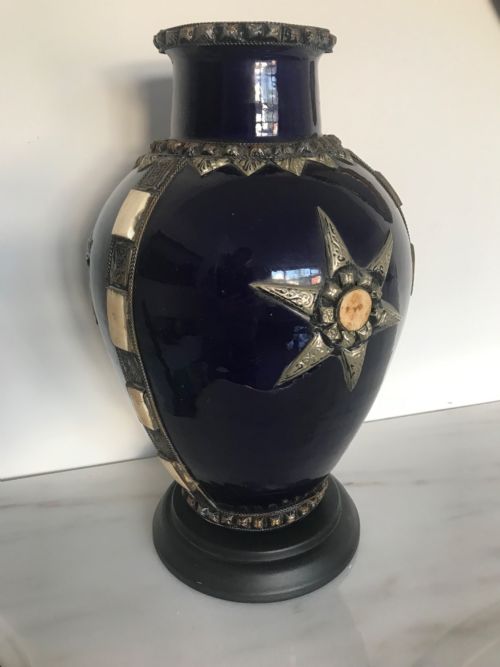
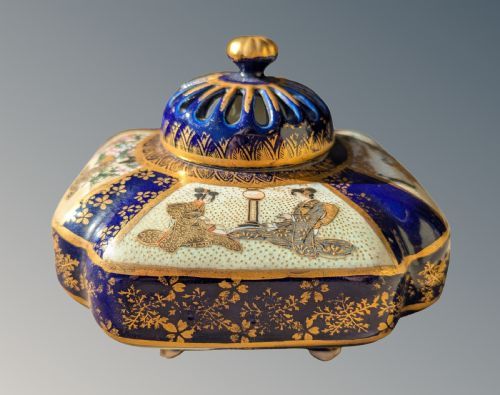
Many porcelain and earthenware pieces combined cobalt underglaze painting with additional embellishments such as hand-applied gold leaf, enamel highlights, or silver mounts. Metalworkers frequently fitted silver, sterling silver, or silver-plate frames, handles, and cabochons around glass liners and ceramic bodies.
Techniques varied from the delicate hand-painted detail found on eighteenth-century Chelsea porcelain and Chinese Canton enamel to the robust moulded structures of Victorian Doulton Lambeth salt-glazed ewers. Each method dictated how deeply the blue pigment integrated into the material during firing.
Drug jars painted with mysterious apothecary symbols suggest historic remedies were once dispensed in brilliant blue.
What varies in quality
Quality rests significantly in the precision of the cobalt painting and the depth of the blue tone, where well-defined brushwork and rich, stable colour separate superior items from flat, muddy examples. The clarity of the glaze also matters, as cloudiness or excessive pitting obscures the painted or moulded details beneath.
The sophistication of the form and the integrity of any associated metal mounts heavily influence an object's standard. Finely pierced sterling silver frames, well-preserved gold leaf accents, and crisp, balanced vessel shapes indicate superior craftsmanship compared to heavy, plain utilitarian ware.
Doulton Lambeth·Kinkozan·Nathan and Hayes·Royal Crown Derby·Spode
The Cobalt Blue Vessel Glossary
- Cobalt glass
- Glass coloured deeply blue through the addition of cobalt oxide during the melting process. It is frequently seen in nineteenth-century sugar bowl liners and decorative decanters.
- Imari
- A style of Japanese porcelain featuring cobalt blue underglaze combined with iron red, gold, and other enamels. The style originated in Arita and was widely exported to Europe.
- Salt glaze
- A ceramic glaze created by throwing common salt into the kiln at high temperatures, producing a textured, slightly glossy surface. This technique is typical on historic Westerwald stoneware jugs.
- Posset pot
- A historic lidded vessel with spouts or handles used for serving posset, a hot spiced milk drink curdled with wine or ale. Seventeenth-century examples often feature blue and white delftware decoration.
- Meiping
- A traditional Chinese vase form characterised by a narrow neck, broad shoulders, and a tapering base. These vessels were originally designed to hold plum branches.
Cobalt Blue Vessel: Frequently Asked Questions
How are cobalt blue vessels dated?
Dating relies on stylistic markers, reign marks, factory ciphers, and the specific composition of the ceramic body or glass. Potters often stamped or painted regional or imperial marks onto the base.
Material characteristics, such as the type of glaze and mount construction, also help narrow down the period of production.
Can these vessels hold liquids safely?
While many historic jugs, decanters, and vases were designed to contain liquids, older materials can be porous or sensitive to sudden temperature changes. Glazes from earlier centuries may contain trace elements that make modern food use inadvisable.
Displaying them as decorative objects is generally safer for preserving delicate surfaces and metal mounts.
What is the difference between porcelain and stoneware?
Porcelain is a fine, translucent ceramic fired at very high temperatures using materials like kaolin. Stoneware is a denser, opaque, and heavier ceramic fired from natural clay.
Stoneware items, such as German salt-glazed jugs, tend to be more robust than delicate porcelain pieces.
How should antique glass and ceramics be cleaned?
Maintenance requires gentle cleaning with a soft, dry cloth or lukewarm water without harsh detergents. Abrasive cleaners can damage delicate enamel work, gold leaf, and silver mounts.
Submerging items with metal mounts or historic repairs should be avoided entirely.