





Cobalt Blue Table Bowl
These cobalt blue table bowl pieces bring rich colour and historic craftsmanship to any room, offering striking visual depth.
Cobalt Blue Table Bowl
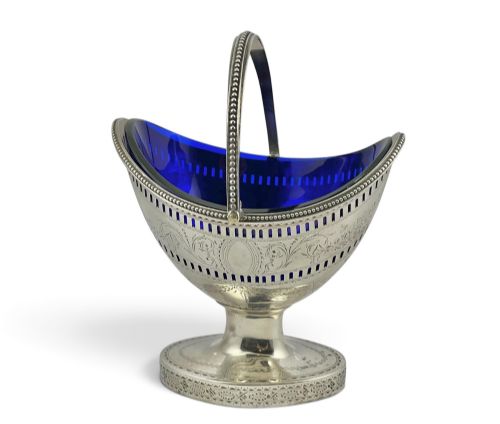
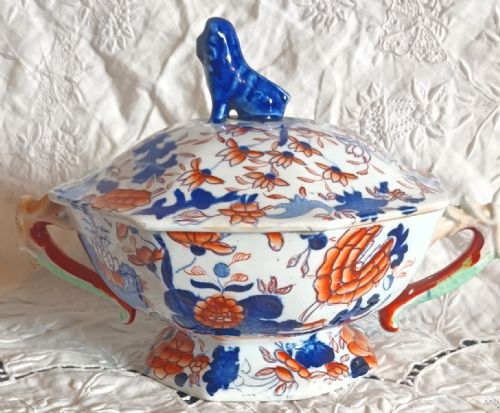
A cobalt blue table bowl encompasses a range of serving and decorative vessels shaped from deep blue glass, porcelain, and ironstone. These pieces surface from periods spanning the seventeenth century through to the Edwardian era, reflecting diverse domestic uses.
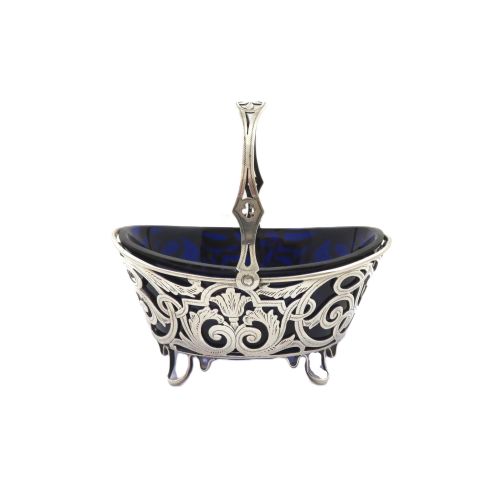
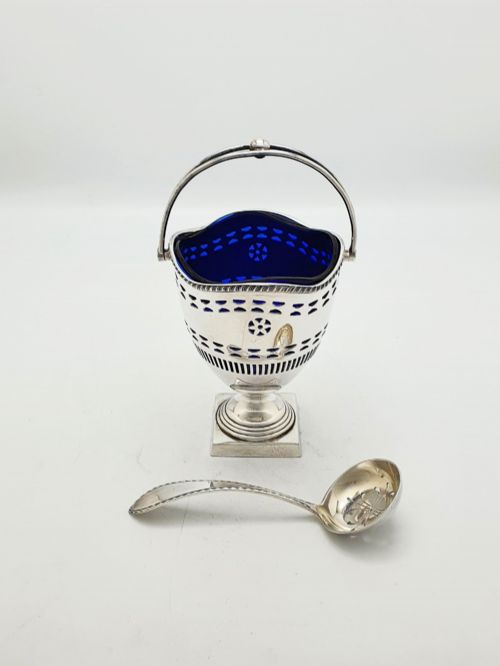
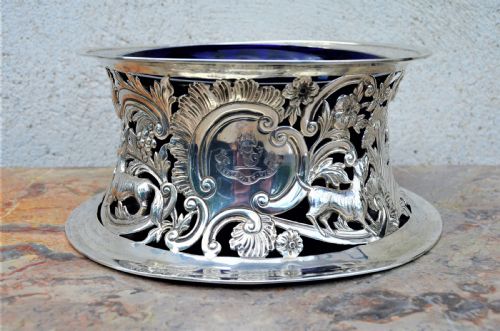
The most common forms you will encounter on this page include sugar baskets fitted with glass liners, decorative centrepieces, and lidded tureens. Many integrate precious metals such as sterling silver and silver plate alongside the blue glass or ceramic body.
How they were made
Makers utilised cobalt oxide to achieve the intense blue colour in glass and ceramic bodies, often shaping them by hand or mould. Silver elements were cast, pierced, and worked to form supportive frames, handles, and liners.
Techniques such as enamelling were applied to glass surfaces, while potteries fired ironstone and porcelain at high temperatures to create durable tableware and decorative vessels.
Cobalt Blue Table Bowl Retail Price Guide 2026
Typical asking prices for cobalt blue table bowl among the pieces listed under this phrase on Sellingantiques today, from the lower quarter to the upper quarter. They describe what is for sale here now, not the wider market.
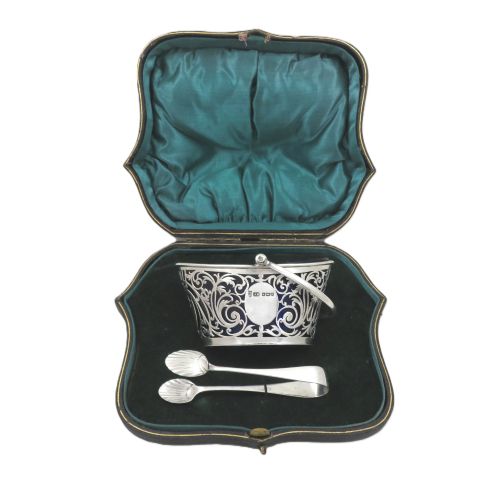
Some Edwardian bon bon dishes come snugly encased in silver, as though guarding their sweet contents from midnight thieves.
What varies in quality
The sophistication of the metalwork mountings and the crispness of cast floral handles dictate the distinction between standard and superior examples. Pierced silver frames and fitted cases indicate higher craftsmanship.
The depth and uniformity of the cobalt colouring, combined with the integrity of any enamel decoration or glass liner, separate basic production pieces from finer antique items.
The Cobalt Blue Table Bowl Glossary
- Cobalt Glass
- Glass coloured deep blue by the addition of cobalt oxide during manufacture. It appears frequently in nineteenth century liners and dishes.
- Sugar Basket
- An open or pierced container designed to hold sugar lumps on the table. They often feature swing handles and coloured glass inserts.
- Tureen
- A deep covered bowl used for serving soups or vegetables. Historic examples appear in ironstone and ceramic bodies.
- Ironstone
- A type of durable earthenware developed in the nineteenth century. It provides a robust body for tableware and tureens.
- Centrepiece Bowl
- A large decorative vessel intended to sit in the middle of a table. These often combine silver frames with coloured glass.
Cobalt Blue Table Bowl: Frequently Asked Questions
What were cobalt blue table bowl items used for?
These vessels served functional roles in historic dining rooms, holding sugar, condiments, or food at the table.
Over time, many transitioned into purely decorative objects due to their striking colour and craftsmanship.
How do I date a silver mounted bowl?
Silver components often bear hallmarks that indicate the assay office, standard of metal, and year of manufacture.
Matching the style of the glass or ceramic liner helps confirm the period of the complete piece.
Are glass liners original to the silver frames?
Original liners fit securely within the pierced metal framework without excessive movement or gaps.
Examining the wear patterns on both the glass and the metal helps determine if they were manufactured together.
How should I clean antique glass and silver?
Gentle washing with warm water and mild soap preserves both the cobalt glass and any delicate enamel work.
Silver portions require careful polishing with appropriate cloths to avoid touching adjacent glass or ceramic surfaces.