


Cobalt Blue Porcelain Pot
A cobalt blue porcelain pot brings depth and rich colour to a room, ranging from intricate Chinese ginger jars to nineteenth-century English jardinieres.

Cobalt Blue Porcelain Pot
When searching for a cobalt blue porcelain pot, buyers encounter a diverse selection of forms including jardinieres, brush pots, teapots, and decorative jars spanning centuries of production. These pieces originate from Chinese export kilns, Japanese workshops, and English factories, reflecting shifting global tastes for blue and white ceramics.
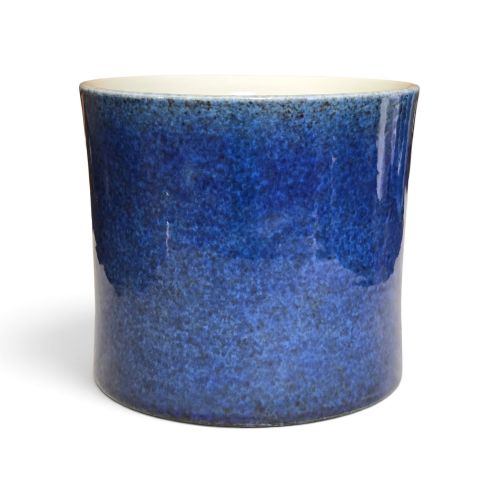
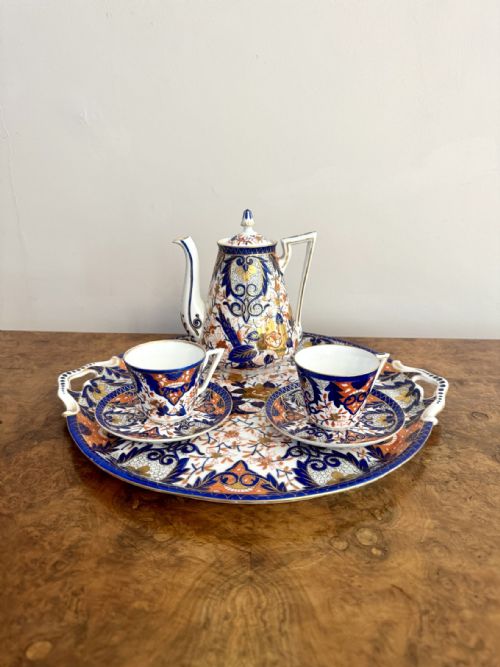
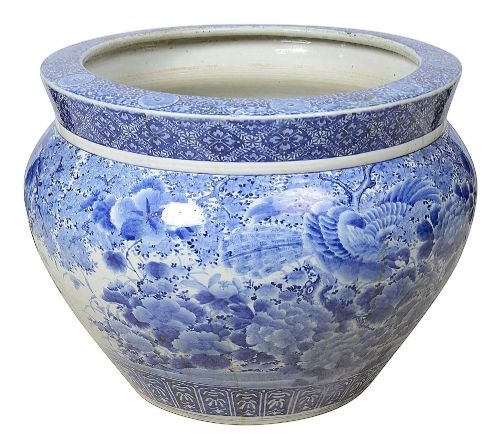
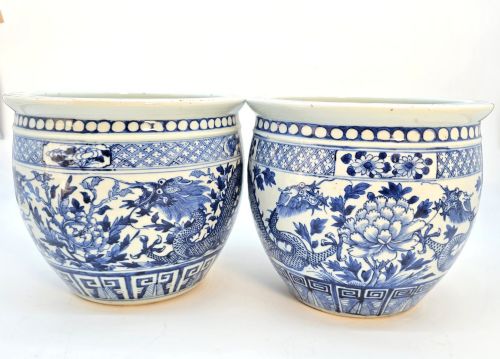
Chinese pieces from the seventeenth and nineteenth centuries often display rich underglaze blue brushwork on large brush pots, ginger jars, and fish bowls. Japanese Imari examples from the Meiji period introduce iron-red and gilt detailing alongside the deep blue pigment.
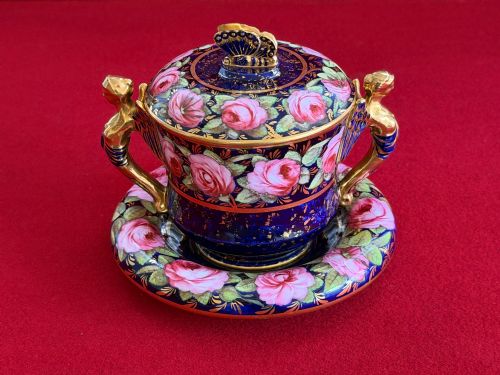
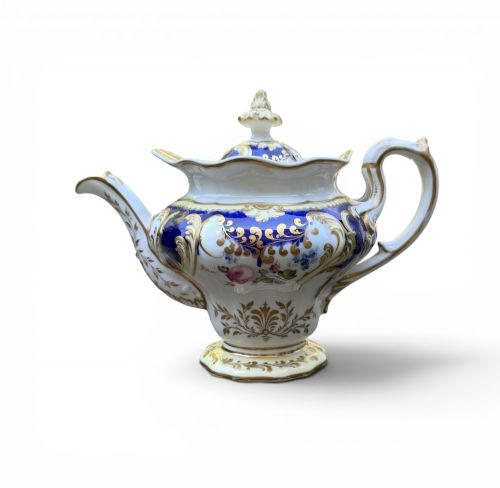
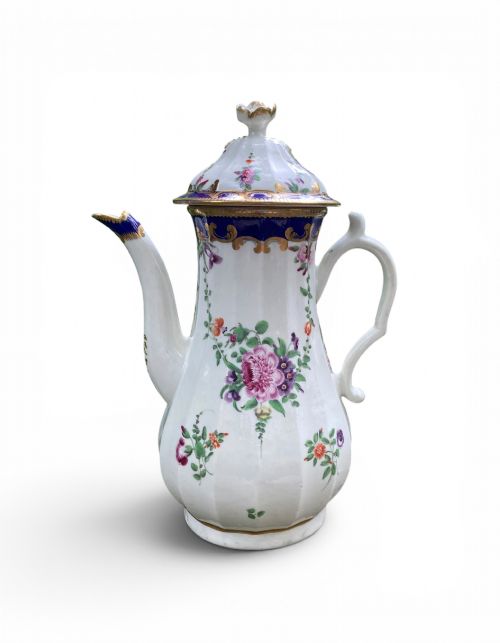
English ceramic makers such as Spode, Coalport, Worcester, and Samuel Alcock adapted these Asian aesthetics during the Regency and Victorian eras. Buyers are most likely to meet nineteenth-century English teapots, coffee sets, and potpourri vases featuring cobalt glaze and gilt highlights on porcelain and ironstone.
How they were made
Potters applied cobalt oxide under the glaze before firing to achieve the characteristic deep blue tones seen on Chinese and Japanese export wares. This mineral pigment withstood high kiln temperatures without fading, producing sharp details beneath a clear glossy surface.
English and European factories frequently employed overglaze enamel painting combined with gold leaf and gilt detailing after the initial high-temperature firing. Artisans hand-painted intricate motifs onto porcelain bodies, sometimes adding relief elements like image handles or moulded floral borders.
Listings feature porcelain, ceramic, and ironstone bodies decorated with cobalt glaze, enamel, and gold leaf.
What varies in quality
The refinement of the porcelain body and the clarity of the cobalt glaze determine the standing of an individual piece. Finer examples display precise control during the kiln firing, resulting in an even, vibrant blue tone free from cloudiness or heavy pooling.
The precision of the hand-painted brushwork distinguishes superior items from standard production. Crisp detailing in gilt accents, enamel work, and underglaze motifs indicates the skill of the artisan who decorated the pot.
Spode·Samuel Alcock·Coalport·Worcester·Royal Doulton·Mason's
The Cobalt Blue Porcelain Pot Glossary
- Cobalt Underglaze
- A blue pigment applied directly to the ceramic body before the transparent glaze is added and fired. This technique protects the painted design beneath a glassy protective layer.
- Jardiniere
- A large ornamental pot designed to hold a plant or flower arrangement. These pieces often feature substantial proportions and heavy sides.
- Imari
- A style of Japanese porcelain decorated in underglaze blue, iron-red, and gilt. European factories frequently copied these vibrant contrasting palettes during the eighteenth and nineteenth centuries.
- Bitong
- A cylindrical brush pot used in traditional Chinese scholar's studios. These vessels are typically carved or painted with scenic narratives.
- Gilt
- A thin layer of gold applied to the surface of ceramics for decorative accent. It provides metallic contrast against the deep blue glaze.
Cobalt Blue Porcelain Pot: Frequently Asked Questions
How do I date a blue and white jar?
Dating relies on examining the characteristics of the porcelain paste, the hue of the cobalt blue, and the painting style. Base marks, if present, offer clues to specific periods or dynastic revivals.
Changes in glazing techniques and foot-rim finish help separate seventeenth-century export pieces from later nineteenth-century interpretations.
Were jardinieres used for plants?
Jardinieres served primarily as decorative indoor planters for housing potted greenery or floral displays. Their robust porcelain walls protected furniture from moisture.
Many large examples functioned as decorative floor vases or fish bowls in nineteenth-century interiors rather than active planters.
What is the difference between Imari and underglaze blue?
Underglaze blue relies strictly on cobalt pigment applied beneath a clear glaze before firing. The resulting palette remains exclusively blue and white.
Imari wares incorporate additional overglaze colours, specifically iron-red and gold leaf, applied over the fired glaze for a richer polychrome effect.
How should I clean antique porcelain?
Antique porcelain requires gentle cleaning with warm water and mild soap using a soft cloth. Harsh detergents and abrasive scrubbing must be avoided to protect the glaze and gilt.
Peculiar or delicate pieces with extensive overglaze enamel work or gold leaf should not be submerged for extended periods.