


Antique Floral Porcelain Pitcher
An antique floral porcelain pitcher brings hand-painted botanical charm to the table, offering a tangible connection to eighteenth and nineteenth-century ceramic artistry.
Antique Floral Porcelain Pitcher
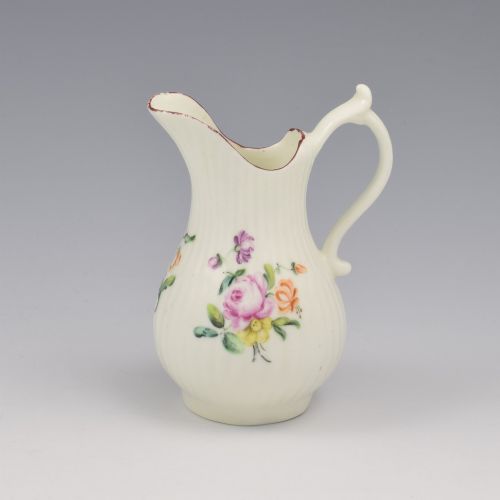
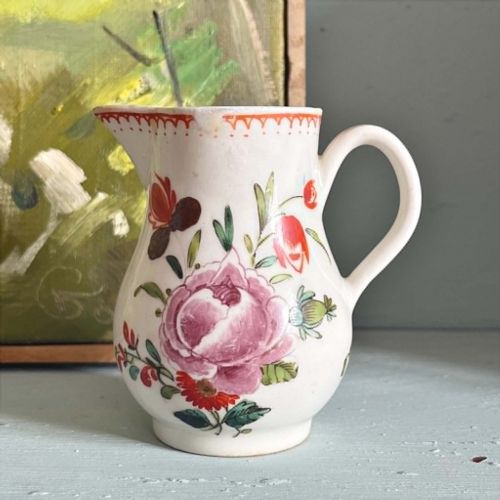
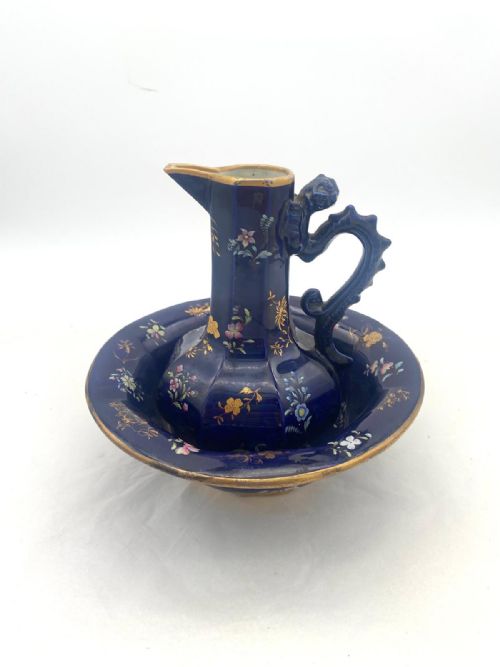
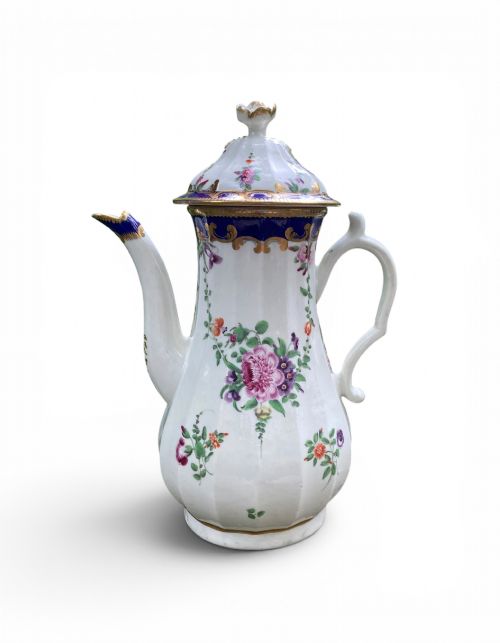
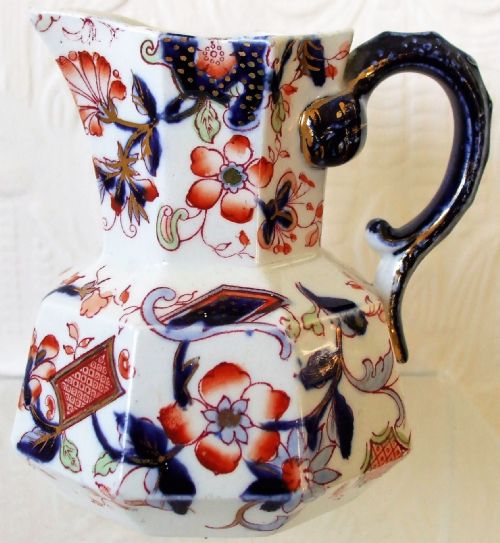
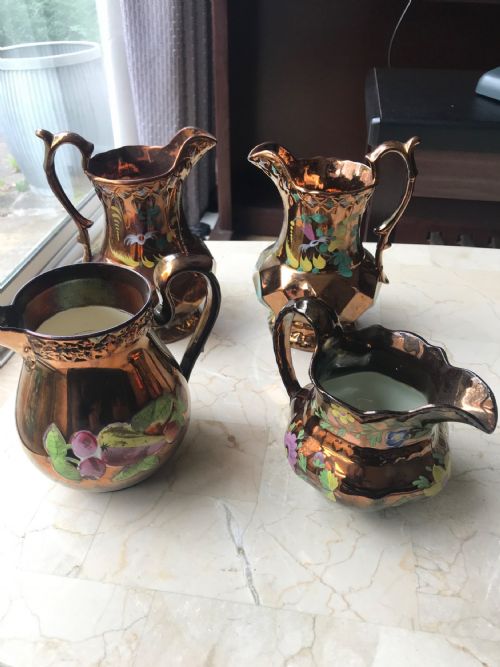
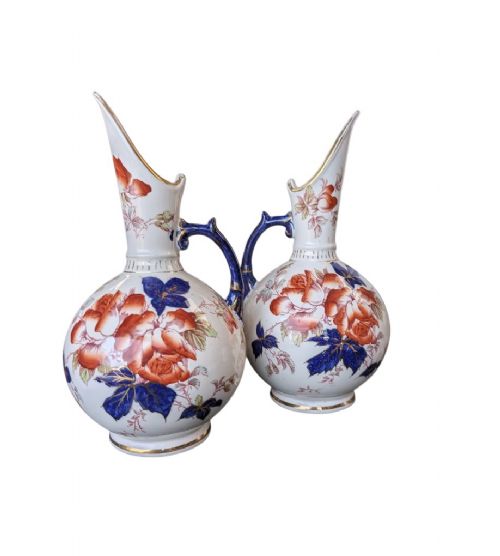
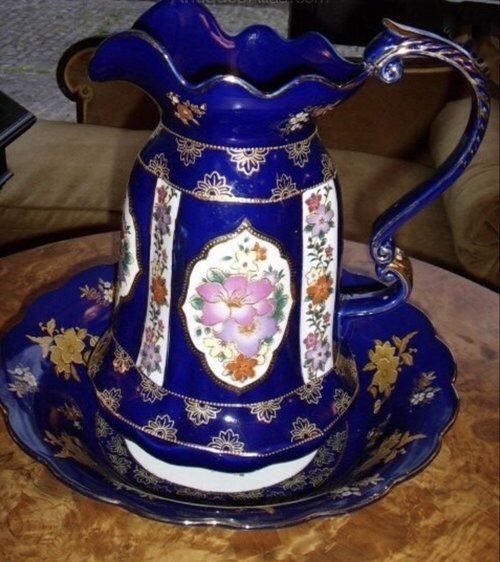
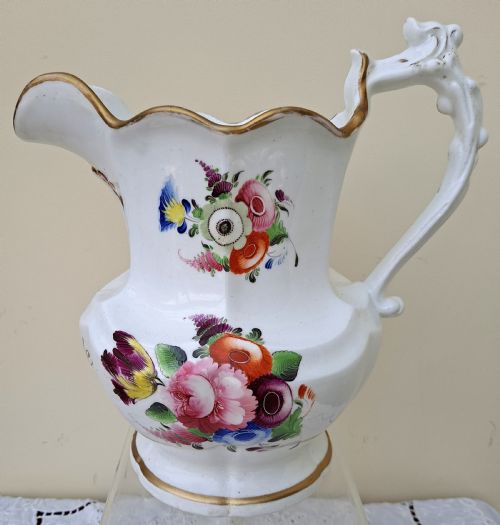
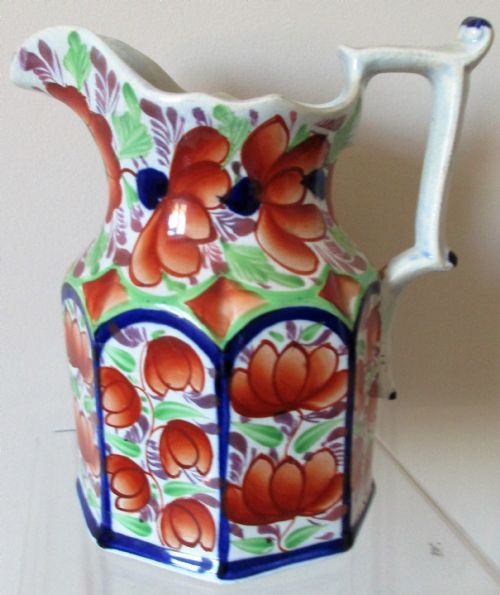
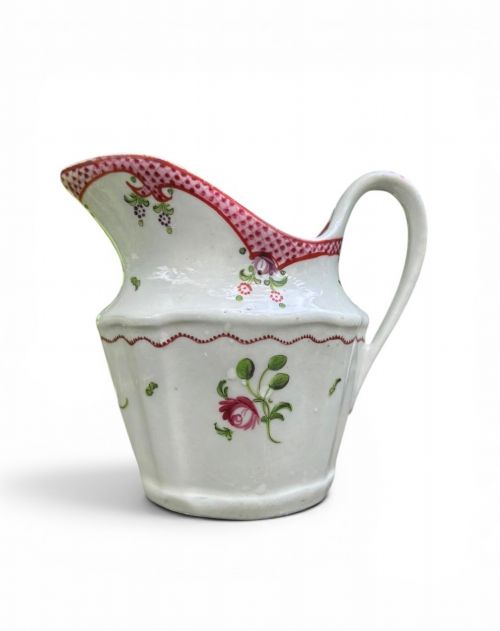
When searching for an antique floral porcelain pitcher, you encounter domestic vessels ranging from modest eighteenth-century cream jugs to large nineteenth-century wash jugs and decorative ewers. These pieces originate from notable English factories and continental makers, displaying floral motifs that define their character.
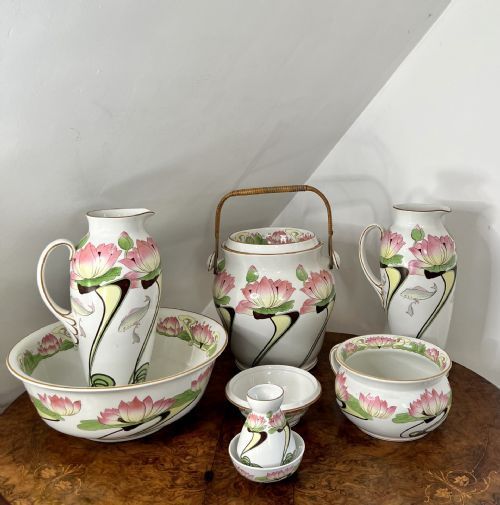
The domestic forms include small cream jugs, coffee pots, and larger bathroom set pieces. Many examples combine floral painting with gilt highlights or transfer-printed flower designs.
Victorian and Georgian periods dominate the selection, often taking the form of utilitarian milk jugs or decorative ewers intended for display rather than daily service.
How they were made
Potters shaped these vessels using traditional ceramic bodies including porcelain, ironstone, and earthenware, often applying a clear glaze to seal the surface before firing. Artisans then hand-painted botanical subjects directly onto the ceramic body or incorporated transfer-printed floral outlines.
Gilding and gold leaf were frequently applied to rims, handles, and panels, requiring a secondary firing to adhere the precious metal to the glaze. Enamel colours were layered by hand to create vibrant floral palettes across surfaces from eighteenth-century tea wares to Victorian wash sets.
Early potters occasionally tucked tiny painted insects beneath floral handles to surprise anyone pouring tea.
What varies in quality
Quality rests in the precision of the hand-painted brushwork and the refinement of the porcelain paste itself. Superior examples demonstrate crisp definition in floral panels and careful application of gilding.
The reputation of the maker dictates distinction, with pieces from established factories exhibiting superior potting technique and more ambitious decorative schemes compared to anonymous wares.
Royal Worcester·Doulton Burslem·New Hall·Meissen·Masons
The Antique Floral Porcelain Pitcher Glossary
- Ewer
- A large pitcher with a wide spout and elaborate handle, traditionally used for decorative display or as part of a wash set.
- Gilding
- The application of gold leaf or powdered gold to ceramic surfaces, enhancing handles, rims, and floral borders.
- Ironstone
- A heavy, durable type of earthenware patented in the nineteenth century, designed to resist chipping while supporting rich enamels.
- Polychrome
- A style of decoration utilising multiple distinct colours, commonly seen in hand-painted floral motifs on early porcelain.
Antique Floral Porcelain Pitcher: Frequently Asked Questions
How were these pitchers used?
These vessels served various domestic functions, from pouring cream and milk at tea tables to holding water within larger bedroom washstand sets.
Smaller forms functioned as cream jugs or coffee pots, while larger ewers formed centrepieces in Victorian bathroom sets.
How do I date a porcelain pitcher?
Dating relies on identifying factory marks, paste composition, and stylistic cues such as Victorian or Georgian moulding techniques.
Factory ciphers and coloured transfer marks stamped to the underside provide precise periods of manufacture.
How do I clean an antique pitcher?
Careful dusting with a soft cloth preserves the delicate enamel and gold leaf decorations found on these porcelain surfaces.
Immersion in water should be avoided for pieces with fragile overglaze gilding or enamel wear.
Can I use these for serving food?
Many of these historical vessels remain structurally sound, though historical glazes and overglaze enamels may contain lead.
Displaying them as decorative objects or dry floral vases protects the original hand-painted surfaces from modern detergents.