


Cobalt Blue Porcelain Figure
Cobalt blue porcelain figure encompasses modelled ceramics and figurines painted in rich blue oxides across the eighteenth, nineteenth, and early twentieth centuries.
Cobalt Blue Porcelain Figure
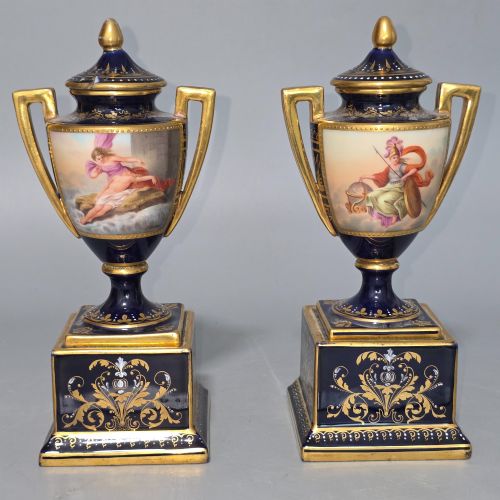
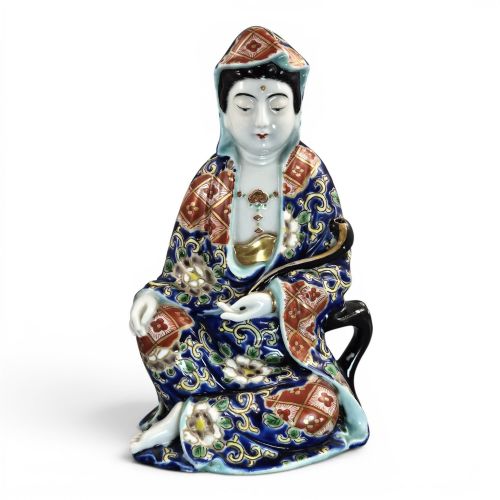
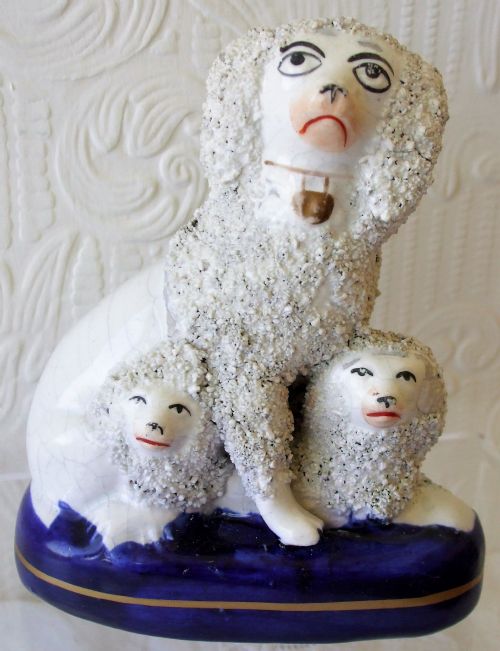
A cobalt blue porcelain figure brings together moulded ceramic forms and deep underglaze or enamel blue decoration from diverse global traditions. When examining a cobalt blue porcelain figure on this page, collectors encounter pieces ranging from Victorian Staffordshire pottery animals and English factory figurines to Japanese Meiji period figures and continental porcelain works.
The selections span distinct periods such as the nineteenth century, Victorian era, and Edwardian period alongside Qing Dynasty and Meiji wares. Alongside actual figurines, the listings include related ceramic figures, decorative groups, and figural vessels decorated with cobalt grounds.
Factors influencing quality
The application of secondary materials such as gilt or enamel further distinguishes finer pieces from standard production wares. Preservation of the original glaze surface and minimal wear to surface gilding elevate the standing of individual items.
Poodles dominate the nineteenth-century Staffordshire dog listings, showcasing elaborate ceramic curls achieved through piped clay technique.
Vienna Porcelain·Samson Paris·Kinkozan Kyoto·Sevres Porcelain
The Cobalt Blue Porcelain Figure Glossary
- Cobalt glaze
- A blue metallic oxide pigment applied to ceramics before or during firing to produce deep blue decoration. It remains stable at high kiln temperatures.
- Moriage
- A Japanese ceramic technique using piped clay trails to create raised, textured surface designs. This method often appears on Satsuma wares alongside cobalt grounds.
- Staffordshire pottery
- Earthenware figures and utilitarian items produced in the English potteries during the nineteenth century. These works frequently depict animals, royalty, and popular subjects.
- Enamel
- Coloured glass paste fused to the ceramic surface in a secondary low-temperature kiln firing. It provides vibrant surface details over the primary glaze.
- Gilt
- A thin layer of gold applied to the ceramic surface for decorative accentuation. It highlights moulded details and borders.
Cobalt Blue Porcelain Figure: Frequently Asked Questions
How do I clean a porcelain figure?
Use a soft, dry brush to gently remove dust from crevices and delicate painted surfaces. Avoid submerging antique ceramics in water, particularly pieces with delicate enamel or gilt highlights.
For stubborn marks, use a slightly damp cloth with mild soap, testing a hidden area first. Dry the piece thoroughly with a lint-free cloth immediately afterwards.
What is the difference between porcelain and earthenware?
Porcelain is fired at higher temperatures using fine white clay, resulting in a dense, non-porous material that often rings when struck. Earthenware uses coarser clay fired at lower temperatures, producing a more porous body.
Many nineteenth-century Staffordshire pieces are earthenware rather than true porcelain. Both materials carry painted cobalt decoration effectively.
How do I identify a Meiji period Japanese figure?
Meiji period figures date from the late nineteenth to early twentieth century and often feature distinct regional styles like Kutani or Satsuma. Look for detailed facial expressions, traditional attire, and specific decorative elements such as moriage work.
Signatures or studio marks on the base frequently help pinpoint the workshop of origin.
Are these figures painted by hand?
Many nineteenth-century and earlier figures feature hand-painted cobalt details and enamel highlights applied by skilled artisans. Brushwork variations often distinguish individual pieces within the same production run.
Factory marks and the overall crispness of the moulded form provide additional context regarding production methods.