




Cobalt Blue Delft Charger
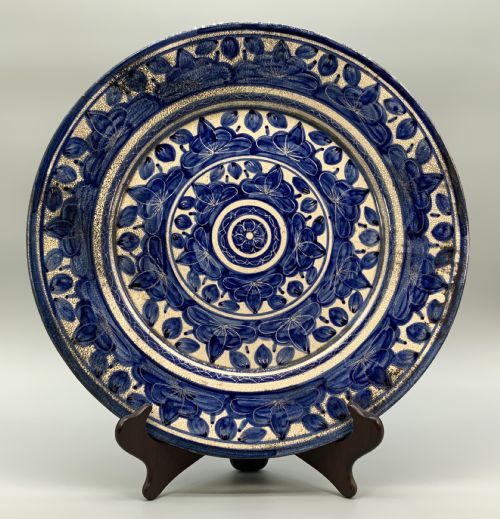
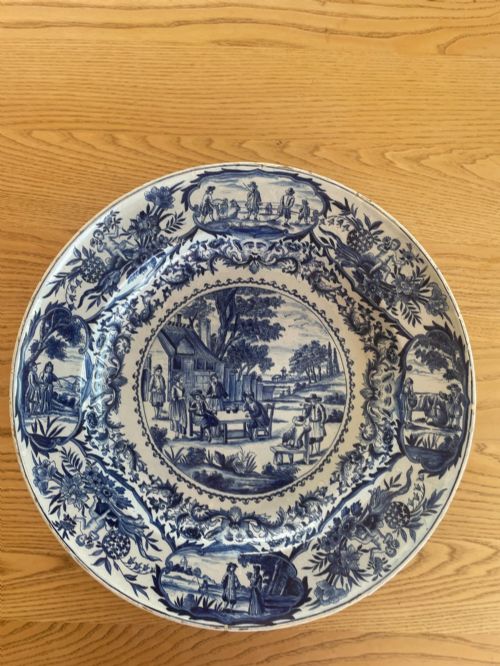
A cobalt blue delft charger brings deep tin-glazed earthenware and painted cobalt pigment into a room, offering centuries of historic ceramic tradition.

Cobalt Blue Delft Charger
A cobalt blue delft charger is a broad decorative dish or shallow bowl intended for display, carrying centuries of ceramic history. When searching for this phrase, buyers encounter large earthenware vessels spanning the seventeenth, eighteenth, and nineteenth centuries. English and Dutch workshops dominate the selection, bringing substantial painted plates to the table or wall.
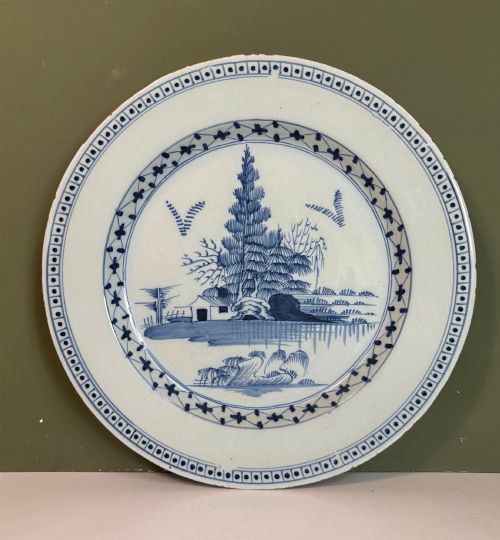
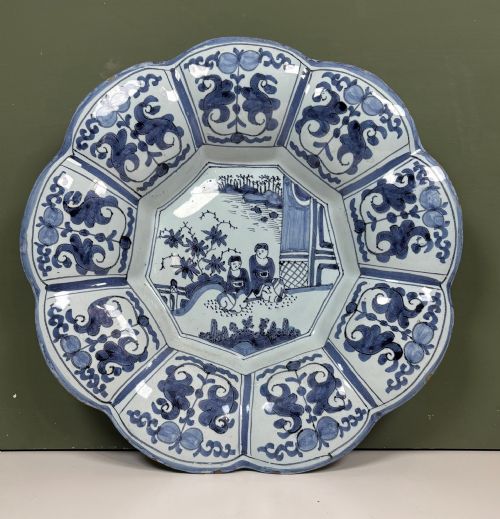
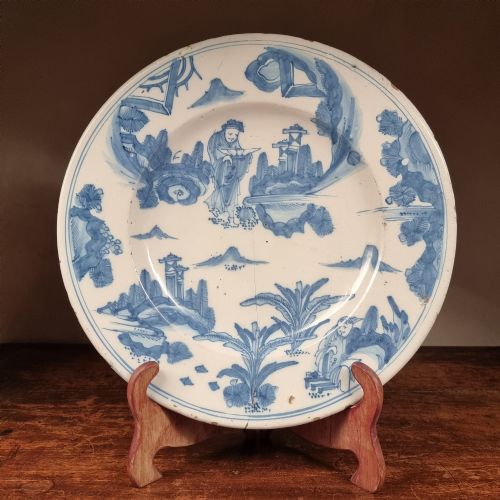
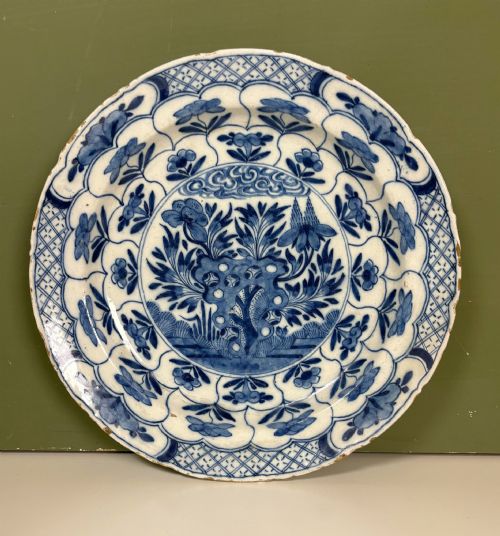
The objects appear primarily as circular chargers, decorative plates, and shallow bowls finished in shades of blue. Many pieces reflect Chinese porcelain inspirations alongside domestic European scenes. Surviving examples range from small plates to expansive wall chargers measuring well over twelve inches across.
What varies in quality
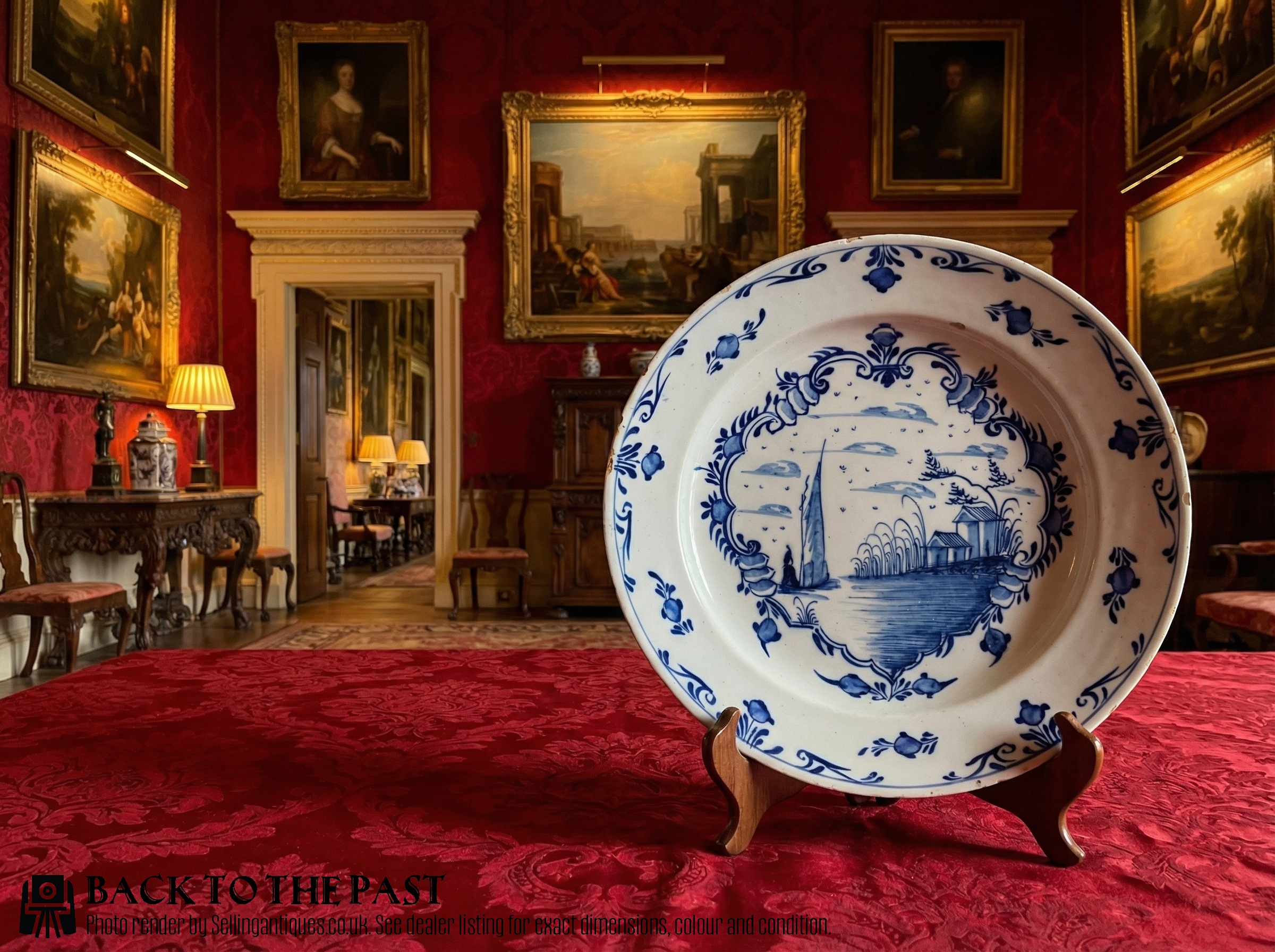
Quality rests primarily on the clarity and confidence of the cobalt brushwork across the tin-glazed surface. Skilled painters achieved sharp lines and varied tones within the blue pigment, whereas lesser examples show heavy, blurred, or muddy motifs. The density and evenness of the white tin glaze itself also set finer specimens apart from rougher utilitarian wares.
The overall balance and proportion of the charger plate dictate its visual impact in a collection. Well-potted pieces maintain a uniform circular form despite high kiln temperatures, while lesser chargers often display severe warping or kiln distortion from the firing process.
Cobalt Blue Delft Charger Retail Price Guide 2026
Typical asking prices for cobalt blue delft charger among the pieces listed under this phrase on Sellingantiques today, from the lower quarter to the upper quarter. They describe what is for sale here now, not the wider market.
Many seventeenth-century chargers display cheerful blue brushwork originally intended to mimic prized Chinese porcelain imported by sea.
De Witte Ster·Van Genden
The Cobalt Blue Delft Charger Glossary
- Tin glaze
- An opaque white ceramic glaze containing tin oxide that provides a smooth canvas for painted decoration. This coating defines the classic appearance of delftware.
- Charger
- A large decorative plate traditionally used for ceremonial display rather than daily dining. These broad dishes measure substantially larger than standard dinner plates.
- Earthenware
- Porous pottery fired at relatively low kiln temperatures without vitrification. The resulting ceramic body requires a glaze to hold liquids.
- Cobalt oxide
- A metallic compound utilised to achieve deep blue pigments on ceramic wares. It withstands intense kiln heat without losing its characteristic colour.
- Kraak plate
- A style of imported Chinese porcelain featuring compartmentalised border designs that inspired European potters. Dutch delft makers frequently copied these partitioned motifs.
Cobalt Blue Delft Charger: Frequently Asked Questions
How were chargers displayed?
Historic households typically exhibited large chargers on dresser shelves, sideboards, or mounted directly onto walls for formal viewing. Their generous diameters made them ideal focal points in communal rooms.
Today, owners continue to use traditional plate hangers or specialised stands to display these blue and white ceramic chargers safely in living spaces.
Are these plates waterproof?
The underlying earthenware body remains porous because historic low-temperature kiln firings do not fully vitrify the clay. The tin glaze seals the surface visually, but microscopic pores can still absorb moisture over time.
Collectors therefore treat these pieces as dry display objects rather than functional tableware for serving wet foods.
How do I date a delft charger?
Dating relies upon stylistic clues, brushwork conventions, and the specific tint of the tin glaze applied by the pottery. Seventeenth-century examples often display denser, darker blue pigments, while eighteenth-century pieces frequently feature lighter palettes and refined floral motifs.
Looking at the footring and the back of the earthenware body also provides vital clues regarding manufacturing era and origin.
What is Dutch delftware?
Dutch delftware refers to tin-glazed earthenware produced in the Netherlands, particularly around the city of Delft, starting in the sixteenth century. Potters sought to replicate expensive imported Chinese blue and white porcelain for European markets.
Over generations, these Dutch workshops developed distinct local styles that combined Asian motifs with European landscapes and floral arrangements.