

Cobalt Blue Chinese Porcelain
Cobalt blue chinese porcelain comprises ceramic vessels and decorative objects painted with mineral pigments underglaze, prized for deep blue tones on white bodies.
Cobalt Blue Chinese Porcelain
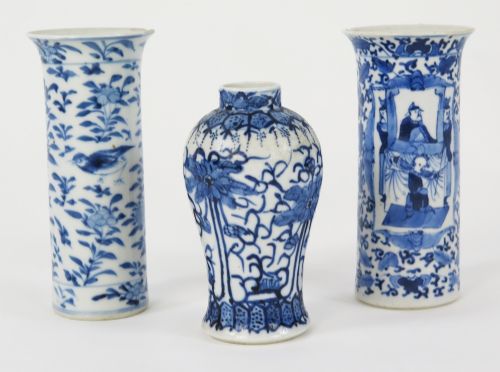
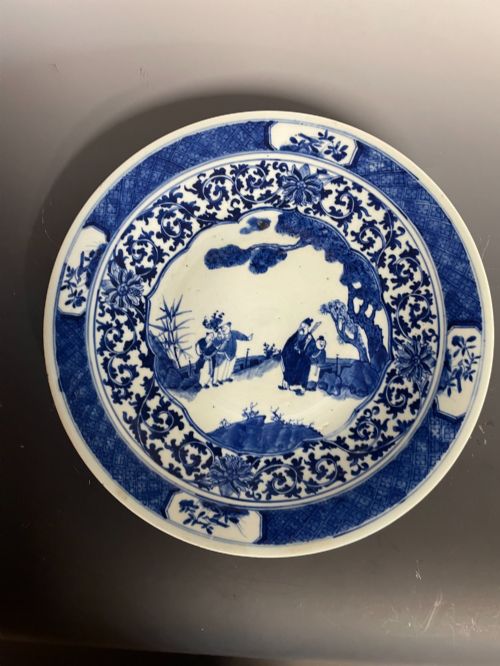
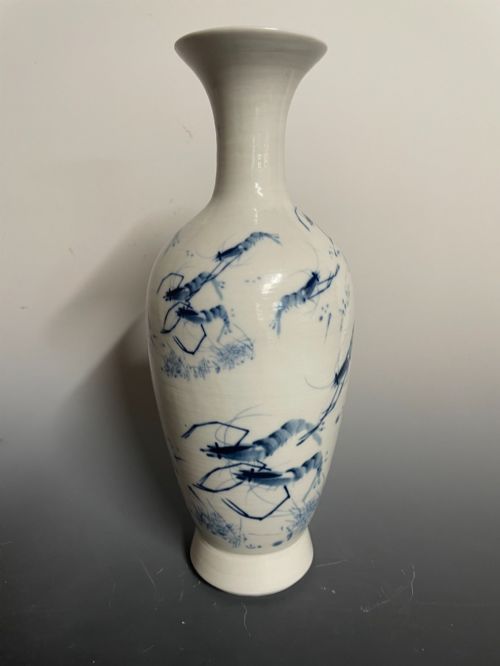
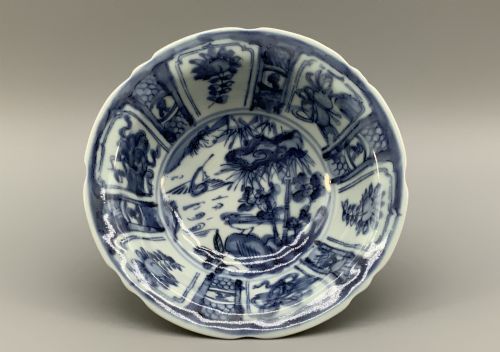
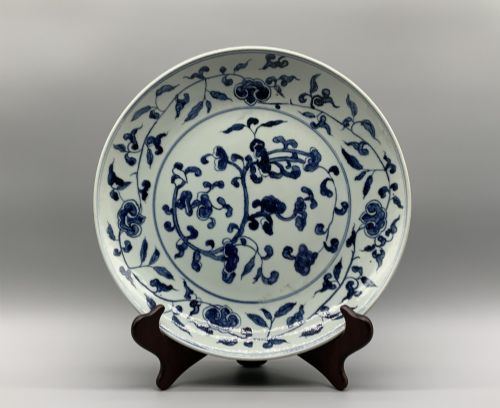
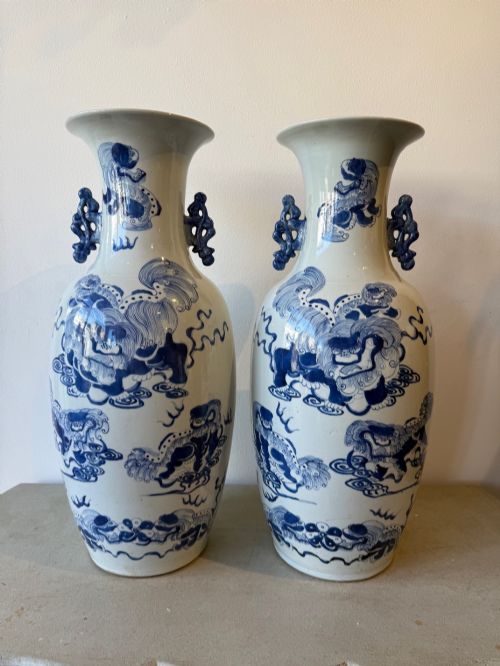
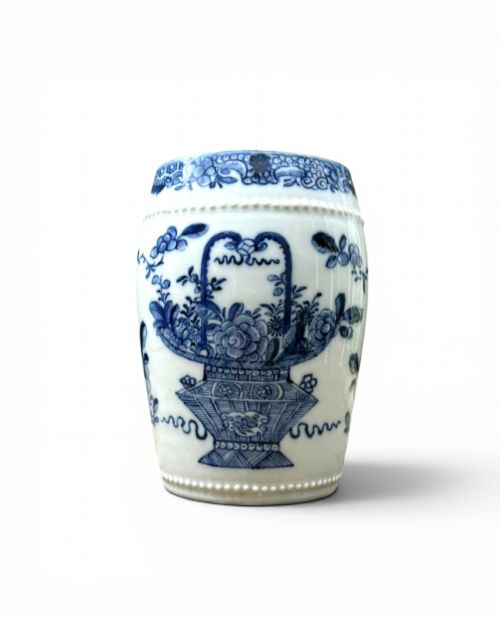
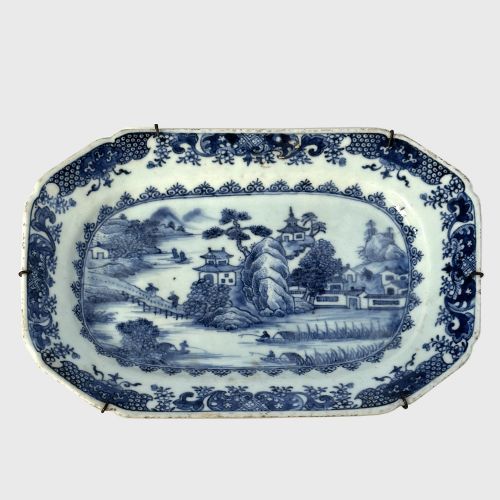
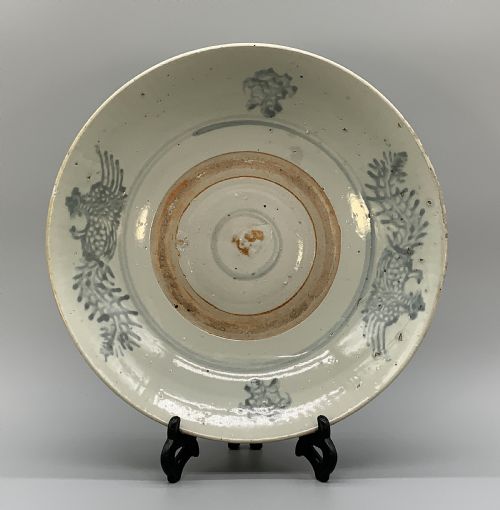
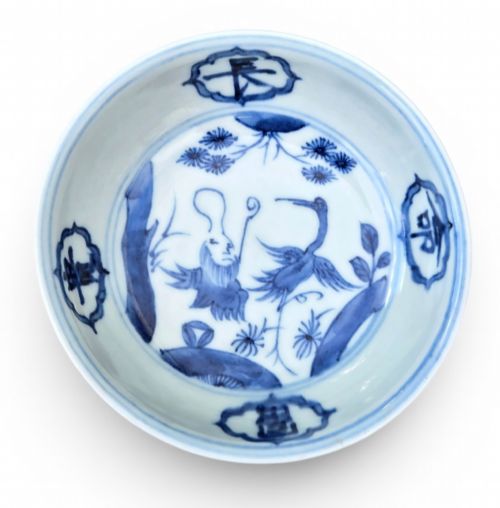
Cobalt blue chinese porcelain encompasses functional and decorative forms spanning multiple centuries, including plates, chargers, vases, bowls, and brush pots.
The selections on this page feature examples originating from the Ming and Qing dynasties, alongside later export wares and pieces produced in the traditional style.
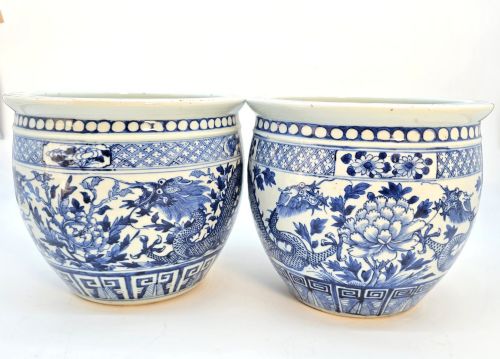
Vessels range from large floor-standing jardinieres and ginger jars to table lamps, punch bowls, and barrel-shaped mugs.
Materials and technique
Potters shaped fine ceramic and porcelain bodies before applying cobalt pigment to the raw clay beneath a transparent glaze.
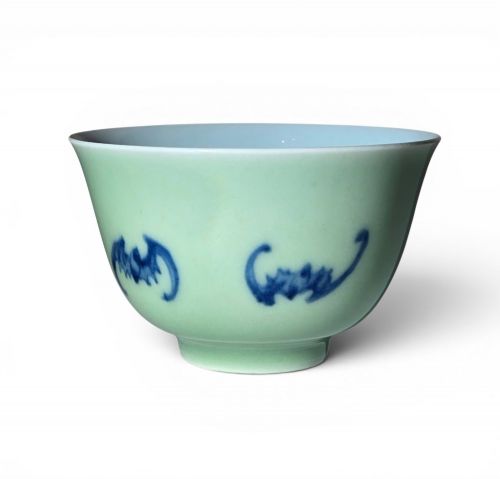
Firing at high temperatures fused the cobalt oxide into the glaze, producing rich blue decoration against a white or celadon ground.
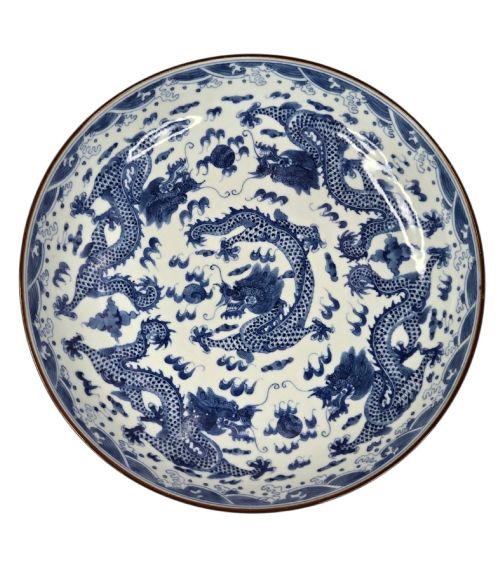
Several dragon chargers feature five claws, once reserved strictly for imperial use under penalty of a very stern talking-to.
Quality variations
Depth and clarity of the cobalt underglaze decoration separate standard production from finer wares, with superior examples showing controlled brushwork and distinct motifs.
Precision in the potting and the purity of the white porcelain ground dictate the refinement of individual pieces.
The Cobalt Blue Chinese Porcelain Glossary
- Cobalt underglaze
- Pigment applied to the ceramic body before the application of glaze and high-temperature firing. This technique protects the blue decoration beneath a glossy vitrified layer.
- Kangxi period
- The era spanning the late seventeenth and early eighteenth centuries noted for vibrant blue tones and refined painting. Pieces from this time often bear reign marks or art symbols.
- Ginger jar
- A high-shouldered ceramic vessel originally designed for spices or storage. These jars frequently display repeating panels or floral motifs in blue pigment.
- Meiping
- A tall-shouldered vase with a narrow neck traditionally used for plum branches. The form balances a weighted base with a delicate opening.
- Swatow ware
- Large trading ceramics produced during the late Ming dynasty for export markets. These pieces typically exhibit bold brushwork under a thick glaze.
Cobalt Blue Chinese Porcelain: Frequently Asked Questions
How do I date a blue and white vase?
Dating relies on examining the painting style, potting characteristics, and any reign marks present on the base. Comparing the cobalt tone and glaze texture to known examples helps establish the period.
Changes in imperial patronage and export trends influenced the decorative motifs across different centuries.
What was a punch bowl used for?
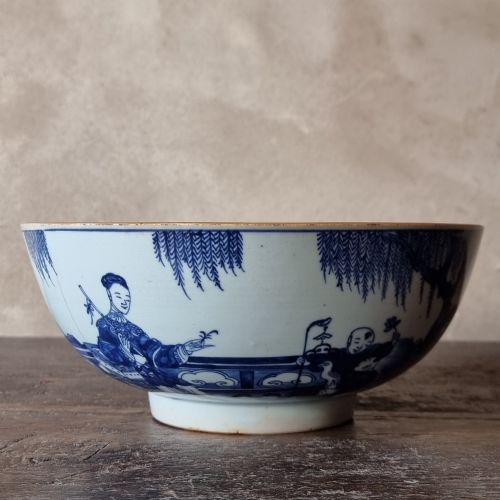
Punch bowls served communal drinks during social gatherings and banquets, particularly in eighteenth-century households. Their generous proportions accommodated large volumes of mixed beverages.
Export examples frequently incorporated Western coats of arms or specific commissioned designs alongside traditional Chinese motifs.
Where should I display a large charger?
Large chargers sit securely on specialist wall mounts or sturdy plate stands due to their substantial weight. Placing them away from direct foot traffic protects the edges from accidental impact.
Adequate lighting enhances the contrast between the cobalt pigment and the white ceramic ground.
What is a brush pot?
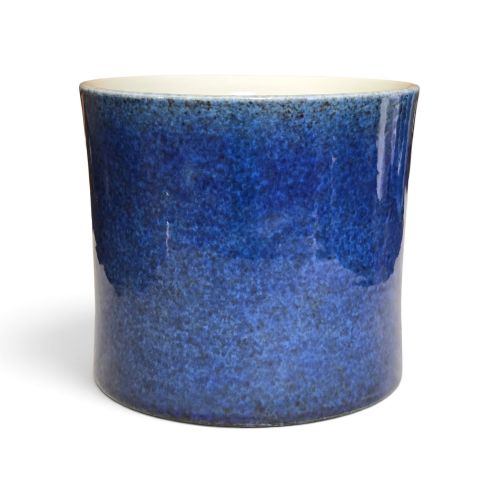
Brush pots function as desk accessories designed to hold scholar's writing brushes upright. These cylindrical vessels appear in various sizes, often carved or painted with landscape scenes.
Scholar's items formed an essential part of the traditional Chinese literati study.