
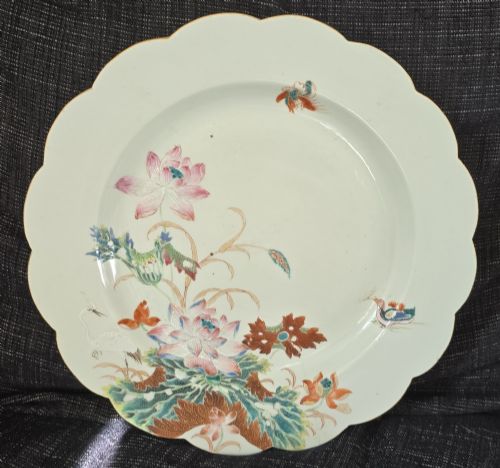
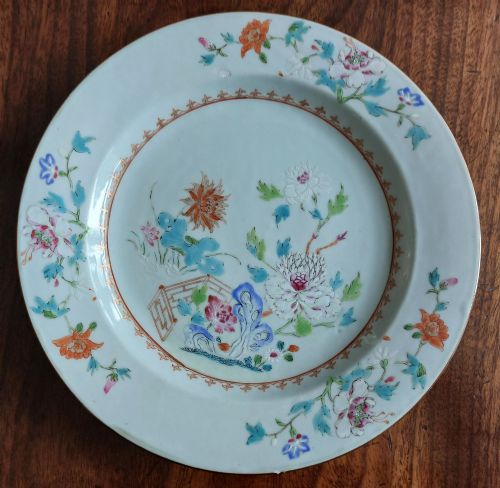
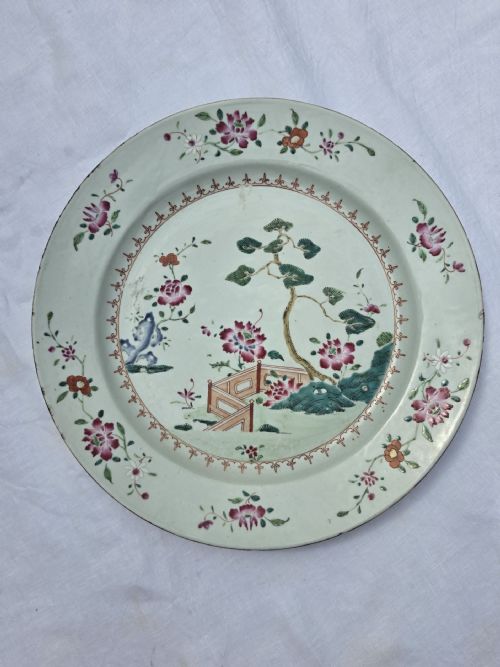


Qianlong Chinese Export Plate
A qianlong chinese export plate brings the refined artistry of eighteenth-century kilns directly to the table.
Qianlong Chinese Export Plate
A qianlong chinese export plate represents the porcelain produced in China specifically for Western markets during the eighteenth century. Buyers seek these pieces for their intricate hand-painted decoration, historical significance, and connection to global trade networks.
The versions most commonly found here date from the eighteenth century, spanning the Qing Dynasty and the Qianlong period. These items typically manifest as decorative plates, chargers, and dishes featuring varied forms such as octagonal soup plates and circular tableware.
How they were made
Potters utilised hard-paste porcelain as the primary body material, shaping it into plates and dishes before applying detailed decoration. Overglaze enamel, blue and white pigments, and occasional gold leaf were then painted onto the surface.
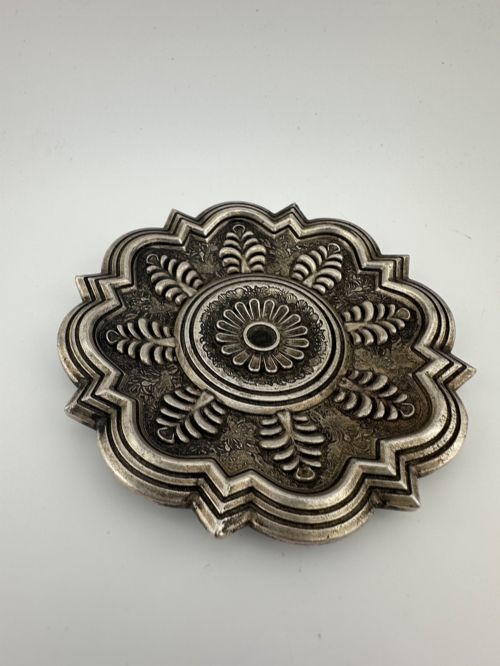
Famille rose enamels and canton enamel techniques provided the vibrant palettes seen on many pieces, requiring careful firing in kilns to fix the colours. Some items also incorporate white metal or nickel silver elements.
Current listings feature items from the eighteenth century, specifically the Qianlong period and Qing Dynasty, alongside later twentieth-century interpretations.
What varies in quality
The sophistication of the hand-painted scene dictates much of the distinction between examples, with complex armorial designs, figures, and bird motifs showing greater artistic investment. Heraldic commissions displaying specific coats of arms for families like Henley or Pickering demonstrate particularly high levels of bespoke craftsmanship.
The depth and preservation of the enamel colours across the hard-paste porcelain surface further separate standard domestic wares from superior presentation pieces. Consistency in the glaze and the crispness of the painted detail reflect the skill of the workshop.
The Qianlong Chinese Export Plate Glossary
- Famille rose
- A palette of opaque enamel colours dominated by pink, introduced to Chinese porcelain during the Qing Dynasty. This style allowed for nuanced shading and detailed floral or figural compositions.
- Chinese export
- Porcelain manufactured in China explicitly for European and American markets. These objects often combined traditional Eastern potting techniques with Western heraldic or decorative preferences.
- Hard-paste porcelain
- A dense, vitrified ceramic material composed of petuntse and kaolin. It fires at high temperatures to produce a durable body with a resonant ring when struck.
- Armorial
- A designation for porcelain decorated with European coats of arms or crests. These bespoke services were ordered by noble families through trading companies.
- Mandarin palette
- A style of Chinese export porcelain featuring bustling figural scenes within elaborate borders. The decoration typically depicts courtly or domestic activities in rich enamel colours.
Qianlong Chinese Export Plate: Frequently Asked Questions
How do I date a qianlong chinese export plate?
Dating relies primarily on the stylistic characteristics of the painting, the reign period of the Qing Dynasty, and the recorded historical context of specific armorials. Most authentic examples correspond to the eighteenth century and the specific years of the Qianlong reign.
Changes in the enamel palette, such as the adoption of famille rose hues, also assist in narrowing the production window. Comparing the form and decorative motifs to documented archive pieces provides further confirmation.
What is the difference between famille rose and blue and white plates?
Famille rose plates utilise a polychrome overglaze enamel technique introduced in the eighteenth century, featuring opaque pinks, greens, and yellows. Blue and white plates rely on cobalt oxide painted under the glaze before firing, representing a much older decorative tradition.
Both styles were produced during the Qianlong period for export, but they offer completely different visual textures. Famille rose provides pictorial depth through varied colours, while blue and white focuses on linear contrast.
Were these plates used for dining or display?
Export plates served primarily as functional tableware for wealthy European and American households during formal dinners. Their durable hard-paste porcelain construction made them suitable for serving food.
At the same time, armorial services and finely painted chargers were often displayed on sideboards or walls to demonstrate the owner's status and wealth. Over time, many surviving examples transitioned entirely into decorative cabinet pieces.
What does an armorial design mean?
An armorial design indicates that the plate was commissioned specifically for a European family, displaying their unique heraldic coat of arms. These bespoke orders were coordinated through the East India companies, requiring drawings to be shipped to China for reproduction.
Plates bearing these coats of arms allow historians to trace the exact original owners, such as the Earl of Northington. This provenance adds significant historical context to the physical object.
How should I clean my porcelain plate?
Cleaning requires gentle hand washing in lukewarm water using a mild, non-abrasive detergent and a soft cloth. Harsh chemicals, scouring pads, and dishwashers must be strictly avoided to protect the delicate overglaze enamels and gold leaf.
After washing, dry the plate thoroughly with a lint-free towel. Proper handling prevents accidental chipping of the hard-paste porcelain body.