
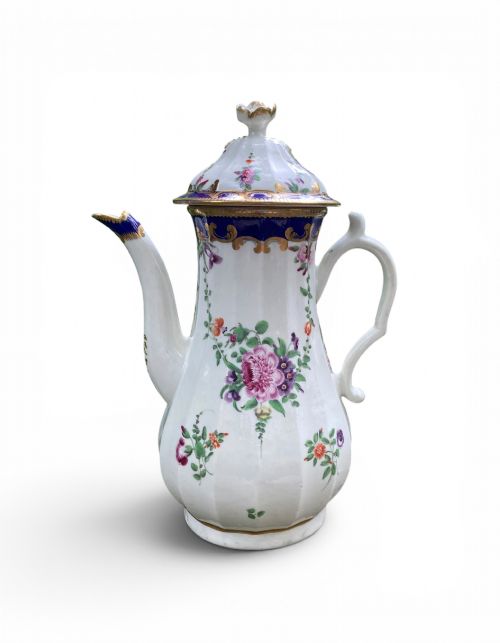
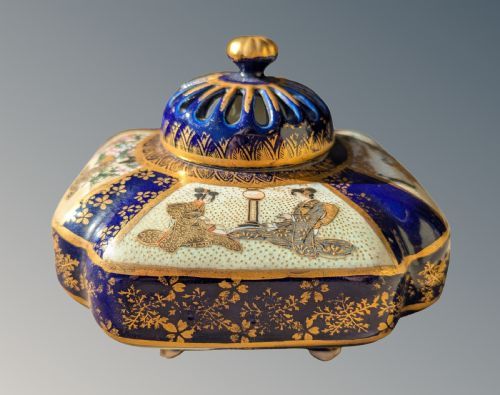

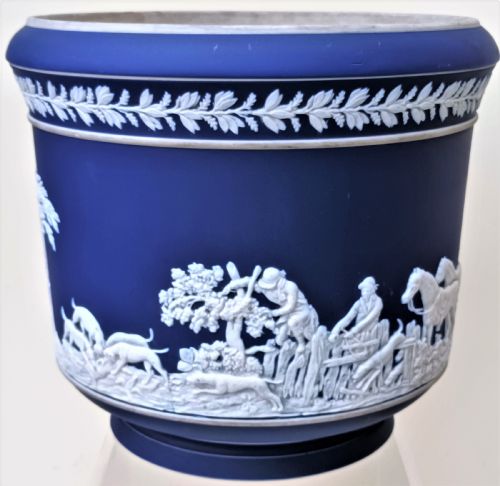
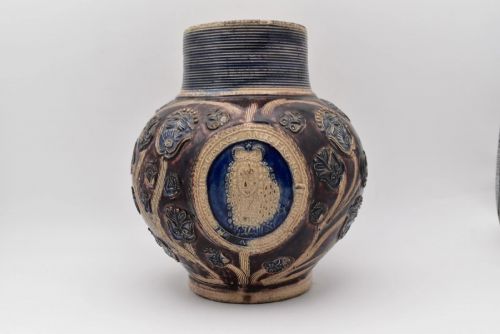
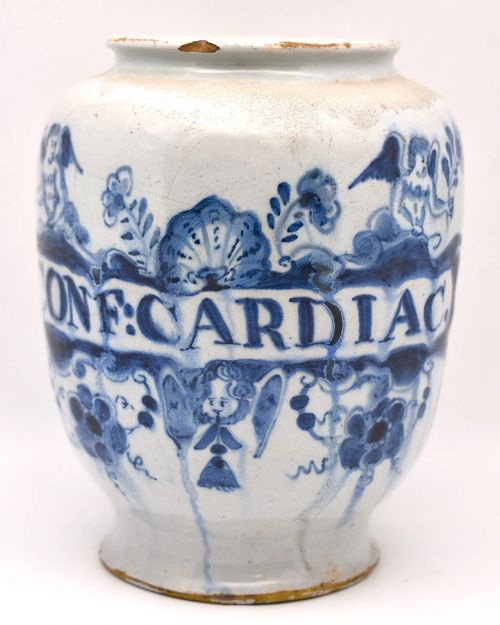


Cobalt Blue Ceramic Pot
These cobalt blue ceramic pot listings span centuries of blue and white porcelain, earthenware, and stoneware made for display, storage, and utility.
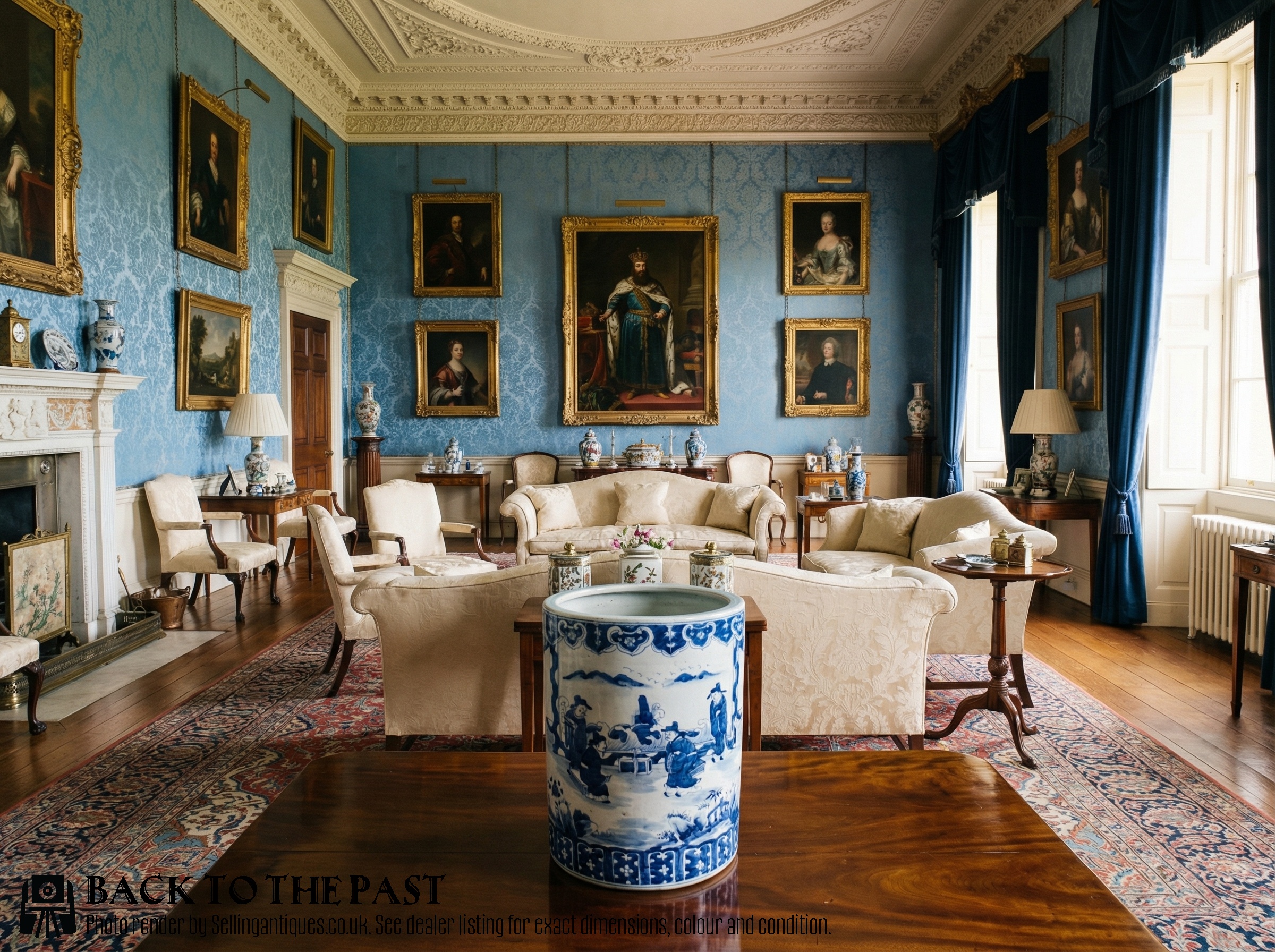
Cobalt Blue Ceramic Pot
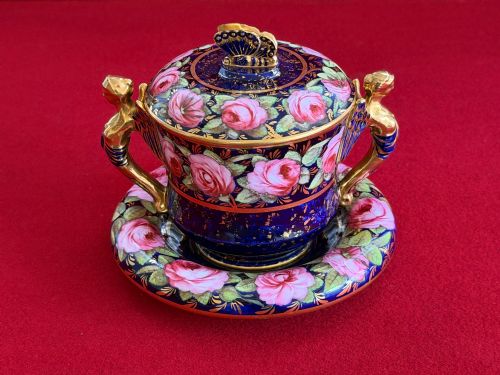
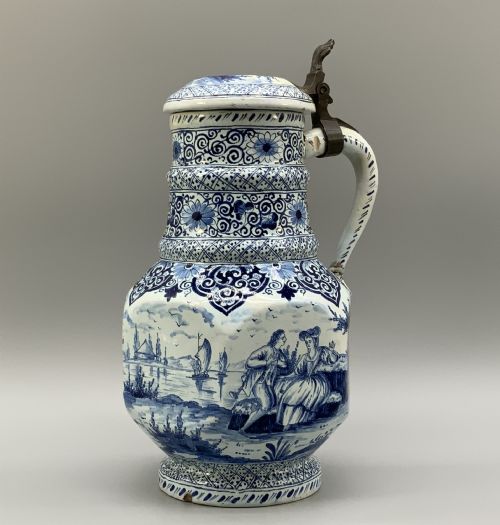
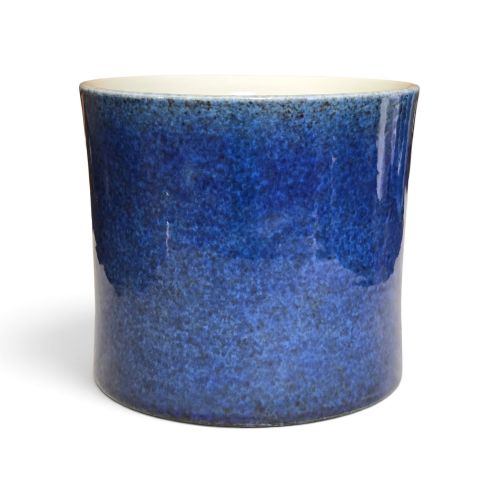
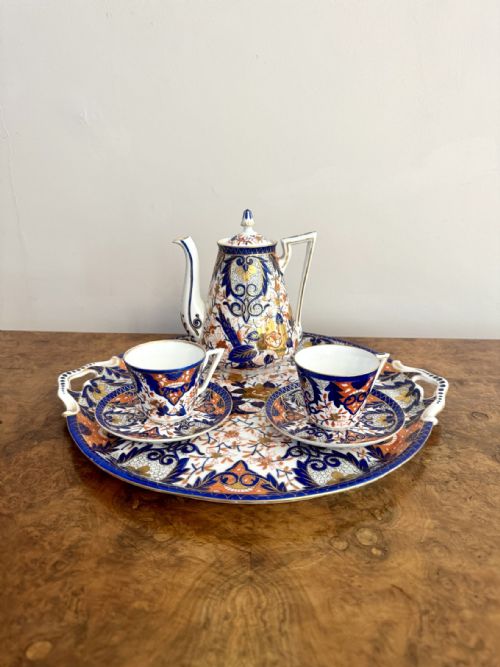
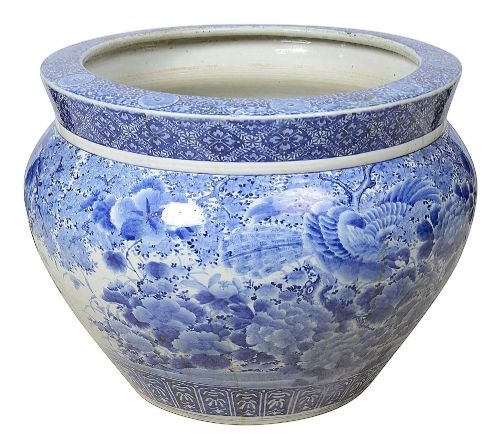
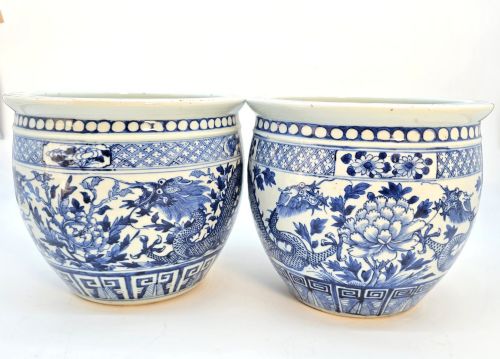
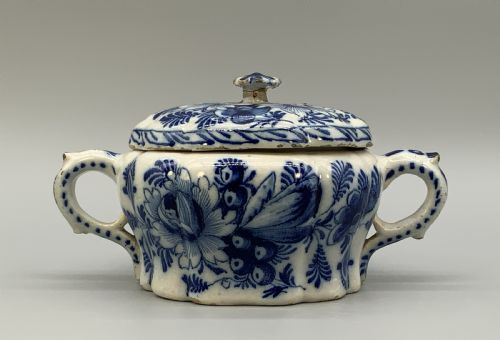
A cobalt blue ceramic pot takes many forms across the centuries, appearing as jardiniere planters, ginger jars, brush pots, and posset vessels. You encounter domestic English delftware alongside Chinese porcelain and Japanese Imari pieces produced for international trade.
The material ranges from porous earthenware and refined porcelain to dense stoneware. Many items serve a decorative purpose, whilst others held liquids, tea, or medicinal preparations in past centuries.
How they were made
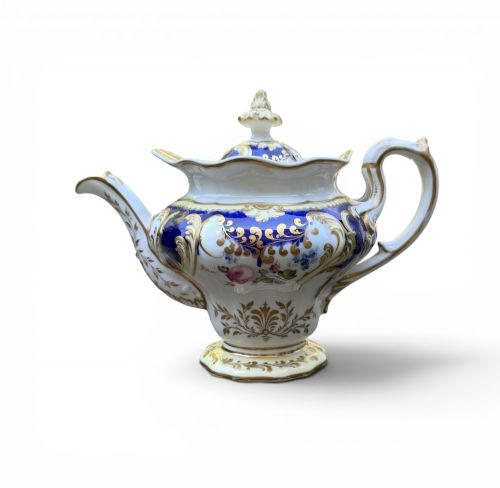
Potters shaped these vessels from clay bodies including porcelain, earthenware, and stoneware, frequently applying cobalt oxide pigments beneath a transparent glaze before kiln firing. Some examples incorporate hand-painted enamel details or gilding applied over the glaze.
Techniques varied from the wheel-thrown pots of English delftware makers to the precise moulding seen in Victorian jasperware and majolica pieces.
Listings feature porcelain, earthenware, stoneware, and enamel materials across the seventeenth, eighteenth, and nineteenth centuries.
What varies in quality
Quality rests in the crispness of the cobalt decoration, the purity of the ceramic body, and the precision of the throwing or moulding. Finer pots exhibit stable glazes free from excessive pooling or dry patches, with hand-painted brushwork showing clear control.
The reputation of the pottery or the skill of the individual decorator distinguishes standard domestic wares from exceptional exhibition pieces.
William Adams And Sons·Royal Doulton·Doulton Lambeth·Samuel Alcock·George Jones·Spode·Coalport·Minton·Worcester·Kinkozan
The Cobalt Blue Ceramic Pot Glossary
- Jardiniere
- An ornamental ceramic pot designed to hold a live plant or flower arrangement. These pieces often feature wide rims and sturdy bases.
- Delftware
- Tin-glazed earthenware produced in England and the Netherlands during the seventeenth and eighteenth centuries. It typically displays blue decoration on a white background.
- Jasperware
- A fine-grained, unglazed stoneware developed in the eighteenth century, commonly associated with applied white classical reliefs on coloured grounds.
- Imari
- Japanese export porcelain decorated in underglaze blue, iron red, and gold. This style gained immense popularity in European households.
- Brush pot
- A cylindrical vessel used in East Asian scholarly traditions to hold writing brushes. They are frequently carved from porcelain or stoneware.
Cobalt Blue Ceramic Pot: Frequently Asked Questions
What is a cobalt blue ceramic pot used for?
These vessels held liquids, tea, dry goods, or plants depending on their specific form. Many larger jars and jardinieres functioned purely as interior decoration in period homes.
Smaller pots served dining or apothecary roles, containing items such as coffee, chocolate, or medicinal drugs.
How do I clean an antique ceramic pot?
Dust these pieces gently with a soft, dry brush to prevent dirt accumulation on glazed surfaces. Avoid harsh chemical cleaners and abrasive scouring pads.
Water immersion should be avoided for porous earthenware, delftware, or pieces with delicate overglaze enamel and gilt details.
How can I tell an eighteenth-century pot from a nineteenth-century one?
Examine the glaze, weight, and potting technique closely under good lighting. Eighteenth-century pieces often display characteristic foot-rim wear and subtle variations in the cobalt pigment.
Nineteenth-century items frequently show more industrial standardisation in their manufacturing process and denser ceramic bodies.
What is the difference between porcelain and stoneware pots?
Porcelain is a vitrified, translucent ceramic fired at high temperatures using fine white clay. It rings clearly when tapped and resists liquid absorption entirely.
Stoneware is a heavier, dense, and opaque ceramic that is impervious to liquids even without glaze. It appears frequently in utilitarian jugs and German beer vessels.