

Cobalt Blue Ceramic Jug
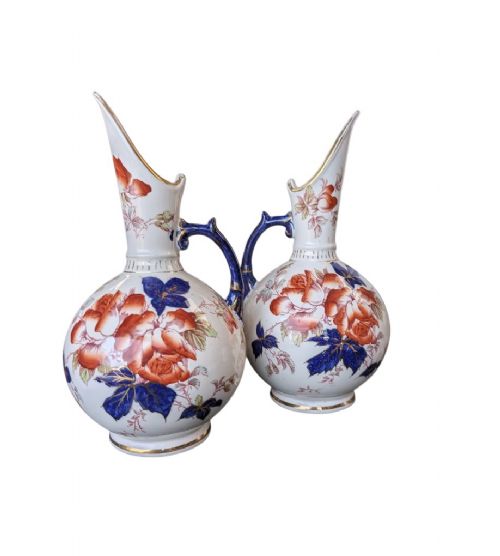
A cobalt blue ceramic jug brings deep colour and hand-painted detail to a room, drawing the eye with strong cobalt pigments on earthenware, ironstone or porcelain.

Cobalt Blue Ceramic Jug
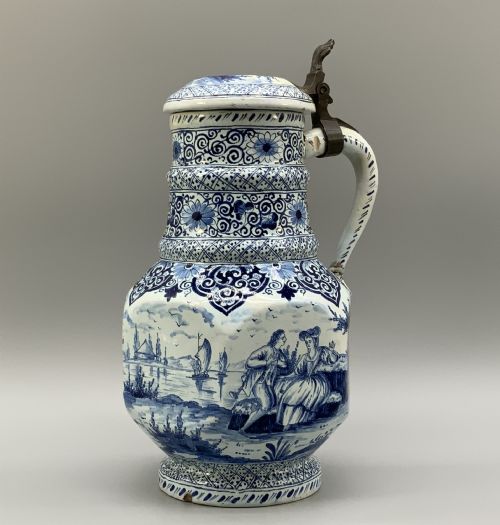
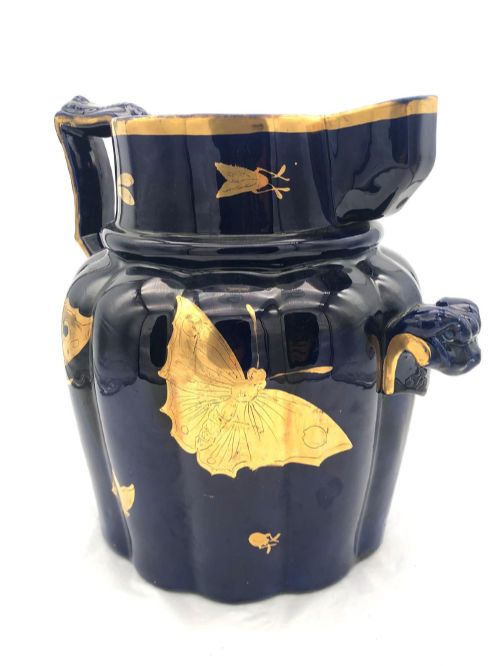
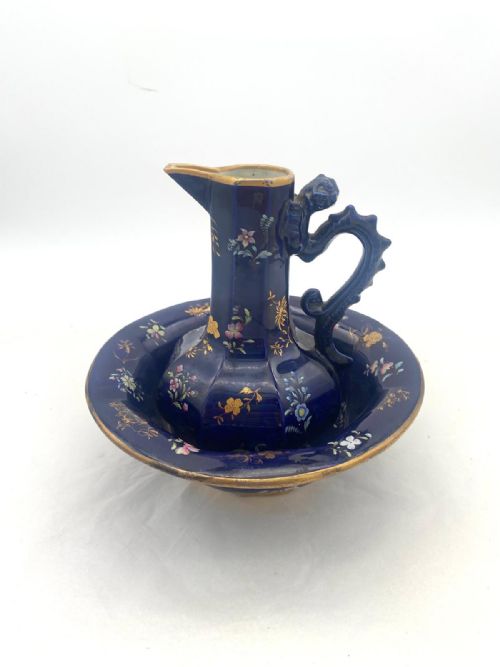
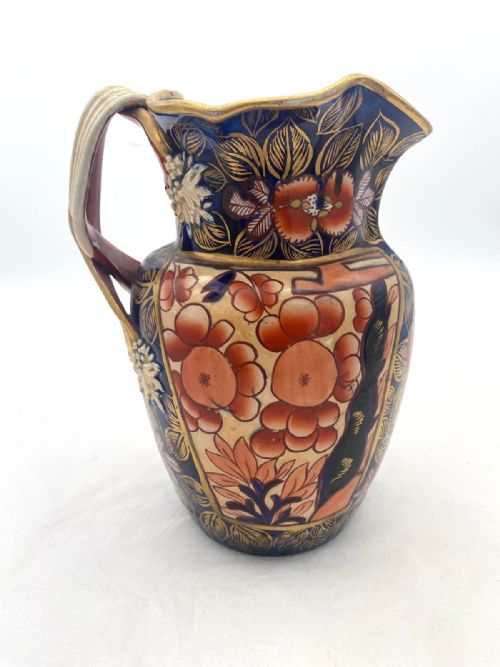
A cobalt blue ceramic jug spans domestic vessels and decorative pitchers made across the eighteenth and nineteenth centuries. The selections here range from Georgian ironstone and Victorian earthenware to Dutch Delftware and German salt-glazed stoneware.
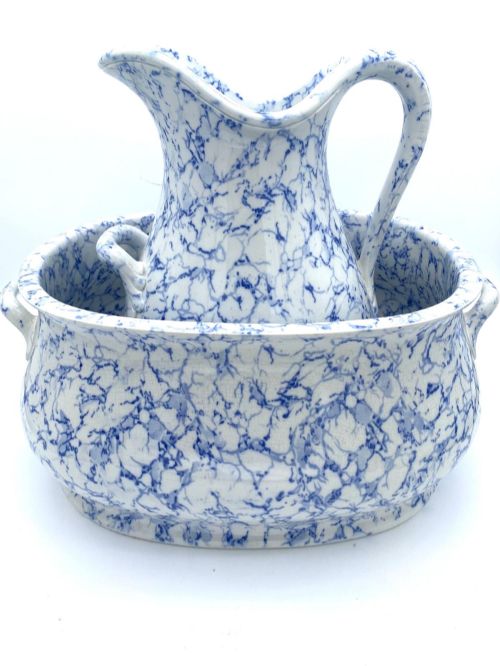
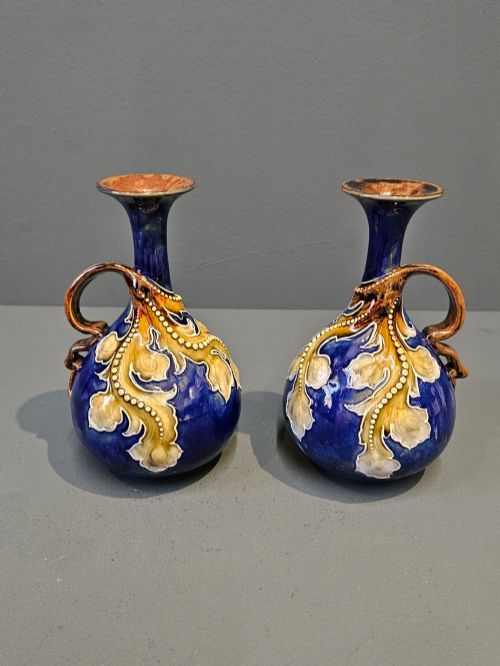
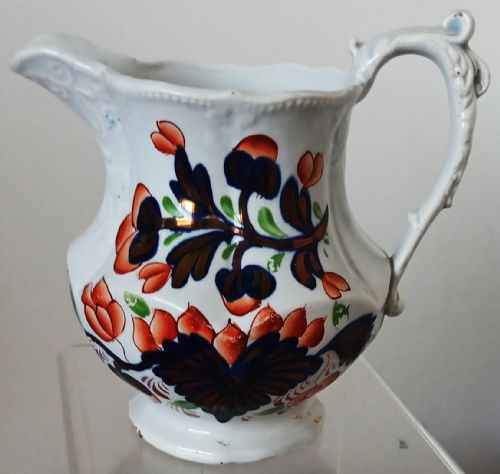
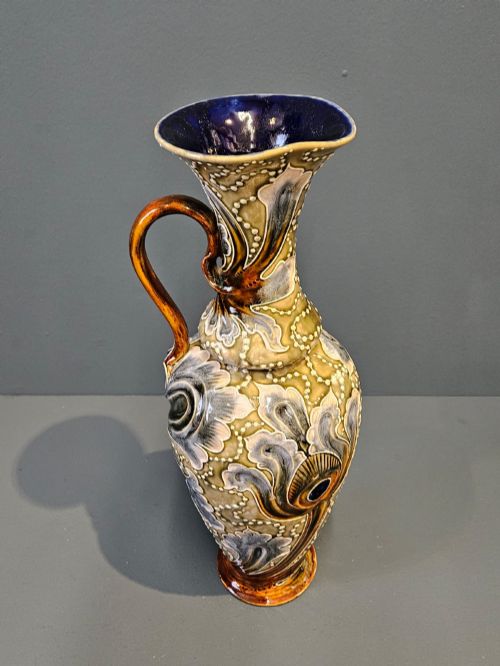
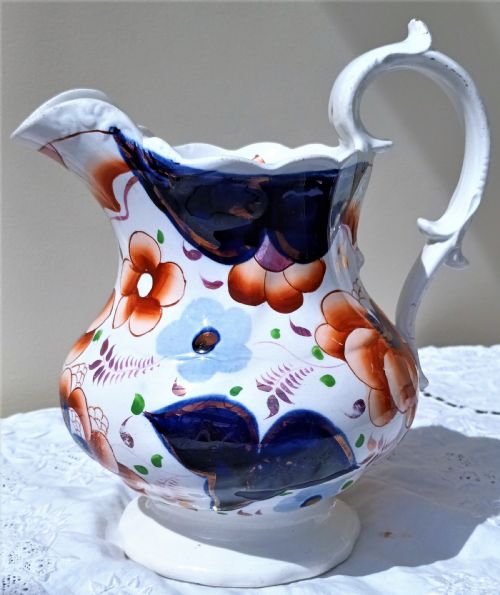
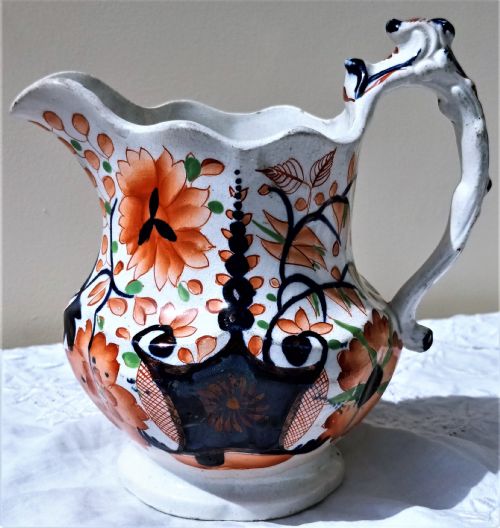
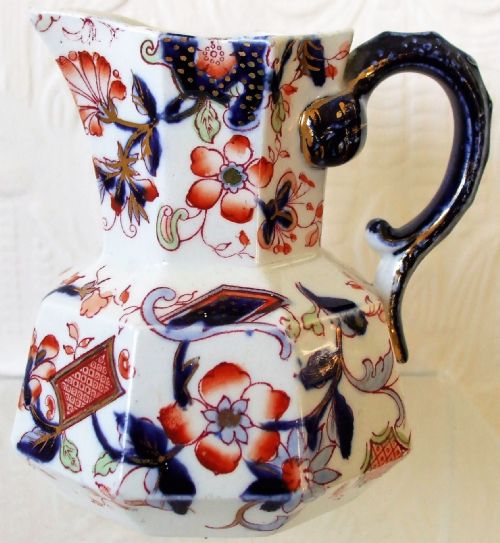
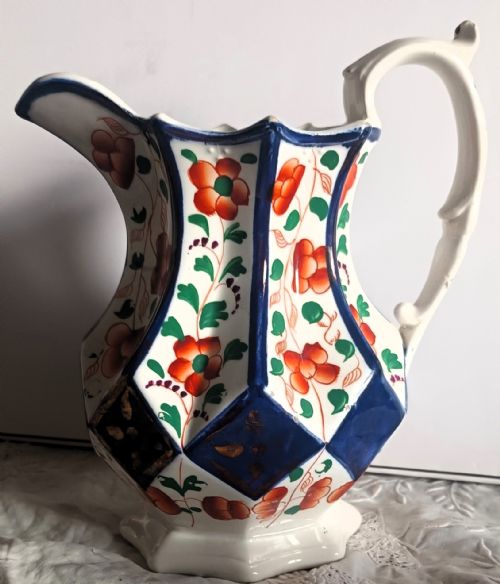
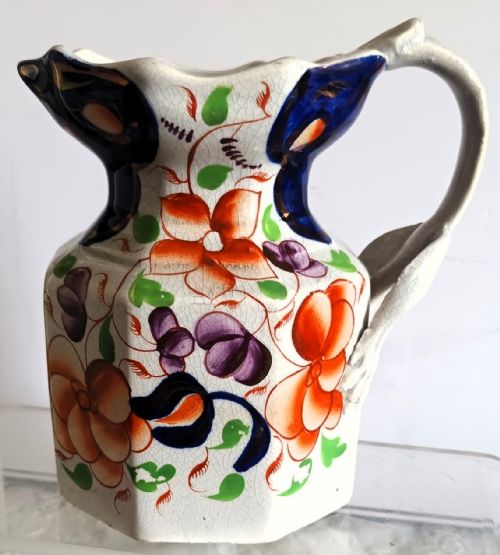
Buyers encounter numerous regional variations, including Gaudy Welsh earthenware patterns, Doulton Lambeth salt glaze, and Mason's ironstone pieces. Many examples form part of larger wash sets or tea services alongside matching basins.
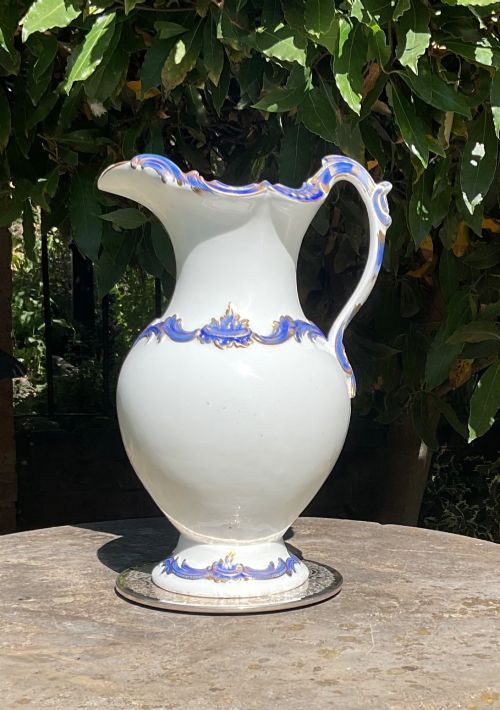
Forms vary from standard pouring pitchers to footbaths, ewers, mask head jugs, and miniature salesman samples. Each piece reflects the specific potting traditions and blue-and-white decorative preferences of its period of origin.

How they were made
Potters shaped earthenware, ironstone, porcelain, and stoneware bodies on the wheel or in moulds before applying cobalt blue glazes, enamels, and occasional gold leaf accents. Salt glazing created distinctive textured surfaces on German stoneware pitchers.
Decoration relied on hand-painted brushwork or blue and white transfer printing techniques. Glazes were fired at high temperatures to bind the deep cobalt pigment permanently to the ceramic body.
Cobalt Blue Ceramic Jug Retail Price Guide 2026
Typical asking prices for cobalt blue ceramic jug among the pieces listed under this phrase on Sellingantiques today, from the lower quarter to the upper quarter. They describe what is for sale here now, not the wider market.
Dutch Delftware and German Westerwald pieces demonstrate early continental salt-glaze and tin-glaze traditions.
What varies in quality
The clarity of the glaze and the structural integrity of the ceramic body distinguish standard domestic vessels from exhibition pieces or works by notable factories.
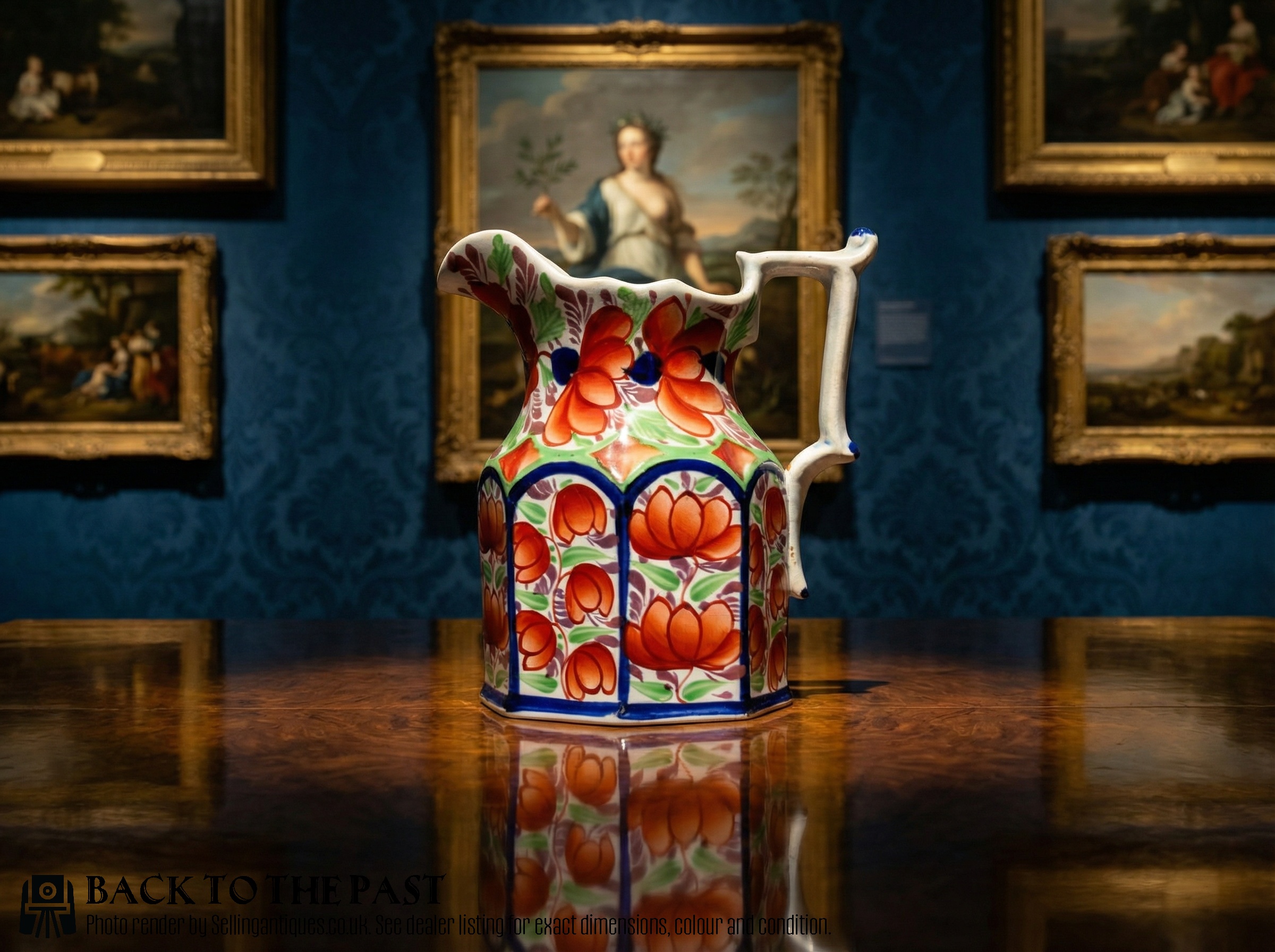
Minton·Doulton Lambeth·Keeling and Co·Simon Peter Gerz·Royal Davenport
The Cobalt Blue Ceramic Jug Glossary
- Cobalt blue
- A deep blue pigment derived from cobalt oxide, used widely underglaze on ceramics for its stability at high firing temperatures.
- Ironstone
- A durable type of heavy earthenware patented in the nineteenth century, designed to resist chipping and mimic Chinese porcelain.
- Salt glaze
- A pottery glaze created by throwing common salt into the kiln during high-temperature firing, producing a textured, orange-peel surface.
- Transfer printing
- A method of applying intricate engraved designs to ceramic surfaces by transferring ink from a copper plate via paper.
- Ewer
- A large pitcher with a flared spout and curved handle, historically designed for hand-washing when paired with a matching basin.
Cobalt Blue Ceramic Jug: Frequently Asked Questions
How were ceramic jugs used historically?
These vessels served practical roles carrying water, milk, or wine at the table, or functioning as washing equipment within bedroom wash sets. Larger examples acted as decorative centrepieces or components of tea services.
Over time, many transitioned into purely ornamental display objects, prized for their rich blue glazes and sculptural handles.
How do I identify nineteenth-century pieces?
Nineteenth-century examples often display maker marks, registration diamonds, or pattern names stamped onto the unglazed base. Stylistic cues like transfer-printed Chinoiserie scenes or moulded ironstone shapes point directly to this era.
Heavier potting bodies and specific glaze formulas also help distinguish Victorian production from earlier Georgian or later twentieth-century items.
Can I use these antique jugs for daily service?
While these vessels were built for functional use, age and historic hairpins or glaze crazing mean most collectors prefer displaying them. Modern thermal shock and frequent washing can risk fragile nineteenth-century earthenware and ironstone.
Gentle handling preserves the cobalt pigments and any delicate gold leaf or enamel details applied over the glaze.
What is salt-glazed stoneware?
Salt-glazed stoneware involves throwing common salt into the kiln during the peak of the firing process. The sodium vaporises and reacts with the silica in the clay body to form a glassy, durable coating.
This technique creates the characteristic textured finish seen on German Westerwald pitchers and Doulton Lambeth wares.