
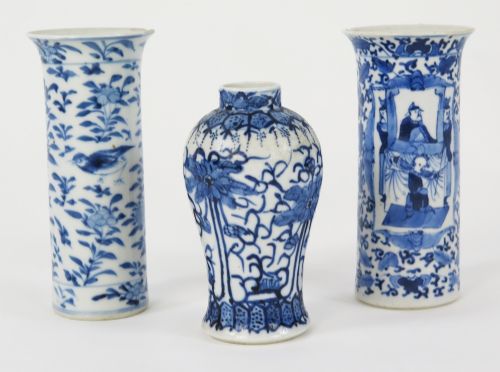
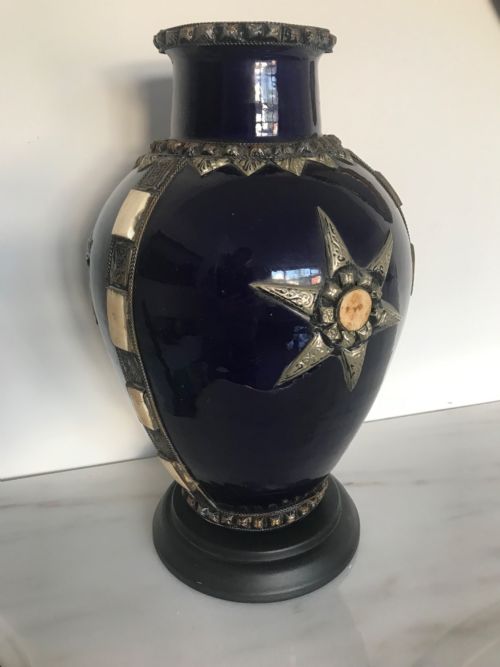
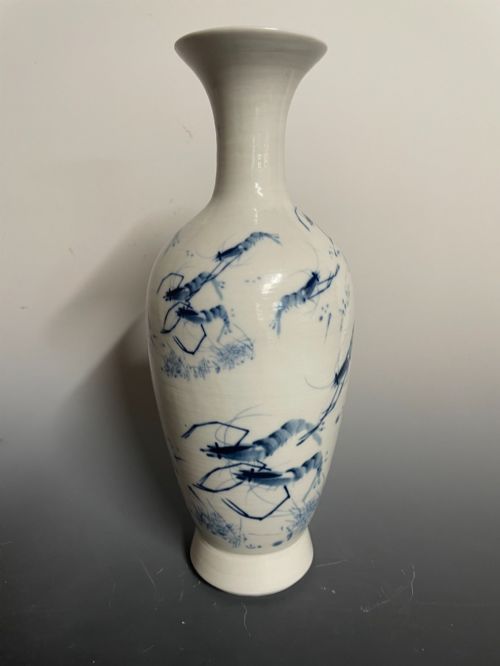
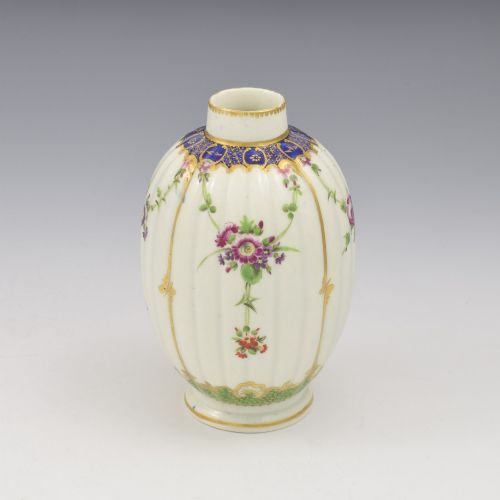
Cobalt Blue Ceramic Jar
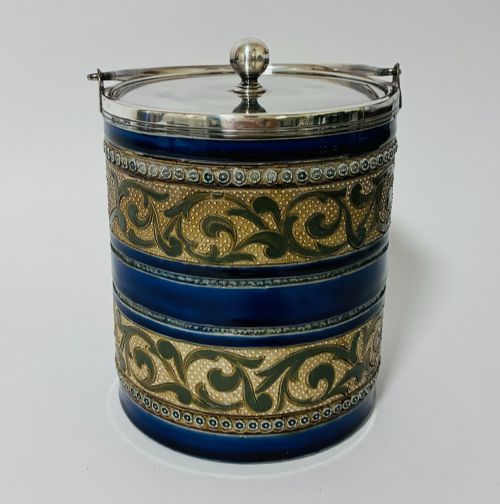
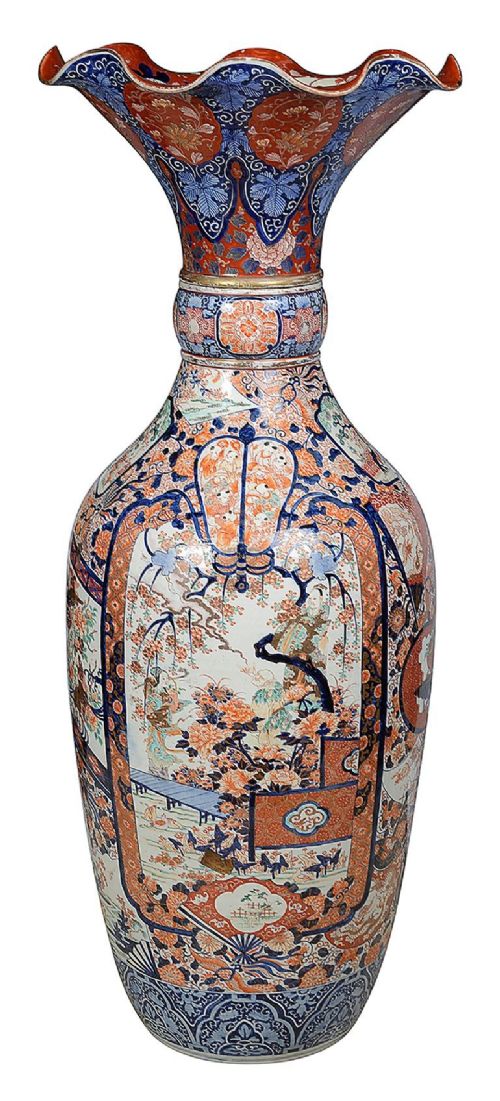
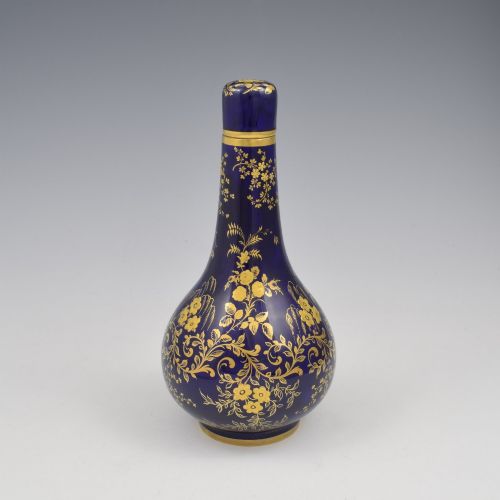
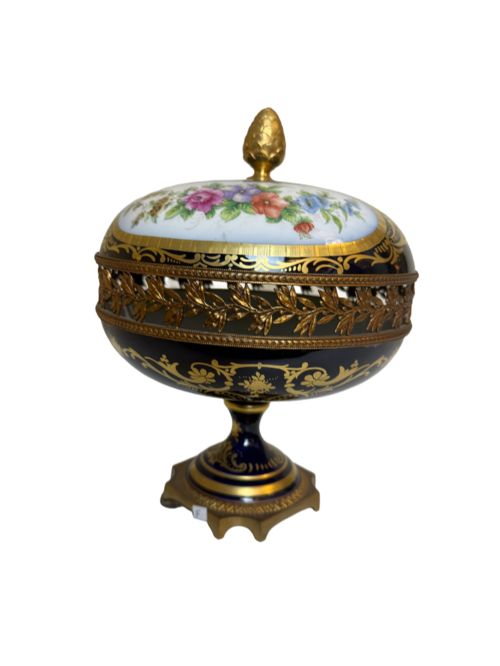
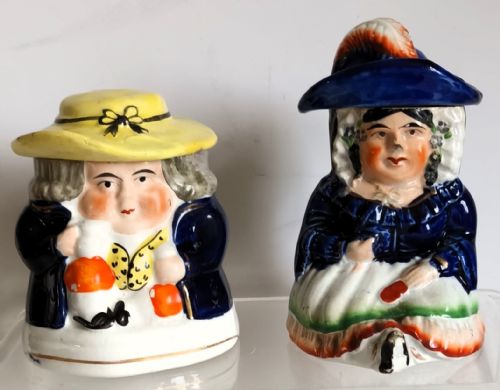
These items are a cobalt blue ceramic jar, prized for deep mineral pigments and forms that range from storage vessels to ornamental garnitures.
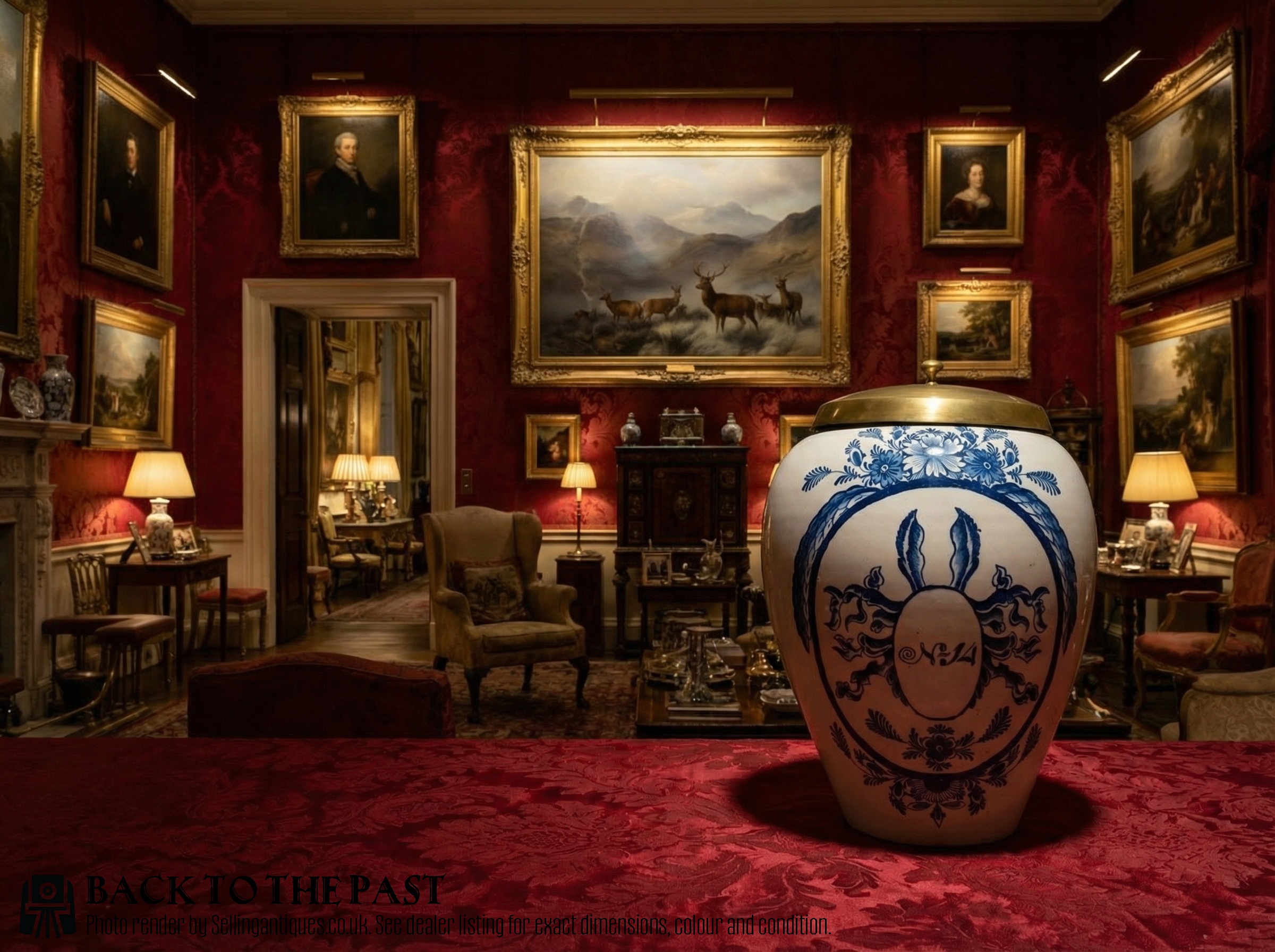
Cobalt Blue Ceramic Jar
A cobalt blue ceramic jar brings together centuries of potting traditions, spanning ginger jars, apothecary vessels, and biscuit barrels. These objects serve both practical storage and decorative display across domestic interiors.
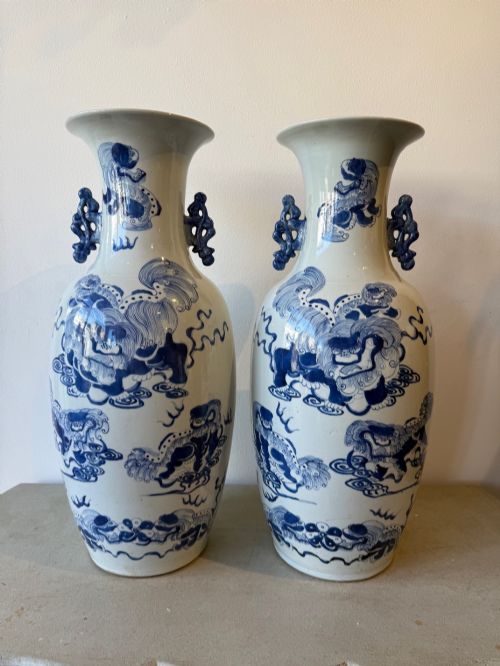
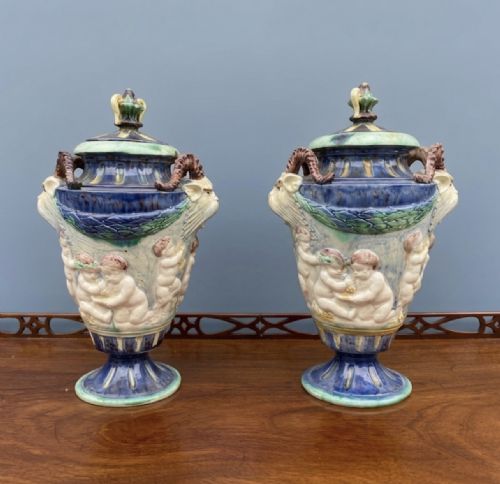
The selections here lean heavily toward 19th-century production, alongside notable 17th- and 18th-century examples. Forms include lidded ginger jars, double-gourd vases, and drug jars painted in deep cobalt tones.
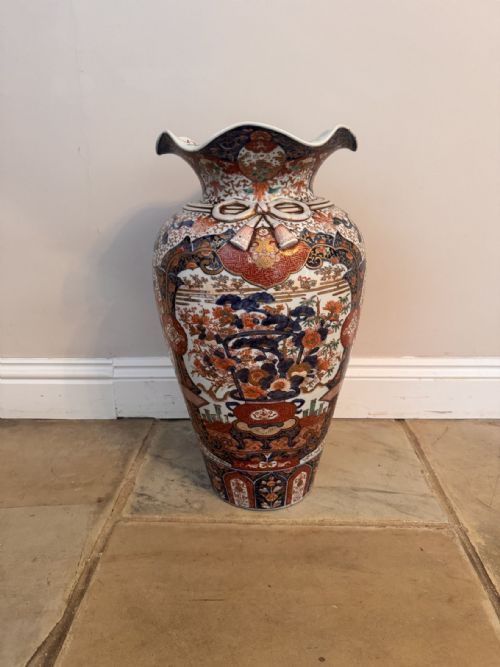
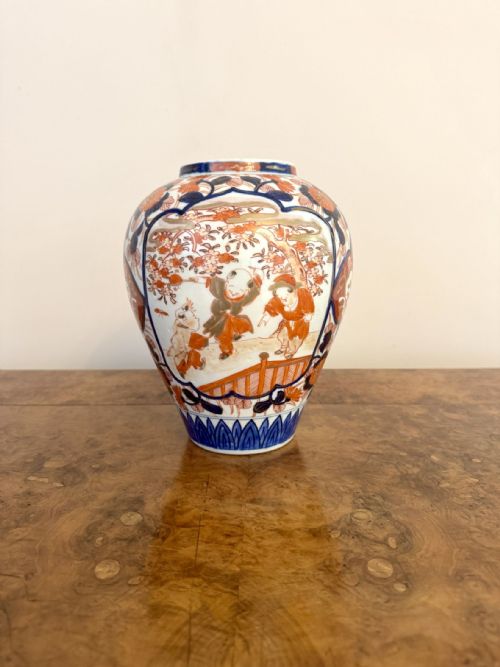
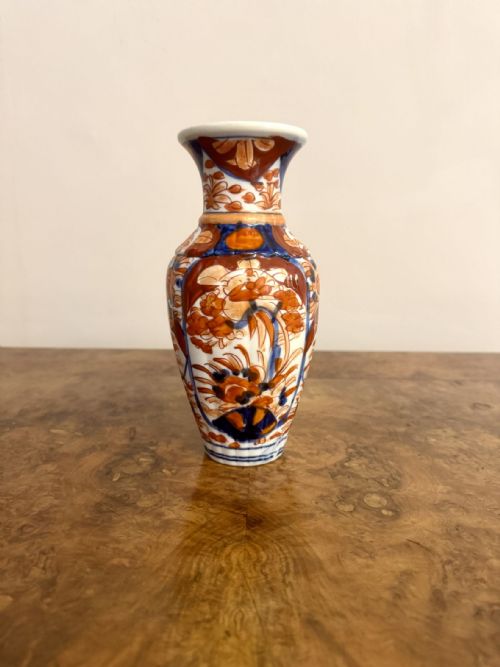
Origin points stretch from English earthenware potteries and European porcelain factories to Japanese Imari kilns and Chinese kilns. Buyers encounter everything from domestic Victorian biscuit barrels to grand floor-standing export pieces.
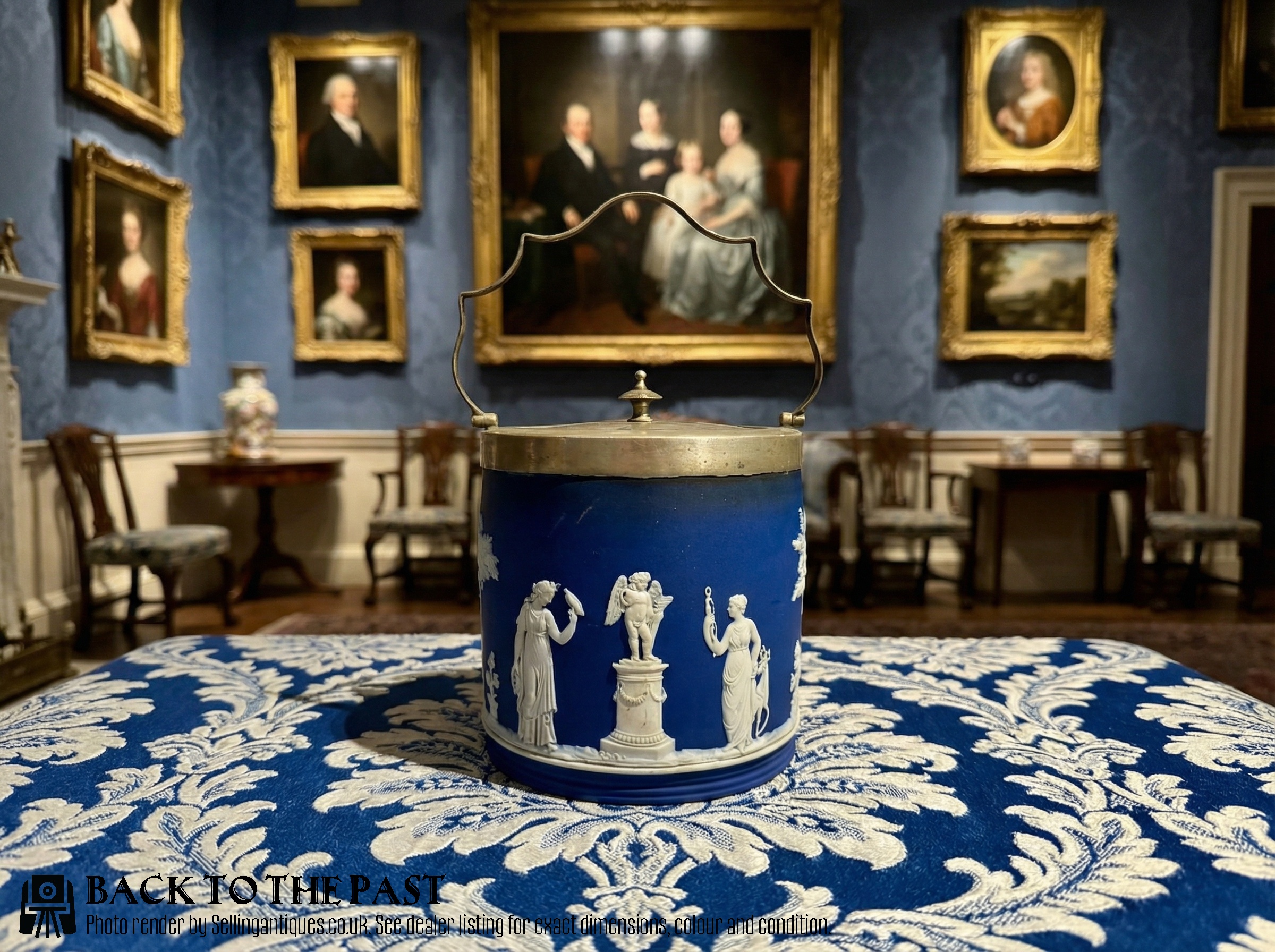
How they were made
Makers shaped these bodies from porcelain, earthenware, or ironstone, throwing or moulding the clay before firing. Cobalt glaze or underglaze blue pigment was applied directly to the surface to withstand high kiln temperatures.
Many items incorporate secondary details such as gold leaf, gilt highlights, enamel decoration, or silver-plated mounts. These finishing touches elevate the simple ceramic body into an ornate display object.
Cobalt Blue Ceramic Jar Retail Price Guide 2026
Typical asking prices for cobalt blue ceramic jar among the pieces listed under this phrase on Sellingantiques today, from the lower quarter to the upper quarter. They describe what is for sale here now, not the wider market.
Listings span the 17th Century through to the Edwardian era, featuring porcelain, earthenware, and ironstone.
What varies in quality
Visual depth in the cobalt glaze dictates the primary tier of distinction, separating flat tones from rich, luminous blues. Precision in the brushwork or transfer printing further marks the skill applied to the surface.
The crispness of the porcelain or earthenware body, alongside the integrity of any applied silver mounts or gilt enrichment, defines the upper range of these vessels. Maker attribution and period preservation complete the distinction.
Doulton Lambeth·Royal Crown Derby·Coalport·Samuel Alcock·Kinkozan
The Cobalt Blue Ceramic Jar Glossary
- Cobalt glaze
- A mineral-based blue pigment applied to ceramics that maintains its intense colour under high-temperature firing. It forms the defining visual characteristic of these jars.
- Ginger jar
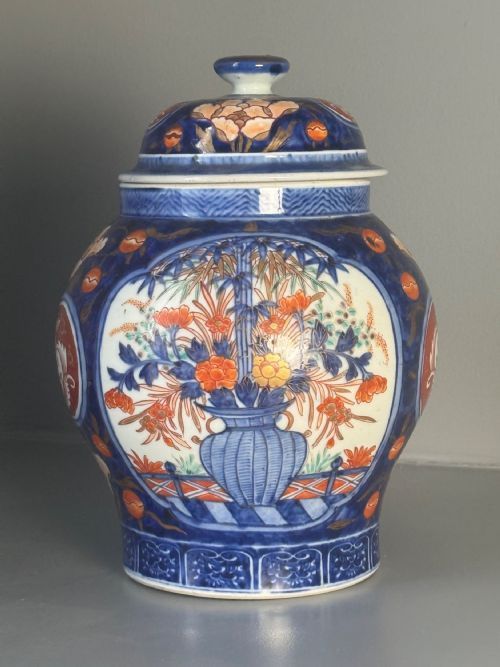
- A wide-shouldered ceramic vessel originally designed for spices and storage, later adopted for ornamental display. Lids often sit flush on the high shoulder.
- Imari palette
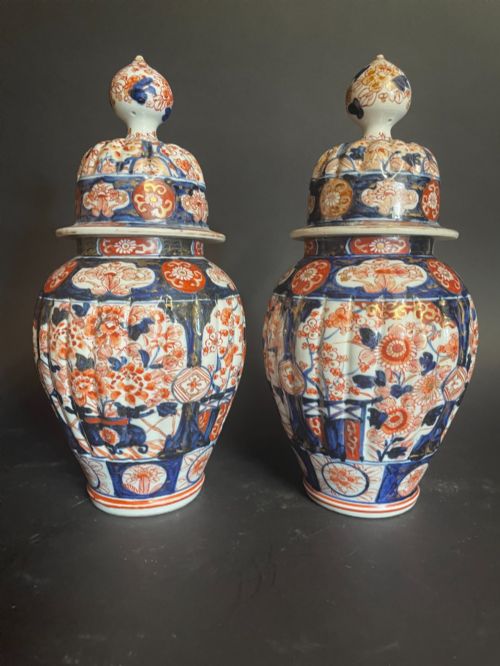
- A decorative style featuring underglaze blue combined with iron red, gold, and secondary colours. Originating in Japan, it heavily influenced European porcelain production.
- Biscuit barrel
- A covered ceramic container used in Victorian dining rooms for storing dry biscuits. They frequently feature silver-plated rims, handles, and lids.
- Drug jar
- An apothecary vessel intended for storing medicinal herbs, dry compounds, or liquids. Painted labels often identify the original contents in abbreviated Latin.
Cobalt Blue Ceramic Jar: Frequently Asked Questions
What were cobalt blue ceramic jars used for?
These vessels originally held dry goods, preserves, medicinal compounds, or spices in domestic and apothecary settings. Over time, many transitioned into pure decorative pieces.
Larger lidded versions sat on sideboards or formed part of garniture sets in formal rooms. Smaller jars retained practical functions for tea or biscuits.
How do I date a blue and white jar?
Dating relies on body composition, potting technique, and decorative style rather than a single indicator. Examining the base can reveal reign marks, period seals, or maker stamps.
Glaze characteristics and foot-rim formation also provide strong clues to whether a piece belongs to the 17th, 18th, or 19th century.
Are these jars waterproof?
Most glazed ceramic and porcelain jars hold water successfully, though antique drug jars and porous earthenware may require caution. Fine hairline cracks or historical repairs can compromise internal sealing.
It is safest to use a discreet glass insert if you plan to display fresh stems inside an antique vessel.
How should I clean my ceramic jar?
Gentle dusting with a soft, dry cloth is usually sufficient for everyday maintenance. Avoid harsh chemical cleaners or submersion if the piece has delicate gilt or silver mounts.
If washing is necessary, use lukewarm water with mild soap and dry immediately with a lint-free cloth.
What is the difference between an Imari jar and a blue and white jar?
Blue and white jars utilise cobalt pigment exclusively beneath or within a clear glaze. They rely entirely on tonal variations of blue against a white ground.
Imari jars introduce contrasting iron red and gold leaf over or alongside the cobalt blue. This creates a much denser, multi-coloured decorative surface.