



Antique Tobacco Storage
Antique tobacco storage pieces are functional vessels designed to keep leaf and cigars fresh, and you want one for the rich texture of period timber and ceramic on a desk.
Antique Tobacco Storage
When you search for antique tobacco storage, you encounter a diverse array of vessels including humidors, jars, wall cabinets, and desktop boxes intended for the preservation of smoking materials. These items span periods from the eighteenth century through to the mid-twentieth century, reflecting changing domestic habits.
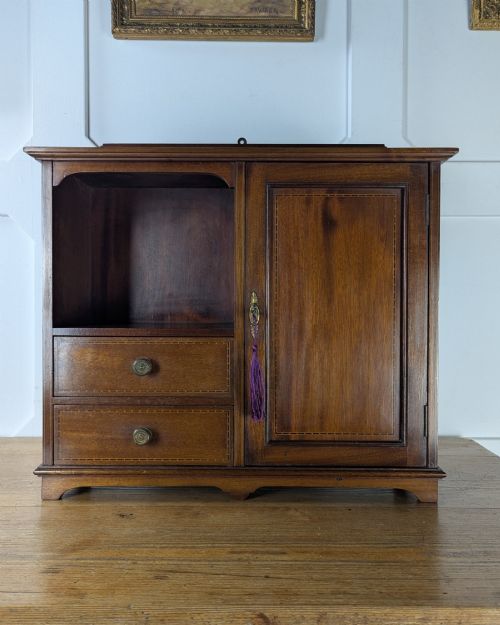
The version you are most likely to meet on this page is the nineteenth century or Edwardian wooden humidor and cabinet, often constructed from oak, walnut, or mahogany. Alongside these sit ceramic jars, earthenware vessels, and metal tins originating from English, French, and Dutch workshops.
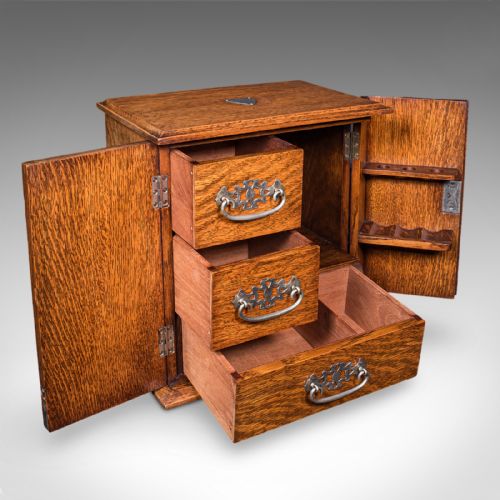
Forms range from small lidded pots and storage tins to larger smoking cabinets featuring multiple drawers and specialised compartments for pipes and cigars. Each piece demonstrates the specific storage requirements of past smokers, whether for everyday use or careful curation.
Materials and construction methods
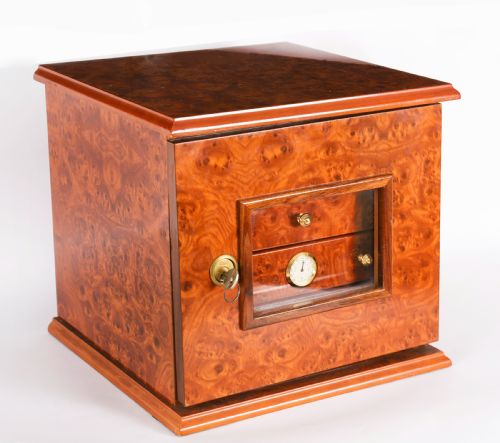
Makers utilised dense hardwoods such as mahogany, walnut, oak, and burr elm to build sturdy storage boxes and cabinets, often incorporating internal linings or drawers to maintain humidity. Wood surfaces display fine grain patterns, dovetail joints, and occasionally inlaid satinwood details.
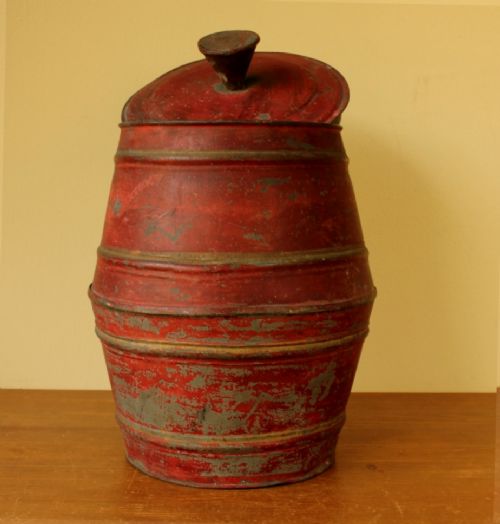
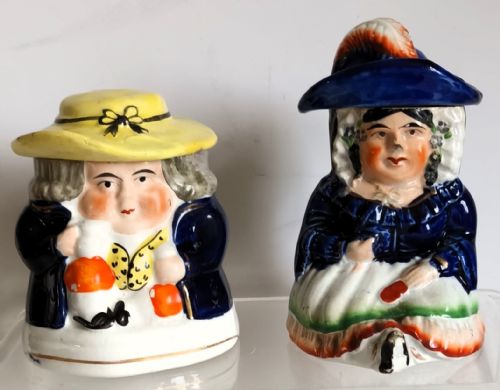
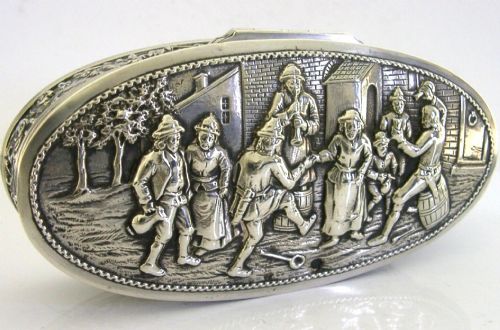
Ceramic and earthenware items, including Delft jars and glazed tobacco vessels, were thrown or moulded and hand-painted, while metal storage relies on solid silver, silver gilt, brass, and tinplate. These varied materials provided the airtight seals and durability necessary for preserving leaf.
Specialised pieces also combine structural timber with brass hardware, glass panels, and precious metals, pointing to skilled cabinetry and silversmithing traditions across different European centres.
A Victorian railway coal wagon humidor proves that nineteenth century smokers appreciated a touch of novelty with their cigars.
Distinctions in quality and execution
The separation between standard utility containers and superior examples lies in the precision of the joinery and the selection of materials. Solid silver mountings, intricate burr veneers, and well-fitted internal drawers elevate a piece far above basic mass-produced storage tins.
Artistic execution also defines the higher end, visible in hand-painted ceramic glazes, thoughtful brass fittings, and sophisticated locking mechanisms on smoking cabinets. Well-preserved finishes and robust structural integrity indicate superior original craftsmanship.
Wright & Davies·Alfred Dunhill·Royal Worcester
The Antique Tobacco Storage Glossary
- Humidor
- A specialised storage box or cabinet designed to maintain a constant internal humidity for cigars. They typically feature tight-fitting lids and internal wooden or metal linings.
- Treen
- Small handmade wooden objects produced before the widespread use of plastics. This term covers turned boxes, lidded pots, and small vessels.
- Caddy
- A small container originally made for holding tea, which later saw adoption for storing various dry goods including tobacco. Examples appear in silver, wood, and ceramic.
- Delft
- Tin-glazed earthenware originating from Dutch and English potteries, notable for its distinct white glaze and blue painted decoration. Many early jars utilise this ceramic finish.
Antique Tobacco Storage: Frequently Asked Questions
What is an antique humidor?
An antique humidor is a lidded box or cabinet designed to preserve cigars by maintaining interior moisture. These vessels date back through the nineteenth and twentieth centuries.
Craftsmen built them from dense timbers like mahogany and walnut, frequently lining the interior to protect the leaf from drying out.
How were tobacco jars used?
Tobacco jars served as domestic containers to keep loose leaf tobacco accessible yet moist on desks or smoking tables. Households kept them in studies, libraries, and smoking rooms.
They appear in ceramic, earthenware, and metal, often with heavy fitted lids to create an airtight seal.
How do I identify an Edwardian smoking cabinet?
Edwardian smoking cabinets typically date from the opening decades of the twentieth century and are constructed from oak or mahogany. They often feature panelled doors and internal racks for pipes.
Many incorporate small drawers for matches and accessories, designed to sit upon tabletops or hang on walls.
What materials were used for tobacco storage?
Makers employed a wide variety of materials depending on the intended function and setting. Woods like oak, walnut, burr elm, and satinwood formed the primary structure for boxes and cabinets.
Ceramics, sterling silver, brass, and glass also appeared frequently, particularly for jars, tins, and presentation boxes.