

Gaudy Welsh Ceramics
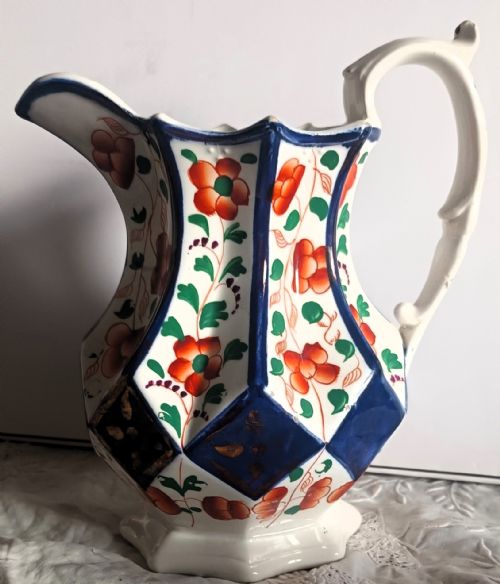
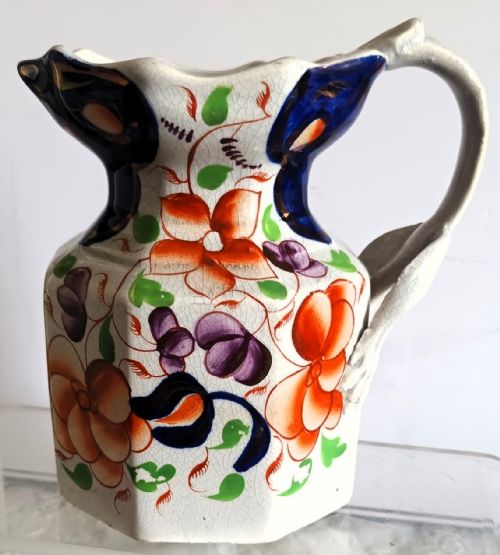
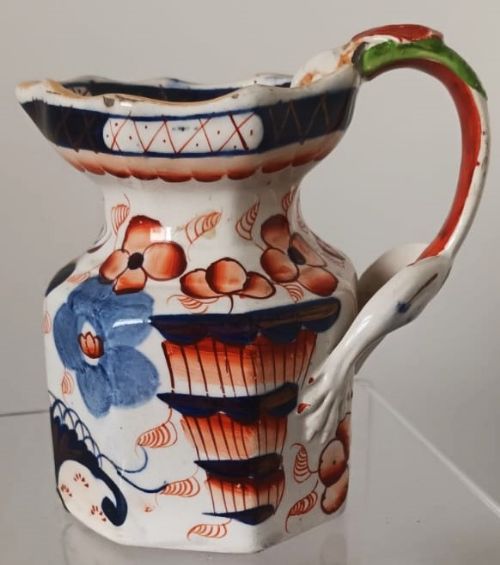
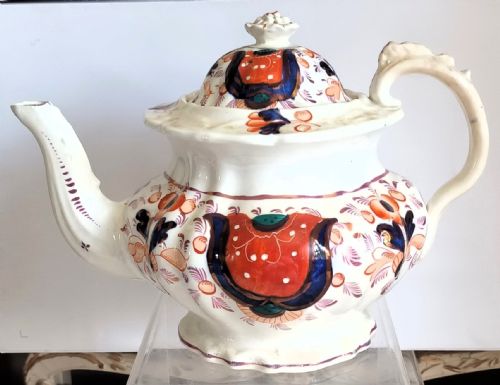
Gaudy Welsh ceramics are vibrant 19th-century earthenware pieces decorated with bright enamels and copper lustre, prized for their bold folk art charm.
Gaudy Welsh Ceramics
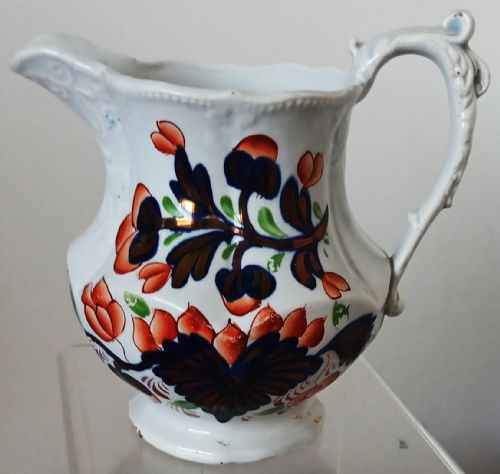
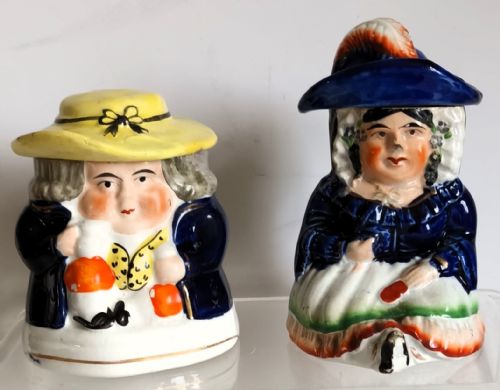
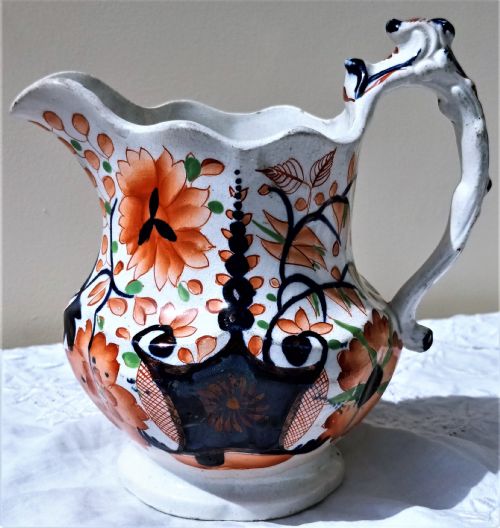
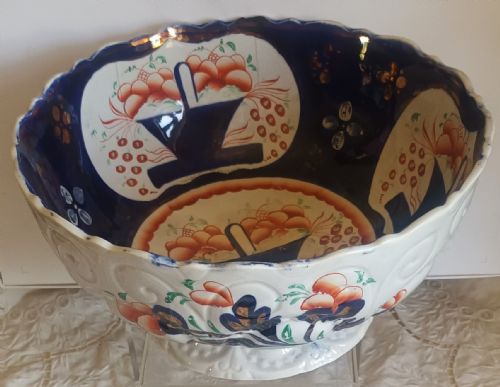
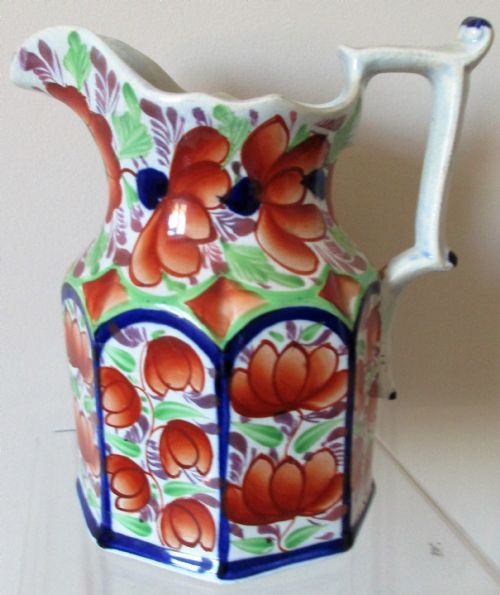
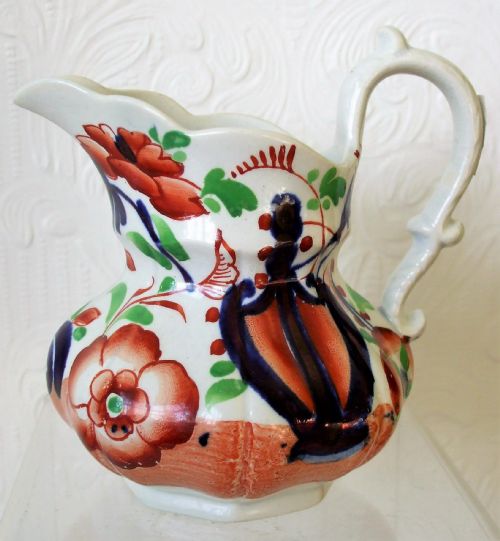
You are most likely to meet Victorian pottery jugs bearing names like Gwent, Conwy, and Celyn. These items often feature characteristic motifs such as baskets of flowers, grapes, and figures depicting a lady and gentleman, sitting comfortably within Victorian folk art traditions.
Materials and Method
The makers utilised durable earthenware and ironstone bodies as the foundational canvas for these utilitarian forms. Potters then applied white glazes to seal the porous clay before painting.
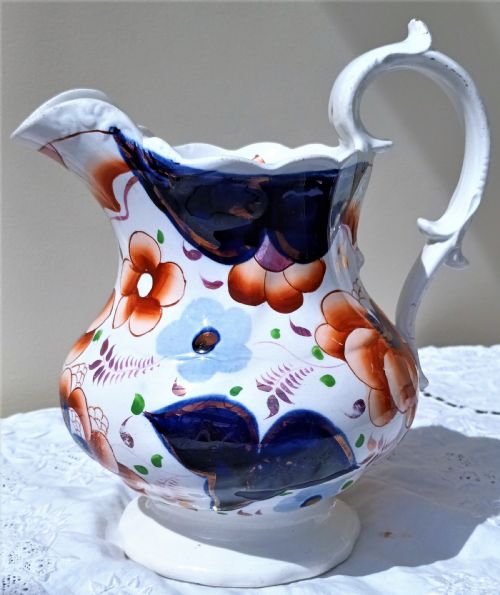
Vivid enamel colours and rich copper lustre were hand-painted over the glaze, creating the striking metallic sheen and vibrant palette characteristic of the style. Cobalt glaze was also employed to introduce deep blue tones beneath or alongside the enamel work.
The listings show nineteenth-century pieces spanning both Georgian and Victorian periods, predominantly featuring earthenware, ironstone, and copper lustre.
Assessing Quality
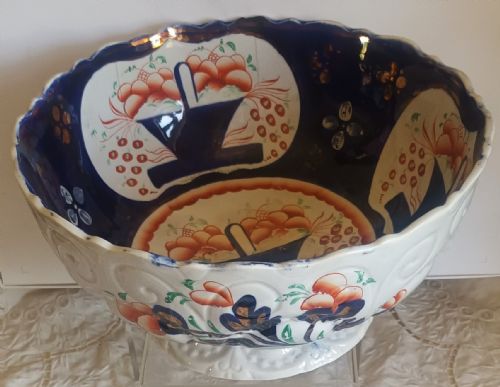
The distinction at the top of the range lies in the precision and complexity of the enamel and copper lustre application. Finer examples display crisp hand-painted motifs, such as the intricate architectural details of the pagoda pattern or the careful delineation of floral baskets.
The choice of body material also influences the piece, with substantial ironstone examples offering greater durability compared to softer earthenwares. Furthermore, the depth and retention of the metallic copper lustre separate exceptional decorative items from more standard domestic wares.
Keeling & Co.
The Gaudy Welsh Ceramics Glossary
- Copper Lustre
- A metallic glaze finish that imparts a warm, reflective copper sheen to ceramics. It is a defining decorative element found across many nineteenth-century Welsh patterns.
- Earthenware
- A porous pottery body fired at lower temperatures, commonly used for domestic vessels. It requires a protective glaze to hold liquids effectively.
- Ironstone
- A heavy, durable type of semi-vitreous pottery developed in the nineteenth century. It provides a robust alternative to standard earthenware.
- Cobalt Glaze
- A deep blue mineral pigment applied to ceramics to create strong contrasting tones. This pigment withstands high firing temperatures without losing its intense hue.
Gaudy Welsh Ceramics: Frequently Asked Questions
What are gaudy welsh ceramics?
Gaudy welsh ceramics are nineteenth-century earthenware and ironstone vessels decorated with bright hand-painted enamels and copper lustre highlights. They were produced primarily during the Georgian and Victorian eras.
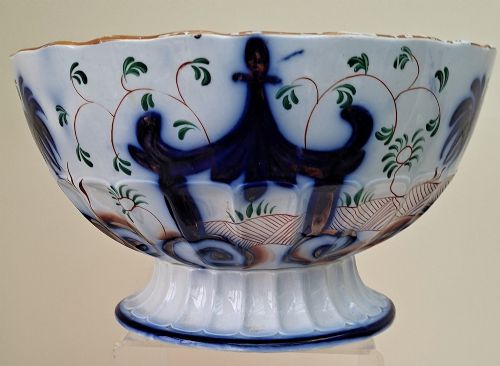
These domestic pieces range from everyday jugs and mugs to decorative footed bowls, basins, and teapots, often featuring named patterns like Pagoda or Bethesda.
How were these items used?
These ceramic pieces served practical functions in nineteenth-century households, functioning as water jugs, tea service teapots, and basin sets for washing. Tobacco jars were also utilised for storing smoking materials.
Beyond strict utility, many items such as footed bowls and decorated jugs functioned as colourful display pieces in domestic interiors, reflecting popular folk art aesthetics of the period.
How do I live with these pieces?
Living with nineteenth-century ceramics involves displaying them in stable locations away from direct sunlight to protect the hand-painted enamel colours. Placing jugs and bowls on sturdy shelves or sideboards highlights their bold patterns.
Gentle hand washing in lukewarm water without harsh detergents helps preserve the delicate copper lustre and glazed surfaces over time.
How can I tell periods apart?
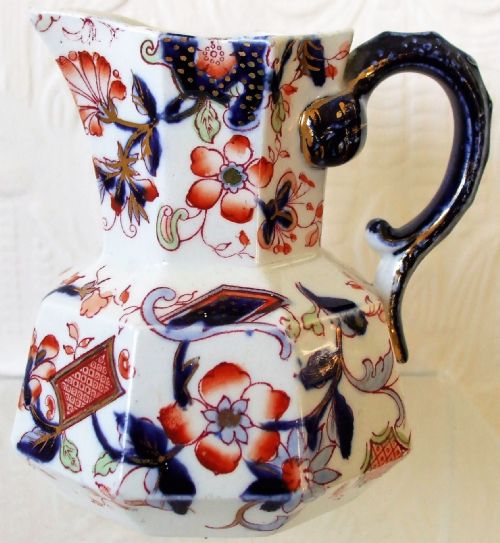
Distinguishing between Georgian and Victorian pieces relies on examining the specific ceramic body, such as heavier ironstone versus traditional earthenware, alongside stylistic cues. Georgian examples often feature specific early patterns like the coloured hexagon design.
Victorian pieces frequently display robust folk art motifs including baskets of flowers, ladies and gentlemen figures, and named regional patterns like Gwent or Harlech.