
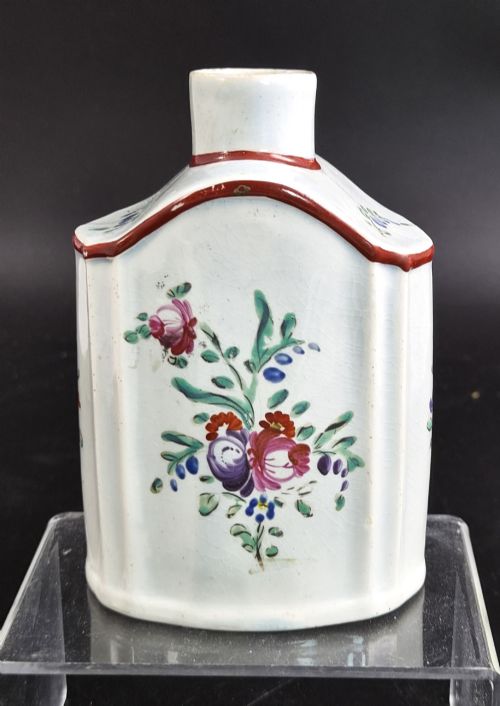
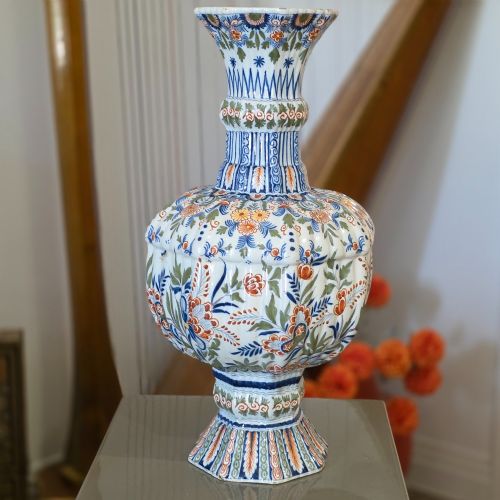
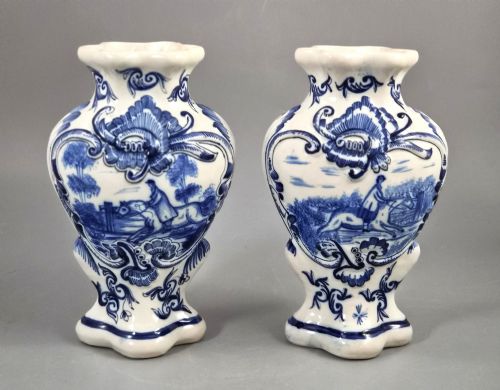
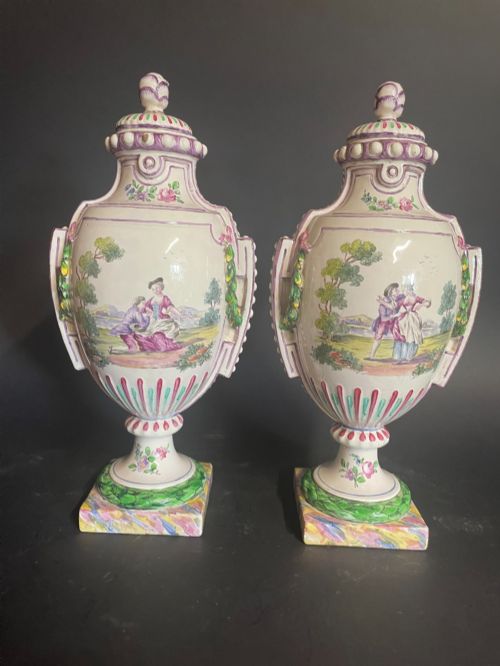





Hand Painted Earthenware Jar
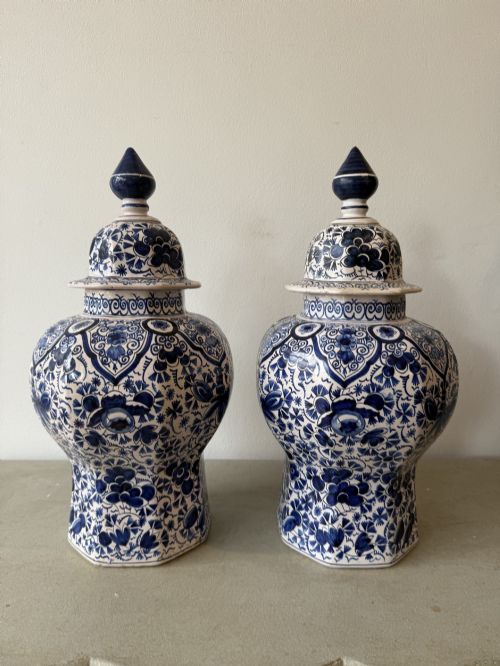
A hand painted earthenware jar brings centuries of tin-glazed pigment, majolica and delftware into an interior.
Hand Painted Earthenware Jar
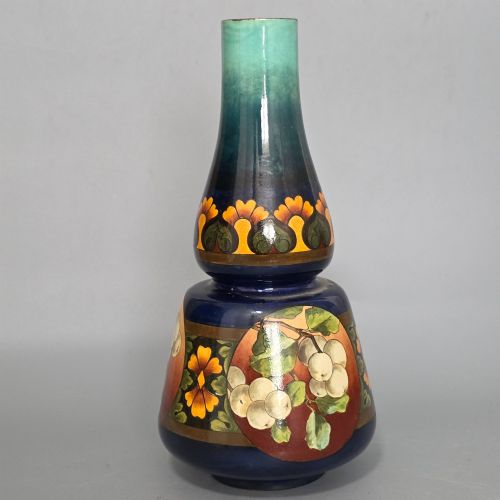
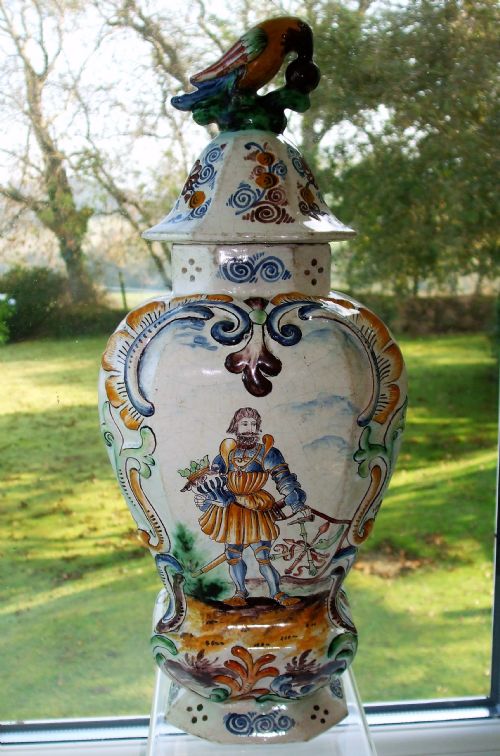
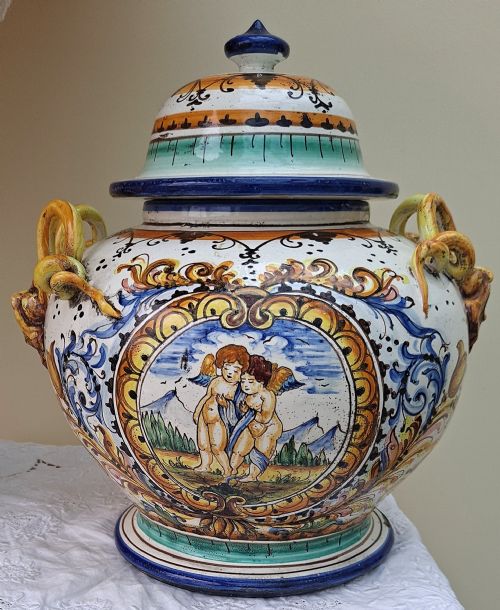
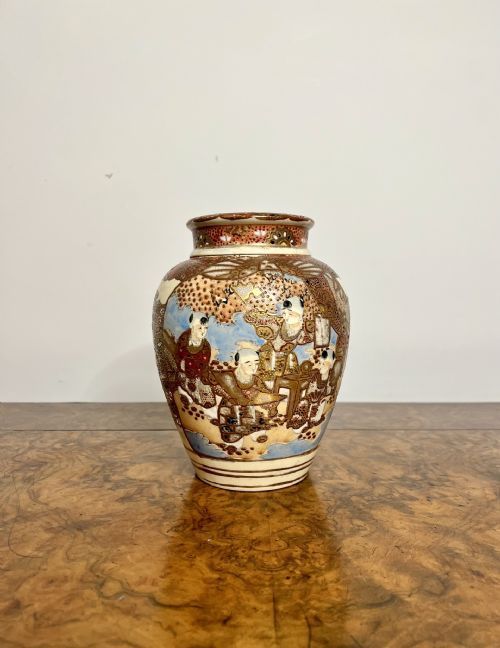
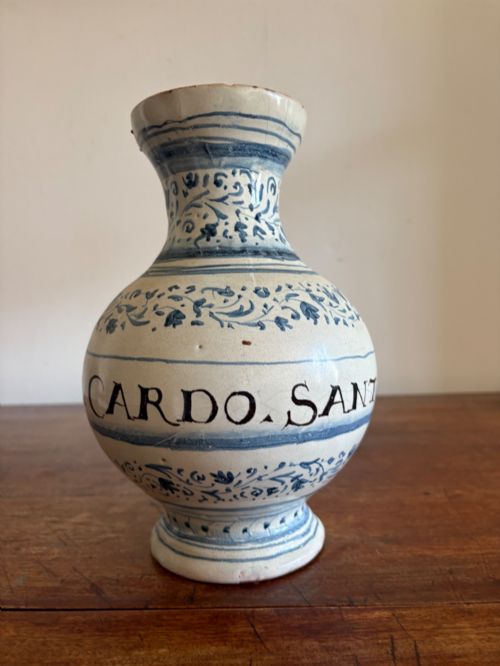
A hand painted earthenware jar encompasses storage vessels, lidded baluster forms and pharmacy jars originating from Dutch, Italian, French and English kilns. Collectors encounter pieces spanning from the seventeenth century through the Art Deco period, rendered in both blue and white and vibrant polychrome palettes.
The selection here leans heavily towards apothecary jars, albarellos, ginger jars and lidded vases. These utilitarian forms transformed into decorative display items through centuries of painterly ornamentation.
Materials and Method
Potters shaped porous terracotta and earthenware bodies before applying tin glaze or opaque enamel surfaces to receive hand-painted pigments. Artisans used cobalt blues, metallic oxides and occasionally gold leaf to build floral, bird and figural motifs.
The pieces were fired to fuse the painted decoration into the glassy tin glaze. This traditional technique yielded durable surfaces with characteristic surface undulations and soft glaze pooling.
Listings feature earthenware vessels spanning the seventeenth century to the Art Deco period, including works from Dutch, French, Italian, English and Japanese makers.
Markers of Excellence
The skill of the brushwork dictates the standing of an individual vessel, separating swift commercial production from confident, detailed studio painting. Crisp linework in floral panels, chinoiserie scenes and armorial details demonstrates superior artisan control.
The stability of the glaze and the preservation of the painted surface over centuries influence desirability. Intact lids on baluster jars and apothecary vessels add considerable substance to a piece.
Fourmaintraux-Courquin·Kizan·Alice Euphemia Thatcher·Gallilleo Chini·Shuzan·R. Allen·Charlotte Rhead
The Hand Painted Earthenware Jar Glossary
- Albarello
- A cylindrical pharmacy jar designed for dry drugs and spices. These tall vessels often feature an hourglass waist for grip.
- Tin Glaze
- An opaque white glaze containing tin oxide that provides a smooth canvas for painted decoration. It defines delftware, majolica and faience.
- Baluster
- A vase form with a rounded body that tapers toward the neck and base. This silhouette appears frequently in lidded Dutch and English jars.
- Polychrome
- Decoration employing multiple colours rather than a single hue like blue and white. These palettes often use iron red, green, yellow and manganese purple.
- Chinoiserie
- European interpretations of Chinese artistic motifs. Painters applied these imaginative East Asian landscape and figure designs onto domestic earthenware.
Hand Painted Earthenware Jar: Frequently Asked Questions
What were apothecary jars used for?
Apothecary jars held dried herbs, medicinal syrups and pharmaceutical compounds in chemists' shops and dispensaries. Their tight-fitting lids protected contents from moisture and air.
Over time, these utilitarian storage vessels migrated into domestic parlours as decorative ornaments due to their striking painted labels and heraldic designs.
How do I clean an antique earthenware jar?
Dust these vessels gently with a soft, dry brush to prevent dirt accumulation on porous biscuit edges or crazed glaze. Avoid submerging older earthenware in water, as moisture can penetrate through hairline cracks in the glaze.
Professional conservation advice should be sought for pieces with significant historical surface wear or previous repairs.
How do I tell Dutch Delft from Italian Majolica?
Dutch Delft typically employs tin glazes over earthenware with palettes dominated by cobalt blue or bright polychrome enamel, frequently drawing inspiration from Chinese porcelain. Italian majolica tends to feature heavier terracotta bodies with opaque tin glazes and Renaissance-inspired pictorial narratives or garofano floral patterns.
Examining the foot rim and glaze characteristics helps reveal the regional kiln traditions behind each piece.
Where should I display a lidded jar?
Position lidded jars on sturdy sideboards, mantels or enclosed bookshelves where they remain secure from accidental knocks. Ensure the display location avoids direct, harsh sunlight to protect polychrome enamel pigments from fading over time.
Pairing matching pairs on opposing ends of a shelf creates a balanced interior arrangement.