
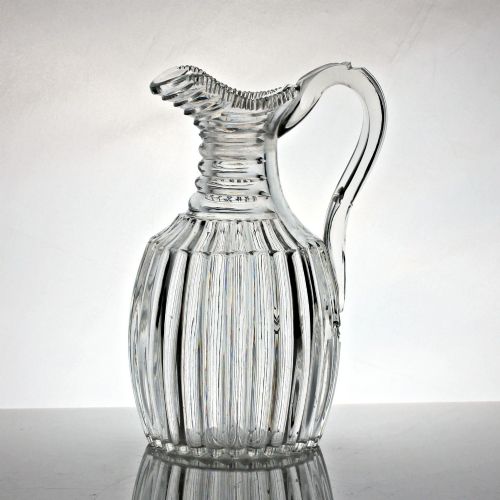
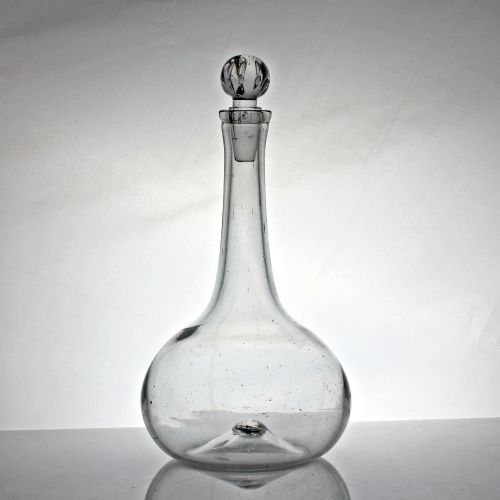
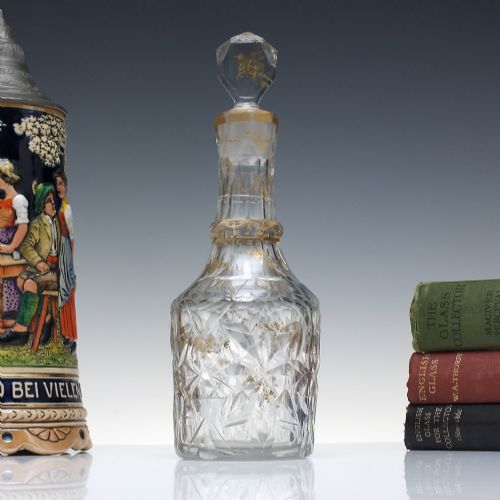
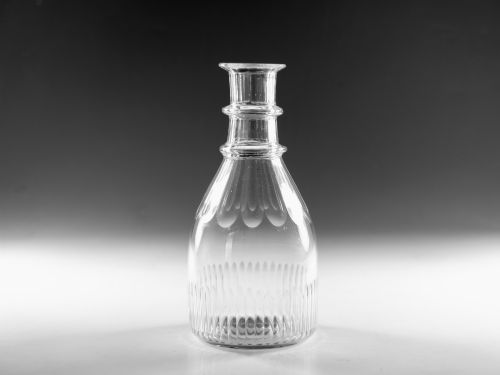
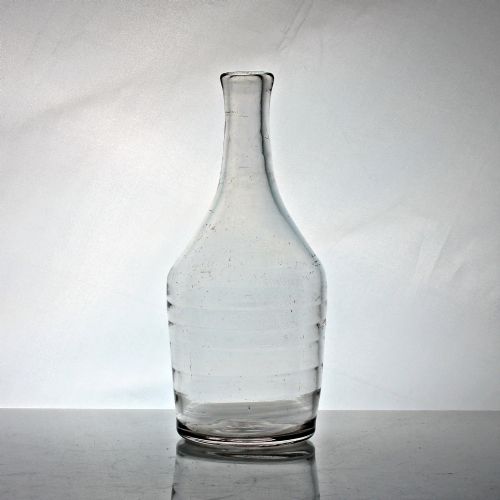
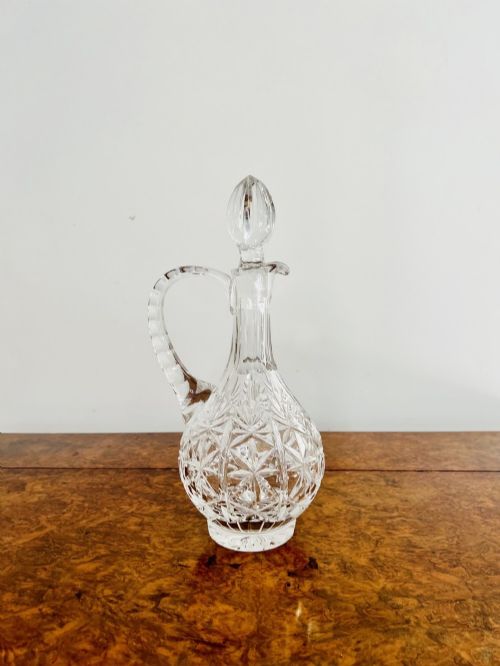
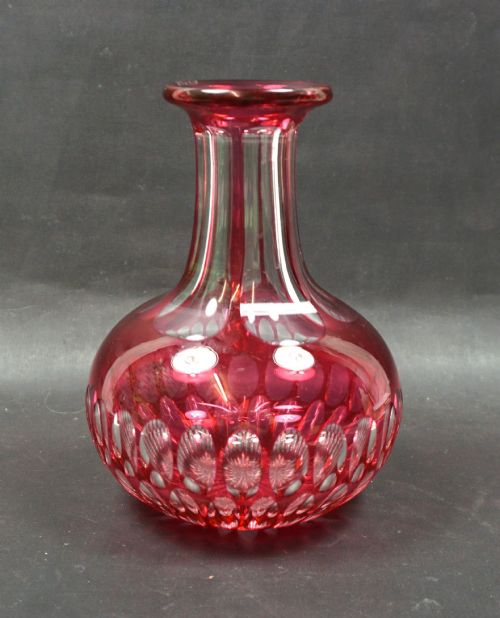
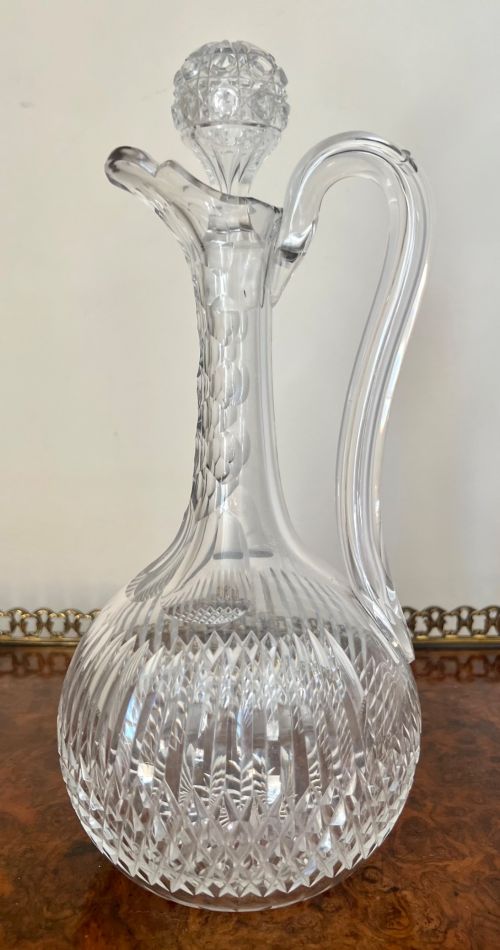
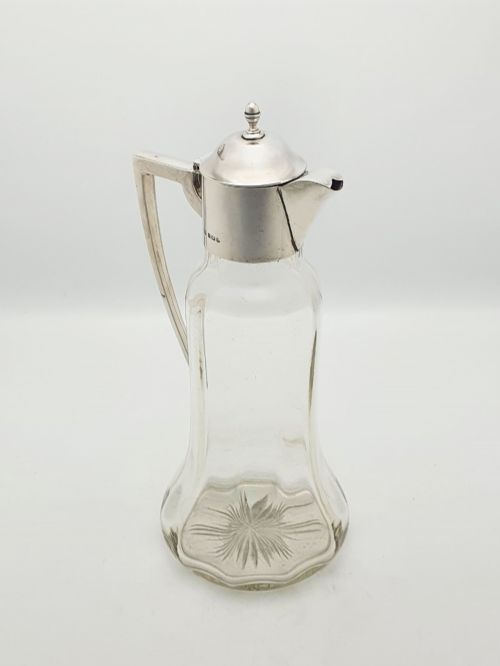
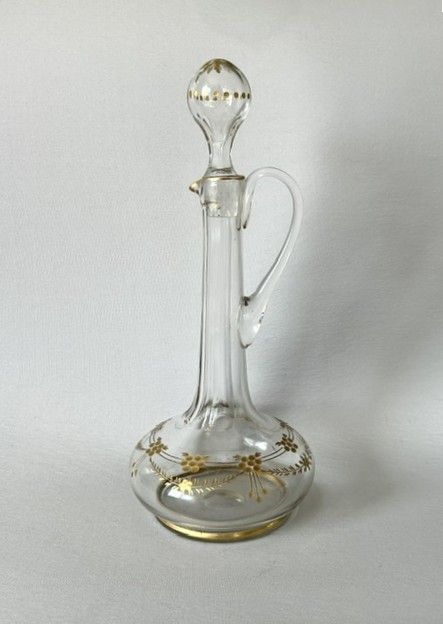

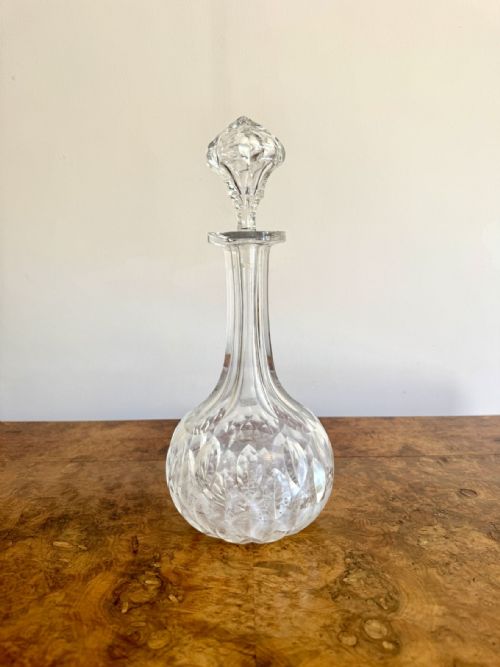
Clear Glass Wine Carafe
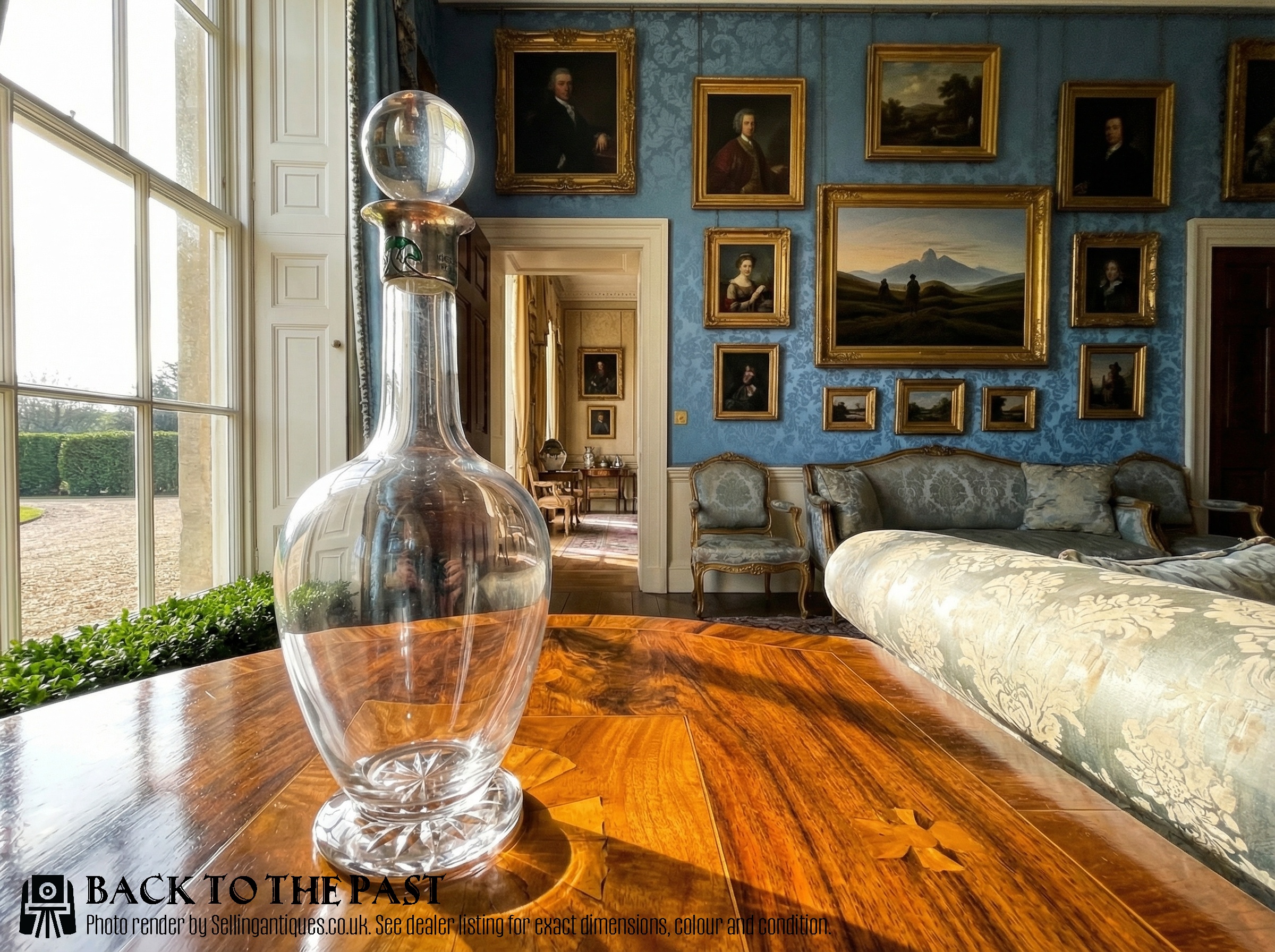
These clear glass wine carafe pieces are striking serving vessels that bring genuine period character to the table.
What they are
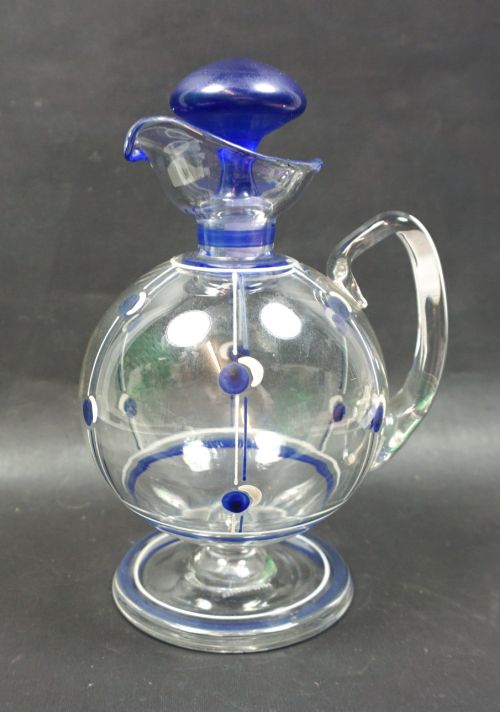
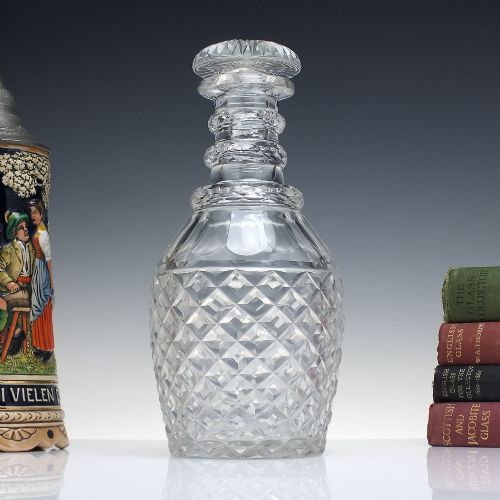
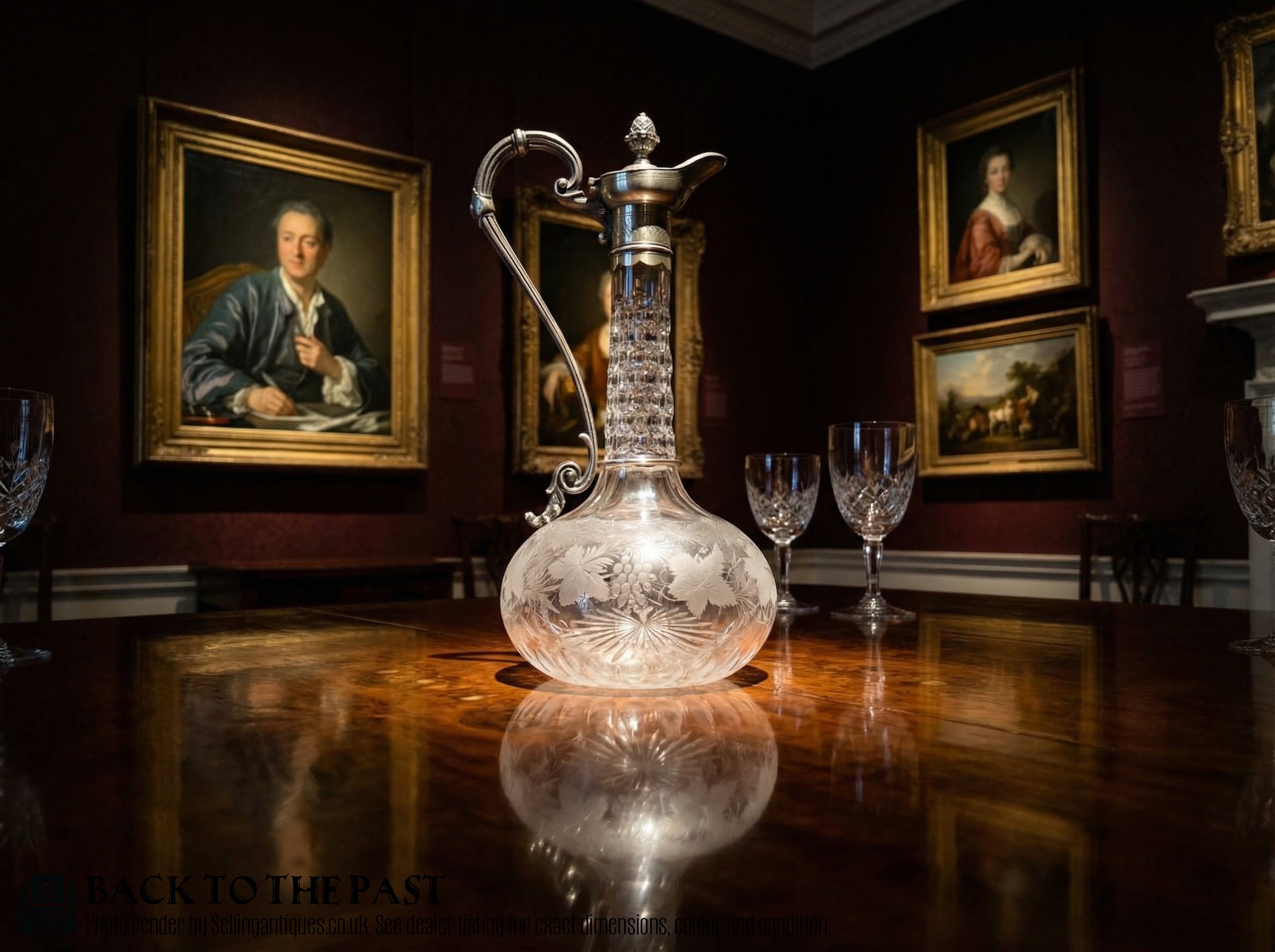
A clear glass wine carafe encompasses functional serving vessels and decanters designed to hold and pour wine cleanly. The selection on this page ranges across the Georgian, Victorian, Edwardian and 1920 periods.
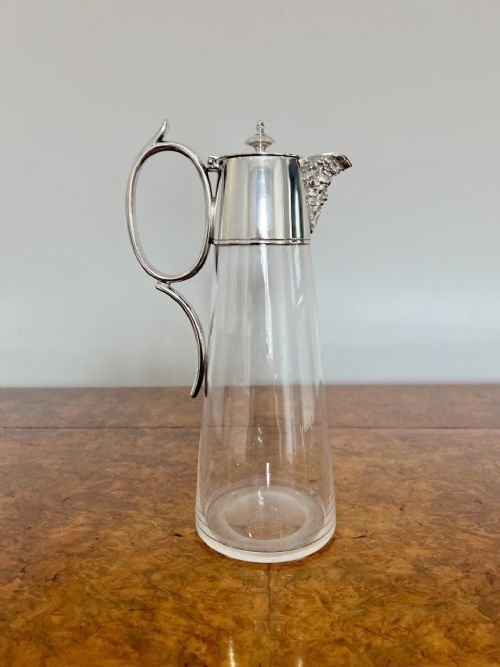
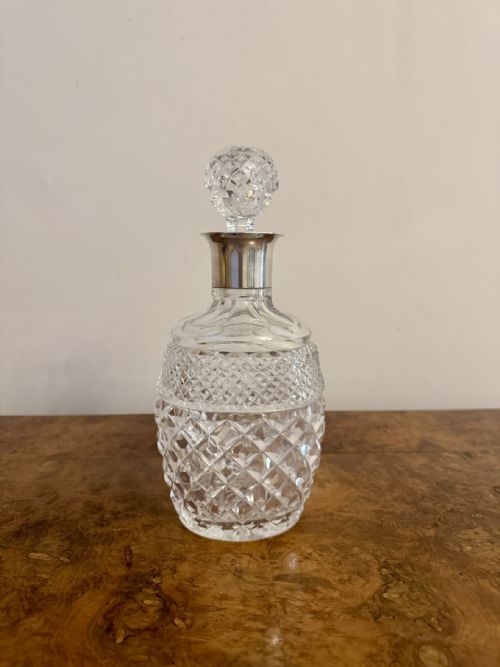
Forms in this grouping span decanters, claret jugs and serving bottles. Buyers frequently encounter pieces incorporating decorative mounts alongside the primary glass body.
How they were made
Master craftsmen utilised clear glass, lead glass and frosted glass, shaping bodies through traditional blowing and moulding techniques. Surface decoration often includes delicate etching and enamel work.
Mounts and hardware frequently employ sterling silver and silver plate, fastened securely to the glass vessels to form handles, collars and hinged lids.
Retail Price Guide 2026
Typical UK retail prices for clear glass wine carafe, calculated from the Sellingantiques database of over a million retail prices indexed since 2003. This retail price guide relies exclusively on Sellingantiques data; no external sources or auction records are used, so the figures do not describe the wider market.
Some Edwardian designers refused to let a simple wine jug exist without a proper Celtic knot handle.
What varies in quality
Quality separates through the purity and weight of the glass, alongside the crispness of any engraved or etched ornamentation. Heavier lead glass and deeply cut patterns distinguish finer examples from standard production.
The integration of metal elements also dictates overall standard, where substantial silver plate or hallmarked sterling silver mounts demonstrate superior craftsmanship compared to simpler fittings.
Rene Lalique·Archibald Knox for Liberty
The Clear Glass Wine Carafe Glossary
- Claret jug
- A specialised pouring vessel specifically intended for red wine, usually fitted with a handle, spout and hinged lid. These often feature elaborate metal mounts complementing the glass body.
- Lead glass
- A heavy, brilliant variety of glass containing metallic oxide that increases refractive index and weight. This material allows for deeper, sharper cutting and etching.
- Silver plate
- A layer of silver fused to a base metal foundation, frequently utilised for the handles and collars of serving vessels. It provided the luxurious appearance of solid silver at lower cost.
- Enamel
- A durable, decorative glassy substance fused to the surface of glass through firing for added colour and pattern. It creates a smooth, contrasting finish against transparent walls.
Frequently Asked Questions
What is a clear glass wine carafe used for?
These vessels serve wine at the table while allowing sediment to settle and the liquid to breathe before pouring. They combine practical function with decorative appeal.
Historically, hosts transferred wine from storage casks or bottles into these containers for formal dining and evening entertaining.
How do I clean an antique decanter safely?
Gentle washing with warm water and specialised cleaning beads prevents damage to aged glass surfaces and delicate internal residue. Avoid sudden temperature changes to protect the material.
Silver mounts require separate care using appropriate non-abrasive polishes to maintain the metalwork without marking the adjacent glass.
How do I date a glass serving bottle?
Dating relies on observing the pontil mark at the base, the thickness of the glass and the stylistic details of any associated metal mounts. Georgian and Victorian pieces exhibit distinct manufacturing traits.
Design movements such as Arts and Crafts or Art Deco also provide clear stylistic indicators for pieces from the early twentieth century.
Can I use these antique vessels daily?
Many collectors enjoy using these pieces for everyday dining, provided they receive careful handling during washing and pouring. Sturdy lead glass and robust mounts withstand regular use.
Fragile enamel work or delicate etchings suggest more sparing use to preserve the decorative surface over time.