
Antique Spirit Decanter Bottle
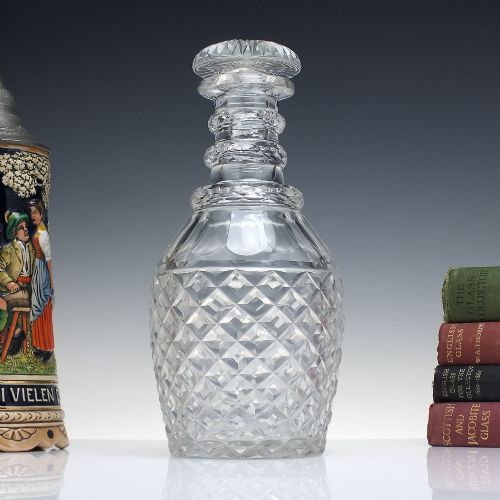
When you handle an antique spirit decanter bottle, you hold heavy cut glass and precious metal mounts designed to hold liquor safely on the dining table.
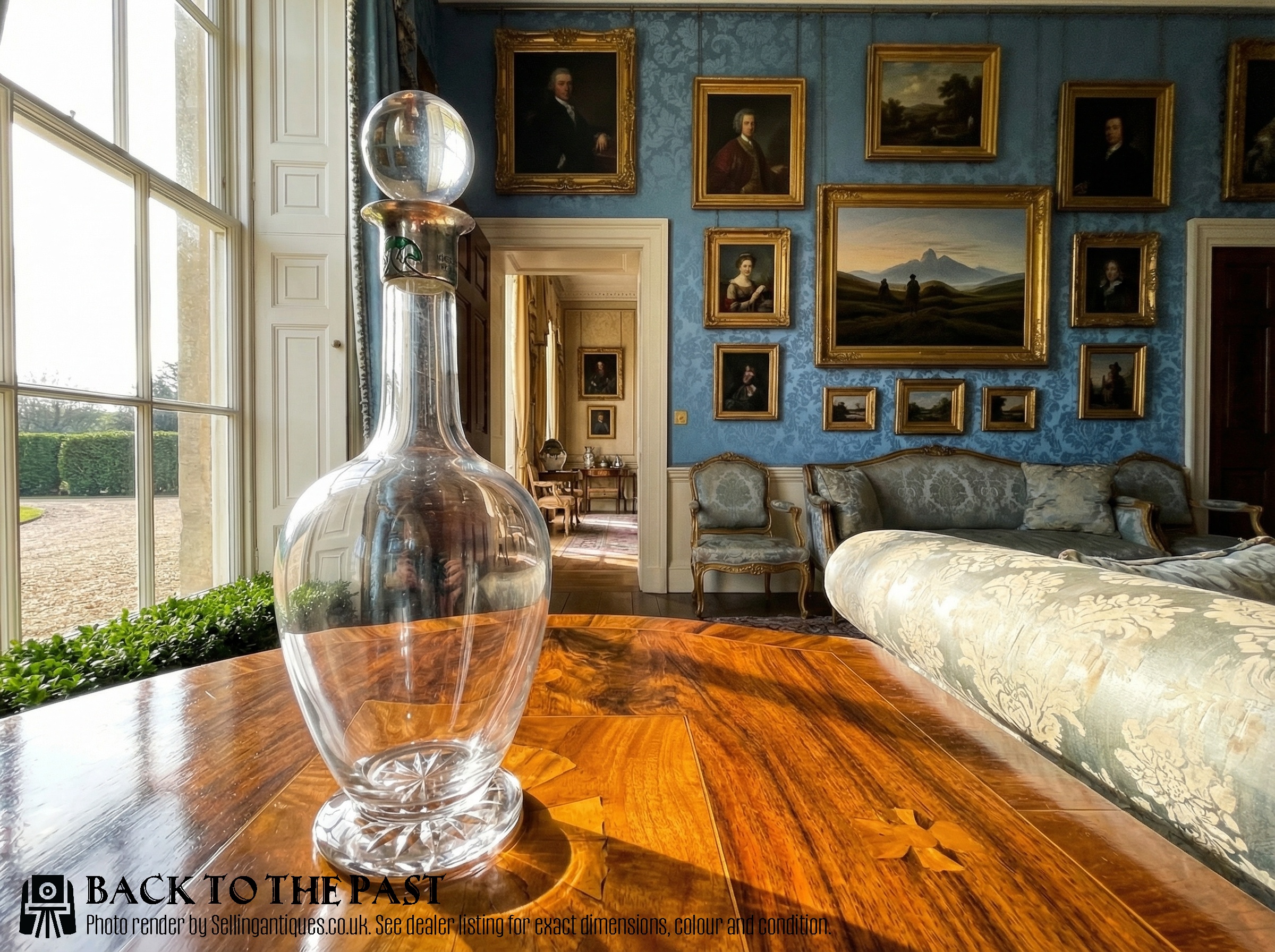
Antique Spirit Decanter Bottle
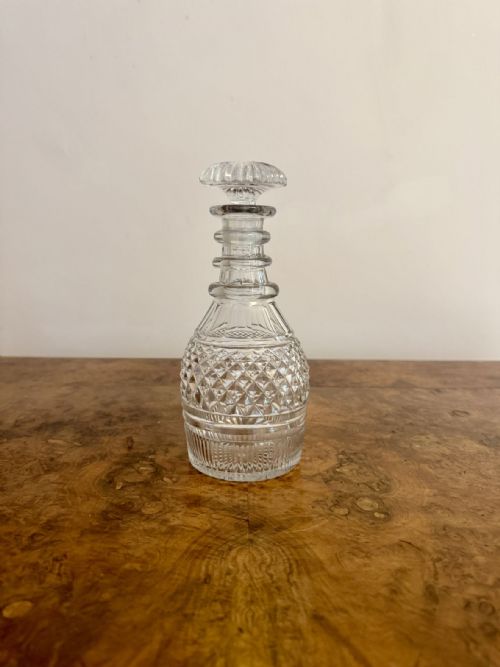
An antique spirit decanter bottle serves to hold and pour liquor, taking forms that range from Georgian shaft and globe carafes to Victorian ringed vessels and Edwardian cut glass containers. Buyers searching this phrase look for functional glassware and barware intended for spirits like whisky, rum, and Madeira.
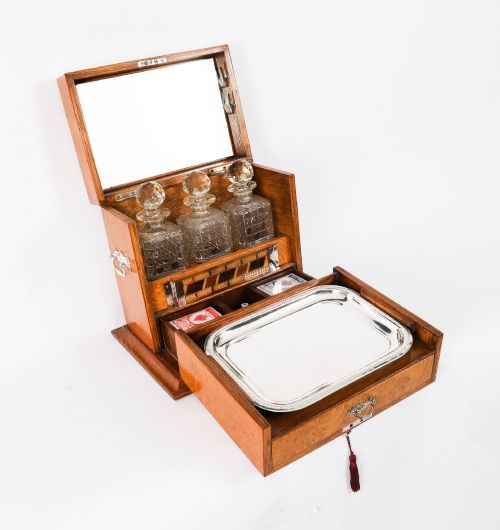
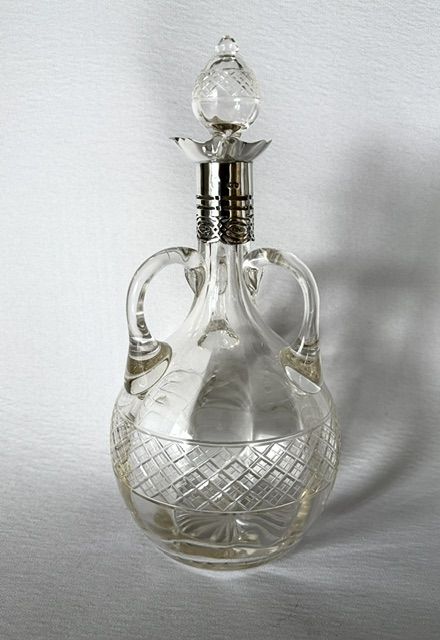
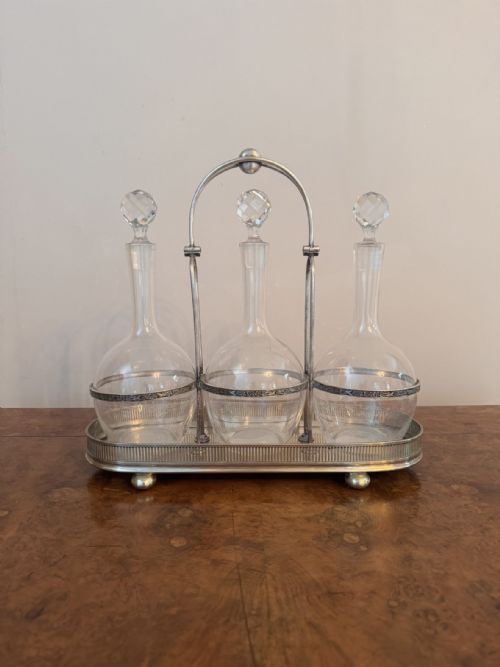
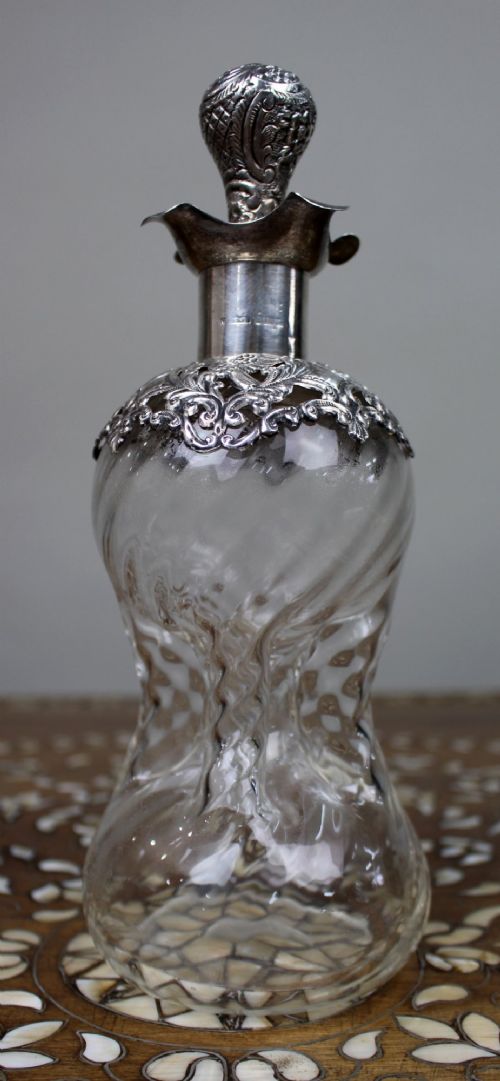
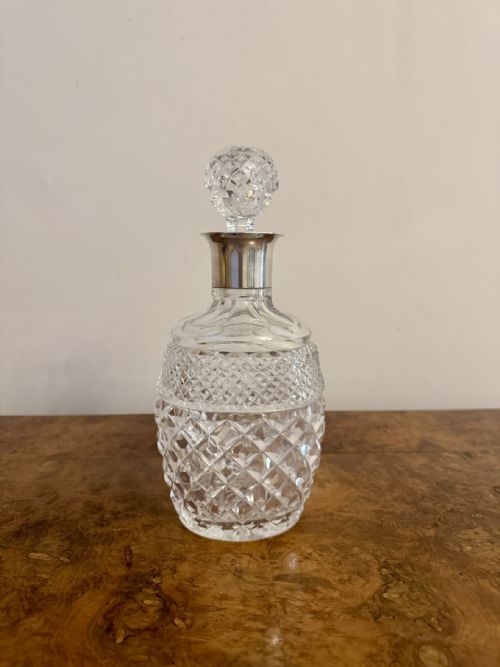
The most common examples encountered on this page date from the Georgian, Victorian, and Edwardian periods, frequently combining blown glass bodies with sterling silver collars, stoppers, or matching labels. Makers also produced tantalus sets housing multiple crystal bottles within secure wood frames.
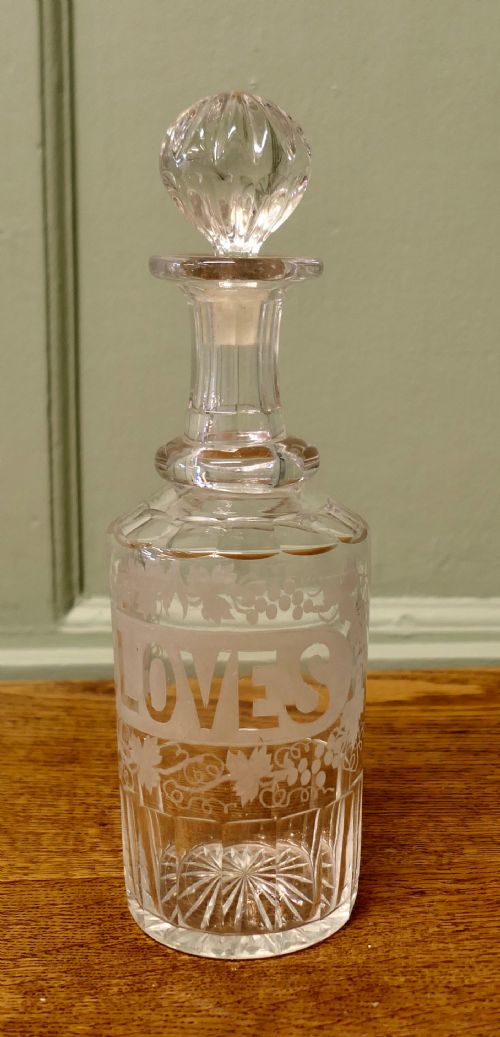
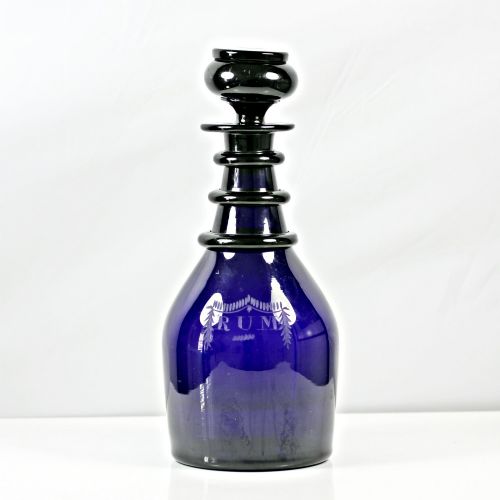
Certain pieces include specific enamelled lettering or hand-painted decoration designating contents such as pigeon blend or specific wines, reflecting the formal domestic service of spirits during the nineteenth and early twentieth centuries.
Materials and Techniques
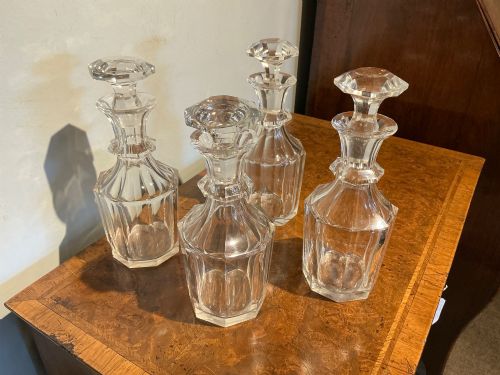
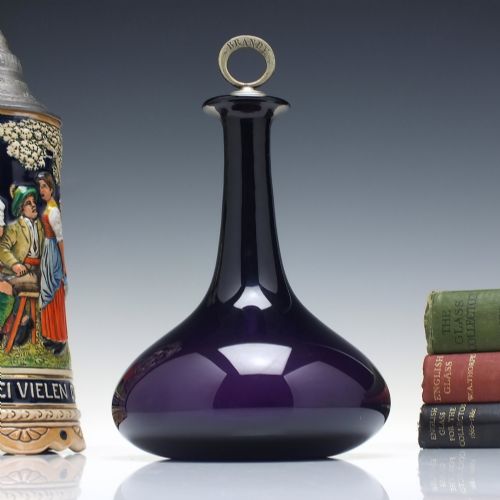
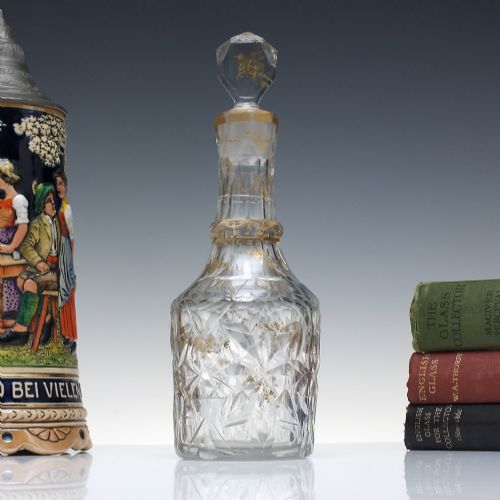
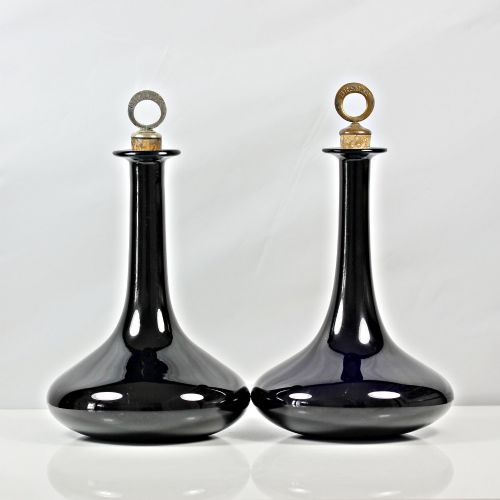
Glassmakers utilised lead crystal and coloured glass, including Bristol blue, ruby, amethyst, and cobalt shades, shaping the vessels through blowing and cutting techniques. Heavy cutting produced faceted surfaces that catch the light, while applied rings on necks provided secure handling.
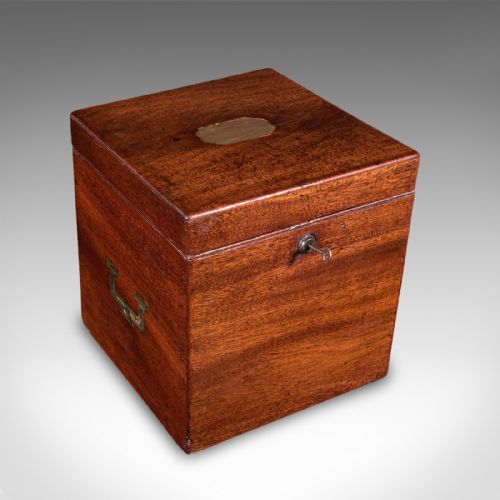
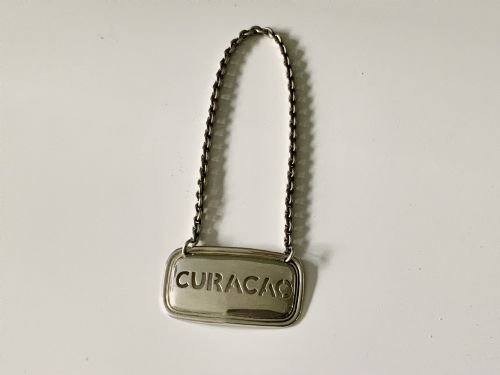
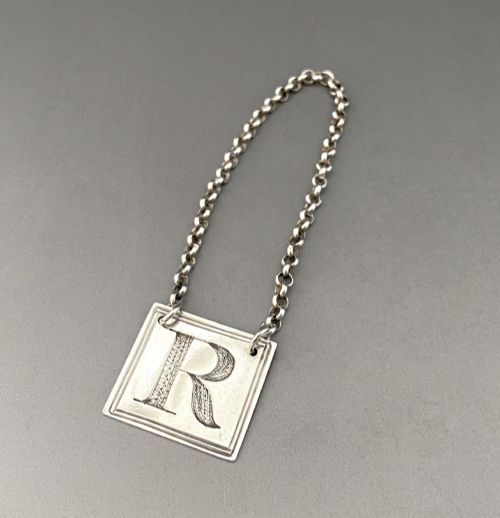
Silversmiths completed the bottles with cast and hallmarked collars, silver-plated stands, and hanging labels inscribed for specific spirits. Wooden frames incorporating coromandel, satinwood, oak, and leather cases added secure housing for sets of three or four bottles.
Listings feature glass, lead crystal, sterling silver, and gold leaf across Georgian, Victorian, and Edwardian periods.
Standards of Execution
Quality rests upon the clarity and weight of the crystal alongside the crispness of wheel-cut facets and engraved details. Superior pieces display harmonious proportions, matching original stoppers, and well-cast silver mounts bearing legible hallmarks.
The sophistication of associated cabinetwork distinguishes standard barware from luxury items like fitted tantalus sets with intricate inlay and working locks.
James Giles·Digby Scott Benjamin Smith·Royal Doulton·Betjemann
The Antique Spirit Decanter Bottle Glossary
- Decanter
- A vessel used for holding and serving alcoholic liquids. These containers typically feature a fitted stopper to preserve the contents.
- Tantalus
- A locked cabinet holding glass decanters visibly inside while preventing access without a key. The mechanism secures the stoppers beneath a metal bar.
- Mell
- A bulbous decanter shape with a rounded body tapering towards the base. This form appeared frequently in Georgian and nineteenth-century glass production.
- Lead crystal
- Glass containing metallic oxide that increases weight, brilliance, and refractive index. This material allowed deeper and sharper cutting by glass artisans.
Antique Spirit Decanter Bottle: Frequently Asked Questions
What are antique spirit decanter bottles made of?
These vessels combine blown and cut glass or lead crystal with sterling silver collars, mounts, and hanging labels. Some examples sit within wooden tantalus frames made from oak, satinwood, or coromandel.
Craftsmen occasionally utilised glazed earthenware, such as Royal Doulton Kingsware, for specific spirit flasks alongside leather-covered cases housing silver-topped glass flasks.
How do I identify a Georgian decanter?
Georgian examples typically exhibit distinct silhouettes including shaft and globe forms, sugarloaf profiles, or half-sized vessels with hand-gilded decoration. They often feature deep hand-cut flutes and distinct pontil marks on the base.
Many of these eighteenth-century bottles accompany engraved or silver-mounted labels naming specific contents like Madeira or port.
What is a decanter tantalus?
A tantalus is a secure stand holding two or three crystal decanters locked beneath a metal bar that prevents the stoppers from being removed. This allowed hosts to display fine spirits while restricting unauthorized access.
Victorian and Edwardian versions often integrated games boxes, cigar compartments, and silver-plated handles into the wooden frames.
How were different spirits labelled?
Decanter labels made from sterling silver hung from chains around the necks of the bottles to identify the contents. Inscriptions commonly noted spirits such as whisky, rum, and Madeira.
Some bottles featured direct enamelling, gilding, or hand-painted titles fired onto the glass body itself, as seen on Scottish whisky flagons.