
Clear Glass Dishes
Clear glass dishes bring practical utility and sparkling light to a tabletop, spanning simple Georgian servers and elaborate Edwardian centrepieces.
Clear Glass Dishes
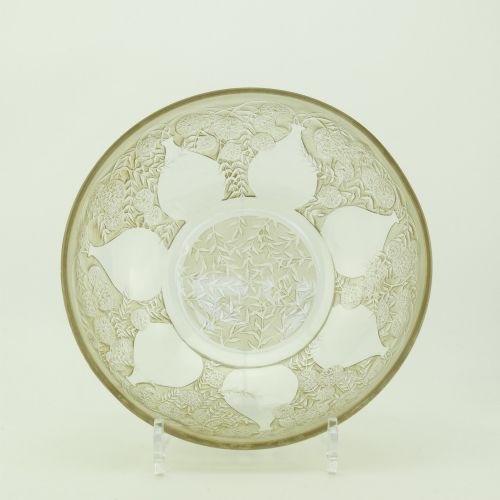
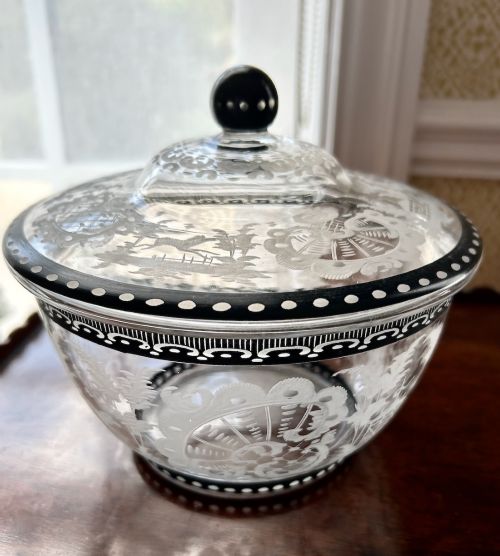
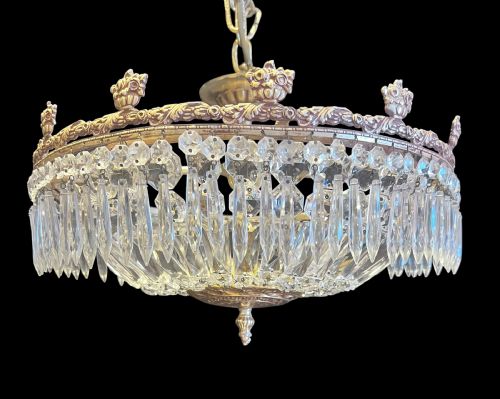
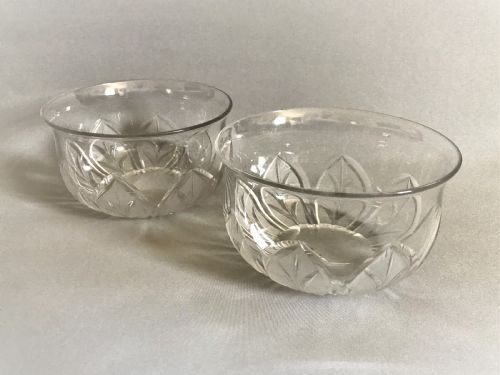
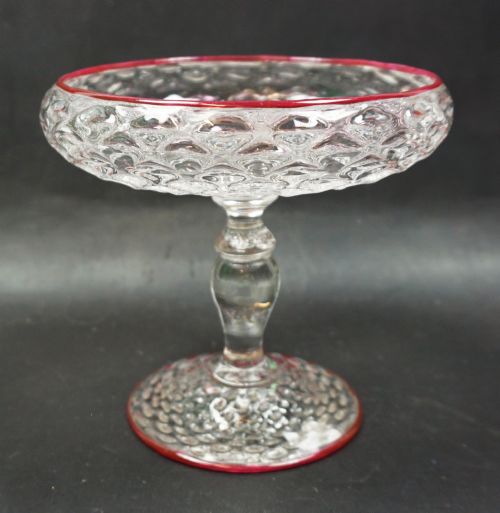
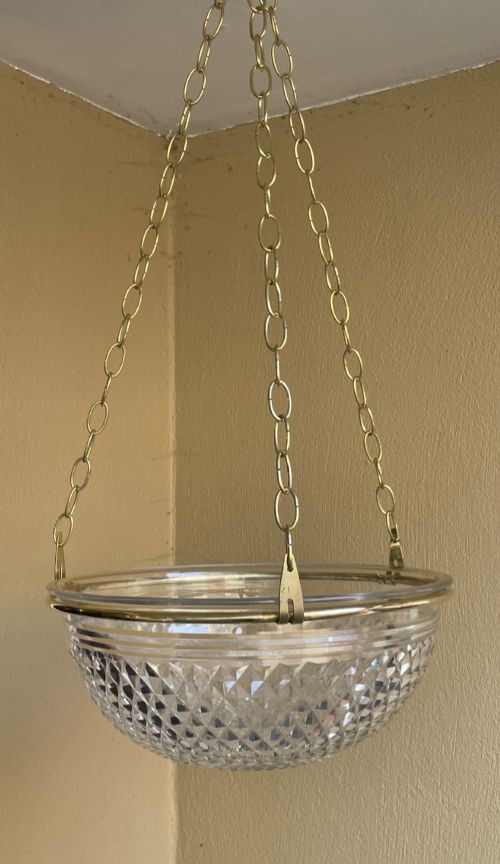
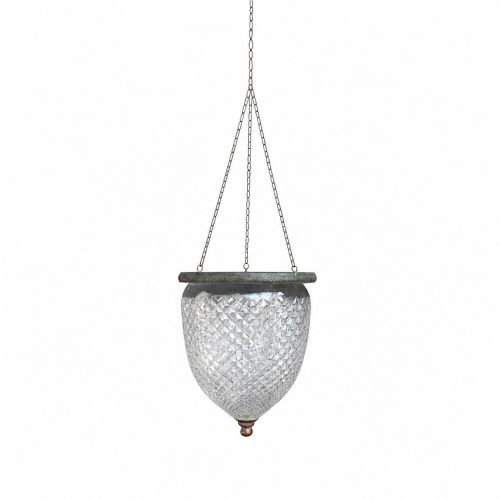
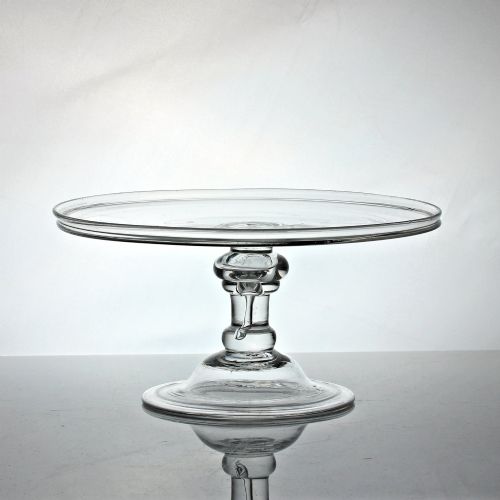
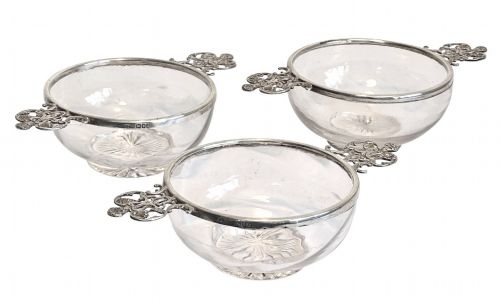
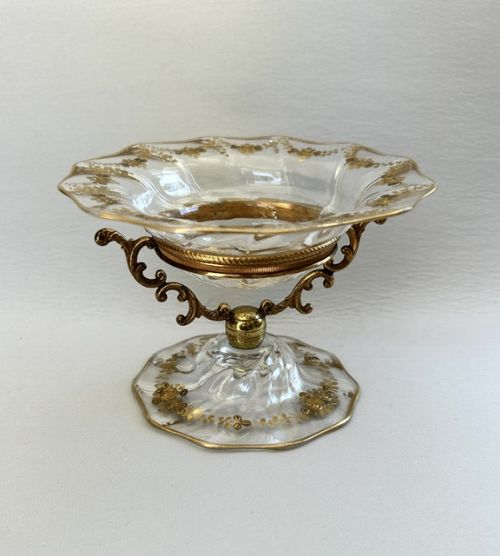
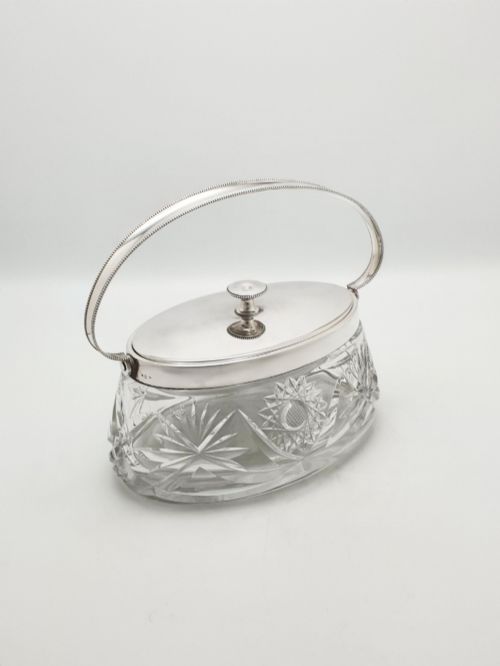
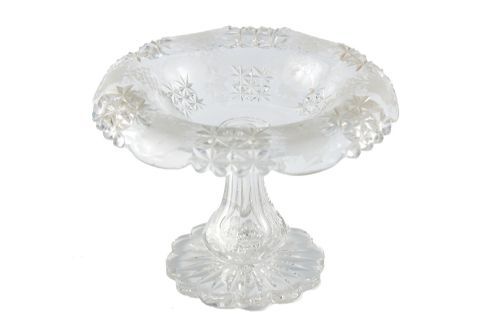
Clear glass dishes include everything from Georgian baluster tazze and finger bowls to Edwardian trinket boxes and Art Deco coupe vases designed for display or dining. The pieces seen here range widely in form, functioning as decorative bowls, serving dishes, lidded butter boxes, and ceiling light plafonniers. Buyers encounter examples originating from English, French, and Bohemian workshops across multiple centuries.
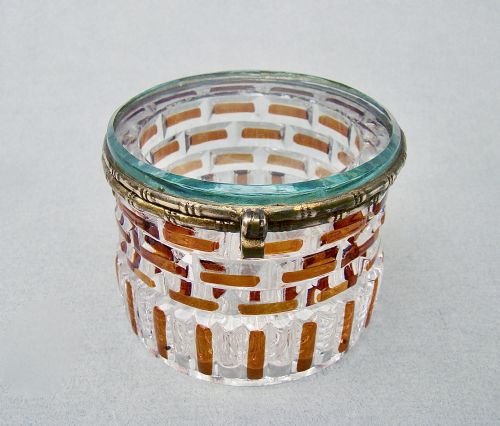
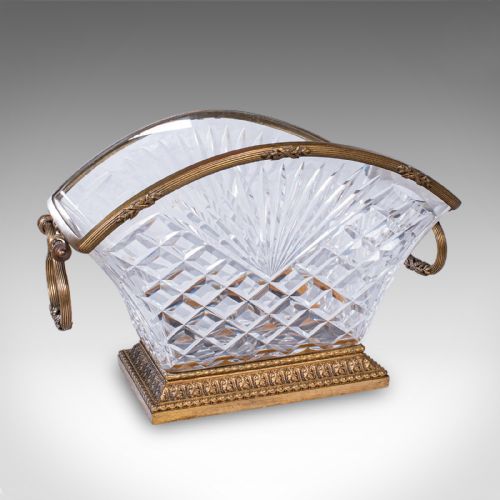
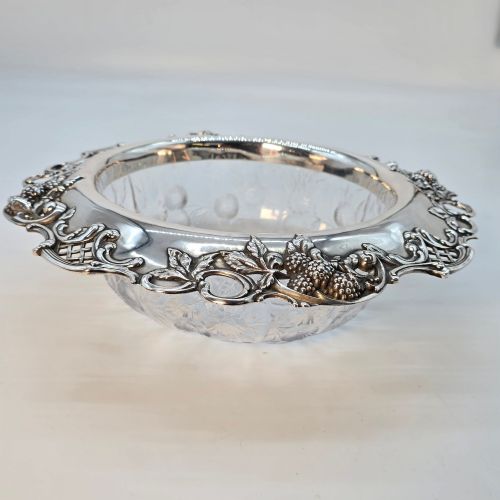
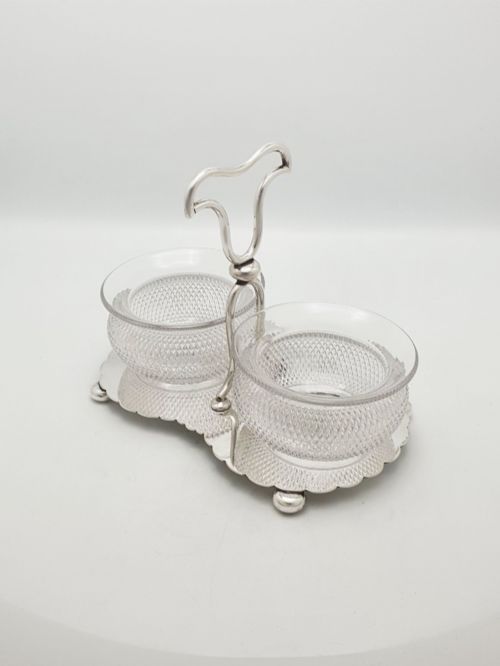
The version most commonly met on this page is the Victorian or Edwardian cut glass bowl, alongside early twentieth-century decorative centrepieces and silver-mounted servers. These items often incorporate brass, sterling silver, or ormolu mounts that frame the transparent vessel. They serve equally as functional tableware and ornamental focal points within a room.
How they were made
Makers shaped these vessels using lead glass, crystal, or standard clear glass, frequently employing mould-blowing techniques to achieve honeycomb patterns, flutes, or opalescent finishes. Artisans then applied wheel-cutting to create crisp facets that catch the light, as seen on Georgian tazze and Victorian finger bowls.
Metalwork played a significant structural and decorative role, with workshops combining cast brass, gilt bronze, ormolu, and sterling silver mounts around the glass bodies. Silver components were often pierced, chased, or engraved by silversmiths before being fitted to the glass liners and dishes.
Georgian ladies kept their artificial beauty spots on tiny pedestal glass stands before stepping out for the evening.
What varies in quality
The distinction between standard production and exceptional work rests on the crispness of the cutting, the weight of the metal mount, and the clarity of the material. Heavy lead crystal with deep, hand-polished wheel-cuts produces sharper refraction than lighter mould-pressed variants.
Quality also shows in the integration between the glass vessel and its metal frame, where fitted silver or ormolu mounts sit flush without movement. Superior examples exhibit deliberate design proportions and well-preserved gilding or silver plating across the metal elements.
Rene Lalique·Tiffany and Co·William Comyns·WMF
The Clear Glass Dishes Glossary
- Tazza
- A shallow saucer-shaped dish mounted on a stem and foot, used historically for serving sweets or fruit. Georgian examples often feature detailed baluster stems.
- Plafonnier
- A ceiling-mounted bowl light fixture made of glass held within a metal frame, popular during the Edwardian and Art Deco periods.
- Patch stand
- A small pedestal dish from the eighteenth century designed to hold small cosmetic patches worn on the face. These miniature items frequently feature opaque twist or triple-knop stems.
- Ormolu
- Gilt bronze mounted onto decorative items, providing a bright golden finish alongside clear glass vessels in French and English pieces.
Clear Glass Dishes: Frequently Asked Questions
How were clear glass dishes used historically?
These vessels served a variety of domestic functions on dining tables, dressing tables, and drawing rooms. Households utilised them for serving butter, sweetmeats, and condiments, or for holding small personal trinkets.
Larger forms functioned as centrepieces for fruit and flowers, while mounted glass liners accompanied silver stands for afternoon tea and dinner service.
How do I identify a Georgian clear glass dish?
Georgian pieces often display characteristic manufacturing traits such as pontil marks on the base and heavier lead glass composition. Forms tend to follow traditional shapes like baluster tazze and patch stands with knopped stems.
Engraving and cutting on these early pieces remain relatively simple compared to later Victorian elaboration, focusing on flat facets or light honeycomb moulding.
What is the difference between lead crystal and clear glass?
Lead crystal contains metallic oxide that increases the weight, density, and refractive index of the material. This composition allows cutters to achieve deeper and sharper facets.
Standard clear glass is lighter and typically lacks the specific acoustic ring and prismatic sparkle associated with high-lead crystal formulas.
How should I clean antique glass with silver mounts?
Maintenance requires keeping moisture away from any cemented joints or plated surfaces where metal meets glass. Using a soft, dry cloth prevents abrasion to the delicate cut surfaces.
Silver polish must be applied carefully with a cotton bud to avoid staining the surrounding transparent glass panels.