



Clear Crystal Plates
Clear crystal plates bring cut glass and silver plate together for dining tables.
Clear Crystal Plates
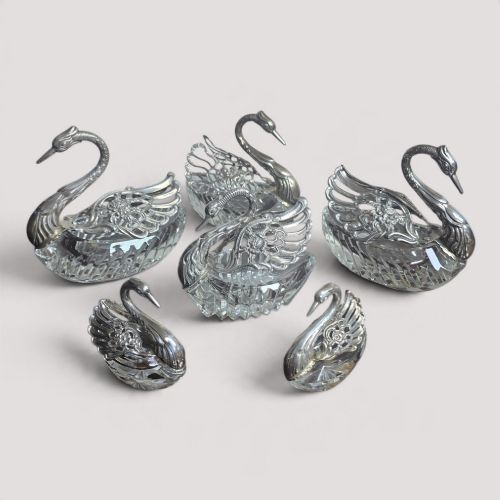
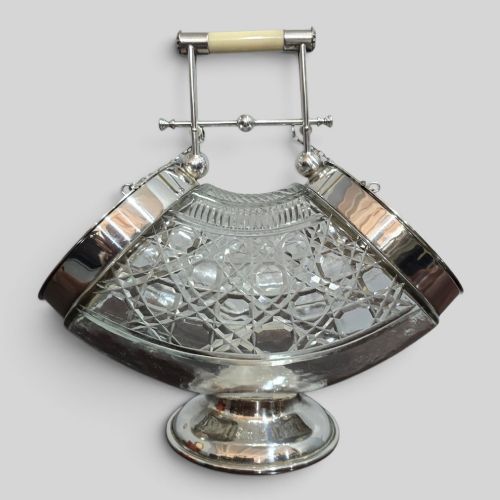
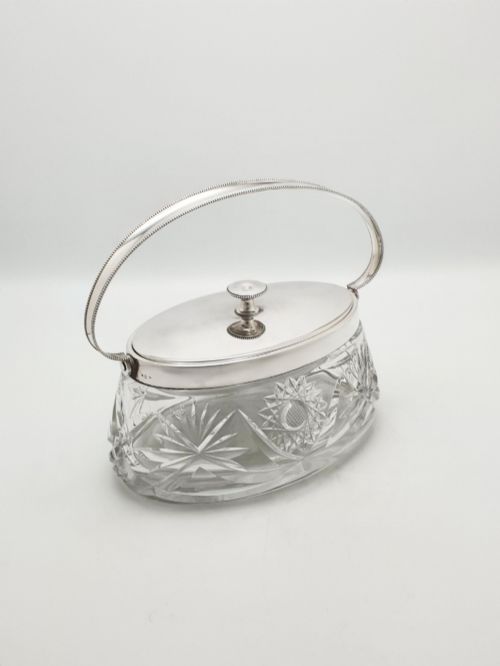
When searching for clear crystal plates, collectors encounter table service items alongside related serving ware from the Victorian and Edwardian periods. The selection here leans towards domestic dining accessories combining glass bowls and dishes with metal mounts.
The objects span from the mid-nineteenth century through the Art Deco era, encompassing bowls, dishes, and specialised tableware. These pieces reflect the dining customs of past decades, utilising cut crystal and glass alongside silver-plate.
Origin points include English workshops as well as continental makers such as WMF. The forms range from simple free blown crystal plates to elaborate mounted serving pieces.
Materials and Techniques
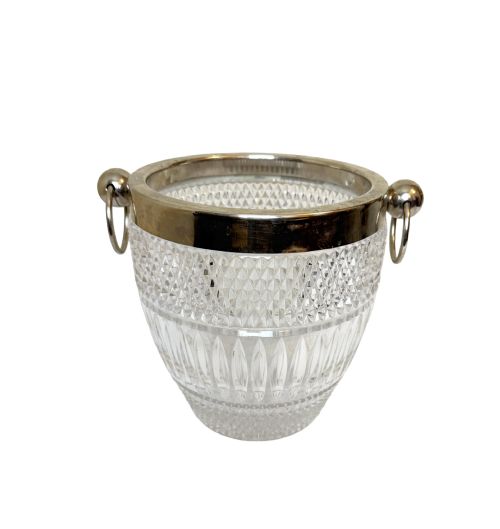
Makers shaped the glass elements through free blowing, moulding, and heavy cutting to achieve deep facets and hobnail patterns. Lead crystal and standard glass provide the clarity and weight observed in these objects.
Metal components utilise silver plate and solid silver, applied as mounts, handles, and frames around the glass bodies. Craftsmen secured these mounts carefully to withstand regular dining use.
Clear Crystal Plates Retail Price Guide 2026
Typical asking prices for clear crystal plates among the pieces listed under this phrase on Sellingantiques today, from the lower quarter to the upper quarter. They describe what is for sale here now, not the wider market.
Listings span several decades, featuring materials such as lead crystal, cut glass, and silver plate across Victorian and Edwardian eras.
Markers of Quality
Depth and precision of the glass cutting distinguish finer examples from simpler production. Crisp facets catch the light sharply and indicate skilled handwork rather than mould-smoothing.
The weight of the lead crystal and the thickness of the silver-plating matter greatly. Substantial metal mounts and heavy glass bodies demonstrate superior craftsmanship.
WMF·Elkington·Mappin & Webb
The Clear Crystal Plates Glossary
- Lead crystal
- Glass containing a proportion of lead oxide which increases weight, brilliance, and refractive index. This material allows for deeper and sharper cutting.
- Silver plate
- A base metal, often copper or Britannia metal, coated with a thin layer of silver. This technique provided the appearance of solid silver at a lower cost.
- Hobnail cut
- A decorative glass-cutting pattern featuring rows of small, pointed projections resembling hobnails on boots. It creates intense light refraction across the surface.
- Free blown
- Glass shaped by blowing air through a pipe into molten metal without the use of a closed mould. This method results in subtle variations unique to each piece.
- Claret jug
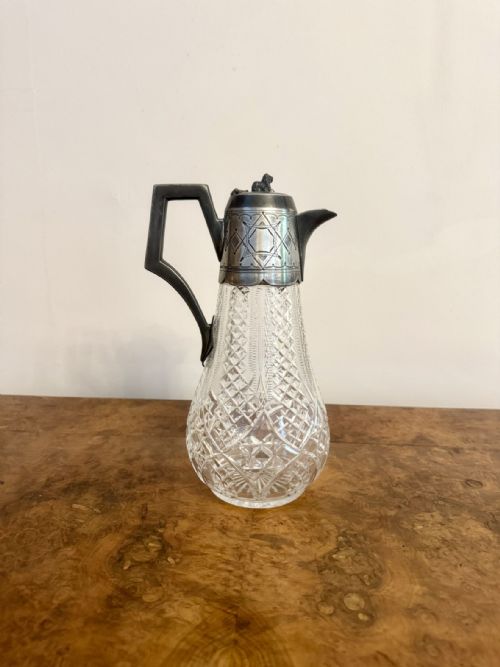
- A specialised vessel for serving red wine, typically combining a glass body with a hinged metal lid and handle. Many Victorian and Edwardian examples pair cut crystal with silver-plate mounts.
Clear Crystal Plates: Frequently Asked Questions
How do I clean antique silver-plated mounts?
Use a soft cloth and a gentle silver polish specifically formulated for plated items. Avoid harsh abrasives that might wear away the silver layer.
Keep moisture away from the meeting points where glass and metal join to prevent residue accumulation.
Are these glass items safe for modern dining use?
Most antique crystal and glass items function well for serving dry foods or room temperature items. Hand washing is essential to preserve the finish.
Avoid thermal shock from sudden temperature changes to protect old glass.
How can I tell Victorian pieces from Edwardian ones?
Victorian pieces often display heavier ornamentation and deep rococo revival influences. Edwardian items tend to feature lighter mounts and crisper geometric cutting.
Maker marks and stylistic cues help confirm the decade of production.
What does silver-plate mean on antique glassware?
Silver-plate indicates a base metal foundation coated with a thin layer of pure silver. This method was widely used for handles, rims, and stands on crystal ware.
Over time, gentle polishing may reveal the warmer base metal beneath.