



Vintage Clear Glass Plates
When you search for vintage clear glass plates, you find decorative and functional tableware spanning the Victorian, Edwardian, and Art Deco periods.
Vintage Clear Glass Plates
When you search for vintage clear glass plates, you meet pressed, moulded, and free-blown items originating from British, French, and European workshops. The selection includes decorative serving dishes, ice plates, and patterned tableware designed for formal dining and display.
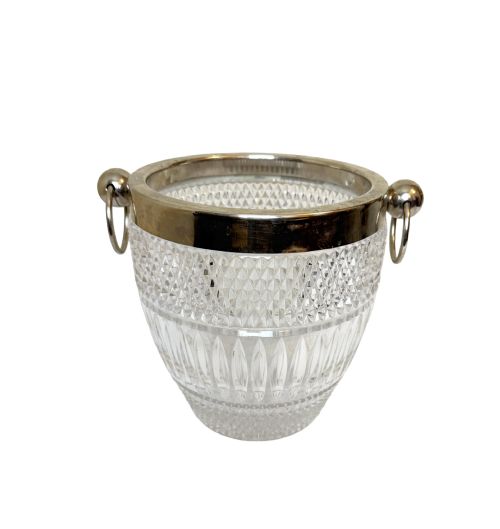
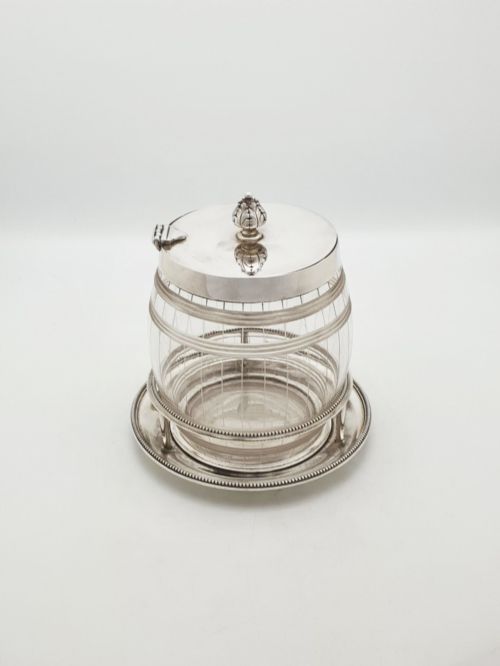
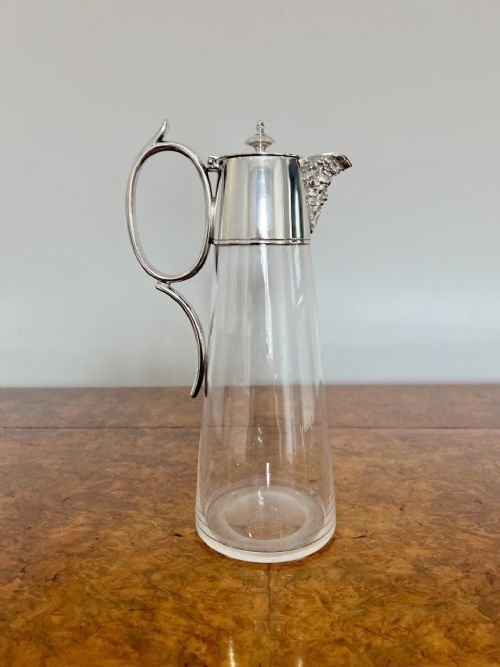
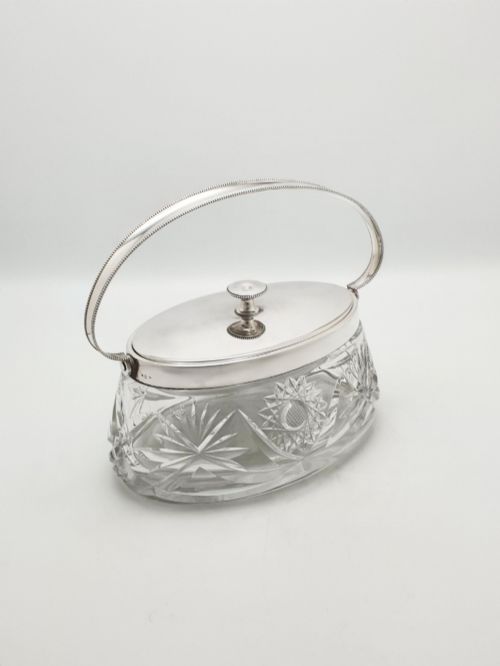
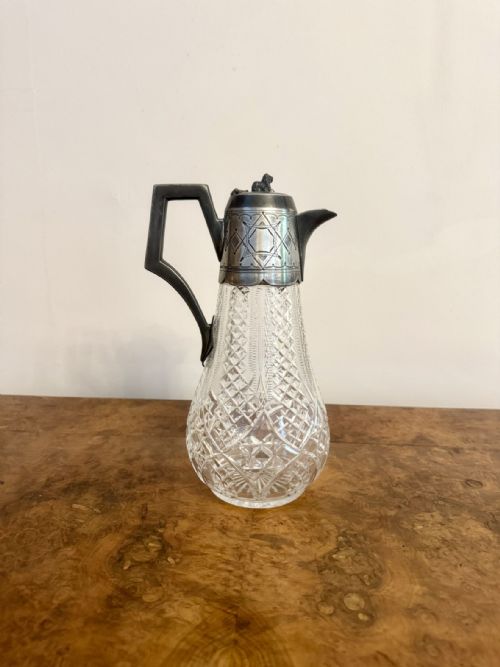
The surviving pieces bridge multiple aesthetic movements, drawing heavily on Victorian ornamentation, Edwardian refinement, and Art Deco geometry. Makers utilised clear, cut, and opalescent glass, frequently combining the transparent material with silver-plated mounts.
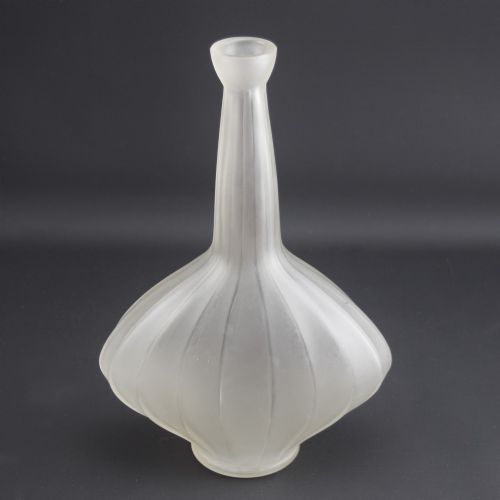
Art Deco examples from makers like René Lalique introduce moulded designs and sepia stains, contrasting with earlier Victorian cut crystal and Edwardian hobnail patterns. Buyers encounter everything from single display items to sets intended for specific domestic routines.
Materials and technique
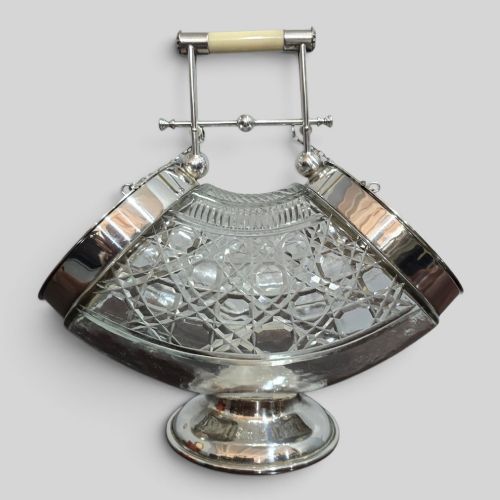
Makers shaped glass through free-blowing, moulding, or pressing into metal and composite forms, subsequently employing cutting wheels to carve facets and linear patterns. Heavy lead crystal provided the clarity and weight required for deep hobnail cuts and starburst motifs.
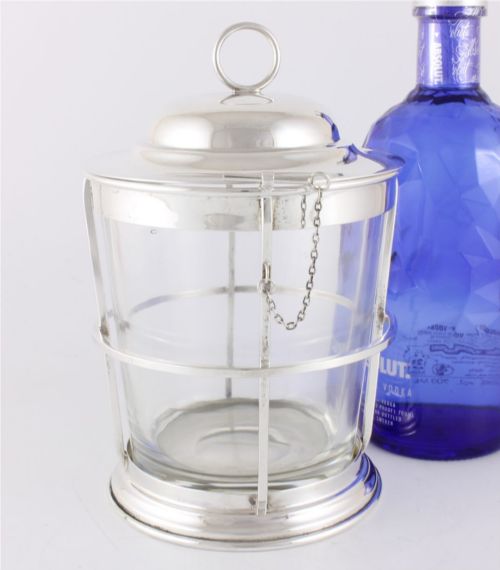
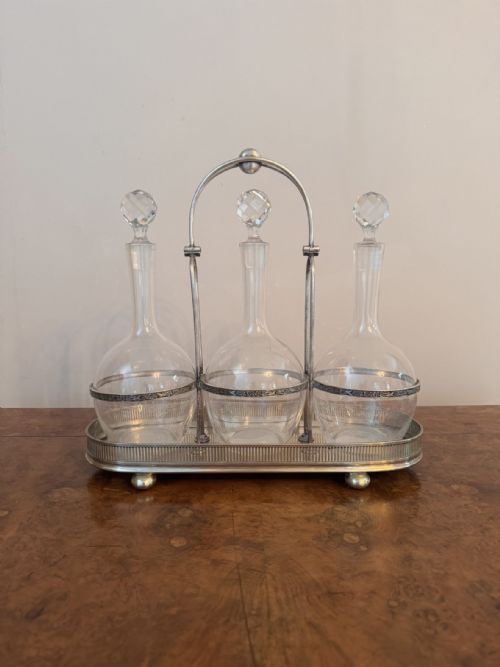
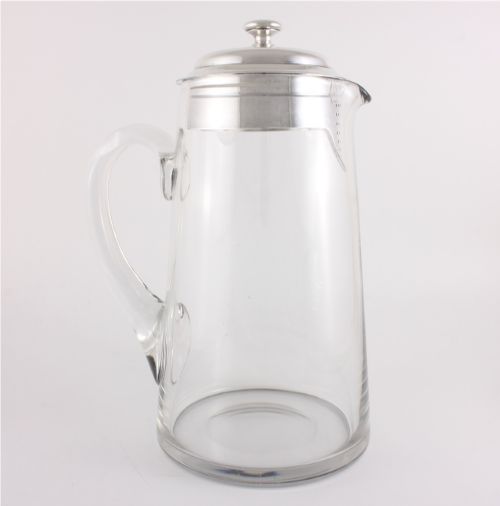
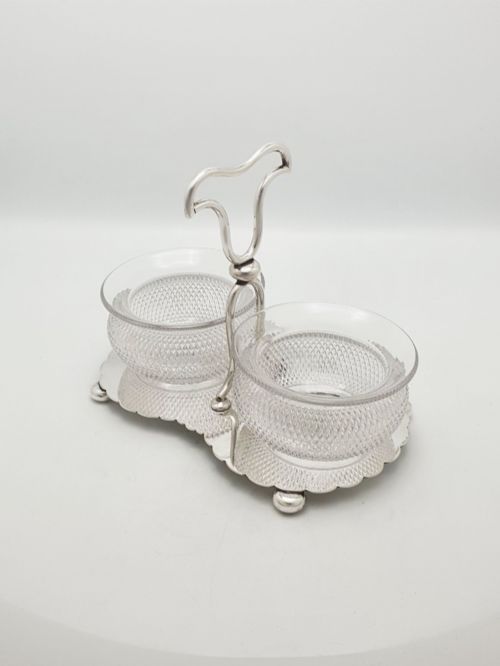
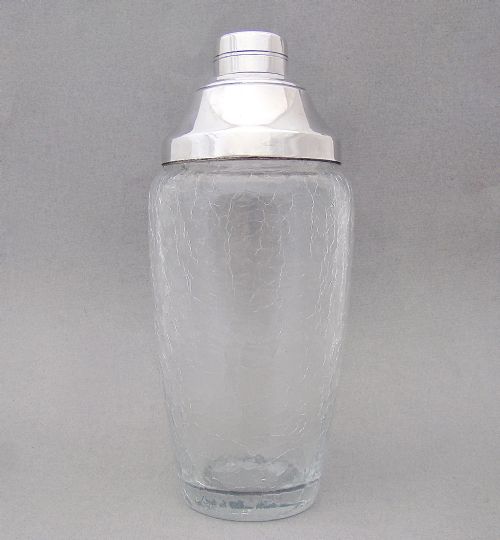
Many items incorporate silver-plated mounts, handles, and stands produced by electroplating base metals. Artisans integrated these metal components to secure glass vessels, bowls, and plates, adding structural support and ornamental handles.
What varies in quality
Quality rests on the depth and crispness of the glass cutting, the weight of the crystal, and the integrity of any applied silver-plated mounts. Deeper, hand-finished wheel cuts reflect light with greater intensity than shallow mould-pressed lines.
Makership influences value, with recognizable houses demonstrating superior metalwork finishing and precise glass-forming techniques. The preservation of the silver plating and the absence of heavy scratching across the transparent surfaces distinguish top-tier examples.
PH Vogel·Christofle·Elkington·WMF·Mappin & Webb·Walker & Hall·Rene Lalique·Hukin & Heath
The Vintage Clear Glass Plates Glossary
- Cut glass
- Glass decorated by holding it against a rotating abrasive wheel to carve patterns into the surface. This technique produces sharp facets that catch ambient light.
- Silver plate
- A thin layer of silver fused to a base metal such as copper, nickel, or brass. Manufacturers utilised this process to create decorative stands and mounts without solid silver costs.
- Opalescent glass
- Glass containing ingredients that cause it to milky-blue or semi-translucent appearance depending on the angle of light. It gained popularity during the Art Nouveau and Art Deco periods.
- Hobnail cut
- A decorative glass-cutting pattern featuring a series of small, raised square or pyramidal facets resembling the head of a traditional hobnail boot.
Vintage Clear Glass Plates: Frequently Asked Questions
How do I clean vintage glass plates?
Wash the glass by hand in warm water using a mild detergent, avoiding abrasive scourers that can scratch the surface. Dry them immediately with a soft cloth to prevent water spots.
Keep silver-plated components away from harsh chemical dips. Polish the metal gently with a dedicated silver cloth to preserve the plating.
Are these plates safe for food?
Most vintage pieces function adequately for serving dry foods, fruits, or cold items during dining. Assess the surface for deep chips or cracks that might harbour bacteria before serving.
Items featuring heavy silver plating or specific decorative stains require careful handling. Avoid exposing antique glass to sudden thermal shocks like boiling water or microwave ovens.
How do I date an antique glass plate?
Examine the manufacturing marks, style of the cut, and any associated silver mounts for clues regarding the period. Victorian items often feature heavier cutting and ornate floral motifs, whereas Art Deco pieces show geometric symmetry.
Maker stamps on silver-plated bases provide reliable chronological markers. Reference known registry dates and manufacturer catalogues corresponding to the piece.
What is the difference between cut crystal and moulded glass?
Cut crystal is shaped by hand using abrasive wheels, resulting in sharp edges, deep facets, and considerable weight. Each cut shows subtle variations due to manual execution.
Moulded glass is pressed into a metal or ceramic form while molten, producing rounded edges and seam lines from the mould parts. Production runs of moulded glass yielded uniform patterns across multiple items.