


Clear Glass Decorative Vase
A clear glass decorative vase brings clean light and simple form to a room, catching the eye without heavy colour.
Clear Glass Decorative Vase
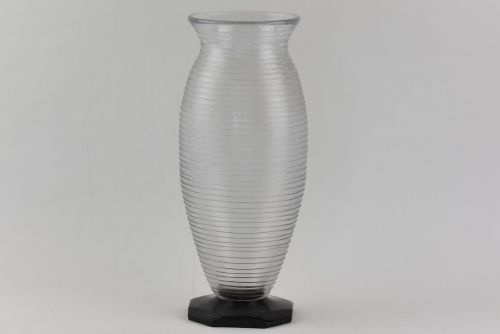
A clear glass decorative vase ranges from simple moulded vessels to heavy lead crystal pieces designed to hold flowers or stand alone as a room centrepiece. When searching for a clear glass decorative vase, a buyer encounters pieces originating from the nineteenth century through to the art deco period, alongside earlier regency examples.
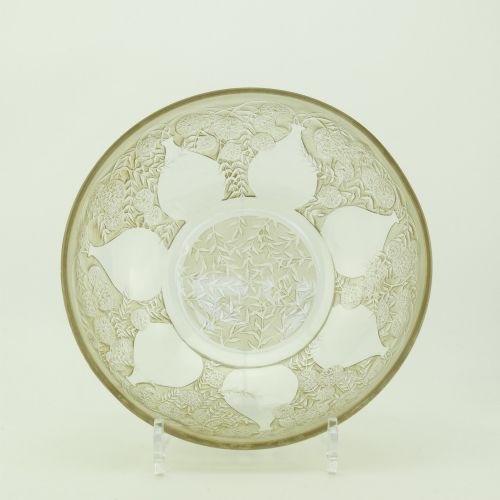
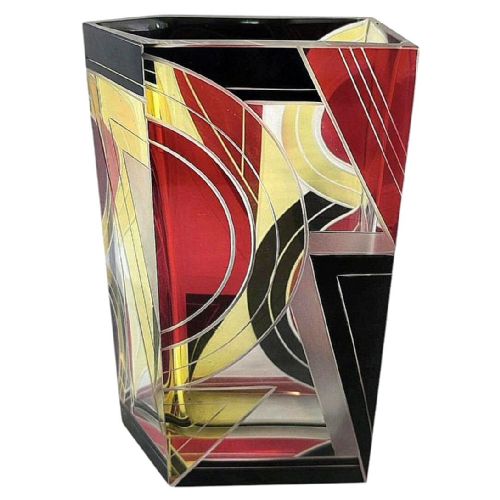
Victorian and Edwardian items sit alongside art deco creations by makers such as René Lalique, Daum, and Karl Palda. Buyers find both simple domestic glassware and elaborate display objects bearing etched or enamelled motifs.
Distinctions in quality and execution
Quality rests upon the clarity of the metal, the precision of the cut or etched decoration, and the crispness of the mould seams in pressed pieces. Superior examples display balanced weight, hand-polished surfaces free from optical distortion, and finely detailed engraving or enamel work.
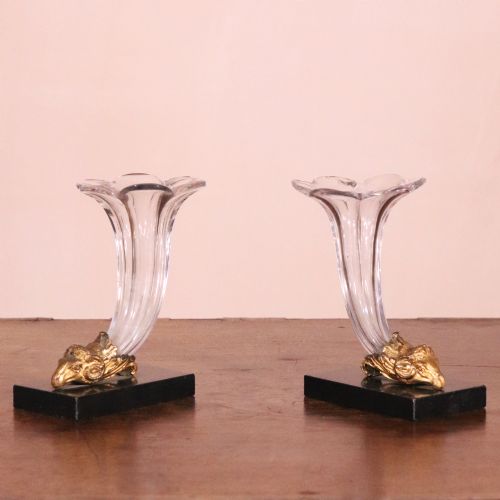
Design attribution to known makers or studios elevates a piece, particularly where signature marks or distinct stylistic signatures remain clear. The integration of mounts, such as gilt bronze cornucopias, reflects the care taken during assembly and finishing.
Some nineteenth-century glassmakers hid tiny bubbles within the metal to prove their work was mouth-blown rather than machine-pressed.
Rene Lalique·Daum·Karl Palda·Stuart
The Clear Glass Decorative Vase Glossary
- Lead crystal
- Glass containing a significant proportion of lead oxide, which increases weight, refractive index, and brilliance. This material allows for deep, sharp cutting by the artisan.
- Acid etching
- A technique where acid bites into unprotected areas of the glass surface to create frosted designs or textured patterns. It gained popularity during the art deco period for softening clear profiles.
- Gilt bronze
- Copper alloy cast and finished with a layer of gold, frequently used for mounts, bases, and structural frames on nineteenth-century decorative glass. It adds stability and rich contrast to transparent vessels.
- Enamel decoration
- The application of coloured glass powders fused to the surface through firing, used to add opaque patterns or metallic accents. This technique appears frequently on geometric art deco vessels.
Clear Glass Decorative Vase: Frequently Asked Questions
How do I clean an antique glass vase?
Wash the vessel by hand using warm water and mild soap, avoiding harsh scrubbing tools that might scratch the surface. Dry it immediately with a soft cloth to prevent water spots on the clear glass.
Take extra care with pieces featuring gilt bronze mounts, enamel work, or delicate etchings, keeping moisture away from metal joins and painted areas.
Were these vases meant for flowers or display?
Many of these vessels served dual purposes as functional flower holders and standalone decorative centrepieces for the home. Large urns and heavy crystal bowls were frequently placed on side tables to catch and reflect light.
Smaller examples accommodated modest floral arrangements, while sculptural pieces by major designers were prized primarily as works of art.
What is the difference between lead crystal and standard glass?
Lead crystal contains lead oxide, which gives the material a heavier feel, greater durability for cutting, and a high refractive index that causes light to sparkle. Standard glass is lighter and lacks this high dispersion.
Items made from lead crystal often produce a resonant chime when struck gently, whereas ordinary glass yields a duller sound.